When Speaker Prospero Nograles recently asked the Supreme Court to clarify the number of members that the House of Representatives can have, he may have unwittingly raised questions on the legitimacy of 20 congressional districts created since the ratification of the 1987 Constitution.
Citing the “constitutionally mandated maximum of 250” seats for the lower chamber, Nograles filed on April 28 a petition asking the High Tribunal to clarify its new formula in computing the number of allocated seats for party-list representatives. A week before that, the SC allowed 32 additional party-list nominees to be proclaimed, bringing the total membership of the House to 263.
“Considering that this is the first time that the number of members will actually exceed the constitutionally mandated maximum of 250, clarification is sought whether a prior act of increasing the number of members of the House of Representatives is necessary in order that the 32 named party-list representatives may be accommodated or whether it should enrol only such number that will complete the 250 maximum membership prescribed by the 1987 Constitution,” the petition read.
Article VI, Section 5, of the Constitution states that the number of House members should not exceed 250, and that 20 percent of that—or 50—should be the party-list representatives. That leaves only 200 seats for district representatives, which was the number of districts when the 1987 Constitution was ratified.
Since 1987, however, several laws were passed that created 20 additional legislative districts. Nineteen have elected congressmen, while the newest district will elect its first representative in 2010.
Court Interpretation
If the this formula for the allocation of seats would be followed, the 20 “extra” districts would be unconstitutional, and their representatives illegitimate. (See Representatives of Legislative Districts Created After 1987)
Before the Supreme Court decision, this going beyond the 200-district allocation went unnoticed because the 50 seats meant for the party-list representatives were never filled (made impossible by the 2-percent cap and the 3-seat limit that the SC is now trying to correct). The total number of House members never exceeded 250.
However, the charter’s section on the House of Represenatives also says that the maximum of 250 will be observed “unless otherwise fixed by law.”
In the latest SC decision on the party list, penned by Justice Antonion Carpio, the phrase “unless otherwise fixed by law” is interpreted thus, “The Constitution allows the legislature to modify the number of the members of the House of Representatives.”
This recognition by the Court of the power of Congress to change the maximum House membership could very well cover the laws that created those district in excess of 200. The Court interpretation, in effect, is saying that Congress can create as many districts beyond 200, and with the additional district seats also create additional party-list seats, as long as the total is split 80-20.
Party List Overlooked
The House petition before the Court, however, clearly leans toward observing the maximum 250 seats. It even suggests the idea of proclaiming only the additional party-list representatives that would bring the total House membership to 250, overlooking the constitutional provision on party-list representatives having to compose 20 percent of the total membership.
Nograles has said that he filed the latest petition to get a "definitive" ruling on the composition of the House, so as to avoid confusion in succeeding elections.
The clarification would have been unnecessary. Aside from Carpio's decision on the party-list, which clearly stated that Congress can break that initial ceiling of 250, the Court had advised the legislature about this matter in an earlier case. Last year, in the Bai Sema case where the Supreme Court ordered the province of Shariff Kabunsuan dissolved, the Court already advised Congress of the need to increase the maximum number of House seats.
Most of the congressional districts established after the 1987 Constitution are created as a result of creation of new provinces, conversion of municipalities to highly-urbanized cities (HUC), and conversion of former sub-provinces to provinces, Newsbreak research showed.
Eight of these congressional districts are in the National Capital Region, while four are from the rest of Luzon. Six are from Mindanao and two are from the Visayas. (See Number of Additional Districts Per Region)
The 20 congressional districts created after 1987 are as follow: the lone congressional districts of Biliran in Eastern Visayas, Dinagat Islands in Caraga Region, Guimaras in Western Visayas, Mandaluyong City, Navotas City and Muntinlupa City in Metro Manila, Apayao in Cordillera region, San Jose del Monte City in Bulacan; the two congressional districts of Antipolo City; the second legislative districts of the cities of Makati, Valenzuela, Taguig, Paranaque, Marikina, Zamboanga, Cagayan de Oro and the second legislative districts of the provinces of Zamboanga Sibugay, Compostela Valley, and Sultan Kudarat in Mindanao.
Pending Bills Affected, Too
Section 5, Article 3 of the Constitution mandates that that a city with a population of 250,000 or each province shall have at least one representative.
The 1987 Constitution’s Ordinance, which apportions the seats of the House of Representatives to 200 legislative districts, also said that provinces or cities that have more than 250,000 inhabitants shall be entitled in the immediately following election to at least one or more representatives depending on its population.
“Any province that may hereafter be created, or any city whose population may hereafter increase to more than two hundred fifty thousand shall be entitled in the immediately following election to at least one Member or such number of Members as it may be entitled to on the basis of the number of its inhabitants and according to the standards set forth in paragraph (3), Section 5 of Article VI [the provision on the legislative department] of the Constitution,” Section 3 of the Ordinance reads.
The petition’s argument may also mean that the approval of the pending bills seeking re-apportionment and creation of new districts are unconstitutional. In the 14th Congress, bills have been filed seeking the creation of 17 more legislative districts.
The proposed new districts include: four new districts in Cavite, a district for Puerto Princesa City (which was converted into an HUC in 2007), and additional districts for Pangasinan, Cagayan, Camarines Norte, Aklan, Cebu, Surigao del Sur, North Cotabato, Malolos City, Iligan City, Pasig City, Iloilo City, and Angeles City.
Local Gov’t Code Started It
The creation of the 20 new legislative districts started with the implementation of Republic Act 7160 or 1991 Local Government Code, which mandates the conversion of the existing sub-provinces into provinces.
Section 462 of the Code states that, “Existing sub-provinces are hereby converted into regular provinces upon approval by a majority of the votes cast in a plebiscite to be held in the said sub-provinces and the original provinces directly affected.”
Among sub-provinces affected by the Code provision were Biliran and Guimaras, which were sub-provinces of Leyte and Iloilo, respectively. Their conversion into provinces resulted in the creation of their legislative districts.
The division of Kalinga-Apayao into two separate provinces and the creation of Compostela Valley, Zamboanga Sibugay, and Dinagat Islands also resulted in additional districts.
In 1995, Kalinga-Apayao was divided into two distinct provinces by virtue of Republic Act 7878. The division results in the creation of the lone congressional district of Apayao. The same thing happened when Dinagat Islands was carved out of Surigao del Norte in 2006.
Compostela Valley is composed of 11 towns, which used to be part of Davao del Norte. Its creation in 1998 through Republic Act 8470 reduced the number of legislative districts in its mother province from three to two. Meanwhile, additional congressional districts were created in the provinces of Sultan Kudarat in 2006 and Zamboanga Sibugay, which is composed of the municipalities of the former third district of Zamboanga del Sur, in 2007.
New cities, More Districts
The conversion into cities of San Jose del Monte, Antipolo, Muntinlupa, Mandaluyong, and Navotas also resulted into creation of new districts. Muntinlupa used to be part of the lone district of Las Pinas-Muntinlupa, while Mandaluyong used to be part of the lone district of San Juan-Mandaluyong. Navotas, which became a city in 2007, used to be part of lone district of Malabon-Navotas; election for its first district representative will be held in 2010.
Antipolo, which used to be part of the Rizal’s first district, had its own first district in 1998 after it attained cityhood. Its second district was created in 2003, the same year when the lone district of San Jose del Monte City in Bulacan was created.
Parañaque’s and Marikina’s second districts were created in 2003 and 2006, respectively. Additional districts were also created in Makati in 1994, in Valenzuela in 1998, and in Taguig in 1998, after they became a highly-urbanized city. In Mindanao, the lone districts of the cities of Zamboanga and Cagayan de Oro in Mindanao were divided into two in 2004 and 2007, respectively. (Newsbreak)
https://news.abs-cbn.com/nation/05/06/09/creation-20-districts-unconstitutional
Wednesday, May 6, 2009

Martin faces House probe over anthem
For his “incorrect” rendition of the national anthem at the start of the Pacquiao vs. Hatton fight, singer Martin Nievera may have to be called to an investigation to be conducted by the House of Representatives.
In Resolution 1137, Bayan Muna Rep. Teodoro Casiño complained that Nievera sang the Lupang Hinirang “in a manner not in keeping with the original arrangement of its composer Julian Felipe.”
He said the singer sang the anthem as if it were a ballad.
“Mr. Nievera is not the first artist who has sang the national anthem in a different style and tempo. As in the past, such non-traditional renditions elicit much debate among policymakers and the public at large as to the proper way of singing the Lupang Hinirang and whether artists have the license to deviate from tradition,” he said.
Casiño noted that the artists who have deviated from the traditional rendition of the anthem on different occasions include Charice Pempengco and Jennifer Bautista, as against Karylle, Kyla and Ciara Sotto who had traditional interpretations.
Casiño said officials of the National Historical Institute have accused Nievera and his arranger of violating Section 37, Chapter II of Republic Act 8491, or the Flag and Heraldic Code of the Philippines.
The section provides: “The rendition of the national anthem, whether played or sung, shall be in accordance with the musical arrangement and composition of Julian Felipe.”
But the anthem may be played during the following: international competitions where the Philippines is the host or has a representative; local competitions; during the “signing off” and “signing on” of radio broadcasting and television stations; before the initial and last screening of films and before the opening of theater performances; and other occasions as may be allowed by the Institute.
The Oath of Patriotism (Panatang Makabayan) must be recited after the singing of the national anthem in basic education institutions. The Pledge of Allegiance (Panunumpa ng Katapatan sa Watawat ng Pilipinas) may be recited as well, though the law did not specify who is required to do so.
Section 20 of the law also states: “The rendition of the flag ceremony in official or civic gatherings shall be simple and dignified and shall include the playing or singing of the anthem in its original Filipino lyrics and march tempo.”
The law imposes a fine of P5,000 to P20,000 or imprisonment of not more than one year, or both, upon the discretion of the court.
Even moviegoers who do not stand up when the National Anthem is being played in cinemas will be sanctioned if the measure subsequently, as it empowers the security personnel and ushers in movie houses to arrest a violator and summon law enforcement officers to assist in conducting citizens' arrest.
“The law notwithstanding, society also recognizes the artists’ right to free expression and to interpret the national anthem or depict the Philippine flag as they see fit, provided that such national symbols are revered and not desecrated,” Casiño said.
Casiño urged a review of the law in the light of Nievera’s interpretation of the national anthem.
Casiño said a review of RA 8491 is “appropriate, whether they should be relaxed or strengthened given the realities on the ground.”
Nievera, however, found an ally in Malacañang and a fellow artist.
Cabinet Secretary Silvestre Bello III said Nievera sang “in good faith.”
“He is an artist and so we should not be rash in our judgments,” Bello said. “In the first place, he sang the best way he could and we requested him to sing and he sang in good faith.”
Bello said 50 singers could render different versions of a song.
“Unless the NHI fells strongly about it, maybe we should accept Martin Nievera as the lucky charm of Manny Pacquiao, that’s why he won in two rounds instead of 12,” he said.
Bello said the public must be “more progressive in our considerations.”
Singer-activist Leah Navarro also agreed with Nievera’s rendition of the country’s anthem.
“I do not care how people sing it, whether it’s rap or out of tune for as long as they know how to sing it. That is, has sense of self,” she said.
What is important, Navarro stressed, are the lyrics of the song which was “sung from the heart, how the singer conveys the message to the audience.”
“What is important is upholding the value of the Filipino citizen,” she said.
Navarro said critics are making a big issue of Nievera’s rendition of the national anthem.
She said gospel music could also be sung in different ways. - With Delon Porcalla, Paolo Romero, Evelyn Macairan
In Resolution 1137, Bayan Muna Rep. Teodoro Casiño complained that Nievera sang the Lupang Hinirang “in a manner not in keeping with the original arrangement of its composer Julian Felipe.”
He said the singer sang the anthem as if it were a ballad.
“Mr. Nievera is not the first artist who has sang the national anthem in a different style and tempo. As in the past, such non-traditional renditions elicit much debate among policymakers and the public at large as to the proper way of singing the Lupang Hinirang and whether artists have the license to deviate from tradition,” he said.
Casiño noted that the artists who have deviated from the traditional rendition of the anthem on different occasions include Charice Pempengco and Jennifer Bautista, as against Karylle, Kyla and Ciara Sotto who had traditional interpretations.
Casiño said officials of the National Historical Institute have accused Nievera and his arranger of violating Section 37, Chapter II of Republic Act 8491, or the Flag and Heraldic Code of the Philippines.
The section provides: “The rendition of the national anthem, whether played or sung, shall be in accordance with the musical arrangement and composition of Julian Felipe.”
But the anthem may be played during the following: international competitions where the Philippines is the host or has a representative; local competitions; during the “signing off” and “signing on” of radio broadcasting and television stations; before the initial and last screening of films and before the opening of theater performances; and other occasions as may be allowed by the Institute.
The Oath of Patriotism (Panatang Makabayan) must be recited after the singing of the national anthem in basic education institutions. The Pledge of Allegiance (Panunumpa ng Katapatan sa Watawat ng Pilipinas) may be recited as well, though the law did not specify who is required to do so.
Section 20 of the law also states: “The rendition of the flag ceremony in official or civic gatherings shall be simple and dignified and shall include the playing or singing of the anthem in its original Filipino lyrics and march tempo.”
The law imposes a fine of P5,000 to P20,000 or imprisonment of not more than one year, or both, upon the discretion of the court.
Even moviegoers who do not stand up when the National Anthem is being played in cinemas will be sanctioned if the measure subsequently, as it empowers the security personnel and ushers in movie houses to arrest a violator and summon law enforcement officers to assist in conducting citizens' arrest.
“The law notwithstanding, society also recognizes the artists’ right to free expression and to interpret the national anthem or depict the Philippine flag as they see fit, provided that such national symbols are revered and not desecrated,” Casiño said.
Casiño urged a review of the law in the light of Nievera’s interpretation of the national anthem.
Casiño said a review of RA 8491 is “appropriate, whether they should be relaxed or strengthened given the realities on the ground.”
Nievera, however, found an ally in Malacañang and a fellow artist.
Cabinet Secretary Silvestre Bello III said Nievera sang “in good faith.”
“He is an artist and so we should not be rash in our judgments,” Bello said. “In the first place, he sang the best way he could and we requested him to sing and he sang in good faith.”
Bello said 50 singers could render different versions of a song.
“Unless the NHI fells strongly about it, maybe we should accept Martin Nievera as the lucky charm of Manny Pacquiao, that’s why he won in two rounds instead of 12,” he said.
Bello said the public must be “more progressive in our considerations.”
Singer-activist Leah Navarro also agreed with Nievera’s rendition of the country’s anthem.
“I do not care how people sing it, whether it’s rap or out of tune for as long as they know how to sing it. That is, has sense of self,” she said.
What is important, Navarro stressed, are the lyrics of the song which was “sung from the heart, how the singer conveys the message to the audience.”
“What is important is upholding the value of the Filipino citizen,” she said.
Navarro said critics are making a big issue of Nievera’s rendition of the national anthem.
She said gospel music could also be sung in different ways. - With Delon Porcalla, Paolo Romero, Evelyn Macairan
Monday, May 4, 2009
HISTORIAN SAYS Martin Nievera sang ‘Lupang Hinirang’ wrong
The National Historical Institute (NHI) criticized on Sunday singer Martin Nievara's rendition of the Philippine National Anthem at the beginning of the Manny Pacquiao-Ricky Hatton bout in Las Vegas earlier Sunday.
In a text message, NHI chairman Ambeth Ocampo expressed dissatisfaction with the latest rendition and added that the flashing of the agency's seal was "without our permission."
Ocampo, who was on a provincial trip on Sunday, said he did not see Nievera's rendition. But he learned from those who watched the bout that the anthem, officially titled “Lupang Hinirang,” was sung with a martial tone but had a slow opening and closing.
Nievera sang the first stanza softly and slowly; he sang the last line with prolonged, high notes.
“Despite repeated reminders, some artists continue to make adjustments to the anthem, which is not an ordinary piece of music open to free interpretation,” Ocampo said.
Section 37 of the Republic Act No. 8491, also known as the 1998 Flag and Heraldic Code of the Philippines, provides that "the rendition of the National Anthem, whether played or sung, shall be in accordance with the musical arrangement and composition of Julian Felipe."
Felipe composed in 1898 the anthem's music, which has the tune of a march. It was played during the proclamation of the country's independence from Spain at Kawit, Cavite on June 12, 1898.
The current Tagalog lyrics were adapted from the Spanish poem "Filipinas" written by Jose Palma in 1899.
In a May 2005 column at the Philippine Daily Inquirer (http://web.archive.org/web/20050526123412/http://news.inq7.net/opinion/index.php?index=2&story;_id=38046&col;=80) , Ocampo said that if the law were taken literally, then the song should be sung with a solo piano or a brass band. He added, "If we follow the 1898 Felipe original, either the lyrics will slow down the music or we will be unable to sing and keep up with the music."
Republic Act 8341 punishes failure or refusal to observe the provisions of the code with public censure, which shall be published at least once in a newspaper of general circulation. The guilty person may be fined up to P5,000 or imprisoned not more than a year, or be meted with both penalties, at the discretion of the court.
Even moviegoers who do not stand up when the National Anthem is being played in cinemas will be sanctioned, as it empowers the security personnel and ushers in movie houses to arrest a violator and summon law enforcement officers to assist in conducting citizens' arrest.
In the past, the NHI criticized the incorrect singing of the anthem during international events such as sporting events that were aired over television and radio. The agency also criticized the renditions of singers Sarah Geronimo, Kyla, Lani Misalucha and Bituin Escalante during previous Pacquiao bouts.
In a text message, NHI chairman Ambeth Ocampo expressed dissatisfaction with the latest rendition and added that the flashing of the agency's seal was "without our permission."
Ocampo, who was on a provincial trip on Sunday, said he did not see Nievera's rendition. But he learned from those who watched the bout that the anthem, officially titled “Lupang Hinirang,” was sung with a martial tone but had a slow opening and closing.
Nievera sang the first stanza softly and slowly; he sang the last line with prolonged, high notes.
“Despite repeated reminders, some artists continue to make adjustments to the anthem, which is not an ordinary piece of music open to free interpretation,” Ocampo said.
Section 37 of the Republic Act No. 8491, also known as the 1998 Flag and Heraldic Code of the Philippines, provides that "the rendition of the National Anthem, whether played or sung, shall be in accordance with the musical arrangement and composition of Julian Felipe."
Felipe composed in 1898 the anthem's music, which has the tune of a march. It was played during the proclamation of the country's independence from Spain at Kawit, Cavite on June 12, 1898.
The current Tagalog lyrics were adapted from the Spanish poem "Filipinas" written by Jose Palma in 1899.
In a May 2005 column at the Philippine Daily Inquirer (http://web.archive.org/web/20050526123412/http://news.inq7.net/opinion/index.php?index=2&story;_id=38046&col;=80) , Ocampo said that if the law were taken literally, then the song should be sung with a solo piano or a brass band. He added, "If we follow the 1898 Felipe original, either the lyrics will slow down the music or we will be unable to sing and keep up with the music."
Republic Act 8341 punishes failure or refusal to observe the provisions of the code with public censure, which shall be published at least once in a newspaper of general circulation. The guilty person may be fined up to P5,000 or imprisoned not more than a year, or be meted with both penalties, at the discretion of the court.
Even moviegoers who do not stand up when the National Anthem is being played in cinemas will be sanctioned, as it empowers the security personnel and ushers in movie houses to arrest a violator and summon law enforcement officers to assist in conducting citizens' arrest.
In the past, the NHI criticized the incorrect singing of the anthem during international events such as sporting events that were aired over television and radio. The agency also criticized the renditions of singers Sarah Geronimo, Kyla, Lani Misalucha and Bituin Escalante during previous Pacquiao bouts.
That strange logo after Martin Nievera's version of the Philippine national anthem

Those of us who sat glued to the edge of our seats awaiting the Pacquiao-Hatton match on TV might have been caught off-guard by the logo that appeared after Martin Nievera sang his rendition of the Philippine national anthem at the MGM Grand Garden Arena in Las Vegas last May 2 (May 3, Philippine time).
Pictured above, the logo belongs to the National Historical Institute (NHI), an arm in the culture and development agenda of the government, whose mission includes promoting Philippine history and cultural heritage through research, dissemination, conservation, sites management and heraldry works. It is responsible for the conservation and preservation of the country's historical legacies, and includes among its tasks ensuring the proper use of the national anthem in accordance with Republic Act 8491 (Flag and Heraldic Code of the Philippines). I guess the logo simply indicates that Nievera's version is acceptable, unlike others including those sung in previous Pacquiao fights.
It will be recalled that Councilors in Davao raised their eyebrows after Sarah Geronimo sang the Lupang Hinirang before the November 2006 battle between Pacquiao and Erik Morales. The slow and kundiman-like rendition was seen as a bastardization of the national anthem, prompting Councilor Nilo Abellera to file a resolution reminding Davaoenos on the proper way of singing the song.
But Geronimo is not the only one to put her spin on the anthem. In the first Pacquiao-Morales fight (March 2005), and in the Pacquiao-Larios match (July 2006), Lani Misalucha and Bituin Escalante, respectively, also took liberties with the song.
Meanwhile, in the January 2006 re-match between Pacquiao and Morales, Jennifer Bautista fell awkwardly off-key in the anthem's last lyric.
And who could forget Christian Bautista's abbreviated version during the Gerry Penalosa vs. Bernabe Concepcion event in 2007?
The string of events prodded NHI's Teodoro Atienza to remind Kyla (whom Pacquiao handpicked to interpret the Lupang Hinirang during the October 2007 rematch between Pacquiao and Marco Antonio Barrera) about the mandatories of singing the national song.
But what are these mandatories? R.A. 8491 specifies that the national anthem "shall be in accordance with the musical arrangement and composition of Julian Felipe."
This means the anthem should carry a brisk and martial mood and tempo; after all, the original music was intended to be a march in duple time (2/4 meter)--and thus the emotional kundiman approaches are deemed unfaithful to the original spirit of the song.
If properly rendered, the anthem should sit comfortably between 53 to 60 seconds. It should also be sung in the national language regardless of where it is played.
The NHI, in coordination with the proper government agency, shall disseminate an official music score sheet that reflects the manner in which the national anthem should be played or sung.
When the national anthem is played, the public is required to sing and do so "with fervor."
They are expected to sing while the right hand is placed over the left chest. Uniformed personnel, meanwhile, are to salute the flag as prescribed by their respective regulations.
Individuals whose faith prohibit them from singing Lupang Hinirang must still show full respect.
Apart from these, R.A. 8491 prohibits the performing of the anthem for mere recreation, amusement, or entertainment except for the following occasions: International competitions where the Philippines is the host or has a representative; local competitions; during the "signing on" and "signing off" of radio broadcasting and television stations; and before the initial and last screening of films and before the opening of theater performances; Provided, that the owners and management of the establishments shall be mandated to enforce proper decorum and implement the pertinent provisions of this act; and other occasions as may be allowed by the NHI.
The Oath of Patriotism (Panatang Makabayan) must be recited after the singing of the national anthem in basic education institutions. The Pledge of Allegiance (Panunumpa ng Katapatan sa Watawat ng Pilipinas) may be recited as well, though the law did not specify who is required to do so.
In Section 20 of the law also states: “The observance of the flag ceremony in official or civic gatherings shall be simple and dignified and shall include the playing or singing of the anthem in its original Filipino lyrics and march tempo.”
So apparently the NHI prescreened and approved Nievera's rendition of the national anthem. Good for the artist as singers who do not follow the guidelines set for the use of the song can be fined P5,000 up to P20,000 or be imprisoned for 1 year, or both. If the Congress raises the penalty and make P100,000 or be imprisoned for 2 years.
Even moviegoers who do not stand up when the National Anthem is being played in moviehouses will be sanctioned, as it empowers the security personnel and ushers in movie houses to arrest a violator and summon law enforcement officers to assist in conducting citizens' arrest.
But whether I liked the version or not is a different story. For now, you be the judge:
Saturday, December 6, 2008
ABS-CBN Sports' coverage of the 2007 SEA Games in Nakhon Ratchasima, Thailand
For the past few months, starting from August 1 to December 5, 2007, ABS-CBN, along with UHF channel Studio 23 and cable channel Balls, aired the countdown plugs and teasers for the live nationwide and worldwide coverage of the 24th Southeast Asian Games in Nakhon Ratchasima, Thailand, from December 6 to 15, 2007. This strategic campaign was designed to generate excitement and anticipation among viewers and sports enthusiasts alike, tapping into the nation’s pride in its athletes and the increasing interest in regional sports competitions. By utilizing various media platforms, ABS-CBN aimed to reach a wide audience, ensuring that the event would not only foster national unity but also enhance the visibility of Philippine sports on a broader stage.
The Southeast Asian Games, which are held biennially, provided a perfect opportunity for the Philippines to showcase its talent, athletic prowess, and competitive spirit. With approximately 11 participating countries, the event was set to feature a variety of sports, from traditional favorites like basketball and volleyball to less common events such as sepak takraw and wushu. This inclusivity of both mainstream and lesser-known sports highlighted the diversity of athletic talent in the region, allowing athletes from various backgrounds to shine and compete at an international level. The planning and execution leading up to this moment were crucial in positioning the country not only as a competent host but also as a contender for numerous medals.
Contract signing with ABS-CBN executives for the live coverage of the 24th Southeast Asian Games in Nakhon Ratchasima, Thailand, took place on November 12, 2007, at Restaurant 9501, 14th floor, ELJ Communications Center in Quezon City. This event was a significant milestone in ensuring the engagement and representation of sports within the Philippine media landscape. Spotted at the contract signing ceremony were prominent figures in the sports and media industries, including ABS-CBN Corporation Chairman, President, and CEO, and Bayan Telecommunications, Inc. Vice Chairman Eugenio Lopez III. His involvement signified a commitment to elevating sports broadcasting and elevating the national discourse surrounding athletic achievement.
Also present was ABS-CBN Corporation Chief Operating Officer for Broadcast Cory Vidanes, who played a pivotal role in the programming decisions leading up to the Games. Vidanes has always committed to showcasing local talent, and her presence underscored the importance of effective media partnerships in the successful coverage of major events. In addition to her contributions, ABS-CBN Integrated Corporate Communications Head Bong Osorio was essential in crafting a narrative that resonated with audiences, ensuring that the Games were covered not merely as a sporting event but also as a celebration of Filipino culture, community, and resilience.
The attendance of key figures within the Philippine sports community, such as ABS-CBN Vice President for Sports Division Peter Musngi, Ambassador Marciano Paynor, Jr., and Former Senator Vicente Sotto III, highlighted the collaborative spirit behind the Games. Musngi’s role was pivotal in securing partnerships with local sports organizations, thereby enhancing the depth of coverage that the channel could offer. The partnerships fostered by the Philippine Olympic Committee chairman, Jose Cojuangco, Jr., and PAGCOR chairman Efraim Genuino further ensured that the infrastructure for coverage and athlete support was robust and well-coordinated.
Furthermore, local government representatives like Tagaytay Mayor Abraham Tolentino and Philippine Sports Commission chairman William Butch Ramirez showcased the broader political support for the event, reinforcing the connection between sports, governance, and community engagement. Their involvement indicated a united front and a shared vision for promoting sports as a crucial aspect of national pride and development, with ramifications that extended beyond the event itself.
The countdown campaign, which featured dynamic and engaging promotional content across various platforms, contributed significantly to the public's interest in the Games. Creative advertisements, athlete spotlights, and behind-the-scenes teasers captured the anticipation and excitement surrounding the event. Viewers were encouraged to rally behind their athletes, fostering a sense of community and collective pride in national representation on an international stage.
Moreover, the live coverage of the 24th Southeast Asian Games was not merely a technical undertaking; it served to inspire a new generation of athletes and sports fans in the Philippines. By showcasing interviews with local athletes, presenting their journeys, and highlighting their training, the network cultivated a rich narrative that would resonate with young Filipinos considering a path in sports. The goal was to create lasting impressions and spurring further participation in athletics, reinforcing the concept that success in sports requires dedication, hard work, and community support.
As the Games unfolded from December 6 to 15, 2007, the atmosphere of excitement and enthusiasm was palpable. The audience was treated to outstanding performances by Filipino athletes, further highlighting the importance of these moments for national identity and pride. The collective experience of watching the Games, participating in local celebrations, and uniting as a nation to cheer for their representatives illustrated the profound influence of sports on societal cohesion and cultural identity. From the opening ceremonies to the final medal counts, every moment contributed to a narrative that extended beyond the events on the field, encapsulating the spirit of camaraderie and the dedication of all those involved.
In summary, the careful orchestration of media coverage and the collaboration among various stakeholders culminated in an event that did not just celebrate athletic prowess but also reinforced national unity and pride. The 24th Southeast Asian Games in Nakhon Ratchasima stood as a testament to the power of sports as a unifying force, showcasing the best of what the Philippines has to offer on an international platform.
ABS-CBN, along with its sister station Studio 23, has established itself as a leading broadcaster in the Philippines, particularly by securing an essential role in covering major sporting events such as the Southeast Asian Games. The significance of the 24th Southeast Asian Games, held in Nakhon Ratchasima, Thailand, from December 6 to December 15, 2007, cannot be overstated; it represents not only a gathering of athletes from various Southeast Asian nations but also serves as a platform for cultural exchange and regional unity. Broadcast coverage of such events by ABS-CBN and its affiliates is critical, as it allows for increased accessibility and engagement among Filipino viewers, both domestically and internationally.
The partnership with various rival networks, including GMA-7, PTV-4, ABC-TV5, RPN-9, Q-11, IBC-13, and CLTV-36, emphasizes the competitive yet collaborative spirit of the media landscape in the Philippines, especially when broadcasting significant events like the Southeast Asian Games. These partnerships highlight the importance of collaborative efforts in the media to provide comprehensive coverage. Such teamwork ensures that the diverse viewing audience across the country and beyond is well-informed and entertained by the sporting events as they unfold. By uniting under a common goal of promoting sports and athletes' achievements, these networks support the growth and development of sports within the region.
The broadcasting strategy implemented by ABS-CBN during this event extended far beyond traditional television. With the rise of digital technology and social media platforms, the network recognized the necessity of broadening its reach to accommodate an audience that increasingly consumes media online. As a result, ABS-CBN broadcast the Southeast Asian Games live not only on local free-to-air television and radio but also harnessed the power of the Internet to engage viewers across a multitude of platforms. This included streaming the events live on social media platforms such as Facebook and YouTube. By leveraging these digital channels, ABS-CBN was able to connect with younger audiences who prefer to consume content on smartphones and tablets, ensuring that the coverage was accessible to a far wider demographic in both urban and rural settings.
The ability to broadcast the games worldwide via satellite was a significant advancement for Philippine broadcasting, enabling Overseas Filipino Workers (OFWs) and Filipinos living abroad to witness the pride of their nation in real time. This approach not only catered to Filipinos in foreign territories longing for a connection to their homeland but also fostered a sense of national pride and unity. The emotional connection created through the coverage of the Southeast Asian Games serves to remind viewers of their heritage, stories, and the athletes who represent the Philippines on the international stage. It instills a sense of belonging and encourages engagement from the diaspora, who often draw strength and comfort from their shared culture and identity.
Furthermore, the broadcast of the Southeast Asian Games also offered a unique opportunity for local advertisers. By attracting significant viewership, sponsors and advertisers recognized the potential for reaching a large audience. The combination of traditional broadcasting and digital platforms created an advertising ecosystem where local and national brands could engage with targets effectively. Commercials that aired during the games reflected a range of products and services, from sports apparel to health and wellness, indicative of the diverse interests of the audience. This intersection of sports and commerce prominently highlighted the influence and opportunities associated with such national events.
As the games unfolded, the engagement strategies employed by ABS-CBN extended to interactive elements, encouraging viewers to participate actively rather than passively consuming the content. This involved live updates, commentaries, and fan interactions through social media. Viewers could share their thoughts, predictions, and even experiences relating to the games and athletes, effectively creating a vibrant community around a sporting event. This interactive engagement is vital for personalizing the viewing experience, which leads to increased investment from the audience in not only the outcomes of the games but also the athletes representing the Philippines.
Beyond the immediate engagement benefits, the Southeast Asian Games were pivotal in inspiring young athletes across the Philippines. The coverage showcased not only the competitions but also stories of perseverance, resilience, and sportsmanship among the athletes. Profiles of promising young sports stars, highlighting their backgrounds and journeys, were essential components of the broadcast. This storytelling not only celebrated athletic achievements but also provided role models to aspiring athletes. It motivated youth across the country to pursue sports, fostering a culture of active lifestyle choices and sports participation, which is vital for health and well-being.
Overall, ABS-CBN's extensive efforts in broadcasting the 24th Southeast Asian Games underscore the transformative power of media in sports. By leveraging both traditional and modern platforms, they not only provided entertainment and information but also helped promote a spirit of unity and pride among the Filipino people. Ultimately, this strategic approach reinforced the importance of sports in fostering community, culture, and national identity, exemplifying how media can play a pivotal role in shaping public perception and engagement with significant national events. Through these games, ABS-CBN and other participating networks demonstrated their commitment to serving the Philippine audience and showcased the potential of sports to unite and inspire a diverse population across the nation and beyond.
ABS-CBN's coverage of the 24th Southeast Asian Games in Nakhon Ratchasima, Thailand, from December 6 to 15, 2007, can be seen simulcast live nationwide via Domsat on all 105 television stations of ABS-CBN all over the Philippines. This extensive reach underscores the significance of the Southeast Asian Games not only in the context of regional sports competition but also as a pivotal moment for national pride and unity. The Philippines, a country where basketball, boxing, and other sports have sparked immense public interest, views events like the SEA Games as opportunities for athletes to showcase their talents on an international stage, thus gaining acknowledgment and admiration from the public.
The 24th edition of the Southeast Asian Games was particularly notable due to the participation of numerous athletes from various countries, all vying for medals and success in different sporting disciplines. With events ranging from team sports like basketball and volleyball to individual competitions such as athletics and swimming, the Games were set to become a melting pot of talents and cultures. The ASEAN community came together not just to compete but to foster camaraderie, understanding, and regional cooperation, highlighted by the shared goal of excellence in sports.
ABS-CBN's decision to simulcast the events through their Domsat network significantly enhanced the viewing experience for millions of Filipinos. This strategic move exemplified the network's commitment to making sports more accessible to the public. By utilizing all 105 television stations across the nation, ABS-CBN ensured that even those in the most remote areas could partake in the excitement of the SEA Games. The broadcast did more than deliver sports; it created a sense of inclusion and connection among Filipino viewers, allowing them to cheer for their national athletes regardless of geographic barriers.
Moreover, the role of ABS-CBN extended beyond mere broadcasting; they provided in-depth analyses, athlete interviews, and behind-the-scenes footage, enriching the viewing experience. This multi-dimensional coverage not only informed viewers about the events but also allowed them to engage with the stories and struggles of their country's athletes. The narratives surrounding these athletes resonated deeply with the audience, creating personal connections that went beyond the mere tally of medals won. The emotional investment mirrored the national passion for sports, further intensifying the collective spirit as Filipinos banded together in support of their representatives.
Leading up to the events, ABS-CBN used its platforms to build anticipation and excitement around the games. Daily updates, feature stories on athletes, and discussions about the significance of the SEA Games contributed to raising public awareness and engagement. This proactive approach cemented the network’s role as a central hub for sports news and entertainment, demonstrating the power of media in shaping cultural narratives. It was not just a celebration of athletic prowess but also of Filipino resilience and determination, making the coverage meaningful on multiple levels.
Throughout the duration of the Games, the commitment of ABS-CBN to high-quality broadcasting was evident as they employed state-of-the-art technology in their coverage. High-definition visuals and sound quality provided audiences with an immersive viewing experience, capturing the intensity and thrill of competitions. This technological investment enabled viewers to feel as though they were part of the action, significantly enhancing the overall enjoyment and encouraging discussions among fans and families watching together. Such advancement in broadcasts reflected a broader trend where technology not only complemented but also transformed how sports were consumed by the general public.
Social media also played a critical role in augmenting the experience of the SEA Games. As the events unfolded, ABS-CBN utilized its strong online presence to share live updates and engage with a generation that increasingly relies on digital platforms for information. This integration of traditional media with emerging social media strategies enabled real-time conversations, further uniting fans in their support for athletes and fostering a community atmosphere around the Games. Hashtags and online discussions surged, giving rise to a vibrant dialogue among supporters, which was invaluable for building enthusiasm and interest.
The economic implications of the Games were also noteworthy. Hosting such events often spurs local economies as tourists and fans travel to witness the sporting spectacle. ABS-CBN’s coverage contributed to this phenomenon by promoting travel to Thailand and highlighting the host country's culture and attractions. This not only boosted viewership but also painted a broader picture of the camaraderie that sports can foster among neighboring countries, supported by the economic benefits that come from increased tourism and international engagement.
In summary, ABS-CBN's simulcast of the 24th Southeast Asian Games was more than just a broadcast; it was a nationwide phenomenon that encapsulated the Filipino spirit of unity and pride. The network's strategic involvement in the event catalyzed national enthusiasm, allowing athletes to become local heroes and encouraging a collective sense of achievement. As the region came together to celebrate athletic excellence, ABS-CBN bridged gaps through its innovative and engaging coverage, further cementing its status as a leading media organization in the Philippines. The legacy of the SEA Games reached beyond the sports arena, reinforcing the importance of community, culture, and the values that bind the nation together.
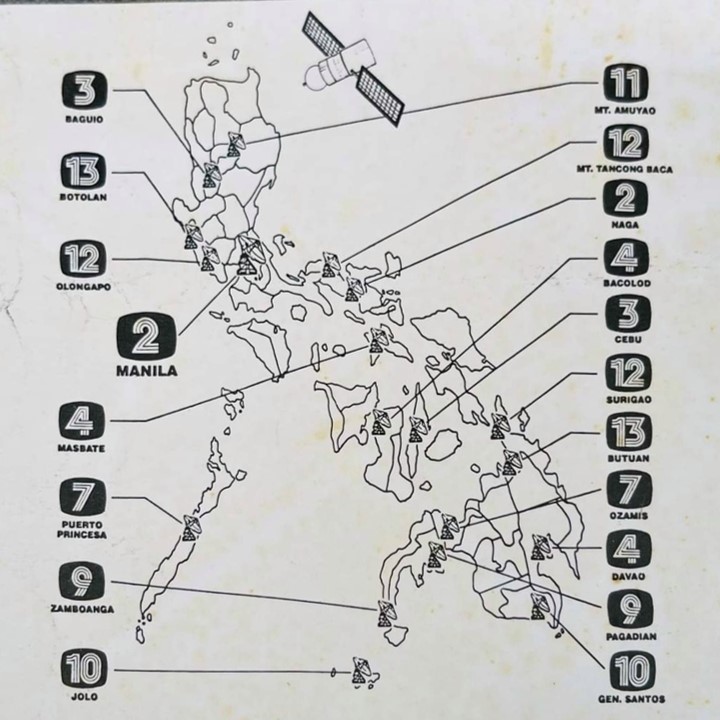
Luzon
- ABS-CBN 2 Manila
- TV-7 Laoag
- TV-11 Vigan
- TV-40 La Union
- TV-32 Dagupan
- TV-46 Alaminos
- TV-11 Abra
- TV-3 Baguio
- TV-11 Mountain Province
- TV-11 Batanes
- TV-3 Tuguegarao
- TV-9 Aparri
- TV-2 Isabela
- TV-11 Bayombong
- TV-13 Cabarroguis
- TV-6 Iba
- TV-13 Botolan
- TV-12 Olongapo
- TV-22 Bataan
- TV-46 Pampanga
- TV-32 Tarlac
- TV-34 Bulacan
- TV-16 Malolos
- TV-12 Meycauayan
- TV-19 Obando
- TV-32 Cabanatuan
- TV-22 Baler
- TV-40 Rizal
- TV-6 Calamba
- TV-46 San Pablo
- TV-32 Tagaytay
- TV-10 Batangas
- TV-38 Lipa
- TV-2 Lucena
- TV-11 Occidental Mindoro
- TV-21 Calapan
- TV-7 Puerto Princesa
- TV-10 Sofronio Española, Palawan
- TV-12 Taytay, Palawan
- TV-19 Brooke’s Point, Palawan
- TV-5 Coron, Palawan
- TV-21 Cuyo, Palawan
- TV-7 Balabac, Palawan
- TV-52 Kalayaan, Palawan
- TV-11 Roxas, Palawan
- TV-12 Taytay, Palawan
- TV-9 Romblon
- TV-10 Daet
- TV-11 Naga
- TV-8 Iriga
- TV-7 Catanduanes
- TV-4 Legazpi
- TV-10 Tabaco
- TV-10 Masbate
- TV-7 Sorsogon
Visayas
- TV-10 Iloilo
- TV-9 Kalibo
- TV-21 Boracay
- TV-44 Antique
- TV-21 Roxas
- TV-4 Bacolod
- TV-8 Bais
- TV-40 Murcia
- TV-7 Cadiz
- TV-26 Sipalay
- TV-3 Cebu
- TV-2 Toledo, Cebu
- TV-13 Barili, Cebu
- TV-7 Siquijor
- TV-9 Bohol
- TV-12 Dumaguete
- TV-13 Biliran
- TV-2 Tacloban
- TV-5 Catarman
- TV-7 Catbalogan
- TV-10 Calbayog
- TV-38 Borongan
Mindanao
- TV-42 Dipolog
- TV-11 Pagadian
- TV-5 Ipil
- TV-3 Zamboanga
- TV-2 Cagayan de Oro
- TV-47 Mambajao
- TV-2 Malaybalay
- TV-4 Iligan
- TV-7 Ozamiz
- TV-2 Marawi
- TV-11 Butuan
- TV-12 Surigao
- TV-26 Tandag
- TV-2 Bislig
- TV-5 Agusan del Sur
- TV-4 Davao
- TV-24 Mati
- TV-23 Baganga
- TV-11 Malita
- TV-50 Tagum
- TV-46 Nabunturan
- TV-3 General Santos
- TV-4 Koronadal
- TV-7 Alabel
- TV-4 Kidapawan
- TV-5 Cotabato
- TV-10 Jolo
- TV-42 Tawi-Tawi
The 24th Southeast Asian Games were held in Nakhon Ratchasima, Thailand, from December 6 to 15, 2007.

The newspaper Philippine Daily Inquirer and radio station DZIQ Inquirer Radio 990 served as the media partner of the 24th Southeast Asian Games in Nakhon Ratchasima, Thailand, from December 6 to 15, 2007, with the help of PLDT's microwave relay dishes for live coverage linking from Manila, Philippines, to Nakhon Ratchasima, Thailand, via satellite. This partnership highlights the significant role that media plays in shaping how events are experienced and reported, especially in the realm of sports.
The Southeast Asian Games (SEA Games), a biennial multi-sport event involving participants from Southeast Asian nations, has been an important platform for athletes to showcase their skills and foster camaraderie among the nations of the region. As the 24th iteration of the games unfolded, the partnership of the Philippine Daily Inquirer and DZIQ Inquirer Radio proved crucial in bringing the excitement of the event to Filipino viewers and listeners. Over the course of ten days, the competition showcased the talents of athletes across a spectrum of sports, including swimming, athletics, and boxing, among others.
The effectiveness of this media partnership was largely attributed to the seamless integration of various technologies. PLDT's contribution to the event not only facilitated the logistics of broadcasting but also ensured that the content delivered to the audience was of high quality. The use of microwave relay dishes, combined with satellite technology, allowed for real-time coverage that connected Filipinos in their homes to the vibrant atmosphere of the games. This capability offered a unique perspective to the audience, allowing them to feel a sense of presence and participation in an event that was thousands of miles away.
With the SEA Games being a key highlight on the regional sports calendar, the involvement of print and broadcast media organizations like the Philippine Daily Inquirer and DZIQ Inquirer Radio was essential. Their coverage did not merely encompass the results of events; it included a broader narrative, enriching the viewer's experience with insights into the athletes’ preparation, backgrounds, and the cultural significance of their performances. Interviews, stories, and behind-the-scenes footage provided audiences with a deeper understanding of the commitment and hard work that goes into athletic excellence.
Beyond the mere logistics of broadcasting, the partnership also held immense cultural significance. The Philippines has a diverse and passionate sports culture, and the SEA Games presented an opportunity to unite the nation in support of its athletes. Coverage by the Philippine Daily Inquirer and DZIQ Inquirer Radio built a sense of national pride, drawing viewers into the stories of atrletes from different backgrounds and experiences. For many, these stories serve as a source of inspiration, encouraging young athletes to strive for excellence both in sports and in their personal endeavors.
The media partnership also played a role in fostering engagement and interaction with the audience. Social media, while still emerging during that time, was beginning to integrate into traditional media strategies. The Philippine Daily Inquirer leveraged this new platform by encouraging reader interaction and debate on various sports topics related to the SEA Games. This engagement facilitated a two-way communication channel between athletes, media, and fans, thereby enhancing the sense of community among them. Such interaction not only kept the spirit of competition alive but also created a platform for fans to express their opinions, share their enthusiasm, and celebrate their athletes' triumphs.
Moreover, the collaboration was indicative of the broader trends in sports journalism and media coverage during that time. As technological advancements continued to reshape how sports were consumed, dedicated media teams worked tirelessly to adapt to the changing landscape. In using satellite links for live broadcasts, not only did they provide immediate information to viewers, but they also addressed the demand for instant updates that characterized the contemporary media consumption habits of audiences. By doing so, they ensured they remained relevant to their audience and empowered them with the information they sought.
Reflecting on the experiences and lessons learned from the 24th Southeast Asian Games, it is clear that media partnerships like that of Philippine Daily Inquirer and DZIQ Inquirer Radio are invaluable not only for the dissemination of information but for amplifying the excitement of international sporting events. These partnerships fulfill a critical role, linking communities through shared experiences, fostering a sense of unity, and celebrating individual and collective achievements. The successful coverage of the SEA Games is a testament to the impact that effective media collaboration can have in enriching the spectator experience.
Looking forward, media entities need to continue to evolve their strategies to adapt to the ongoing changes in technology and viewer preferences. As future SEA Games and other international sporting events approach, the lessons learned from the collaborations of the past can serve as a foundation for even greater coverage, allowing audiences to continue experiencing the excitement and connection that sports inherently provide. Through strategic partnerships, innovation in coverage, and a commitment to engaging narratives, media outlets will be well-equipped to illuminate the stories of the athletes and the spirit of competition for generations to come.


The title of the coverage of the 24th Southeast Asian Games in Nakhon Ratchasima, Thailand from December 6 to 15, 2007 is A Time for Heroes, produced by the production company Airtime Marketing Philippines, Inc. of Tessie Celestino-Howard. The Southeast Asian Games (SEA Games) is a biennial multi-sport event involving participants from Southeast Asian nations and serves as a significant platform for showcasing athletic talent, fostering camaraderie among nations, and promoting regional pride. This particular edition of the games was notable not only for its athletic competition but also for the extensive media coverage it garnered, reflecting the growing importance of sports in the cultural fabric of Southeast Asia.
The event was further enhanced by the collaboration of several sports divisions, including ABS-CBN Sports, GMA Sports, ABC Sports, Solar Sports, and ESPN Asia, which collectively contributed to a comprehensive broadcasting strategy. Each of these media outlets played a crucial role in ensuring that fans across the region had access to live coverage of the events, highlights, and athlete interviews, thus amplifying the excitement surrounding the competitions. With such a wide array of channels involved—ABS-CBN, PTV, ABC, GMA, RPN, QTV, IBC, Studio 23, and CLTV—the games received unprecedented viewership, allowing millions to engage with the spirit of competition and witness the determination and dedication of the athletes firsthand.
The production quality of A Time for Heroes was marked by its attention to detail and commitment to delivering an immersive experience for viewers. The show featured interviews with key figures, including athletes, coaches, and sports officials, providing insights into their experiences, challenges, and aspirations. Such narratives not only captivated the audience but also served to humanize the athletes, making their journeys relatable and inspiring. By showcasing the personal stories behind the competition, the documentary-style segments created a deeper emotional connection with the audience, thereby elevating the overall experience of watching the games.
In addition to the individual athlete stories, the coverage also emphasized the significance of national pride and unity during the SEA Games. The athletes represented not only their respective sports but also their nations, which added an extra layer of intensity to the competitions. The production highlighted the fervent support that athletes received from their fellow countrymen, showcasing crowds of fans who rallied behind their teams with unwavering enthusiasm. By capturing the electric atmosphere of the arenas and the fervor of the spectators, the coverage became a vibrant celebration of regional identity and sporting excellence.
Moreover, the collaboration of multiple broadcasting networks also allowed for diverse perspectives on the events. Each channel brought its unique style of presentation and analysis, enriching the viewer’s experience. From in-depth sports commentary and expert opinions to light-hearted segments celebrating various cultural aspects of the host nation, the coverage comprehensively catered to a wide assortment of viewers, including die-hard sports fans and casual observers. This inclusive approach ensured that the coverage was accessible and engaging to all, regardless of their familiarity with the sports being contested.
The impact of the SEA Games in Nakhon Ratchasima extended beyond just the scope of sports; it also served as a platform for economic and infrastructural development in Thailand. The hosting of such a major regional event necessitated investments in facilities, transportation, and hospitality infrastructure, which can have long-lasting benefits for the host city. The coverage of the games included segments that highlighted these developments, transforming the event into a showcase of Thailand’s capabilities as a host for international sporting events. This blend of sport and socio-economic development illustrated the multifaceted nature of the games and their significance in advancing broader goals.
As the SEA Games continued to grow in popularity over the years, the production of events like A Time for Heroes became increasingly sophisticated. Innovations in broadcasting technology and storytelling methods enhanced how these events were presented on screen. High-definition cameras and advanced graphics brought a new level of detail to the viewer experience, while social media integration allowed viewers to engage with the event in real time. These advancements didn’t just improve the production quality but also expanded the reach of the games, making them accessible to younger, more digitally savvy audiences.
In conclusion, the title A Time for Heroes aptly encapsulated the spirit of the 24th Southeast Asian Games. The extensive involvement of Airtime Marketing Philippines, Inc. and the collaborative efforts of various sports divisions underscore the commitment to showcasing the best of Southeast Asian athletics. By providing a platform that merged high-quality sports coverage with human interest stories and an exploration of national pride, the production contributed significantly to the legacy of the SEA Games. It highlighted how sports can unite nations, inspire individuals, and promote cultural exchange, making this edition of the games an unforgettable event in the region's sporting history. The commitment of the production teams and broadcasters in bringing this vision to life has undoubtedly set a standard for future sports events in Southeast Asia.

The live television coverage of the 2007 SEA Games in Nakhon Ratchasima, Thailand, was aired by the Philippines' ABS-CBN, People's Television Network (PTV), Associated Broadcasting Company (ABC), GMA Network, Radio Philippines Network (RPN), Quality Television (QTV), Intercontinental Broadcasting Corporation (IBC), and Central Luzon Television (CLTV) in partnership with Airtime Marketing Philippines, Inc. and cable sports television network ESPN Asia. During the nine days of the regional sporting event, the said free-to-air television networks preempted regular programming in the morning, afternoon, and evening to give way for the coverage.
TV network resident announcer Peter Musngi, Lloyd Oliver Corpuz, Eric Galang, also known as Chinapaps, Al Torres, Shirley Escalante, Dennis Antenor, Jr, and Yuel Reyes, are doing the 100-day countdown promotional plug for the 2007 SEA Games in Nakhon Ratchasima, Thailand, while Paolo Abrera, Jenny Almazan, Lia Andanar-Yu, Sol Aragones, Julius Babao, Gerry Baja, Dr. Carl Balita, Bro. Jun Banaag, Phoemela Baranda, Maricar Bautista, Cito Beltran, Jeff Canoy, Raya Capulong, Jorge Carino, Jing Castaneda, Angelo Castro, Jr., Willard Cheng, Ginger Conejero, Karmina Constantino, Nina Corpuz, Cheryl Cosim, RG Cruz, Ron Cruz, Bea Cuadra, Karen Davila, Karen de Guzman, Vic de Leon Lima, Katrina Domingo, Ces Drilon, Mario Dumaual, Alvin Elchico, DJ Richard Enriquez, Ted Failon, Gretchen Fullido, Gigi Grande, Agatha Gregorio, Pia Gutierrez, Mico Halili, Paul Henson, Zen Hernandez, Pia Hontiveros, Jon Ibanez, Mon Ilagan, Paige Javier, Lynda Jumilla, Ed Lingao, Maan Macapagal, Twink Macaraig, Johnson Manabat, Tina Monzon-Palma, Henry Omaga-Diaz, Apa Ongpin, Patrick Paez, Stanley Palisada, Amy Perez, Anton Roxas, Kaxandra Salonga, Korina Sanchez, Marlo Sanchez, Alex Santos, Lexi Schulze, Bernadette Sembrano, Boyet Sison, Christopher Sitson, Anthony Taberna, Sherrie Anne Torres, Nadia Trinidad, Bill Velasco, Tony Velasquez, Freddie Webb, Pinky Webb, Luis Pantoja, Mike Navallo, Angel Movido, Ryan Ang, Ina Reformina, and DJ Chacha situated at the Studio 7 of the ABS-CBN Broadcasting Center, Mike Enriquez, Jessica Soho, Mel Tiangco, Jay Sonza, German Moreno, Angelique Lazo, Vicky Morales, Paolo Bediones, Tito Sotto, Ruth Cabal, Nelson Canlas, Arnold Clavio, Mickey Ferriols, Rovilson Fernandez, Mav Gonzales, Ralph Guzman, Rico Hizon, Carlo Ledesma, Jiggy Manicad, Ivan Mayrina, Benjie Paras, Miriam Quiambao, Lhar Santiago, Rhea Santos, Howie Severino, Connie Sison, Emil Sumangil, Valerie Tan, Jay Taruc, Raffy Tima, Mariz Umali, Iya Villania, Ryan Agoncillo, KC Montero, Suzi Entrata, Kara David, Luchi Cruz-Valdes, Ninna Castro, Lyn Ching, Gin de Mesa, Margaux Salcedo, Melissa Gecolea, Arnell Ignacio, Susan Enriquez, Jimmy Gil, Lala Roque, Mark Salazar, Melo del Prado, Joel Reyes Zobel, Tisha Silang, Antoinette Taus, Francis Magalona, Dingdong Dantes, Martin Andanar, Butch Francisco, Vic Sotto, Joey de Leon, Cacai Velasquez, Janno Gibbs, The Eraserheads, Jaya, Michael V., Side A, Verni Varga, Ricky Lo, Lolit Solis, Rudy Fernandez, Bobby Nalzaro, Tek Ocampo, Noly Calvo, Jeja Rose Pornan-Simeon, Orly Mercado, Connie Angeles, Susan Valdez, Mildred Ortega, Gina de Venecia, Rose Clores, Nonoy Zuñiga, Jimmy Santos, Jose Mari Chan and Dolphy was at the Westside Studio of GMA Broadway Centrum and Studio 2 of GMA Network Center, Deo Macalma, Angelo Palmones, Dely Magpayo, Joe Taruc, Andy Verde, Ruth Abao, Malou Cabral, Morly Alinio, Bing Formento, Regi Espiritu, Rey Sibayan, Rommel Fuertes, Edmar Estabillo, Florante Rosales, Dennis Antenor, Jr., Sherwin Alfaro, Dr. Cesar Chavez, Prof. Dody Lacuna, Atty. Cherryl Adami-Molina, Atty. Dodo Dulay, Boy Gonzales, Val Gonzales, Atty. Rica Herra, Thea Pecho Corpuz, JV Ejercito, Teddy Boy Locsin, Atty. Boying Remulla, Henry Uri, Karen Ow-Yong, Jana Abejero, Niño Padilla and Atty. Rhina Seco from the MBC Media Group (MMG) Building, Star City, Vicente Sotto Street, Cultural Center of the Philippines Complex, Roxas Boulevard, Pasay while the color commentators reporting live from Nakhon Ratchasima, Thailand were Marco Benitez, Migs Bustos, Dyan Castillejo, Sam Coloso, Sam Corrales, Sydney Crespo, Apple David, Paolo del Rosario, Andrei Felix, Pauline Gaston, Boom Gonzales, Martin Javier, Ian Laurel, Cesca Litton, Gianna Llanes, Chino Lui Pio, Gretchen Malalad, TJ Manotoc, Angelique Manto, Rox Montealegre, Marc Nelson, Mozzy Ravena, Anne Remulla-Canda, Mikee Reyes, Tricia Robredo, Lance Santiago and Sharon Yu and sports correspondents Gretchen Ho, Renz Ongkiko, Chiqui Roa-Puno and Chino Trinidad.
"Fight for SEA Games crumbs under way."
Peping sees Thai victory, Philippine athletes check in
By Ernesto A. Gonzales, Sports Feature Editor
Published on page A29 in the December 6, 2007 issue of the Philippine Daily Inquirer
Nakhon Ratchasima—At least, the overall winner of the two preceding Southeast Asian Games started to shape up midway through the competition.
This time, however, everybody acknowledges a runaway victory for host Thailand—long before the opening of the 24th edition of the Games, which is set for Thursday at the main stadium of the Nakhon Ratchasima Sports Competition Center here.
"There's no way they're going to lose. It's the birthday of their King," said Philippine Olympic Committee president Jose "Peping" Cojuangco, Jr., who led the first big batch of 591-strong Philippine contingent that arrived here Tuesday
"The fight is for second place."
It was an uninspiring but realistic assessment of the Filipinos' chances in this biennial sports festival which they finally dominated for the first time two years ago on their third stint as hosts.
Like Vietnam, which prevailed in 2003 while setting a record of sorts as the first home team to win on its first hosting stint, the Philippines did not emerge as a serious title contender until after the first few days of competition.
This time, Thailand, the overall runner-up in the last two editions, has been awarded the championship. And it could yet serve as the highlight of the nation's year-long celebration to mark the 80th birth anniversary of King Bhumibol Adulyadej.
The King, who occupies a revered place in the history of the competitio,n was a sailing champion of the Games when it was still known as the Southeast Asian Peninsular Games until 1977-celebrated his birthdayon Wednesday.
With action going full blast here and in Bangkok and Pattaya on Friday, the Thais are already in command with 18 golds, 19 silvers, and seven bronzes in shooting. Singapore was in second with 10 golds, followed by Vietnam with eight victories and Malaysia and Myanmar with two each.
Meanwhile, a 139-man group headed by Philippine Sports Commission chair William "Butch" Ramirez, and including 51-man athletics contingent and the women's basketball team, planed in Wednesday. The third and largest group of 155 will check in on Thursday.
After winning 113 golds in 2005 on top of 84 silvers and 94 bronzes, the Philippines hopes to win at least 485 events to be disputed in 42 sports to secure second place over Vietnam.
Admittedly not as prepared as in 2005, when the president's husband, Jose Miguel Arroyo, raised P 160 million to fund their training, the Filipinos hope to somewhat make it a merry Yuletide season with victories in, among others, both divisions of basketball, which was not held two years ago because the country was under FIBA suspension.
The Filipinos also look forward to churning out outstanding efforts in the pool when Erica Totten, Jaclyn Marissa Pangilinan and Maria Georgina Gandionco will go for Olympic berths; in billiards where Asiad champion Antonio Gabica joins former world 9-ball king Ronnie Alcano and other traditionally rich medal sources like taekwondo, boxing, wushu, traditional boat race and athletics.
The Philippine women's football team took a 0-10 beating at the hands of Vietnam and put its fate in the hands of defending champions.
Joey Berba finished second in the seeding run of mountain cycling behind a Thai, while the two sepak takraw squads in the hoop event were in the middle of the pack after Wednesday's initial action.
The men's team of Danilo Alipan, Harrison Castanares, Joel Carbonilla, Hector Mencarion, and Metodio Suico, Jr. was fourth after two rounds. At the same time, the women's squad of Irene Apdon, Desere Autor, Sarah Jane Catain, Gelyn Evora, and Rhea Padrigo also held forth.
The Opening Ceremony will be held on Thursday at 6 p.m., with Crown Prince Maja Vajiranlongkorn as the guest of honor.
"Missing forms delay Philippine bets in Bangkok"
By Musong R. Castillo
Published on page A29 in the December 6, 2007 issue of the Philippine Daily Inquirer
Nakhon Ratchasima- Several Filipino athletes, part of a big 151-athlete wave to arrive here for the 24th Southeast Asian Games, were held for more than three hours at the Bangkok International Airport on Wednesday because of a mix-up with the local accreditation force.
Photos and application forms needed for the athletes' accreditation could not be found, and the Reception and Protocol Committee of the Games scrambled to give them identification cards at the last minute.
At the Philippine International Convention Center in CCP Complex, Roxas Boulevard, Pasay, Metro Manila, some of the local media journalists needed for accreditation.
That development delayed the Filipinos' arrival at the Olympic Village on the Suranaree University of Technology campus. They checked into the village well into the night.
Members of the Philippine secretariat, led by Eleanor Navarro and Queenie Evangelista, facilitated the acquisition of new accreditation passes for the athletes, who touched down at the Bangkok airport together with Philippine Sports Commission chairman William "Butch" Ramirez.
Ramirez, who was whisked away by the VIP welcoming committee, was the second top sports official after Philippine Olympic Committee president Jose "Peping" Cojuangco.
Cojuangco planed in with more than 140 athletes and officials on Tuesday. They arrived in Korat about 10 p.m. (11 p.m. Manila time).
Update:
"Kahit walang tulugan dito sa PICC, mga kasapi ng media mananatili dito sa Sofitel Philippine Plaza hanggang sa pagtatapos ng 24th Southeast Asian Games sa ika-15 ng Disyembre. Sinusubokan namin na ma-contact ng GMA News." - from Saksi, December 6, 2007 episode
On December 6, 2007, few hours before the live airing of opening ceremony of the 24th Southeast Asian Games in Nakhon Ratchasima, Thailand, some of them who spotted at the central atrium fronting H&M, SM Mall of Asia are SM Prime Holdings, Inc. president and CEO Hans Sy, SM Supermalls president Annie Garcia, Steven Tan, some executives from PLDT, Smart, Maynilad, Meralco, Facebook, Friendster, Multiply, Myspace, Twitter, Tumblr and YouTube, barangay officials and residential families from Pasay, Paranaque, Las Pinas, Bacoor in support of Filipino athletes during the 2007 SEA Games in Nakhon Ratchasima, Thailand.
 |
| SM Prime Holdings, Inc. president and CEO Hans Sy |
 |
| SM Supermalls president Annie Garcia |
In an interview before the live airing of the opening ceremony, Sy told reporters, "They arrived earlier, between 11 a.m., from their homes in Manila (districts of Malate, Ermita, San Andres), Pasay, Paranaque, Las Pinas, and Bacoor to watch the opening ceremony of the 24th Southeast Asian Games in Nakhon Ratchasima, Thailand. Some of them trooped to the activity center of SM malls nationwide."
 |
| Inquirer Lifestyle Series: Fitness.Fashion with Samsung fashion show's guest model Enchong Dee before the in the finals of men’s 100-meter butterfly and he was placed eighth in the finals with the time of 56.87 seconds during the 2007 Southeast Asian Games swimming events in Nakhon Ratchasima, Thailand last Sunday, December 9, 2007. Photos: Louise Gandionco-David/Multiply.com and courtesy of Bench |
December 8 to 9, 2007 and December 11 to 12, 2007, During a five-day swimming competition for the 24th Southeast Asian Games in Nakhon Ratchasima, Thailand with national swimmer and then University of California swimmer Miguel Molina and the fashion show's guest model turned De La Salle University (DLSU) Green Tankers member Ernest Lorenzo "Enchong" Dee, the Pia Cayetano-Paolo Abrera-Marco Protacio affair and the riots at Dee residence in Barangay Horseshoe, Quezon City. A 25-hour overnight vigil was held at the Greenbelt Chapel in Makati City, held on the same day, starting at 7:00 p.m. and ending at 8:00 p.m. of the same day. Dee was in the finals of men's 100-meter butterfly last December 9 and lane 1 of men's 200-meter butterfly finals last December 11, 2007. He was the eighth place finisher in the said event with a time of 2 minutes, 11.47 seconds, and he lost to Filipino-American James Bernard Walsh.


The video conversation starts with the sound of the plane landing and people talking among themselves.
- “Everybody remains on board,” one of them says.
Moments later, a single gunshot rings out, and women are wailing.
- “What happened? What was that?” a woman’s voice asks.
- More gunshots. The wailing becomes louder.
- Then an order from several men: “Inside, inside, inside!”
- “The soldiers… shot Ninoy. He’s dead out there,” a woman cries out.
Burton’s tape records faintly the sound of someone saying, “Eto na (This is it).” Footage shot by a foreign TV crew captures the words now familiar to Filipinos who lived through the events surrounding the Aquino assassination. “Eto na, eto na! Ako na, ako na! Op! Pusila, pusila (This is it, this is it! Let me let me! Shoot, shoot)!”
And then, the gunshot.
What is significant about the tape are the reactions of Aquino’s fellow passengers and the conversations Burton had with them.
Burton apparently kept recording as she discussed with fellow foreign journalists what happened.
Some eight minutes into the tape, Burton is heard saying, “It’s very confusing, I mean, I don’t know.” She then answered more questions from someone who sounded like an American.
- Man: “They shot Ninoy?”
- Woman, presumably Burton: “Yeah.”
- Man: “Where?”
- Burton: “Right at the bottom of the stairs.”
- Man: “When Ninoy was still on it or when…”
- Burton: “No, when he got off. I’m sure he’s dead.”
The tape also captures Burton and her fellow passengers after they had disembarked and ran into people waiting to meet the passengers from the China Airlines flight.
Local journalists who covered the airport at the time had been herded by military men to the entrance to the tube where they were to await Aquino. When they learned of the commotion on the tarmac, they interviewed the disembarking passengers to ask them what happened.
One conversation was that of Burton and a Filipino.
- Man: “What did you see? Who did it?”
- Burton: “Soldiers.”
- Man: “How many of them?”
- Burton: “I don’t know. I think we’d better wait.”
- Man: “Did you recognize him? Aquino?”
- Burton: “Yeah.”
- Man: “What’s your name?”
- Burton: “No, I’m not gonna… this is not the place to talk. We had just seen two assassinations take place right outside our window.”
The tape then records what sounded like Burton comparing notes with fellow foreign correspondents, everyone recalling what they heard and trying to reconstruct the moments when they listened to the shorts.
In one portion of the tape, the conversation turns to who killed Aquino, and Burton points out that a Japanese reporter had seen one of the men in khaki, referring to one of Aquino’s escorts, being the gunman.
But a man contradicts her, saying, “I did not see a man in khaki uniform shoot Aquino.” To this day, the question of who shot Aquino remains subject to debate.
Three personalities along with Samson, Reyes, Claparols, and Eala stayed in the same place for the said event for fifteen days between December 6 to 15, 2007, followed by her father former Philippine Senator Rene Cayetano's 73rd birthday celebration on December 12, 2007, and the welcome the new millennium 2008 between December 31, 2007, and January 1, 2008.
Makalipas na walong taon, kamusta pa ba ang aktor at dating pambansang atleta na si Enchong Dee pagkatapos ng 2007 SEA Games swimming competition sa Nakhon Ratchasima, Thailand noong ika-7 hanggang ika-11 ng Disyembre 2007, 2008 ASEAN University Games sa Kuala Lumpur, Malaysia noong ika-11 hanggang ika-21 ng Disyembre 2008 at 2009 UAAP swimming championships noong Setyembre 24 hanggang 27, 2009 sa Trace Aquatic Center sa Los Banos, Laguna, siya ay naging contestant sa reality show na Pinoy Big Brother na may edisyon na "737" noong Hunyo 2015 at host ng reality show na Pinoy Big Brother na may edisyon na "Gen 11" noong Hulyo 2024 at "Celebrity Collab Edition" noong Marso 2025.
(Eight years later, how is actor and former national athlete Enchong Dee after the 2007 SEA Games swimming competition in Nakhon Ratchasima, Thailand on December 7 to 11, 2007, 2008 ASEAN University Games in Kuala Lumpur, Malaysia on December 11 to 21, 2008 and 2009 UAAP swimming championships on September 24 to 27, 2009 at the Trace Aquatic Center in Los Banos, Laguna, he became a contestant on the reality show Pinoy Big Brother with the "737" edition in June 2015 and host of the reality show Pinoy Big Brother with the "Gen 11" edition in July 2024 and "Celebrity Collab Edition" in March 2025.)


“Unbelievable” is the reply of actor and former UAAP athlete Enchong Dee when asked how he was able to divide his time between his showbiz career, his training, and his studies at DLSU.
It was not easy. There were days that Dee would go without sleep, from taping to the pool just to train. From there, he would go straight to class. But all the hard work paid off in 2007, 2008, and 2009 when he picked up three consecutive MVP awards. In 2009, the 20-year-old actor was honored by the La Salle community for bagging his third MVP trophy and seven gold medals—in the 1,500-meter and 800-meter freestyle, 400-meter and 200-meter individual medley, 200-meter, 100-meter and 50-meter butterfly—thereby powering the DLSU men’s swimming team to it’s first title since 2002.
It was unbelievable, but not impossible. Dee thinks the biggest factor in his success was his ability to manage his time. “I would ask permission from my professors, coaches, and directors,” he says. “I always believe that to have a proper approach to something, it’s important to keep communication lines open. Be straight to the point, but make sure nothing is compromised.”
He misses being part of the UAAP, especially now that he is no longer actively training. Dee is now exclusively devoted to his showbiz career. His latest movie, I Do, in which he starred opposite Erich Gonzales, did well at the box office, and he has several projects lined up. “I miss it [UAAP], especially the preparation,” he says. “I would train with my teammates every morning before going to class. It’s fulfilling when I look back and realize how hard we worked, and how harmonious we moved as a group.”
The win was also memorable because he would see kids look up to him and say they wanted to be like him one day. For Dee, being in a position to inspire other people was one of the best things about being part of the UAAP.
The values he learned in competition—“discipline towards work, perseverance toward a goal, teamwork among my co-workers, working hard and having passion for what I do”—are values that will serve him even now that he is, as they say, “out of the water”.


.jpg)





Epilogue


.jpg)


"In my proposed diary regarding my re-enactment of episode 3, part 3, sequence 1 of Your Song presents Boystown, shot on location at the Olympic-size swimming pool of Makati Aqua Sports Arena, without Coach Daniel portrayed by Romnick Sarmienta, as a solo artist along with my sister Maria Angelika "Anj" Dee, 2010 UAAP Swimming Championships Girls Division MVP Sabrina Ingrid Ilustre, 2022 UAAP Swimming Championships Women's Division MVP Xiandi Chua, 2009 UAAP Swimming Championships Men's Division Rookie of the Year and 2013 UAAP Swimming Championships Men's Division MVP Johansen Benedict "Johan" Aguilar, Joshua Desamero and Adrian Thomas Dionisio, I am the youngest swimmer from Naga, Camarines Sur, turned professional movie and television actor and comedian, dancer, TV commercial, print and ramp model, singer and songwriter, and a student of De La Salle University, Manila campus."





For the 20-year-old Enchong Dee, playing Arnel in the ABS-CBN’s Sunday mid-afternoon drama mini-series, Your Song presents “Boystown”, is seated, using Cofta Ruby 1 Monoblock – Plain White and a starter pack for his hair styling includes Bench Fix Hair Gel, Normal Hold 135g and Bench Fix Hair Wax in Rock Steady 80g, it wears Arena ARN-6015 DGRN Rimic Nux-F, size M and holding Arena AGL-1400 EMBL swimming glass (mirror Swedish type), he does a hair styling and portrait session with hair & makeup artist Nilo Cruz before proceeding to the climb at the swimming block, where he is adjusting the Arena AGL-1400 EMBL swimming glass (mirror Swedish type) to do a men’s 400-meter individual medley, men’s 200-meter butterfly, men’s 100-meter butterfly, men’s 50-meter butterfly, men’s 200-meter individual medley, men’s 800-meter freestyle and men’s 1,500-meter freestyle then Enchong Dee as Arnel was in lane 4 wearing Arena ARN-6015 DGRN Rimic Nux-F, size M and adjusting his Arena AGL-1400 EMBL swimming glass (mirror Swedish type) and his sister Anj Dee is in lane 3 wearing Speedo Fastskin FS-Pro Recordbreaker Costume, Female – Black (8-008153218) and adjusting her Speedo Speedsocket Mirror Goggle - Black (8-705893515) to do a men’s and women’s 400-meter individual medley, men’s and women’s 200-meter butterfly, men’s and women’s 100-meter butterfly, men’s and women’s 50-meter butterfly, men’s and women’s 200-meter individual medley, men’s and women’s 800-meter freestyle and men’s and women’s 1,500-meter freestyle, Enchong Dee as Arnel was in lane 4 wearing Arena ARN-6015 DGRN Rimic Nux-F, size M and adjusting his Arena AGL-1400 EMBL swimming glass (mirror Swedish type) and Johan Aguilar is in lane 5 wearing Agonswim University Athletic Association, University of Florida Mesh Training Suit Fully Front and Back Lined (ACX111510TRS2MES) and adjusting his Speedo Speedsocket Mirror Goggle – Black (8-705893515) to do a men’s 400-meter individual medley, men’s 200-meter butterfly, men’s 100-meter butterfly, men’s 50-meter butterfly, men’s 200-meter individual medley, men’s 800-meter freestyle and men’s 1,500-meter freestyle when Arnel will training with us, before warm-up, to watch a one-on-one game, photo by Ronnie Salvacion, styling by Bang Pineda, makeup by Renato Lu, shot on location at the 50-meter Olympic-size swimming pool of Makati Aqua Sports Arena.
P.S. Big thanks to Dimo for lending his underwater housing!
It uses the Blackmagic Pocket Cinema Camera 4K, Canon EOS C100 Mark II with Dual Pixel CMOS AF & EF 24-105mm f/4L IS II USM Zoom Lens Kit, Ewa-Marine Underwater Housing for Blackmagic Pocket Cinema Camera 4K, and Ewa-Marine V102 Underwater Housing for Canon EOS C100 or C100 Mark II.




“Then, yours truly, Johan Aguilar, Fahad Alkhaldi, Tim Yap, Jheg Gonzales, Roch Santos, Sage Yabut, Aidan Kyle Paggabao, Adrian Dionisio, Joshua Desamero, Zach Maranon, Berber Berino and Sacho Ilustre, FAST – Ateneo Swimming Team members Jessie Lacuna, Axel Ngui, Marco Daos, Wacky Santos, Sean Tan, Evan Brian Uy, Janjan Chiu, Jonas Ramos and Chico Gueco, University of the Philippines (UP) Varsity Swimming Team (UPVST) members Gabe Castelo, Gian Berino, Joseph Gaston Beloso, Tenten Mercado, Yani Reynoso, Allan Jovero, Ken Uy, and Zeus Magbanlac, and University of Santo Tomas (UST) Tigersharks team captain Miggy Carandang and UST Tigersharks members Dexter Docong, Xavier Ilustre, Karlo Salonga, Aljon Salonga, Charles Ivan Yatco and Andrei Nikolai Yambao, have a Goldilocks Mango Dream premium cake with the staff of UAAP Magazine to commemorate the 15th year of my last appearance in the UAAP Swimming Championships holding seven gold medals.”


GMA7's Excessive Pride Should Be Stopped
According to a report in GMA-7's Frontpage, last night, GMA-7 execs and stars hosted the "No.1 Na Tayo, Kapuso!" party for the press and advertising people in a bid to lure investors and other people into the network with GMA-7's own "claim to fame."
It can be remembered that only several GMA-7 programs reached the top spots in the primetime ratings charts in the history of the Rainbow Network this 2004: these are Imbestigador and StarStruck. It was two years since GMA-7 launched an offensive to snatch away the overall No. 1 Philippine TV network spot from ABS-CBN (still called the Star Network), but only had its 2 shows out of the top 10 primetime slots currently. ABS-CBN is still clinging to a vast Metro Manila audience share of 40-50% (in contrast to GMA-7's Metro Manila audience share of 20-35%) and a massive regional share of 70-90%. It's a stark contrast with what happened to ABS-CBN after EDSA Uno, where it took less than 2 years to go back to the overall No. 1 spot for the Philippines' most-watched TV network (having its 10 shows in the top 10 primetime slots), which it had since 1953-1972 and 1986-2004. ABS-CBN still has the trust of their advertisers, being the No. 1 network for 2003.
Claims are virtually ridiculous, malicious and baseless with regards to ABS-CBN conniving with 2 of the world's most trusted TV ratings groups--AGB and AC Nielsen, and with regards to the moving of channels of both ABS-CBN and GMA-7 by some cable operators, who were falsely accused of conniving with ABS-CBN execs, as various reports by the Philippine Star declared so.
While GMA-7 has its Kapuso campaign since October 27, 2002, ABS-CBN still has the Kapamilya campaign, which has been with the network since January 1, 2000. The Kapamilya campaign of ABS-CBN was first done in coinciding with ABS-CBN's two grand events: the network's Philippine Independence Centennial party at Expo Filipino in June 1998, and the nationwide and worldwide multimedia year-end broadcast "The ABS-CBN Worldwide Celebration of the New Millennium" last December 31, 1999 to January 1, 2000.
It can be remembered that only several GMA-7 programs reached the top spots in the primetime ratings charts in the history of the Rainbow Network this 2004: these are Imbestigador and StarStruck. It was two years since GMA-7 launched an offensive to snatch away the overall No. 1 Philippine TV network spot from ABS-CBN (still called the Star Network), but only had its 2 shows out of the top 10 primetime slots currently. ABS-CBN is still clinging to a vast Metro Manila audience share of 40-50% (in contrast to GMA-7's Metro Manila audience share of 20-35%) and a massive regional share of 70-90%. It's a stark contrast with what happened to ABS-CBN after EDSA Uno, where it took less than 2 years to go back to the overall No. 1 spot for the Philippines' most-watched TV network (having its 10 shows in the top 10 primetime slots), which it had since 1953-1972 and 1986-2004. ABS-CBN still has the trust of their advertisers, being the No. 1 network for 2003.
Claims are virtually ridiculous, malicious and baseless with regards to ABS-CBN conniving with 2 of the world's most trusted TV ratings groups--AGB and AC Nielsen, and with regards to the moving of channels of both ABS-CBN and GMA-7 by some cable operators, who were falsely accused of conniving with ABS-CBN execs, as various reports by the Philippine Star declared so.
While GMA-7 has its Kapuso campaign since October 27, 2002, ABS-CBN still has the Kapamilya campaign, which has been with the network since January 1, 2000. The Kapamilya campaign of ABS-CBN was first done in coinciding with ABS-CBN's two grand events: the network's Philippine Independence Centennial party at Expo Filipino in June 1998, and the nationwide and worldwide multimedia year-end broadcast "The ABS-CBN Worldwide Celebration of the New Millennium" last December 31, 1999 to January 1, 2000.
The Evolution of ABS-CBN: A Leading Channel in Philippine Broadcasting
Since its inception on October 23, 1953, ABS-CBN has become one of the Philippines' most influential and enduring television networks. Over the years, it has evolved into a trusted source of news, entertainment, and cultural programming, playing a significant role in shaping the nation’s media landscape.
Throughout its rich history, ABS-CBN has thrived as a network and weathered numerous challenges. From its humble beginnings as the Alto Broadcasting System (ABS) on October 23, 1953, and Chronicle Broadcasting Network (CBN) on September 24, 1956, the network steadily expanded and rebranded as ABS-CBN in 1961, as a television branding before ABS and CBN formally merged and its parent company Bolinao Electronics Corporation became "ABS-CBN Broadcasting Corporation" later on February 1, 1967. From there, it became its place as the leading channel in Philippine broadcasting.
In 1962, ABS-CBN introduced its well-known slogan "The Philippines' Largest Network" after it became the biggest broadcasting network in the country.
In 1964, ABS-CBN used a triangle signifying a transmitter, and in place of four rings, with the box enclosing them, was also a square.
On November 17, 1966, when television started its color broadcast in the Philippines, ABS-CBN made the first 3 rings converted to RGB colors in its logo. The logo was used to promote color broadcasting.
The now-iconic design consisting of three rings, a line, and a square made its debut in May 1968, in time for the inauguration of the ABS-CBN Broadcasting Center on December 18, 1968. Januario Jison Jr. added the black square, Ignacio Vitalis added three rings that represent the three island groups of the Philippines (Luzon, Visayas, and Mindanao), and Eugenio Lopez Jr. added the vertical line (signifying a transmitter), and then said, “There, that’s it," with a square enclosing the symbol. The symbol resembles a lollipop and spinning top toy (trumpo in Filipino).
Wili Fernandez made the font called ABS-CBN Contemera.
The logo was revived in 1986, campaigning with Watch Us Do It Again and promoting the network as The Star Network; however, the 1986 logo was used for some purposes as a secondary logo until 1989.
In 1968, ABS-CBN also unveiled its secondary logo, similar to its 1966 logo, and was used officially to promote color broadcasting.
One of the network’s defining moments came in the 1980s when ABS-CBN played a pivotal role in covering and documenting the People Power Revolution. With its dedicated journalists and reporters on the ground, ABS-CBN provided extensive live coverage of the historical event, allowing the nation and the world to witness the power of the people as they peacefully ousted an oppressive regime.
However, ABS-CBN’s journey has not been without its fair share of trials. In 1972, during President Ferdinand Marcos' declaration of martial law, the network was forcibly shut down and its assets seized. This dark period deprived the Filipino people of their trusted source of information and entertainment.
After the fall of the Marcos regime, ABS-CBN made a triumphant comeback on September 14, 1986. With a renewed sense of purpose and determination, the network embarked on a mission to rebuild and regain the trust of the Filipino audience. It focused on delivering high-quality programming that resonated with its viewers' diverse tastes and interests.
The 1968 color logo underwent slight modifications once ABS-CBN returned to the air on September 14, 1986, months after the events of the EDSA Revolution, which ousted President Ferdinand Marcos. It also introduced its new slogan, “Watch Us Do It Again”, until February 28, 1987.
On March 1, 1987, ABS-CBN introduced its new branding as “The Star Network” with the live musical special, The Star Network: Ang Pagbabalík Ng Bituin (The Return of the Star), which noted the then-brand-new numerical white tri-ribbon channel 2 logo with a white rhomboidal star (from 1988 to 1993 the ribbons were tri-colored in red, green, and blue) as a centerpiece of the network’s revival.
In 1989, ABS-CBN introduced its primary slogan, “In the Service of the Filipino”, but later in 1992, it added “Worldwide” as a secondary use.
ABS-CBN, the Kapamilya network salutes the Filipino Athletes in the 1991 Southeast Asian Games (albeit they never covered the event, that's because PTV Channel 4 exclusively covered the aforementioned event) But anyway, As a publicity tactic, the Kapamilya network unveiled a lineup of shows.


It was also the ABS-CBN’s main terrestrial channel that witnessed major news events unfolding into the new millennium, including the grand ABS-CBN worldwide celebration of the new millennium from December 31, 1999 to January 1, 2000, the Sipadan hostage crisis in Sabah, Malaysia and Jolo, Sulu from April 23, 2000 to September 19, 2000, the Senate impeachment trial of President Joseph Estrada from December 7, 2000, to January 16, 2001, and the peaceful Second EDSA Revolution or EDSA 2 on January 16 to 20, 2001, that ousted President Joseph Estrada and installed Vice President Gloria Macapagal-Arroyo into office.
Over the years, ABS-CBN has expanded its reach beyond free-to-air radio and television, embracing the digital age and establishing a strong online presence. It has created a platform that allows its audience to access their favorite shows and news content conveniently through various digital platforms.
In 2007, ABS-CBN dominated the television scene with an impressive lineup of shows that captured the hearts and minds of viewers across the Philippines. In fact, according to Kantar Media Philippines, a leading media research firm, eighteen out of the top twenty highest rated TV shows that year were produced and aired by ABS-CBN.
This remarkable achievement is a testament to the network’s commitment to delivering top-notch entertainment and engaging content that resonates with the audience. From thought-provoking dramas to entertaining variety shows, ABS-CBN showcased a diverse range of programs that catered to the diverse interests and preferences of Filipino viewers.
The success of ABS-CBN’s shows can be attributed to many factors, including talented actors and actresses who brought their characters to life, creative writers who penned compelling storylines, and skilled directors who beautifully translated the scripts into visually captivating episodes. Additionally, the network’s dedication to quality production values and innovative storytelling techniques also played a significant role in captivating the audience and keeping them hooked.
Notable shows that captured the nation’s attention in 2007 included the heartwarming family drama “Princess Sarah,” the thrilling action series “Lastikman,” and the beloved romantic comedy “My Girl.” These shows not only provided entertainment but also sparked meaningful conversations and touched upon relevant social issues, making them not just forms of escapism but also powerful instruments for change.
ABS-CBN’s dominance in 2007 showcased the network’s ability to consistently produce high-quality programming that resonates with viewers of all ages and backgrounds. It was a year that solidified ABS-CBN’s position as the leading television network in the Philippines, a legacy that continues to this day.
So, whether it was through tear-jerking plot twists, laugh-out-loud moments, or heartwarming stories of love and friendship, ABS-CBN’s shows in 2007 left an indelible mark in the hearts of millions of Filipinos, reminding us of the power of storytelling to connect and unite us all.
On ABS-CBN’s dominance, Jimenez claims that current TV surveys are flawed. He says he does not want to chase higher ratings by following Channel 2 into the realm of “tabloid programming” — sex, crime, violence and gore. “We serve God and humanity through programs that promote faith and values in the communities we serve,” he says. Adds GMA executive vice president Roberto Barreiro: “We try to strike a balance between profit and responsibility.” The network has won the Philippine Movie Press Club (PMPC)’s Star Awards for Television for best station for most balanced and responsible network for nine consecutive years. In 1997, it also bagged the Advertising Board’s first Golden Pearl Best Station Award. “People appreciate our balanced news reporting and public affairs programs so that even if we are not rating as well as our closest competitor, we are getting the advertising support,” says Jimenez.
“We have the more balanced programming — news, current affairs, sports, entertainment, drama, some comedy,” retorts Garcia, now ABS-CBN president and chief operating officer. “It shows in our higher ratings and bigger reach.” He adds that about 85% of the network’s programs are locally made, “the biggest ratio in the industry.” That, Garcia explains, “gives us the edge in controlling costs.” The station, for instance, has trimmed shooting time for a local drama episode to two days, from two and a half. “With foreign programs,” Garcia notes, “you cannot negotiate the price down.” Given a rival in Channel 7, “we’re not complacent.”
In 2009, ABS-CBN began revising its 2000–2009 logo. Executives, including Maria Rosario Bartolome and Robert Labayen, reviewed the brand's visual identity, exploring hundreds of designs. FutureBrand, a Singapore-based firm, was chosen to craft the new logo, which was finalized as a slightly modified version of the 2000 design. This logo was introduced on September 7, 2009, and became the primary logo on January 1, 2010.
The former media giant cited TeleRadyo’s financial losses since 2020 after the Duterte administration ordered the network to cease its broadcast operations.
“TeleRadyo has been incurring financial losses since 2020. Since ABS-CBN can no longer sustain TeleRadyo’s operations, ABS-CBN is left with no choice but to cease the operations of TeleRadyo effective 30 June 2023 to prevent further losses,” the publicly-listed company had said.
I apologize for the brevity of my last answer. Allow me to provide you with a more elaborate response.
In a rather unfortunate series of events, a total of 68 TeleRadyo employees will be displaced by the closure. This highly significant workforce reduction serves as a somber reminder of the continuing financial difficulties that the Lopez-led media and entertainment company has been grappling with. With the closure of TeleRadyo, the number of employees affected reaches an alarming scale.
It is indeed disheartening to witness the repercussions of the Duterte administration’s stance and the House of Representatives’ decision to deny ABS-CBN’s franchise renewal. This pivotal moment in the company’s history led to widespread ramifications, and unfortunately, around half of ABS-CBN’s 11,000 workforce lost their jobs on August 31, 2020.
The aftermath of this significant event not only symbolizes the loss of livelihood for numerous hardworking individuals but also serves as a reminder of the challenges faced by media organizations in today’s evolving landscape. As technology continues to shape the way we consume information and entertainment, traditional media outlets must adapt to changing times and find innovative ways to sustain their operations.
The closure of TeleRadyo marks a poignant chapter in ABS-CBN’s journey, highlighting the importance of resilience and adaptability in an ever-changing media industry. As we reflect on the plight of those affected by these developments, it is crucial to acknowledge their dedication and contributions to the company’s success.
We can only hope that these challenging circumstances will pave the way for new opportunities and a renaissance of media diversity, where both traditional and emerging platforms can coexist, ensuring a vibrant and inclusive media landscape for the benefit of all.
Once again, I apologize for the initial brevity of my response and hope that this expanded explanation provides a more comprehensive understanding of the situation.
ABS-CBN, one of the biggest media networks in the Philippines, faced significant challenges in recent years. The network encountered a major setback in 2020 when it lost its presence on free-to-air TV and radio due to the non-renewal of its franchise. This development severely impacted the company’s financial performance, leading to a substantial net loss of ₱ 13.5 billion for the year.
Unfortunately, ABS-CBN’s financial struggles continued in the following years. The network has been operating in the red, facing the daunting task of managing its enormous debt while striving to regain its competitive position in the industry. While the net losses have shown a declining trend, with ₱ 5.6 billion in 2021 and ₱ 2.6 billion in 2022, the path to recovery remains challenging.
These financial challenges have forced ABS-CBN to make difficult decisions and implement various cost-cutting measures to sustain its operations. The company has focused on streamlining its business strategies, exploring new revenue streams, and optimizing its digital platforms to adapt to the evolving media landscape. ABS-CBN has also invested in producing original content for its streaming services and expanding its presence in the online market to reach a wider audience.
Despite the setbacks, ABS-CBN continues to be a prominent media entity with a rich history of delivering quality entertainment, news, and public service to millions of Filipinos. The company remains committed to its mission of serving the Filipino people and addressing their diverse needs through relevant and engaging content.
As ABS-CBN navigates the complexities of the media industry and strives to regain its financial stability, it enters a period of transformation and adaptation. With its strong brand and dedicated workforce, there is hope that ABS-CBN will overcome these challenges and emerge as a resilient and thriving media organization once again.
It has had to sign various deals with its former competitors, GMA Network, Inc. and MediaQuest Holdings, Inc.’s TV5 Network, Inc., in order to survive.
The primetime drama series of two networks were pushed back for up to two hours.
Subscribe to:
Posts (Atom)