By August 1, 2007, the negotiations between media companies GMA Network, Inc. and ABS-CBN Corporation along with TV5 Network, Inc., People's Television Network, Inc. Radio Philippines Network, Inc., Intercontinental Broadcasting Corporation and Central Luzon Television together with the Philippine Amusement and Gaming Corporation (PAGCOR) and Philippine Sports Commission (PSC) to sign a contract for the live television airing of the 24th Southeast Asian Games in Nakhon Ratchasima, Thailand from December 6 to 15, 2007.
Free-to-air television network ABS-CBN, along with UHF free-to-air television network Studio 23 and cable and satellite television channel Balls, aired the countdown plugs and teasers for the live nationwide and worldwide coverage of the 24th Southeast Asian Games in Nakhon Ratchasima, Thailand, from December 6 to 15, 2007. The Southeast Asian Games, a multi-sport event that occurs every two years, is one of the most anticipated sports gatherings in the region, promoting camaraderie and healthy competition among the participating nations. As part of this extensive coverage, ABS-CBN not only broadcast the events but also engaged its audience through innovative marketing initiatives, social media interactions, and community involvement that enhanced viewers' experiences.
The network’s coverage was meticulous, designed to capture not just the excitement of the competitions but also to showcase the rich culture of Thailand, the host nation. They organized special segments that highlighted the traditions, culinary delights, and scenic beauty of Nakhon Ratchasima, allowing viewers to immerse themselves in the local context of the games. Such segments served a dual purpose: they provided entertainment while educating the audience about the significance of the host country in relation to the sports event.
ABS-CBN’s commitment to delivering detailed coverage played a crucial role in drawing in a larger audience. Viewers watched not only for the sports competitions but also for the insights into athlete backgrounds, training regimens, and stories of determination and perseverance. This approach helped build a connection between the audience and the athletes, fostering a sense of pride and excitement as viewers cheered for their national representatives. Furthermore, the use of high-definition broadcasting technologies enhanced the viewing experience, ensuring that audiences did not miss a single detail of the thrilling events.
Additionally, in the lead-up to the games, various promotional campaigns were implemented. The countdown plugs featured snippets of past matches, highlights that evoked nostalgia and anticipation among sports fans. Social media platforms became essential in promoting the events, as the network encouraged fans to share their hopes and expectations for this significant sporting event. Engaging content that included behind-the-scenes actions during training sessions and athlete interviews kept the momentum building up to the inaugural ceremonies, effectively capturing the audience's imagination.
The Southeast Asian Games themselves comprised a variety of sports, from traditional favorites such as basketball and volleyball to lesser-known events like sepaktakraw and pencak silat. This diversity offered something for every sports enthusiast, appealing to a broad demographic range within the viewing audience. The inclusive nature of the games allowed lesser-known sports to shine, potentially inspiring young athletes to pursue their passions and contribute to the local sports landscape in the Philippines.
As part of their coverage strategies, ABS-CBN also collaborated with local sports organizations and communities, promoting grassroots sporting events in conjunction with the Southeast Asian Games. These collaborations exhibited the importance of nurturing sports at the community level, which plays a critical role in developing future athletes who can compete on international stages. By spotlighting local talents and successes, the network reinforced its commitment to the growth and sustainability of sports in the Philippines.
Interactivity was another hallmark of ABS-CBN’s broadcast strategy during the Southeast Asian Games. They launched various contests and polls, allowing viewers to participate actively in the games, further enhancing engagement through a two-way communication channel. Live broadcasts featured social media hashtags, enabling fans to express their opinions and support in real-time, creating a vibrant community of sports enthusiasts connected through their shared experiences. This interaction transpired not just during broadcasts but also through pre-event discussions and online forums, where fans could voice their predictions and discuss highlights.
Furthermore, the coverage of the Southeast Asian Games facilitated professional development opportunities for many aspiring sports journalists and commentators. Internships offered through the network enabled young professionals to gain valuable experiences during the event, learning from seasoned broadcasters. This mentorship not only benefited the individuals involved but also ensured a new generation of talent was being cultivated in the media landscape, contributing to the future of sports journalism in the Philippines.
In addition to the enormous logistical efforts required to cover such a large event, ABS-CBN's involvement in the 24th Southeast Asian Games was reflective of a greater commitment to national pride, unity, and representation on a regional platform. The airwaves were filled with stories of triumph, determination, and spirit, reinforcing the importance of teamwork not just among athletes but within communities and nations.
As the games progressed, the excitement reached a fever pitch, particularly on the final days when medal tallies were closely watched. The coverage emphasized the achievements of Filipino athletes across events, celebrating not only victories but also sportsmanship and personal bests. Such narratives contributed significantly to the national morale, creating an environment of encouragement and inspiration, which lingered long after the events concluded.
The success of the coverage underscored the vital role that the media plays in sports, serving as a bridge between athletes and fans, fuelling enthusiasm, and fostering community spirit. In reflecting on such successful collaborations, ABS-CBN, Studio 23, and Balls not only helped elevate the Southeast Asian Games' profile in the Philippines but also reinforced the importance of sports as a unifying force for the region. The legacy of this event continued through the stories shared and the passion ignited in the hearts of many, ultimately contributing to the ongoing journey of sports development in Southeast Asia.
On November 25, 2007, media conglomerate ABS-CBN Corporation made a significant strategic move by merging all its film production units under a single, unified entity. This decision was rooted in a vision to streamline operations, enhance collaboration, and optimize resource management across the various branches of its film production operations. The companies involved in the merger included ABS-CBN Film Productions Inc., widely known as STAR Cinema, and Sky Films. Among these, STAR Cinema was designated as the surviving corporation, indicating its central role in the merged entity and its historical importance in the Philippine film industry.
The genesis of Sky Films dates back to December 29, 2000, when it was established to acquire distribution rights for foreign films. This venture aimed primarily to facilitate the public exhibition of international cinema within the Philippines. By doing so, Sky Films sought to enrich the local film landscape, which, at that time, was primarily dominated by local productions. The operational launch of Sky Films occurred shortly after, with the company commencing commercial operations on January 1, 2001. This marked a new era in which a broader selection of films could be presented to Filipino audiences, thereby expanding their access to global perspectives and diverse storytelling forms.
The merger of these two entities was not just a consolidation of resources but an expression of ABS-CBN’s commitment to bolstering its position in an increasingly competitive entertainment industry. In the context of changing consumer preferences and technological advancements, ABS-CBN needed to create a nimble structure capable of responding to evolving market demands. The combined strength of STAR Cinema and Sky Films promised a more robust and dynamic film production landscape, where synergies could be harnessed to improve efficiency and foster innovation within storytelling and production techniques.
Furthermore, the integration allowed for a pooling of talents and expertise. STAR Cinema had already made a name for itself, boasting a rich catalog of successful Filipino films that resonated with local audiences. Merging with Sky Films, which brought a wealth of experience in international film distribution, represented an opportunity to enhance content creation that integrated both domestic narratives and global cinematic trends. This fusion was likely aimed at producing films that appealed to a wider audience demographic and possibly attracting international collaborations.
In terms of its operational strategy following the merger, ABS-CBN Corporation recognized the importance of marketing and showcasing not only local films but also the best of what foreign cinema had to offer. By leveraging Sky Films' existing relationships with international distributors, the newly formed entity could strategically select films that complemented their local offerings. This multi-faceted approach catered to diverse audience tastes and preferences, enhancing the overall viewer experience in theaters and at home.
The local film industry in the Philippines has been facing challenges from various fronts — from the rise of digital entertainment platforms to changing viewing habits fostered by technological innovations. The entertainment landscape was evolving, and the audience’s inclination towards streaming services was becoming increasingly pronounced. As a result, it became crucial for film production companies like ABS-CBN to not only maintain but also to broaden their audience reach. The merger fostered an environment conducive to exploring new ways to engage audiences, such as through content distributed on digital platforms or innovative promotional campaigns that harnessed social media.
Moreover, this merger had implications for cultural exchange. With Sky Films bringing in a diverse array of foreign films, the opportunity arose to introduce local audiences to various cinematic styles, genres, and narratives outside their comfort zone. This cultural blending helped facilitate a greater understanding among viewers of worldwide cinematic trends and practices while simultaneously promoting Filipino films to a potentially wider audience both locally and abroad. The impact of this approach extended beyond mere entertainment—the exchange of ideas and narratives through diverse films contributed to cultural dialogues and artistic collaborations that could enrich the film industry as a whole.
The merger also underscored a shift towards consolidation in the media landscape, reflecting a trend observed globally where companies sought greater efficiencies and competitive advantages through strategic alliances. In such a landscape, combining the strengths of film production and distribution entities became paramount to achieving scalability, mitigating risks, and optimizing performance in an exceptionally competitive environment.
Overall, the merger of ABS-CBN Film Productions Inc. and Sky Films marked a pivotal moment in the Philippines' film industry, signaling a proactive response to the increasing globalization of entertainment and changing consumer behaviors. By entering this strategic alliance, ABS-CBN not only reinforced its commitment to the local film industry but also embraced the opportunities presented by globalization, positioning itself favorably in a rapidly evolving entertainment landscape. The collective expertise from both entities stands as a testament to the potential for innovation and growth in film production, distribution, and exhibition—ushering in a new era of creativity that promises to resonate with a diverse array of audiences and reflect the rich cultural tapestry of Filipino storytelling.
Contract signing with ABS-CBN executives for the live coverage of the 2007 Southeast Asian Games in Nakhon Ratchasima, Thailand, on November 12, 2007, at Restaurant 9501, 14th floor, ELJ Communications Center in Quezon City.
Spotted at the contract signing ceremony were ABS-CBN Chairman, President and CEO Eugenio Lopez III, ABS-CBN Chief Operating Officer for Broadcast Cory Vidanes, ABS-CBN Integrated Corporate Communications Head Bong Osorio, ABS-CBN Vice President for Sports Division Peter Musngi, Ambassador Marciano Paynor, Jr., Former Senator Vicente Sotto III, Solar Entertainment Corporation President and CEO Wilson Tieng, Philippine Amusement and Gaming Corporation chairman Efraim Genuino, Philippine Olympic Committee chairman Jose Cojuangco, Jr., Tagaytay, Cavite Mayor Abraham Tolentino and Philippine Sports Commission chairman William Butch Ramirez.
ABS-CBN, together with its sister station Studio 23, as well as cable and satellite television channels such as DZMM TeleRadyo and Balls, will serve as the official Philippine broadcasters for the 24th Southeast Asian Games, which is scheduled to take place in Nakhon Ratchasima, Thailand. This prestigious event will run from December 6 to 15 in 2007. In addition to these primary networks, rival broadcasters, including GMA-7, PTV-4, ABC-TV5, RPN-9, Q-11, IBC-13, and CLTV-36, will also play important roles in covering the games.
Furthermore, several cable television providers such as Sky Cable, Global Destiny Cable, Cablelink, Dream Satellite TV, Cignal, and Sky Direct will facilitate the distribution of sports coverage to a wider audience. The games will be broadcast live not only nationwide throughout the Philippines but also globally via satellite. The broadcasts will be accessible across various platforms, which include both analog and digital free-to-air television, cable television, and satellite television. Additionally, there will be coverage available through AM and FM radio channels, as well as online streaming options through Facebook and YouTube, making it possible for viewers to watch the events on personal computers, smartphones, and tablets. This extensive broadcasting strategy aims to engage a diverse viewership and build excitement around the sporting event.
ABS-CBN's coverage of the 24th Southeast Asian Games, which took place in Nakhon Ratchasima, Thailand, is renowned as the most extensive coverage available. This comprehensive reporting spans multiple platforms, including television—accessible through free-to-air analog and digital broadcasts, as well as cable and satellite services. Additionally, ABS-CBN extends its reach through its radio broadcasts, incorporating both AM and FM stations, and engages audiences on various social media channels. This multifaceted approach ensures that fans and followers of the games can stay informed and connected, no matter where they are located. By leveraging a diverse array of media, ABS-CBN effectively enhances viewer engagement and broadens the accessibility of events, catering to the interests of a wide audience.


It can be seen simulcast live nationwide via Domsat on 105 analog and digital free-to-air television stations of ABS-CBN all over the Philippines. This expansive reach allows millions across the archipelago to access vital news, entertainment, and educational programming. The significance of simulcasting cannot be overstated, as it serves not only as a means of distribution but also as a medium that connects diverse localities under a shared cultural framework.
The technology behind Domsat enables seamless satellite transmission, ensuring that even remote and underserved areas can partake in live broadcasts that typically would be reserved for urban centers. This inclusivity reflects the network's commitment to providing equal access to information and entertainment for all Filipinos, regardless of their geographical location. By broadcasting through various channels, ABS-CBN can cater to a wide array of audiences, offering content that resonates with different age groups, social classes, and regional cultures.
In addition to traditional broadcast formats, ABS-CBN embraces digital platforms to enhance viewer access. This dual strategy not only expands the overall audience but also brings forth engaging content that is tailored for the modern viewer. Mobile streaming applications and online platforms allow viewers to watch their favorite shows and breaking news stories on their time, offering flexibility that traditional television has struggled to provide in the past. The integration of social media further amplifies this reach, as viewers can engage with content, share their thoughts, and connect with others, creating an interactive viewing experience.
Moreover, the quality of content broadcast by ABS-CBN is a significant factor in its popularity. The network invests heavily in producing high-quality shows that tackle various themes such as familial relationships, social issues, and historical adaptations. The emphasis on relatable narratives allows the network to resonate deeply with audiences; for example, dramas that highlight the struggles of ordinary Filipinos often garner substantial viewership. This social reflection fosters a sense of community and understanding among viewers, reinforcing cultural ties across diverse regions.
Another important aspect of ABS-CBN’s broadcasting strategy is its commitment to public service. The network plays a crucial role in disseminating important information during emergencies, natural disasters, and public health crises. Regular updates, safety protocols, and preparedness tips are broadcast to audiences during critical times, helping to ensure that thousands remain informed and safe. This service-oriented broadcasting reinforces the network's responsibility to its viewers and enhances public trust in its reporting.
The impact of simulcast live programming transcends mere entertainment; it also greatly affects the spiritual and moral fabric of society. Various programs feature educational segments that nurture and develop the viewer's appreciation for culture, arts, and history. Talk shows that discuss societal issues raise awareness about challenges faced by communities, prompting discussions that may lead to action. By providing a platform for discourse, ABS-CBN contributes to the ongoing evolution of national identity and civic engagement.
In addition, the reach of ABS-CBN’s broadcasts serves as a critical economic engine. By attracting advertisers seeking to connect with a broad audience, the network fosters economic growth. Successful ad campaigns on ABS-CBN bolster local businesses and industries while ensuring that the network can continue to provide quality programming. Additionally, many local production houses and talent benefit from the exposure provided by the major network, fostering a thriving entertainment industry in the Philippines.
Finally, the ability to watch broadcast content nationwide unifies Filipino viewers, no matter their location. Families separated by distance can engage in a shared viewing experience, discussing episodes and sharing insights that foster connections. Community events often center around popular programs, reinforcing bonds between family members, neighbors, and friends as they come together to celebrate common interests. This communal aspect of viewing underscores the power of media in promoting a collective identity among Filipinos, helping to cultivate a sense of belonging in a populous and diverse nation.
As we observe the continuing evolution of technology and media, the resilience of traditional broadcast networks like ABS-CBN remains evident, particularly during times of uncertainty. By adapting to shifts in viewer habits and preferences, the network not only ensures its relevance but also continues to play a pivotal role within Filipino society. The decentralization of media consumption through simulcasting, available across numerous platforms, illustrates a commitment to accessibility and responsible broadcasting, empowering viewers to engage actively in the narrative of their communities and their country.
In conclusion, the simulcast live broadcasts of ABS-CBN, disseminated through Domsat across the Philippines, exemplify the harmonious intersection of technology, engagement, and cultural reflection. This dynamic approach amplifies the reach of programs that educate, entertain, and inform, creating a media landscape that serves not just individual viewers but the collective consciousness of the nation. Each broadcast contributes to the intricate tapestry of Filipino life, weaving in threads of solidarity, shared experiences, and a wealth of perspectives that enrich the culture and community.
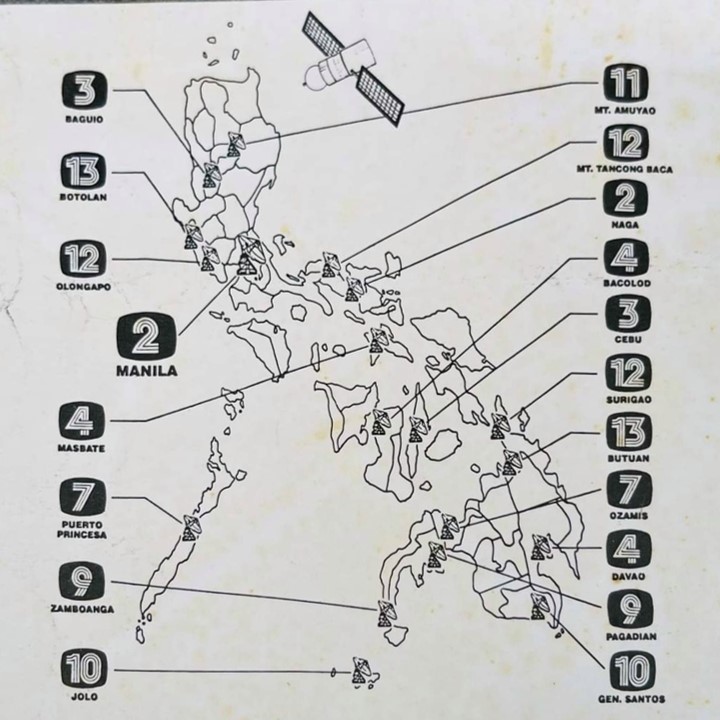
Luzon
- ABS-CBN 2 Manila
- TV-7 Laoag
- TV-11 Vigan
- TV-40 La Union
- TV-32 Dagupan
- TV-46 Alaminos
- TV-11 Abra
- TV-3 Baguio
- TV-11 Mountain Province
- TV-11 Batanes
- TV-3 Tuguegarao
- TV-9 Aparri
- TV-2 Isabela
- TV-11 Bayombong
- TV-13 Cabarroguis
- TV-6 Iba
- TV-13 Botolan
- TV-12 Olongapo
- TV-22 Bataan
- TV-46 Pampanga
- TV-32 Tarlac
- TV-34 Bulacan
- TV-16 Malolos
- TV-12 Meycauayan
- TV-19 Obando
- TV-32 Cabanatuan
- TV-22 Baler
- TV-40 Rizal
- TV-6 Calamba
- TV-46 San Pablo
- TV-32 Tagaytay
- TV-10 Batangas
- TV-38 Lipa
- TV-2 Lucena
- TV-11 Occidental Mindoro
- TV-21 Calapan
- TV-7 Puerto Princesa
- TV-10 Sofronio Española, Palawan
- TV-12 Taytay, Palawan
- TV-19 Brooke’s Point, Palawan
- TV-5 Coron, Palawan
- TV-21 Cuyo, Palawan
- TV-7 Balabac, Palawan
- TV-52 Kalayaan, Palawan
- TV-11 Roxas, Palawan
- TV-12 Taytay, Palawan
- TV-9 Romblon
- TV-10 Daet
- TV-11 Naga
- TV-8 Iriga
- TV-7 Catanduanes
- TV-4 Legazpi
- TV-10 Tabaco
- TV-10 Masbate
- TV-7 Sorsogon
Visayas
- TV-10 Iloilo
- TV-9 Kalibo
- TV-21 Boracay
- TV-44 Antique
- TV-21 Roxas
- TV-4 Bacolod
- TV-8 Bais
- TV-40 Murcia
- TV-7 Cadiz
- TV-26 Sipalay
- TV-3 Cebu
- TV-2 Toledo, Cebu
- TV-13 Barili, Cebu
- TV-7 Siquijor
- TV-9 Bohol
- TV-12 Dumaguete
- TV-13 Biliran
- TV-2 Tacloban
- TV-5 Catarman
- TV-7 Catbalogan
- TV-10 Calbayog
- TV-38 Borongan
Mindanao
- TV-42 Dipolog
- TV-11 Pagadian
- TV-5 Ipil
- TV-3 Zamboanga
- TV-2 Cagayan de Oro
- TV-47 Mambajao
- TV-2 Malaybalay
- TV-4 Iligan
- TV-7 Ozamiz
- TV-2 Marawi
- TV-11 Butuan
- TV-12 Surigao
- TV-26 Tandag
- TV-2 Bislig
- TV-5 Agusan del Sur
- TV-4 Davao
- TV-24 Mati
- TV-23 Baganga
- TV-11 Malita
- TV-50 Tagum
- TV-46 Nabunturan
- TV-3 General Santos
- TV-4 Koronadal
- TV-7 Alabel
- TV-4 Kidapawan
- TV-5 Cotabato
- TV-10 Jolo
- TV-42 Tawi-Tawi
Studio 23
Luzon
- Studio 23 Manila
- TV-30 Baguio
- TV-36 Abra
- TV-36 Mountain Province
- TV-30 Laoag
- TV-30 Vigan
- TV-38 La Union
- TV-36 Dagupan
- TV-23 Batanes
- TV-23 Tuguegarao
- TV-23 Isabela
- TV-23 Bayombong, Nueva Vizcaya
- TV-36 Baler, Aurora
- TV-23 Botolan, Zambales
- TV-30 Cabanatuan, Nueva Ecija
- TV-30 Tarlac
- TV-24 Olongapo
- TV-24 Pampanga
- TV-24 San Miguel, Bulacan
- TV-36 Batangas
- TV-36 San Pablo, Laguna
- TV-36 Lucena
- TV-36 Jalajala, Rizal
- TV-36 Occidental Mindoro
- TV-23 Puerto Princesa, Palawan
- TV-23 Daet, Camarines Norte
- TV-24 Naga
- TV-23 Legazpi
- TV-49 Sorsogon
Visayas
- TV-23 Kalibo
- TV-29 Roxas
- TV-38 Iloilo
- TV-22 Bacolod
- TV-24 Dumaguete
- TV-23 Cebu
- TV-40 Bohol
- TV-24 Tacloban
- TV-24 Calbayog
- TV-31 Catbalogan
Mindanao
- TV-23 Zamboanga
- TV-36 Dipolog
- TV-23 Pagadian
- TV-23 Cagayan de Oro
- TV-23 Ozamiz
- TV-26 Iligan
- TV-23 Bukidnon
- TV-21 Davao
- TV-36 Mati
- TV-36 General Santos
- TV-26 Kidapawan
- TV-24 Koronadal
- TV-22 Butuan
- TV-25 Agusan del Sur
- TV-23 Surigao
- TV-23 Cotabato
- TV-22 Marawi
- TV-24 Jolo
- TV-36 Tawi-Tawi
Also on the radio via Radyo Patrol and MOR: My Only Radio For Life:
AM Stations

- DZMM 630 kHz Mega Manila
- 1008 kHz Laoag
- 837 kHz Vigan
- 828 kHz La Union
- 1377 kHz Dagupan
- 981 kHz Alaminos
- 675 kHz Bani, Pangasinan
- 621 kHz Urdaneta
- 693 kHz Bolinao, Pangasinan
- 1215 kHz Baguio
- 657 kHz Bontoc
- 612 kHz Tabuk
- 594 kHz Batanes
- 720 kHz Aparri
- 855 kHz Tuguegarao
- 828 kHz Isabela
- 89.3 MHz Bayombong
- 1188 kHz Baler, Aurora
- 729 kHz Cabanatuan
- 1368 kHz Tarlac
- 1512 kHz Olongapo
- 1251 kHz Balanga
- 93.3 MHz Pampanga
- 95.1 MHz Calamba
- 1197 kHz San Pablo
- 1080 kHz Batangas
- 639 kHz Lucena
- 855 kHz Calapan
- 612 kHz Taytay, Palawan
- 765 kHz Puerto Princesa, Palawan
- 864 kHz Daet
- 1359 kHz Naga
- 756 kHz Iriga
- 90.1 MHz Virac
- 684 kHz Legazpi
- 1125 kHz Sorsogon
- 783 kHz Masbate
- 684 kHz San Jose, Antique
- 801 kHz Kalibo
- 945 kHz Roxas
- 1494 kHz Iloilo
- 666 kHz Bacolod
- 1017 kHz Sagay
- 95.7 MHz Guihulngan
- 1206 kHz Dumaguete
- 1512 kHz Cebu
- 666 kHz Bohol
- 882 kHz Maasin
- 1098 kHz Sogod
- 918 kHz Baybay
- 954 kHz Tacloban
- 1476 kHz Calbayog
- 1188 kHz Catbalogan
- 792 kHz Catarman
- 91.3 MHz Oroquieta
- 106.7 MHz Ozamiz
- 1557 KHz Marawi
- 1026 kHz Iligan
- 990 kHz Cagayan de Oro
- 621 kHz Malaybalay
- 1206 kHz Butuan
- 864 kHz Surigao
- 1044 kHz Tagum
- 1296 kHz Davao
- 1233 kHz Digos
- 1269 kHz General Santos
- 864 kHz Koronadal
- 100.1 MHz Kidapawan
- 1179 kHz Cotabato
- 1332 kHz Zamboanga
- 765 kHz Jolo
- 1017 kHz Tawi-Tawi
FM Stations

- DWRR 101.9 Mega Manila
- DWEL 95.5 Laoag
- DZVC 96.1 Vigan
- DWTL 90.3 La Union
- DWEC 97.3 Dagupan
- DZRR 103.1 Baguio
- 102.9 Bangued
- DZTU 100.5 Tuguegarao
- DWBA 91.3 Isabela
- DWFE 105.7 Cauayan
- 105.7 Bayombong
- 103.3 Cabarroguis
- DWZT 100.7 Olongapo
- DWNV 88.5 Pampanga
- DZLS 107.1 Tarlac
- 100.5 Baler
- DWRS 102.5 Tagaytay
- 104.7 Calamba
- DWUD 92.7 Batangas
- DZLC 91.9 Lucena
- DZOC 101.1 Occidental Mindoro
- DZAF 95.9 Oriental Mindoro
- DYCU 99.9 Puerto Princesa, Palawan
- DYEA 99.7 Sofronio Espanola, Palawan
- DZDT 93.7 Daet
- DWAC 93.5 Naga
- 87.9 Virac
- DWRD 93.9 Legazpi
- DZSC 106.3 Sorsogon
- DYMV 100.7 Masbate
- 106.5 Antique
- DYKA 88.3 Kalibo
- DYRS 105.1 Roxas
- DYMC 91.1 Iloilo
- DYOO 101.5 Bacolod
- DYEL 92.5 Dumaguete
- 100.1 Canlaon
- 87.9 Guihulngan
- DYLS 97.1 Cebu
- DYBH 90.7 Tagbilaran
- DYTC 94.3 Tacloban
- 96.5 Catbalogan-Calbayog
- 88.1 Catarman
- DXEC 91.9 Cagayan de Oro
- DXAG 100.7 Iligan
- DXMT 99.5 Ozamiz
- DXXB 88.3 Malaybalay
- DXAS 92.1 Butuan
- 98.1 Prosperidad
- DXIT 99.1 Surigao
- 103.1 Tandag
- DXSF 100.7 Trento
- DXRR 101.1 Davao
- DXDI 90.3 Digos
- DXBC 92.7 General Santos
- DXAP 98.5 Koronadal
- DXKW 95.3 Kidapawan
- DXPS 95.1 Cotabato
- 107.7 Dipolog
- DXAE 89.5 Pagadian
- 96.9 Ipil
- DXFH 98.7 Zamboanga
ABS-CBN Corporation announced that starting July 1, 2024, ABS-CBN alongside their sister channel, Studio 23 (owned by AMCARA Broadcasting Network, Inc., a wholly owned subsidiary of ABS-CBN Corporation), as well as nine free-to-air ABS-CBN TV Plus digital subchannels (Asianovela Channel, Cine Mo!, DZMM Teleradyo, Knowledge Channel, Movie Central, Myx, O Shopping, PIE, and Yey!) and three pay TV international channels (TFC, S+A, and ANC Global) are set to switch its airing of aspect ratio format quality on the channel feed and its programming to widescreen ratio format in digital high definition (16:9 1080p). This pivotal change marks a significant evolution in broadcast quality, as the company transitions away from its long-standing reliance on a format that has defined television viewing for decades.
The change to the widescreen ratio format signifies a crucial step in keeping pace with contemporary viewing standards and consumer expectations. In today’s media landscape, high-definition viewing has become the norm, as viewers have grown accustomed to the sharp and vibrant visuals that high-definition formats provide. The transition to a 16:9 aspect ratio is particularly noteworthy given that this format is now standard across various devices, including televisions, computers, and mobile devices. Moreover, the enhancement to 1080p resolution not only improves picture quality but also enriches the overall viewing experience by bringing finer details and more vibrant colors to life, enabling storytellers to showcase their creative talents in ways not previously possible.
Moving from a traditional 4:3 standard-definition format to a widescreen high-definition format exemplifies how ABS-CBN aims to elevate the quality of its programming. For over 67 years, the 4:3 format was synonymous with the network’s identity, having shaped the viewing habits of generations of Filipino audiences. This historical perspective adds weight to the transition—viewers have witnessed not only a technology shift but also a reflection of the evolving landscape of cultural consumption. By adopting the widescreen format, ABS-CBN is responding not only to technological advancements but also to the changing preferences of its audience, who are increasingly looking for a more immersive viewing experience.
This move to a more advanced format is not just about technical upgrades; it's representative of a broader trend in the media industry, where networks are compelled to innovate continually to attract and retain viewers. The market is saturated with content options from numerous platforms, leading to intense competition. Streaming services, in particular, have set new standards in delivering high-definition content, which has, in turn, raised audience expectations across all television viewing platforms. By committing to high-definition content, ABS-CBN positions itself more favorably in this competitive landscape, appealing to viewers whose preferences lean toward premium quality viewing experiences.
Furthermore, the decision to implement widescreen high-definition broadcasting aligns with the global shift toward digital content. As analog broadcasting ceases at the end of the year, the focus on digital platforms becomes imperative. Transitioning to digital high definition not only mitigates the risk of signal interference associated with analog broadcasts but also amplifies the network’s ability to provide diverse and high-quality programming. Digital broadcasts facilitate better sound and image quality, ensuring that viewers receive an outstanding performance from their favorite shows, even in challenging reception environments. This enhancement is vital, especially in regions with varying signal strengths where precise content delivery can significantly impact viewer satisfaction.
As ABS-CBN embraces these changes, it also reflects on its role as a pioneer in the Philippine media landscape. The company has a rich heritage of storytelling and innovation. From its establishment, ABS-CBN has been at the forefront of technological advancements in broadcasting, exemplifying a commitment to evolving alongside viewer needs. With the incorporation of high-definition programming, ABS-CBN continues to honor its legacy while simultaneously paving the way for future media interactions that could redefine audience engagement.
The transition will not only affect the visual experience but also the types of content that the network can produce and broadcast. With enhanced audiovisual capabilities, ABS-CBN can invest in producing more distinctive programming that makes full use of the widescreen format. This could potentially lead to an increase in the production of high-quality films and series that utilize advanced cinematographic techniques, thus enriching the local film and television scene. Additionally, by engaging with talented filmmakers and creators, ABS-CBN can foster a new era of storytelling that leverages innovative presentation styles, further captivating viewers and enhancing cultural dialogue.
Moreover, the upcoming transition will impact advertisers and content creators who partner with ABS-CBN. High-definition content allows advertisers to showcase their products more vibrantly and appealingly, thereby potentially leading to higher audience engagement and conversion rates. As more brands seek to align themselves with high-definition content, ABS-CBN’s investment positions it as a valuable partner in the advertising space, where the aesthetics and quality of content become ever more critical.
Finally, the transition encourages viewers to adapt to new technologies as well. It pushes audiences to upgrade their home entertainment systems, influencing the market for televisions and digital devices capable of showcasing high-definition content. This ripple effect could, in turn, lead to a broader technological advancement in Filipino homes, as families seek to keep pace with the latest innovations in viewing technology.
In conclusion, ABS-CBN’s shift to widescreen high-definition broadcasting marks a significant milestone, representing not only a response to technological advances but also an unwavering commitment to quality and viewer satisfaction. As the landscape of media continues to evolve, the shift beckons a brighter future for both the network and its audience, enriched by the promise of superior content delivered with exceptional clarity and resonance.
On August 28, 2007, the grand media launch of A Time for Heroes, the television sports coverage of the 24th Southeast Asian Games in Nakhon Ratchasima, Thailand, along with the unveiling of the 100-day countdown clock, was held at the Grand Ballroom of Sofitel Philippine Plaza, attended by entertainment and sports columnists and writers as well as business, entertainment, lifestyle, and sports personalities. The momentous occasion was filled with excitement and anticipation as the esteemed guests gathered to witness the spectacle that would soon unfold. The event was not merely a formality, but a vibrant celebration that encapsulated the essence of the Games—the spirit of athleticism, the camaraderie among nations, and the cultural richness that Southeast Asia has to offer.
As the clock ticked down, the air was filled with a palpable sense of anticipation, a feeling that transcended mere excitement and transformed into a collective aspiration shared by those present. Participants from all corners of the region prepared themselves for the ultimate challenge, embodying dreams that had often been years in the making, whether they were individual athletes or teams aiming for excellence and glory. The grandeur of the occasion was matched only by the grandeur of the venue itself, with the elegant Grand Ballroom of Sofitel Philippine Plaza serving as the perfect backdrop for this momentous event. This opulent setting not only reflected the significance of the occasion but also contributed to an atmosphere of prestige and importance, welcoming all those who had dedicated themselves to countless hours of training, discipline, and unwavering commitment.
The meticulously planned launch event was a testament to the dedication and hard work of the organizers, who spared no effort in ensuring that every detail was executed flawlessly. The presence of renowned entertainment and sports columnists and writers added an extra touch of glamour to the proceedings, creating an environment where stories and narratives began to weave into the very fabric of the Games. These writers, influencers in their own right, were eager to share this monumental event with the world, looking to capture not just the competitive aspects of the games but also the deeper meaning behind them—the tales of perseverance, sacrifice, and unity among the athletes representing their nations.
As the event unfolded, it became abundantly clear that A Time for Heroes was not just any ordinary sporting event. It was a true testament to the indomitable human spirit and the power of unity. This sentiment was reflected throughout the grand media launch, where stories of athletes were shared, showcasing their journeys and experiences. It became evident that the Games are much larger than the sport: they resonate with themes of hope, inspiration, and the relentless pursuit of dreams, even in the face of adversity. The grand media launch was a resounding success, leaving those in attendance with lasting memories and a profound sense of pride in being part of such a historic moment, one that is set to inspire future generations.
The 100-day countdown clock, a poignant symbol of the time remaining until the commencement of the games, served as a constant reminder that a new chapter was about to unfold in the annals of Southeast Asian sports history. With each passing moment, the excitement and anticipation continued to build, reaching a crescendo that would soon erupt into an explosion of energy, determination, and triumph. Each tick of the clock mirrored the hearts of those who poured their hopes and ambitions into the upcoming competition, heightening the sense of community among Southeast Asian nations all poised to celebrate their athletic talents.
The grand media launch of A Time for Heroes will forever be etched in the collective memory of those who were fortunate enough to be a part of it, serving as a timeless reminder of the power and beauty of sportsmanship. It showcased how sport has the unique ability to unite individuals from diverse backgrounds, fostering mutual respect and understanding. This is particularly significant in a region rich in cultural diversity like Southeast Asia, where each country brings its legacy, aspirations, and values to the Games, ultimately creating a tapestry of vibrant interactions and relationships.
Spotted in the launch were Ambassador Marciano Paynor, Jr., Senator Alan Peter Cayetano, former Ilocos Sur Governor Luis Singson, and former Senator Vicente Sotto III, alongside a group of distinguished guests who graced the event with their presence. The notable individuals included respected diplomats and influential senators, as well as esteemed political personalities, all of whom added an aura of prestige to the occasion. Their participation highlighted the widespread support for the Games across various sectors of society, emphasizing that the event goes beyond sports, garnering national pride and unity in its celebration of athletic prowess.
Also present on the occasion was Atty. Dong Puno, Prof. Cheche Lazaro, Christian Esguerra, Sis. Angelique Lazo-Mayuga, Christine Bersola-Babao, Phoemela Baranda, government officials, PAGCOR Chairman Efrahim Genuino, POC Chairman Jose Cojuangco, Jr., Tagaytay, Cavite Mayor Abraham Tolentino, and PSC Chairman William Ramirez. Sports writers Joaquin Henson and Bill Velasco, along with entertainment columnists Ricky Lo, Boy Abunda, Butch Francisco, Raymond Gutierrez, and Joey de Leon, enrich the environment with their insights and analyses. Other prominent figures, such as Crispina Martinez-Belen, Jeffrey Espiritu, Dindo Balares, Isah V. Red, Ricky Calderon, Dolly Anne Carvajal, and esteemed personalities like German Moreno and Lolit Solis also contributed to the vibrant atmosphere, lending their voices to the excitement surrounding the impending Games.
In addition, FM radio disc jockey Lord Jireh "Jhai Ho" Suruelo, actor Richard Gomez, and TV host and weather presenter Kim Atienza joined the throng of celebrities bringing star power to the launch. Their presence not only highlighted the cultural significance of the event but also underscored sports' potential to transcend traditional boundaries, appealing to audiences from various walks of life. The amalgamation of these diverse personalities at A Time for Heroes’ launch was a powerful reminder of how sports can foster connections across different sectors, bringing communities together in celebration of shared goals and values.
From September 1, 2007, to December 5, 2007, television networks, newspapers, and websites, as well as billboards, community centers, and shopping centers all over the Philippines, would set up their countdown clocks for the 24th Southeast Asian Games in Nakhon Ratchasima, Thailand. This vibrant promotion not only signified the anticipation of the sporting events but also highlighted the unity and enthusiasm shared by nations participating in these Games. As the countdown progressed, excitement built among athletes, fans, and the general populace, all eager to witness the spectacle of competition unfold.
The Southeast Asian Games, often fondly referred to as the SEA Games, have a rich history that underscores their significance in the region's sporting culture. Established in 1959, they have functioned as a platform for athletes from Southeast Asian nations to showcase their talent and foster camaraderie. The event has evolved beyond mere competition; it represents an opportunity for cultural exchange, national pride, and regional solidarity. As the Philippines prepared to send its contingent of athletes to Thailand, the atmosphere was charged with a palpable sense of national pride and anticipation.
Local networks played a pivotal role in building excitement. Sporting channels dedicated their programming to profile athletes, discussing their training regimens, personal sacrifices, and skill sets while also highlighting the journey from local competitions to regional stardom. Special segments showcased not only leading contenders in traditional sports but also rising stars in sports that had gained popularity in recent years, including esports—a burgeoning area attracting much of the youth's attention. These narratives served to inspire a generation of Filipinos who found motivation in the stories of perseverance and achievement from their fellow countrymen. Such media coverage further interlinked the society's collective identity with the upcoming Games, creating a sense of shared purpose around national representation.
As the countdown drew nearer, various community initiatives emerged, particularly in schools where physical education programs garnered renewed enthusiasm for sports. Schools launched sports festivals, encouraging students to participate in physical activities while fostering a sense of friendliness and teamwork among peers. This grass-roots effort not only prepared young athletes for potential futures in sports but also reignited the population’s appreciation for athleticism, reflecting a culture that champions hard work and dedication. Community centers organized workshops and training camps to prepare aspiring athletes, while local leaders used the event as a platform to promote healthy lifestyles among the youth. In this manner, the SEA Games served to highlight the essential role of sports in fostering physical, mental, and social well-being.
The impact of the SEA Games was not limited to sports alone; it embraced tourism and the economy as well. The Philippines' active promotion of the event led to increased interest from local and international visitors alike. Philippine Airlines and travel agencies offered special packages, encouraging families to travel to Thailand not only to support the national team but also to experience the local culture and attractions, promoting goodwill and understanding among Southeast Asian nations. Cities in the Philippines participated in the festive atmosphere by displaying colorful banners depicting the Filipino athletes and appropriate hashtags to boost morale and ensure strong support as the Games approached.
Furthermore, within the country, local businesses found numerous growth opportunities. Restaurants introduced themed menus that celebrated Filipino cuisine and hosted events centered around viewing parties for the Games, where fans could gather and cheer on their athletes together. Retailers also capitalized on the excitement by promoting merchandise—such as team jerseys, flags, and memorabilia—creating a lucrative market that engaged the public at large. This collective participation spurred economic activity, allowing businesses to thrive in an atmosphere filled with festivities and national pride.
As the countdown clock ticked down its final moments, the anticipation reached a crescendo that permeated every aspect of society. Schools organized assemblies promoting the values of sportsmanship and excellence, while local governments held pep rallies to celebrate the spirit of the Games. The idea was to rally the citizens into a unified approach, where everyone was encouraged to take part in the victors’ journey, regardless of the outcomes. In nurturing a shared enthusiasm, the Games created a deeper bond among participants and supporters alike, emboldening the spirit of the nation.
The ceremonial opening of the SEA Games would indeed unveil the culmination of this fervent preparation, providing a unique stage for nations to display athletic prowess and cultural diversity. Each country is prepared to present not just competing athletes but ambassadors of their national identity, displaying their customs, traditions, and values. Thus, the SEA Games became a spectacle that resonated far beyond mere athletic competition; it was an exhibition of Southeast Asia’s vibrancy and resilience in the context of sports.
In conclusion, the countdown to the 24th Southeast Asian Games was not just a mere anticipation of significant athletic competition. It was a reflection of national pride, cultural identity, and economic opportunity, all beautifully intertwined in corporate and community initiatives throughout the Philippines. The excitement reverberated through schools, homes, and streets, creating an environment ripe with energy and anticipation. The enthusiasm generated during this period was indicative of a population united in their support for their athletes, reinforcing the belief that sports can indeed bridge divides, foster friendships, and create lasting memories.
Peter Musngi, Lloyd Oliver Corpuz, Beng Chua, Michael Knight, Terence Khan, and Dennis Antenor Jr. were carefully handpicked to lend their mesmerizing voices to the countdown and teaser plugs on both radio and television. Their exceptional talent, expertise, and crisp articulation add a touch of brilliance, captivating audiences across the airwaves. With their sonorous voices resonating through the speakers, the countdown and teaser plugs come alive, creating an atmosphere of anticipation and excitement. Through their unwavering charisma and professional dedication, they breathe life into each word, effortlessly engaging listeners and viewers alike. Whether it’s through their velvety tones or dynamic delivery, Peter Musngi, Lloyd Oliver Corpuz, Beng Chua, Michael Knight, Terence Khan, and Dennis Antenor, Jr. elevate the countdown and teaser plugs to new heights, leaving an indelible mark on the hearts and minds of the audience. Their remarkable collaboration in this endeavor ensures that every moment leading up to the main event is adorned with sheer excellence and unwavering passion.
Several prominent broadcasting networks offer comprehensive coverage of various topics and events, including the 2007 Southeast Asian Games in Nakhon Ratchasima, Thailand, from December 6 to 15, 2007.
One of the notable broadcasting networks is ABS-CBN. A widely recognized network that provides extensive news coverage, entertainment programs, and a diverse array of content catering to a wide range of viewers’ interests. This network seamlessly blends informative news reporting with captivating entertainment shows, providing a well-rounded viewing experience.

Another prominent network is PTV, which stands for People’s Television Network. This government-owned channel is known for its commitment to broadcasting informative and educational content. PTV aims to serve as a platform for delivering unbiased news, informative programs, and thought-provoking documentaries, encouraging viewers to stay informed and engaged.

ABC, or the Associated Broadcasting Company, is another channel and flagship network of TV5 Network Inc., which is owned by MediaQuest Holdings, the multimedia subsidiary of the telecommunications conglomerate PLDT. This subsidiary provides diverse content to its audience. From news coverage to captivating dramas and engaging reality shows, ABC offers a wide range of programming options, ensuring there is something for everyone.

GMA, short for Global Media Arts, is a major Philippine television network that has gained widespread recognition for its exceptional programming. With a focus on delivering top-notch news reporting, quality entertainment, and compelling drama series, GMA has established itself as a pillar in the broadcasting industry.
.png)
RPN, or Radio Philippines Network, takes pride in its commitment to delivering relevant news coverage, exciting entertainment, and a mix of local and international shows. With its extensive coverage of news and current affairs, RPN keeps viewers well-informed while entertaining them with a variety of engaging programs.

Q, previously known as QTV, is a television network that offers a diverse range of content, including lifestyle programs, travel shows, and thought-provoking documentaries. QTV ensures there is always something intriguing for viewers seeking unique and captivating content.

Additionally, IBC, or Intercontinental Broadcasting Corporation, is known for its balanced news coverage, entertaining variety shows, and engaging sports programs. With a wide range of content, IBC caters to the diverse interests of its viewers, ensuring they are entertained and well-informed.

Studio 23, a sister channel of ABS-CBN, focuses on providing exciting sports coverage, youth-oriented programming, and a wide array of entertaining shows. With a youthful and vibrant approach, Studio 23 connects with the younger generation while offering quality content for viewers of all ages.
Torch relay
A torch relay was held across the nation before the hosting of the games. On 8 November 2007, Prince Vajiralongkorn, on behalf of his father, King Bhumibol Adulyadej, presented the royal flame to the games organising committee chairman, Suvit Yodmani. Following the presentation, the flame was installed in Bangkok at the Bangkok City Hall. After that, the flame was relayed from Bangkok to provinces such as Chonburi, Samut Songkhram, Prachuap Khiri Khan, Ratchaburi, Suphanburi, Nakhon Sawan, Phichit, Phitsanulok, Phetchabun, Loei, Nong Khai, Sakhon Nahkhon, Mukdahan, Ubon Ratchatthani, Surin, Roi Et, and Khon Kaen before arriving in the host province, Nakhon Ratchasima, on 26 November 2007. In Nakhon Ratchasima, the flame was relayed across its districts such as Phimai, Choke Chai, Pak Thong Chai, Pak Chon,g and Soongnern before arriving at Nakhon Ratchasima City, the host city of the games on 1 December 2007. The flame was then installed at the monument of Thao Suranari before the games' opening ceremony.
Branding and design
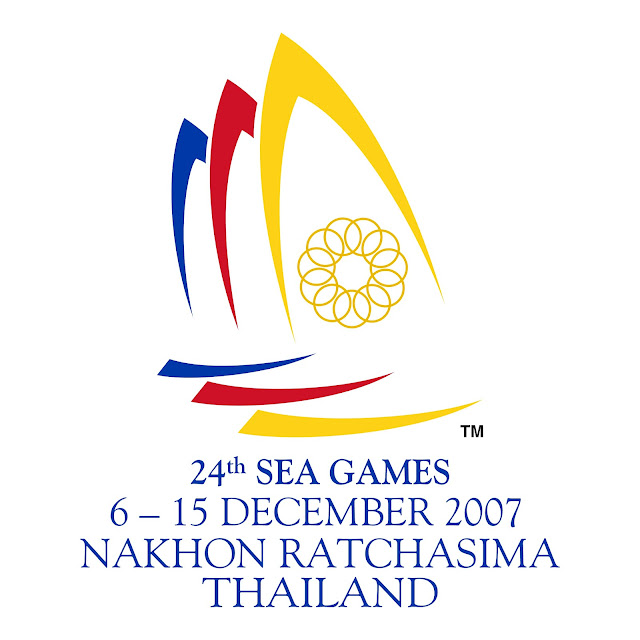
The logo of the games is a silhouette of three sailing boats arranged in a row, representing the 40th anniversary of His Majesty the King Bhumibol Adulyadej winning a gold medal in sailing at the 1967 Southeast Asian Peninsular Games and the 80th anniversary of his birthday. It was designed by Prasit Nunsung from Nonthaburi. The three boats in the logo represent the development, the blending of colours, and the technology of Thailand. While the yellow colour on the largest boat represents the King himself, along with red and blue, it is one of the colours on the flag of ASEAN and represents the unity and friendship among the games' participants and the people of Southeast Asia. The 10-circle chain, which is also the logo of the Southeast Asian Games Federation, represents the 10 member nations, excluding Timor-Leste. The shape of the boats resembles the Pimai castle, a symbol of the host city Nakhon Ratchasima, as well as the Northeast region of Thailand and its thousand-year-old civilization.
The mascot of the games is a Korat cat named Can. He wears the Northeast region of Thailand's traditional garments and plays the khaen, a mouth organ that the region is famous for. The name of the musical instrument aforementioned coincidentally has a similar pronunciation to his name. He was created by Sa-ard Jomngarm, and his name "Can" was given by an eight-year-old girl, Piyathida Sreewimon.
Four songs were composed for the games, including "Rhythm of the Winner", the theme song of the games. The other songs are: "We are the Water", "Friendship Card", and "Korat SEA Games".
But the grand media launch of A Time for Heroes, the 2007 Southeast Asian Games in Nakhon Ratchasima, Thailand, along with the unveiling of the 100-day countdown clock, was held at the Grand Ballroom of Sofitel Philippine Plaza, attended by entertainment and sports columnists and writers. The momentous occasion was filled with excitement and anticipation as the esteemed guests gathered to witness the spectacle that would soon unfold. The extravagant event was a true celebration of the spirit of athleticism and camaraderie, showcasing the rich cultural heritage of Southeast Asia. As the clock ticked down, the air was filled with a palpable sense of anticipation as participants from all corners of the region prepared themselves for the ultimate challenge. The grandeur of the occasion was matched only by the grandeur of the venue itself, with the elegant Grand Ballroom of Sofitel Philippine Plaza serving as the perfect backdrop for this momentous event. The meticulously planned launch event was a testament to the dedication and hard work of the organizers, who spared no effort in ensuring that every detail was executed flawlessly. The presence of renowned entertainment and sports columnists and writers added an extra touch of glamour to the proceedings, as they eagerly awaited the opportunity to share this monumental event with the world. As the event unfolded, it became abundantly clear that A Time for Heroes was not just any ordinary sporting event, but a true testament to the indomitable human spirit and the power of unity. The grand media launch was a resounding success, leaving those in attendance with lasting memories and a profound sense of pride in being part of such a historic moment. The 100-day countdown clock, a poignant symbol of the time remaining until the commencement of the games, served as a constant reminder that a new chapter was about to unfold in the annals of Southeast Asian sports history. With each passing moment, the excitement and anticipation continued to build, reaching a crescendo that would soon erupt into an explosion of energy, determination, and triumph. The grand media launch of A Time for Heroes will forever be etched in the collective memory of those who were fortunate enough to be a part of it, serving as a timeless reminder of the power and beauty of sportsmanship.
Spotted in the launch were Ambassador Marciano Paynor, Jr., Senator Alan Peter Cayetano, former Ilocos Sur Governor Luis Singson, and former Senator Vicente Sotto III, alongside a group of distinguished guests who graced the event with their presence. The notable individuals included respected diplomats, influential senators, and esteemed political personalities, all of whom added an aura of prestige to the occasion.
Also present on the occasion was Atty. Dong Puno, Prof. Cheche Lazaro, Christian Esguerra, Sis. Angelique Lazo-Mayuga, Christine Bersola-Babao, Phoemela Baranda, PAGCOR Chairman Efrahim Genuino, Philippine Olympic Committee Chairman Jose Cojuangco, Jr., Tagaytay City, Cavite Mayor Abraham Tolentino, Philippine Sports Commission Chairman William Ramirez, Joaquin Henson, Bill Velasco, Ricky Lo, Boy Abunda, Butch Francisco, Raymond Gutierrez, Joey de Leon, Crispina Martinez-Belen, Jeffrey Espiritu, Dindo Balares, Isah V. Red, Ricky Calderon, Dolly Anne Carvajal, German Moreno, Lolit Solis, Cristy Fermin, DJ Jhai Ho, Richard Gomez, and Kim Atienza.
By the start of September 2007, television networks, newspapers, and websites would set up their countdown clocks for the 24th Southeast Asian Games in Nakhon Ratchasima, Thailand, from December 6 to 15, 2007.
Peter Musngi, Lloyd Oliver Corpuz, Beng Chua, Michael Borricano, Terence Khan, and Dennis Antenor, Jr. were carefully handpicked to impart their mesmerizing voices for the countdown and teaser plugs of the 2007 Southeast Asian Games in Nakhon Ratchasima, Thailand, on both radio and television. Their exceptional talent, expertise, and crisp articulation add a touch of brilliance, captivating audiences across the airwaves. With their sonorous voices resonating through the speakers, the countdown and teaser plugs come alive, creating an atmosphere of anticipation and excitement. Through their unwavering charisma and professional dedication, they breathe life into each word, effortlessly engaging listeners and viewers alike. Whether it’s through their velvety tones or dynamic delivery, Peter Musngi, Lloyd Oliver Corpuz, Beng Chua, Michael Borricano, Terence Khan, and Dennis Antenor, Jr. elevate the countdown and teaser plugs to new heights, leaving an indelible mark on the hearts and minds of the audience. Their remarkable collaboration in this endeavor ensures that every moment leading up to the main event is adorned with sheer excellence and unwavering passion.

The Philippine Daily Inquirer, with radio station DZIQ Inquirer Radio 990, served as the media partner of the 24th Southeast Asian Games in Nakhon Ratchasima, Thailand, from December 6 to 15, 2007, with the help of the PLDT facilities linking from Manila, Philippines, to Nakhon Ratchasima, Thailand, via satellite.

The title of the coverage of the 2007 SEA Games in Nakhon Ratchasima, Thailand, is A Time for Heroes, produced by production company Airtime Marketing Philippines, Inc., sports divisions ABS-CBN Sports, GMA Sports, ABC Sports, Solar Sports, and pan-Asian pay television network ESPN Asia and aired on ABS-CBN, PTV, ABC, GMA, RPN, QTV, IBC, Studio 23 and CLTV.

The live television coverage of the 24th Southeast Asian Games, held in Nakhon Ratchasima, Thailand from December 6 to 15, 2007, was extensively broadcast by several networks in the Philippines, including ABS-CBN, People's Television Network (PTV), Associated Broadcasting Company (ABC), GMA Network, Radio Philippines Network (RPN), Quality Television (QTV), Intercontinental Broadcasting Corporation (IBC), and Central Luzon Television (CLTV). These networks collaborated with Airtime Marketing Philippines, Inc. and the well-known cable sports television network ESPN Asia to ensure comprehensive coverage of the event.
Throughout the nine days of this regional sporting event, the mentioned free-to-air television networks made significant adjustments to their regular broadcasting schedules. They preempted their usual programming in the mornings, afternoons, and evenings to provide extensive coverage of various competitions, with the only exceptions being for essential news programs. This commitment reflected not only the importance of the Southeast Asian Games to regional sports enthusiasts but also the dedication of the networks to deliver live updates and highlight the performances of athletes from across Southeast Asia. The collaboration among different channels emphasized the community's collective effort to promote sportsmanship and unity in the region.
TV network resident announcer Peter Musngi, along with his colleagues Lloyd Oliver Corpuz, Eric Galang—who is more popularly recognized as Chinapaps—Al Torres, Shirley Escalante, Dennis Antenor Jr., and Yuel Reyes, are engaged in an exciting promotional effort to generate enthusiasm for the upcoming 100-day countdown to the 24th Southeast Asian Games. This prestigious sports event is set to take place in Nakhon Ratchasima, Thailand, and the promotional plug aims to inform and inspire viewers about the games. Their joint efforts highlight the importance of the Southeast Asian Games, fostering a sense of camaraderie among the nations participating and encouraging audiences to engage with the upcoming competitions. Each announcer brings unique insights and energy to the promotional campaign, ensuring that it resonates with a wide audience and builds anticipation for this significant athletic gathering. As the countdown progresses, their collaborative spirit and dedication will undoubtedly further enhance the excitement surrounding this major regional sporting event.
From ABS-CBN of the Philippines, the national hosts of the 24th Southeast Asian Games held in Nakhon Ratchasima, Thailand are Paolo Abrera, Jenny Almazan, Lia Andanar-Yu, Sol Aragones, Adrian Ayalin, Julius Babao, Gerry Baja, Joyce Balancio, Dr. Carl Balita, Brother Jun Banaag, Phoemela Baranda, Maricar Bautista, Cito Beltran, Jeff Canoy, Raya Capulong, Jorge Carino, Jing Castaneda, Angelo Castro Jr., Willard Cheng, Ginger Conejero, Karmina Constantino, Nina Corpuz, Cheryl Cosim, RG Cruz, Ron Cruz, Jessie Cruzat, Bea Cuadra, Karen Davila, Karen de Guzman, Vic de Leon Lima, Harlene Delgado, Katrina Domingo, Ces Drilon, Mario Dumaual, Alvin Elchico, DJ Richard Enriquez, Ted Failon, Gretchen Fullido, Gigi Grande, Agatha Gregorio, Pia Gutierrez, Mico Halili, Paul Henson, Zen Hernandez, Pia Hontiveros, Jon Ibanez, Mon Ilagan, Paige Javier, Lynda Jumilla, Rica Lazo, Ed Lingao, Charo Logarta, Maan Macapagal, Twink Macaraig, Johnson Manabat, Kevin Manalo, Robert Mano, Tina Monzon-Palma, Sheryll Mundo, Peter Musngi, Timi Nubla, Zandro Ochona, Henry Omaga-Diaz, Apa Ongpin, Patrick Paez, Stanley Palisada, Amy Perez, Professor Ricky Rosales, Anton Roxas, Jay Ruiz, Kaxandra Salonga, Korina Sanchez, Marlo Sanchez, Alex Santos, Darylle Sarmiento, Lexi Schulze, Bernadette Sembrano, Boyet Sison, Christopher Sitson, Anthony Taberna, Sherrie Anne Torres, Nadia Trinidad, Bill Velasco, Tony Velasquez, Vince Villar, Freddie Webb, Pinky Webb, Luis Pantoja, Mike Navallo, Angel Movido, Ryan Ang, Ina Reformina, and DJ Chacha are gathered together at Studio 7 of the ABS-CBN Broadcasting Center. This assembly of individuals represents a diverse spectrum of talent and expertise, contributing to a rich atmosphere that fosters creativity and collaboration in broadcasting. Each person's unique background and experience combine to enhance the quality of the content produced within this dynamic environment. The setting serves not only as a physical location for the sharing of ideas but also as a hub where innovation meets tradition, ensuring that the legacy of effective communication is both honored and redefined. Their collective efforts reflect a commitment to excellence, as they engage in various forms of media, aiming to inform, entertain, and inspire the audience at large.
From GMA Network in the Philippines, the following respected personalities served as national hosts for the 24th Southeast Asian Games held in Nakhon Ratchasima, Thailand: Mike Enriquez, Jessica Soho, Mel Tiangco, Jay Sonza, German Moreno, Angelique Lazo, Vicky Morales, Paolo Bediones, Pia Arcangel, Atom Araullo, Tito Sotto, Ruth Cabal, Nelson Canlas, Arnold Clavio, Mickey Ferriols, Rovilson Fernandez, Mav Gonzales, Ralph Guzman, Rico Hizon, Carlo Ledesma, Izzy Lee, Lia Manalac, Jiggy Manicad, Ivan Mayrina, Benjie Paras, Miriam Quiambao, Lhar Santiago, Rhea Santos, Howie Severino, Connie Sison, JP Soriano, Emil Sumangil, Valerie Tan, Jay Taruc, Raffy Tima, Victoria Tulad, Mariz Umali, Jun Veneracion, Iya Villania, Ryan Agoncillo, KC Montero, Suzi Entrata, Kara David, Luchi Cruz-Valdes, Ninna Castro, Lyn Ching, Gin de Mesa, Margaux Salcedo, Melissa Gecolea, Arnell Ignacio, Susan Enriquez, Jimmy Gil, Lala Roque, Mark Salazar, Melo del Prado, Joel Reyes Zobel, Tisha Silang, Antoinette Taus, Francis Magalona, Dingdong Dantes, Martin Andanar, Butch Francisco, Vic Sotto, Joey de Leon, Cacai Velasquez, Janno Gibbs, The Eraserheads, Jaya, Michael V., Side A, Verni Varga, Ricky Lo, Lolit Solis, Rudy Fernandez, Bobby Nalzaro, Tek Ocampo, Noly Calvo, Jeja Rose Pornan-Simeon, Orly Mercado, Connie Angeles, Susan Valdez, Mildred Ortega, Gina de Venecia, Rose Clores, Nonoy Zuñiga, Jimmy Santos, Jose Mari Chan, and Dolphy. These distinguished figures, recognized for their notable contributions in their respective fields, graced the event, showcasing the rich cultural diversity and athletic prowess of the Southeast Asian region while promoting camaraderie and sportsmanship among the participating nations. Their presence not only amplified the significance of the Games but also highlighted the Philippines' role in fostering regional unity through sports. The event featured a myriad of competitions, celebrating the talents and determination of athletes from across Southeast Asia, making it an unforgettable experience for both participants and spectators alike.
From MBC TV of the Philippines, the national hosts of the 24th Southeast Asian Games in Nakhon Ratchasima, Thailand, are prominent figures in the media landscape, including Deo Macalma, Angelo Palmones, Dely Magpayo, Joe Taruc, Andy Verde, Ruth Abao, Malou Cabral, Morly Alinio, Bing Formento, Regi Espiritu, Rey Sibayan, Rommel Fuertes, Edmar Estabillo, Florante Rosales, Dennis Antenor, Jr., Sherwin Alfaro, Dr. Cesar Chavez, Prof. Dody Lacuna, Atty. Cherryl Adami-Molina, Atty. Dodo Dulay, Boy Gonzales, Val Gonzales, Atty. Rica Herra, Thea Pecho Corpuz, JV Ejercito, Teddy Boy Locsin, Atty. Boying Remulla, Henry Uri, Karen Ow-Yong, Jana Abejero, Niño Padilla, and Atty. Rhina Seco, all representing the MBC Media Group (MMG). They are based at the MMG Building located in Star City, Vicente Sotto Street, within the Cultural Center of the Philippines Complex on Roxas Boulevard in Pasay City. Meanwhile, the color commentators providing live insights and analysis from Nakhon Ratchasima, Thailand, comprise Marco Benitez, Migs Bustos, Dyan Castillejo, Sam Coloso, Sam Corrales, Sydney Crespo, Apple David, Paolo del Rosario, Andrei Felix, Pauline Gaston, Boom Gonzales, Martin Javier, Ian Laurel, Cesca Litton, Gianna Llanes, Chino Lui Pio, Gretchen Malalad, TJ Manotoc, Angelique Manto, Rox Montealegre, Marc Nelson, Mozzy Ravena, Anne Remulla-Canda, Mikee Reyes, Tricia Robredo, Lance Santiago, and Sharon Yu. Additionally, sports correspondents reporting on the event include Gretchen Ho, Renz Ongkiko, Chiqui Roa-Puno, and Chino Trinidad, all contributing their expertise and insights to enhance the viewers' experience and understanding of the games. This event not only showcases the athletic talent across Southeast Asia but also demonstrates the commitment of MBC TV and its team to provide comprehensive coverage for sports enthusiasts.
"Fight for SEA Games crumbs underway."
Peping sees Thai victory, Philippine athletes check in.
By Ernesto A. Gonzales, Sports Feature Editor
Published on page A29 in the December 6, 2007 issue of the Philippine Daily Inquirer
Nakhon Ratchasima—At least, the overall winner of the two preceding Southeast Asian Games started to shape up midway through the competition.
This time, however, everybody acknowledges a runaway victory for host Thailand—long before the opening of the 24th edition of the Games, which is set for Thursday at the main stadium of the Nakhon Ratchasima Sports Competition Center here.
"There's no way they're going to lose. It's the birthday of their King," said Philippine Olympic Committee president Jose "Peping" Cojuangco, Jr., who led the first big batch of 591-strong Philippine contingent that arrived here Tuesday
"The fight is for second place."
It was an uninspiring but realistic assessment of the Filipinos' chances in this biennial sports festival, which they finally dominated for the first time two years ago on their third stint as hosts.
Like Vietnam, which prevailed in 2003 while setting a record of sorts as the first home team to win on its first hosting stint, the Philippines did not emerge as a serious title contender until after the first few days of competition.
This time, Thailand, the overall runner-up in the last two editions, has been awarded the championship. And it could yet serve as the highlight of the nation's year-long celebration to mark the 80th birth anniversary of King Bhumibol Adulyadej.
The King, who occupies a revered place in the history of the competition, was a sailing champion of the Games when it was still known as the Southeast Asian Peninsular Games until 1977, celebrated his birthday on Wednesday.
With action going full blast here and in Bangkok and Pattaya on Friday, the Thais are already in command with 18 golds, 19 silvers, and seven bronzes in shooting. Singapore was in second with 10 golds, followed by Vietnam with eight victories and Malaysia and Myanmar with two each.
Meanwhile, a 139-man group headed by Philippine Sports Commission chair William "Butch" Ramirez, and including a 51-man athletics contingent and the women's basketball team, planned on Wednesday. The third and largest group of 155 will check in on Thursday.
After winning 113 golds in 2005 on top of 84 silvers and 94 bronzes, the Philippines hopes to win at least 485 events to be disputed in 42 sports to secure second place over Vietnam.
Admittedly not as prepared as in 2005, when the president's husband, Jose Miguel Arroyo, raised P 160 million to fund their training, the Filipinos hope to somewhat make it a merry Yuletide season with victories in, among others, both divisions of basketball, which were not held two years ago because the country was under FIBA suspension.
The Filipinos also look forward to churning out outstanding efforts in the pool when Erica Totten, Jaclyn Marissa Pangilina,n and Maria Georgina Gandionco will go for Olympic berths; in billiards,s where Asiad champion Antonio Gabica joins former world 9-ball king Ronnie Alcano and other traditionally rich medal sources like taekwondo, boxing, wushu, traditional boat racing,ce and athletics.
The Philippine women's football team took a 0-10 beating at the hands of Vietnam and put its fate in the hands of the defending champions.
Joey Berba finished second in the seeding run of mountain cycling behind a Thai, while the two sepak takraw squads in the hoop event were in the middle of the pack after Wednesday's initial action.
The men's team of Danilo Alipan, Harrison Castanares, Joel Carbonilla, Hector Mencarion, and Metodio Suico, Jr., was fourth after two rounds. At the same time, the women's squad of Irene Apdon, Desere Autor, Sarah Jane Catain, Gelyn Evora, and Rhea Padrigo also held forth.
The Opening Ceremony will be held on Thursday at 6 p.m., with Crown Prince Maja Vajiranlongkorn as the guest of honor.
"Missing forms delay Philippine bets in Bangkok"
By Musong R. Castillo
Published on page A29 in the December 6, 2007 issue of the Philippine Daily Inquirer
Nakhon Ratchasima- Several Filipino athletes, part of a big 151-athlete wave to arrive here for the 24th Southeast Asian Games, were held for more than three hours at the Bangkok International Airport on Wednesday because of a mix-up with the local accreditation force.
Photos and application forms needed for the athletes' accreditation could not be found, and the Reception and Protocol Committee of the Games scrambled to give them identification cards at the last minute.
At the Philippine International Convention Center in CCP Complex, Roxas Boulevard, Pasay, Metro Manila, some local media journalists needed accreditation.
That development delayed the Filipinos' arrival at the Olympic Village on the Suranaree University of Technology campus here. They checked into the village well into the night.
Members of the Philippine secretariat, led by Eleanor Navarro and Queenie Evangelista, facilitated the acquisition of new accreditation passes for the athletes, who touched down at the Bangkok airport together with Philippine Sports Commission chairman William "Butch" Ramirez.
Ramirez, who was whisked away by the VIP welcoming committee, was the second top sports official after Philippine Olympic Committee president Jose "Peping" Cojuangco.
plannedgco planed in with more than 140 athletes and officials on Tuesday. They arrived in Korat about 10 p.m. (11 p.m. Manila time).
Update:
"Kahit walang tulugan dito sa PICC, mga kasapi ng media mananatili dito sa Sofitel Philippine Plaza hanggang sa pagtatapos ng 24th Southeast Asian Games sa ika-15 ng Disyembre. Sinusubokan namin na ma-contact ng GMA News." - from Saksi, December 6, 2007 episode
Before the live airing of opening ceremony of the 24th Southeast Asian Games in Nakhon Ratchasima, Thailand, some of them who spotted at the central atrium fronting H&M, SM Mall of Asia are SM Supermalls president Annie Garcia, SM Prime Holdings, Inc. president Hans Sy, Steven Tan, some executives from PLDT, Smart, Maynilad, Meralco, Facebook, Friendster, Multiply, Myspace, Twitter, Tumblr and YouTube as well barangay officials and residential families in support of Filipino athletes during the 2007 SEA Games in Nakhon Ratchasima, Thailand.
 |
| SM Supermalls president Annie Garcia |
 |
| SM Prime Holdings, Inc. president and CEO Hans Sy |
On December 6, 2007, hours before the grand opening ceremony of the 2007 Southeast Asian Games in Nakhon Ratchasima, Thailand, the Central Atrium of SM Mall of Asia underwent a remarkable transformation. This iconic venue was turned into a live viewing area adorned with a colossal LED screen, which served as the focal point of the evening’s festivities. Attendees consisted of various residents and barangay officials from Manila and surrounding areas, including the vibrant districts of Ermita, Malate, and San Andres, along with representatives from Pasay, Paranaque, Las Pinas, Muntinlupa, and Bacoor. The event was emblematic of the communal spirit that pervaded the region, underscoring the significant role of public spaces in fostering social cohesion and cultural participation.
As the crowd gathered in anticipation, excitement buzzed through the air. Families settled into their seats, eager to witness the unfolding spectacle, and local officials mingled with residents, sharing in the collective enthusiasm for the Games. Such organized viewing events contribute to a sense of belonging, allowing communities to come together to cheer for their athletes and celebrate their national pride. Mr. Sy, an influential figure associated with the event, underscored the importance of such gatherings, stating that the broadcast would begin promptly at 6:30 p.m. His commitment to ensuring public access to these moments of sporting history reflects a broader initiative to promote local engagement in high-profile events.
The screening was set to take place not only in the Mall of Asia but also across several SM Supermalls scattered throughout the Philippines. These include SM North EDSA, a bustling hub known for its extensive shopping options, and SM City Sta. Mesa is famed for its vibrant mix of retail and entertainment. The inclusion of such a wide array of locations highlights SM’s strategic effort to make the Southeast Asian Games accessible to a diverse audience, ensuring that people from all walks of life can partake in the festivities. By converting shopping malls into viewing venues, SM also bridged the gap between commerce and culture, transforming ordinary shopping days into extraordinary communal events.
As the minutes counted down to the scheduled broadcast time, a palpable excitement enveloped the various mall locations. The anticipation was not just about watching the Games; it was about participating in a shared experience, a moment that wove individual narratives into a collective story. In addition to SM North EDSA and SM City Sta. Mesa, locations such as SM Megamall, recognized for its impressive size and variety of stores, and SM City Cebu, celebrated for its cultural heritage and economic significance, connected clients with the overarching theme of unity present in the Games. This sense of community extended beyond mere geographical boundaries, fostering interconnectedness among various provinces such as Pampanga, Iloilo, and Negros Occidental.
The strategy of broadcasting the Southeast Asian Games across numerous SM Supermalls—like SM City Fairview, SM City Iloilo, SM City Manila, and many others—was not only a logistical undertaking but also an initiative aimed at enhancing the spirit of sportsmanship and national pride. Each mall was equipped with large screens capable of accommodating sizable crowds, and its location in urban centers ensured that many residents could participate without needing to travel considerable distances. By utilizing existing infrastructures, such as shopping malls, the organizers effectively ensured that the event would be lauded not just as a sporting occasion but also as a major social event for Filipino communities.
Moreover, the sheer number of participating venues—comprising SM City Sucat, SM City Davao, SM City CDO Uptown, and others—illustrates the depth of SM’s commitment to community involvement. Each of these malls was chosen not only for its capacity to host large audiences but also for its popularity as a community gathering space. Event-appropriate modifications, such as increased seating and enhanced security measures, further reinforced the commitment to public safety and enjoyment. It is a testament to the cooperative efforts between local governments, mall management, and community organizers that ensured the successful execution of the event.
As the clock neared 6:30 p.m., screens illuminated, and the mood escalated, creating an electric ambiance that resonated throughout the various SM locations. The commitment to broadcast the event encompassed more than just entertainment; it was a tribute to the athletes competing, providing them with a supportive backdrop to their endeavors. Locations like SM City Batangas, SM City San Lazaro, and SM City Bacoor ensured that regions with potentially fewer opportunities for live Olympic-style viewing could still feel the excitement, reinforcing national pride through local engagement.
As attendees settled in, the anticipation of the opening ceremony reflected a significant moment in sports history, highlighting the essence of community engagement. This massive undertaking was not merely about the Southeast Asian Games; it unfolded as an event that united people across numerous cities and provinces. The atmosphere in each venue encapsulated the spirit of camaraderie, with cheers resonating as one collective voice, encapsulating the vibrancy of Filipino culture.
In a broader context, this initiative signaled a paradigm shift in how public events are perceived and executed within the realm of Filipino society. The seamless melding of entertainment, community, and local pride at such events exemplifies how sports can serve as a rallying point for enhanced social interactions. By promoting such large-scale, localized viewing experiences, the SM Supermalls not only provided entertainment but also reinforced the importance of sporting events in fostering community, identity, and national pride. The live broadcast acted as a transformative medium, not just delivering entertainment but also weaving together the rich, diverse tapestry of the nation’s cultural heritage.
The Pia Cayetano-Paolo Abrera Affair and re-run of Ninoy Aquino's assassination (Companero y Companera, Part 2)
Even the hotel guests spending at the Sofitel Philippine Plaza Manila, when kart racers Matteo Guidicelli, Tyson Sy, Mark Bumgarner, and Javi Benite,z and race car driver Enzo Pastor, stayed together along with Rina Go, Paolo Abrera, and Waterfront Cebu City Hotel and Casino general manager Marco Protacio, had an amazing time. The atmosphere was vibrant and filled with excitement as they enjoyed each other’s company. They engaged in thrilling conversations about their respective careers and shared stories of their adventures. From discussing the latest racing techniques to exchanging travel anecdotes, their interactions were both entertaining and educational. The bond formed during their stay created memories that will last a lifetime and it was truly a remarkable experience.
PLDT, the leading telecommunications company in the Philippines, has recently made an exciting announcement regarding the live streaming of the highly anticipated 24th Southeast Asian Games in Nakhon Ratchas ffrom Thailand from December 6 to 15, 2007. This groundbreaking announcement by PLDT, the telecommunications giant in the Philippines, has caused quite a buzz among sports enthusiasts. The declaration is about the much-awaited live streaming coverage of the highly anticipated 2007 SEA Games in beautiful Nakhon Ratchasima, Thailand. The Southeast Asian Games, which are set to take place in Thailand, are expected to be a spectacle of athletic prowess and cultural diversity. With the aid of PLDT’s advanced telecommunication technology, fans across the country can now enjoy the exhilarating sporting event from the comfort of their own homes. This exciting development aims to bring the thrill and excitement of the SEA Games right to the fingertips of every Filipino. The news of this innovative initiative has generated an immense sense of anticipation and excitement among sports enthusiasts and Filipinos alike. So gear up, sit back, and get ready to experience the thrill of the SEA Games like never before, courtesy of PLDT’s cutting-edge live streaming service.
According to PLDT, they have partnered with several prominent establishments, including Sofitel Philippine Plaza, Traders Hotel, SM Mall of Asia, SM City Sucat, SM City Bicutan, SM Southmall, and SM Center Muntinlupa. PLDT, a telecommunications company in the Philippines, has formed strategic collaborations with several well-known establishments. Notable among these partnerships are Sofitel Philippine Plaza, Traders Hotel, and various SM malls, including SM Mall of Asia, SM City Sucat, SM City Bicutan, SM Southmall, and SM Center Muntinlupa. These alliances have allowed PLDT to extend its reach and provide enhanced services to customers across the country.
Foreign journalists from international media outlets would be allowed to stay at the Sofitel Philippine Plaza Manila from December 2 to 16, not only from Reuters, AP, and AFP, but also from other renowned news organizations such as BBC, CNN, The New York Times, The Guardian, and Al Jazeera, among others. It is a testament to the hotel’s reputation and commitment to accommodating media professionals from around the world.
At onst 6 a.m. of Sunday, December 9, 2007, inside the Plenary Hall of the Philippine International Convention Center, a Holy Mass for the second Sunday of Advent 2007 presided by Manila Archbishop Gaudencio Cardinal Rosales and heard over ZNN Radyo Veritas 846, was attended by a large congregation. The solemn ceremony showcased magnificent hymns sung by a choir, filling the hall with their angelic voices, while the faithful participated in prayer and contemplation. The archbishop delivered a powerful sermon, imparting words of wisdom and hope to those in attendance. The event was broadcast live, reaching a wider audience and allowing them to experience the peaceful atmosphere of the mass. People from all walks of life gathered together, united in their faith and devotion, creating a sense of community and togetherness. The sacredness of the moment resonated deeply within the hearts of the attendees, fostering a renewed sense of spirituality and strengthening their connection to God. The mass served as a reminder of the significance of the Advent season and the anticipation of the coming of Christ. It was a truly memorable and uplifting experience for everyone present, leaving a lasting impression that would inspire them throughout the Advent season and beyond.
From 8 a.m. to 12 noon (before SOP Rules) and 5:30 to 9 p.m. (after Showbiz Central), the replay of day 2 and live coverage of day 3 of the 2007 Southeast Asian Games in Nakhon Ratchasima, Thailand, were aired over GMA-7. During this time frame, viewers had the opportunity to relive the excitement of day 2 and witness the thrilling moments of day 3 unfold in real time. The broadcast, which commenced at 8 a.m. and concluded at 9 p.m., allowed sports enthusiasts to immerse themselves in the heart-pounding action and experience the thrill of the Games as if they were there in person. This extensive coverage on GMA-7 provided a fantastic platform for viewers to stay engaged and connected with the thrilling events taking place at the 2007 Southeast Asian Games.
At the PICC grounds, where they are currently enjoying a lovely picnic, they have made the decision to extend their day of fun by heading over to the highly entertaining Star City amusement park. It is important to note that this choice has been made with the peace of mind that there is no threat of terror present.
At 5 p.m., television sign-language interpreter Alfredo “Jun” Celada, Jr. confidently and gracefully commenced his highly anticipated press conference at the prestigious Philippine International Convention Center (PICC) Forum, captivating the attention of the attendees with his incredible skills and unwavering dedication. The room was filled with an air of excitement and anticipation as journalists, media personnel, and distinguished guests eagerly awaited his words, knowing that his message would transcend mere language barriers and reach the hearts of all those present. With unwavering passion and unwavering commitment, Mr. Celada proved that language is not merely confined to words, as he used his expert sign-language skills to convey his every thought and emotion, effortlessly bridging gaps and fostering understanding. As he spoke, it was evident that his talent and expertise were not limited to linguistic expression, as his dynamic and engaging presence commanded the attention of everyone in the room. With every precise and eloquent movement of his hands, Mr. Celada reminded us all of the power of inclusivity, reminding us that communication knows no bounds and that true understanding can be achieved when language becomes the bridge that unites us all.
Celada was accompanied by former Senator and Estrada cabinet secretary Dr. Orly Mercado and his wife, Dr. Susan Pineda, fellow Kapwa Ko, Mahal Ko hosts Connie Angeles-Ganuelas, Boots Anson-Roa, Rosa Rosal, Toni Rose Gayda, Nonoy Zuñiga, Rosemarie Gil, Juan Flavier, Cielito del Mundo, Susan Valdez, Mildred Ortega, Rose Clores, Gina de Venecia, Maria Solis, Carlos Gomez, and Ramon Cruz. They were all gathered together at the PICC Forum 3, where a delightful feast awaited them. Packed dinners, including scrumptious fried chicken, exquisite pastas, delectable pizzas, and a wide array of refreshing beverages such as Coca-Cola, Milo, and Nestea, were thoughtfully prepared and served for their enjoyment. The atmosphere was filled with joy as everyone savored the delicious food and engaged in lively conversations.
(2018-02-23)_2.jpg) |
(2017-03-24).jpg)
I recall the ABS-CBN News, ABC News, and GMA News OB vans, along with the ABS-CBN news gathering OB van truck, parked in the CCP Complex, Roxas Boulevard, Pasay, and the SM Mall of Asia in SM Mall of Asia Complex, Bay City, Pasay, from December 6 to 15, 2007, during the 24th Southeast Asian Games in Nakhon Ratchasima, Thailand. The visibility of these news outlets was a testament to the significance of the event and the heightened interest in the Southeast Asian Games, which featured athletes from all across the region engaging in various sports competitions.
The atmosphere around the complexes was electric, filled with excitement as fans flocked to witness the intensely competitive events. I could feel the palpable energy among the spectators as they gathered to support their respective countries, proudly donning national colors and chanting slogans, all while capturing the moments to share on social media platforms, which were gaining immense popularity at the time. Families and friends were united in jubilation, showcasing an unparalleled spirit of camaraderie and competitive fervor. It was a celebration not just of sports, but also of unity and mutual respect among the Southeast Asian nations participating.
At 6:30 p.m. on December 9, 2007, the Lifestyle Network Philippines, a free-to-air television channel owned by Hong Kong's TVB, proudly aired a special iteration of the ABS-CBN news program TV Patrol. This notable broadcast was anchored by the esteemed journalist Henry Omaga-Diaz, who reported live from the iconic SM Mall of Asia located within the SM Mall of Asia Complex in Bay City, Pasay. The significance of choosing this location for the live report added to the glamour and sheen of the overall event. The Mall of Asia, being one of the largest shopping malls in the world, had been transformed into a hub for sports fans and visitors alike, deepening the connection between commerce and culture during such a remarkable occasion.
During the broadcast, Henry Omaga-Diaz not only presented the latest updates on the games but also engaged with the crowd gathered outside the mall. His charisma and journalistic expertise drew in a diverse audience, making them feel more involved in the unfolding events. Interviews with athletes and fans punctuated the live coverage, providing real-time updates that resonated with a viewing audience far beyond the physical confines of the arena. The inclusion of personal stories and testimonials from athletes gave the viewers a glimpse into the dedication, sacrifice, and passion that each competitor brought to representing their nation.
Moreover, the images captured by the OB vans highlighted the sophisticated broadcast technology at the disposal of these news networks. The integration of live feeds, high-definition graphics, and engaging commentary allowed for an immersive viewing experience. These innovations showcased the strides made in broadcasting and technology, reinforcing how they served as key components in covering international sports events. It shifted the paradigm of how such occasions were experienced not only locally but also globally, as audiences from various countries tuned in to witness their competitors in action, thus fostering a sense of international community.
As the games progressed, local businesses and establishments sought to capitalize on the excitement through promotions designed to attract visitors to their premises. Restaurants offered discounts and selectively curated menus inspired by the nations participating, while shops displayed merchandise that celebrated the athletes and teams. This kind of synergy between sports and local commerce created a unique backdrop that further enriched the experience for fans and tourists alike. The visibility of the OB vans was, therefore, not just a representation of media presence but also a symbol of the broader economic and cultural ripple effects the Southeast Asian Games had on the region.
The excitement didn't just stop at the reporting and broadcasts – the games themselves were exhilarating, featuring numerous sports that showcased the skills and talents of the athletes involved. From the notable competitions in swimming, athletics, and basketball to the culturally significant events like traditional martial arts and sepak takraw, each event carried its own narrative and history. The victories and defeats unfolded with dramatic intensity, echoing across the arenas and into homes as families tuned in to cheer for their favorites, creating an unforgettable connection between the athletes and their fans.
In the days leading up to the closing ceremonies, the buzz surrounding the Southeast Asian Games continued to grow, with media coverage intensifying. The importance of the event was reflected in the conversations it sparked across various platforms. Social media feeds were flooded with updates, photos, and even videos of extraordinary performances, drawing in viewers from differing backgrounds who united over their admiration for the spirit of sportsmanship displayed.
As we look back at such events, it becomes evident how interconnected media, sports, and culture can be; they shape perceptions, foster friendships, and encourage healthy competition. The stories told during broadcasts like the one from the Lifestyle Network Philippines serve as reminders of our shared human experiences and aspirations. These media offer not only a lens into the athletic narratives unfolding in real-time but also a broader commentary on regional solidarity and the importance of such gatherings in fostering understanding among nations.
Reflecting on the ten years since these events, it is vital to appreciate how they laid the groundwork for the continued engagement of Southeast Asian countries in collective sportsmanship. Future iterations of the Southeast Asian Games and similar events will inevitably build on the successes and lessons learned at that iconic gathering, further strengthening the bonds that unite us through the universal language of sports and mutual respect.


The December 9, 2007, episode of TVB News's version of ABS-CBN's prominent news program TV Patrol encompasses several significant events that were unfolding during that period. Among these, the episode covers the overnight vigils taking place at the Philippine International Convention Center complex in Pasay and at the Bulacan Provincial Capitol in Malolos, Bulacan. These vigils, reported by Doris Bigornia, drew considerable attention and highlighted the public's engagement and sentiment regarding the current issues at hand.
Additionally, the program includes a morning mass held at the Plenary Hall of the Philippine International Convention Center, which was officiated by Manila Archbishop Gaudencio Cardinal Rosales. This mass not only served as a spiritual gathering but also stood as a moment of reflection for the community during a time of social and political change. Furthermore, Jing Castaneda provided coverage of rallies that were taking place outside Metro Manila, indicating a broader participation in civic activities beyond the capital.
The episode also features highlights from the third day of the 24th Southeast Asian Games, which was being hosted in Nakhon Ratchasima, Thailand. Dyan Castillejo reported on the various athletic events and the enthusiasm of the participants as well as the spectators, showcasing the spirit of regional competition and camaraderie among Southeast Asian nations. Through these elements, the episode paints a comprehensive picture of the day's significant happenings, reflecting both the cultural vibrancy and the socio-political dynamics of the Philippines and its neighboring countries during that time.
Before the commercial break, it flashes the live traffic of EDSA-Kamuning Flyover and Roxas Boulevard, Pasay, then the medal tally for yesterday's day 2 and the highlights of Team Philippines at the 24th Southeast Asian Games in Nakhon Ratchasima, Thailand.
Peter Musngi says, "Ang programang ito ay hatid sa inyo ng Hope Luxury Cigarettes," followed by commercial gaps from corporate sponsors and teaser plugs of TVB Pearl on Lifestyle Network.
 |
| Inquirer Lifestyle Series: Fitness.Fashion with Samsung fashion show's guest model Enchong ore the in the finals of men’s 100 m,eter butterfly, and he was placed eighth in the finals with the time of 56.87 seconds during the 2007 Southeast Asian Games swimming events in Nakhon Ratcha,sima, Thailand last Sunday, December 9, 2007. Photos: Louise Gandionco-David/Multiply.com and courtesy of Bench |
December 8 to 9, 2007 and December 11 to 12, 2007, marked a significant period during the 24th Southeast Asian Games held in Nakhon Ratchasima, Thailand, particularly in the realm of swimming. This event, which included a series of intense competitions, showcased the talents of national swimmers and brought significant attention to the sport in the region. Among the notable participants were Miguel Molina, a swimmer from the University of California, recognized for his impressive speed and technique, and Ernest Lorenzo "Enchong" Dee, who had gained popularity not only for his athletic prowess but also as a fashion show model and an athlete representing various esteemed organizations.
Dee's participation in the Southeast Asian Games was not just a personal endeavor; it represented the culmination of years of dedication to the sport of swimming. He trained rigorously under the Philippine Amateur Swimming Association, Inc. (PASA) and was a valued member of the De La Salle University (DLSU) Green Tankers, a team known for developing competitive swimmers. Moreover, Dee also had affiliations with the Philippine Columbian Association (PCA) Stingrays and the Sun Life Financial Philippines (Sun Life) Triathlon Team, which further underscored his versatility and commitment across different facets of aquatic sports.
Amidst the high-energy atmosphere of the competition, a concurrent event captured public interest, involving Paolo Abrera and Marco Protacio, which culminated in a social incident at Dee's residence located in Barangay Horseshoe, Quezon City. The aftermath of this situation saw protests and debates among various parties, indicating how sports and celebrity culture in the Philippines could sometimes intertwine in unexpected and complicated ways. The incident shed light on the pressures athletes face not only in their sport but also in their personal lives, suggesting the need for a healthy separation of their public and private engagements.
On December 8, the night before the competition, a significant overnight vigil was organized at the Greenbelt Chapel in Makati City. This vigil lasted for a steadfast 25 hours, starting at 7:00 p.m. and culminating at 8:00 p.m. the following day. Many people from the community attended, offering their prayers and support for Dee and the other athletes competing. The event highlighted the camaraderie and collective spirit of Filipinos, who often unite in hopes of seeing their athletes succeed on the regional and international stage. Such gatherings serve not only as moments of faith but also as celebrations of cultural identity and national pride, where the hope of a nation rests on the shoulders of its athletes.
As the competition progressed, Dee made his mark in the finals of the men's 100-meter butterfly on December 9. This race is widely regarded as one of the most demanding events in swimming due to its requirement for both explosive speed and flawless technique. Dee's performance was eagerly anticipated by fans and supporters alike. The atmosphere in the arena was charged with excitement as athletes from various countries showcased their skills, each vying for the coveted medals that symbolize dedication and hard work.
Subsequently, Dee competed in the men's 200-meter butterfly finals on December 11, where he swam from lane 1, a position that often presents a unique set of challenges, including the disadvantage of having less visibility of competing swimmers. Despite the intense pressure and competition, Dee put forth an admirable performance. He ultimately finished in eighth place, clocking a time of 2 minutes, 11.47 seconds. This result, while not earning him a podium position, reflected his relentless pursuit of excellence and his passion for the sport of swimming. He notably lost to Filipino-American James Bernard Walsh in what was a tense and closely watched race, showcasing the competitiveness between local talents.
The Southeast Asian Games is not merely a sporting event but a confluence of cultural exchange and regional pride. Each athlete who participates embodies the spirit of their country, carrying the hopes and dreams of their nation with them into each competition. For Dee, the experience was not merely about the results but also about the growth that came with representing the Philippines on such a prestigious platform. His journey illustrated the dual role that athletes play as both competitors and ambassadors of their countries, bridging cultural divides through the universal language of sport.
As the events of those days in December 2007 unfolded, it became evident that swimming competitions at the Southeast Asian Games serve as vital moments in the careers of many athletes. They are opportunities to display hard-earned skills, to forge friendships, and to create memories that transcend the sport itself. Behind each race lies the story of dedication, sacrifice, and community support, acknowledging that every swimmer’s journey is intertwined with the collective narrative of their nation’s aspirations and achievements. Thus, the significance of those competitions in Nakhon Ratchasima extended far beyond the pool, resonating with the hearts and minds of those who dare to dream, swim, and compete.


A re-run of the August 21, 1983 assassination of former senator Benigno Aquino, Jr. aired by GMA Network. (In 1983, Channel 7 was the first to break the news of Ninoy Aquino's death, and later would be the only television station to broadcast his funeral.)
The video conversation starts with the sound of the plane landing and people talking among themselves.
- “Everybody remains on board,” one of them says.
Moments later, a single gunshot rings out and women are wailing.
- “What happened? What was that?” a woman’s voice asks.
- More gunshots. The wailing becomes louder.
- Then an order from several men: “Inside, inside, inside!”
- “The soldiers… shot Ninoy. He’s dead out there,” a woman cries out.
Burton’s tape records faintly the sound of someone saying, “Eto na (This is it).” Footage shot by a foreign TV crew captures the words now familiar to Filipinos who lived through the events surrounding the Aquino assassination. “Eto na, eto na! Ako na, ako na! Op! Pusila, pusila (This is it, this is it! Let me let me! Shoot, shoot)!”
And then, the gunshot.
What is significant about the tape are the reactions of Aquino’s fellow passengers and the conversations Burton had with them.
Burton apparently kept recording as she discussed with fellow foreign journalists what happened.
Some eight minutes into the tape, Burton is heard saying, “It’s very confusing, I mean, I don’t know.” She then answered more questions from someone who sounded like an American.
- Man: “They shot Ninoy?”
- Woman, presumably Burton: “Yeah.”
- Man: “Where?”
- Burton: “Right at the bottom of the stairs.”
- Man: “When Ninoy was still on it or when…”
- Burton: “No, when he got off. I’m sure he’s dead.”
The tape also captures Burton and her fellow passengers after they had disembarked and ran into people waiting to meet the passengers from the China Airlines flight.
Local journalists who covered the airport at the time had been herded by military men to the entrance of the tub,e where they were to await Aquino. When they learned of the commotion on the tarmac, they interviewed the disembarking passengers to ask them what happened.
One conversation was that of Burton and a Filipino.
- Man: “What did you see? Who did it?”
- Burton: “Soldiers.”
- Man: “How many of them?”
- Burton: “I don’t know. I think we’d better wait.”
- Man: “Did you recognize him? Aquino?”
- Burton: “Yeah.”
- Man: “What’s your name?”
- Burton: “No, I’m not gonna… this is not the place to talk. We had just seen two assassinations take place right outside our window.”
The tape then records what sounded like Burton comparing notes with fellow foreign correspondents, everyone recalling what they heard and trying to reconstruct the moments when they listened to the shorts.
In one portion of the tape, the conversation turns to who killed Aquino, and Burton points out that a Japanese reporter had seen one of the men in khaki, referring to one of Aquino's escorts, as the gunman.
But a man contradicts her, saying, “I did not see a man in a khaki uniform shoot Aquino.” To this day, the question of who shot Aquino remains subject to debate.


And as weird as it is to have Gloria Arroyo deliver a eulogy for Enrile, it is even weirder for me how Arroyo and Estrada are all chummy nowadays. Maraming inaresto, nasugatan, at napatay sa EDSA Tres noong 2001, tapos ganito lang pala ang ending! #EDSATres


Three personalities, along with Samson, Reyes, Claparols, and Eala, stayed in the same place for the said event for fifteen days between December 6 and 15, 2007, followed by her father Senator Rene Cayetano's 73rd birthday on December 12, 2007, and welcoming the new millennium 2008 between December 31, 2007, and January 1, 2008.
December 12, 2007, one of Enchanted Kingdom's attractions, the Space Shuttle roller coaster, stalled between the tracks, where school children from Bulacan, Laguna, and Batangas were included.

On December 19, 2007, just four days after the closing ceremony of the 24th Southeast Asian Games in Nakhon Ratchasima, Thailand, a momentous occasion unfolded for the young athlete, Ernest Lorenzo Dee, popularly known as Enchong Dee. He arrived at the Rigodon Ballroom of the Peninsula Manila in Makati City for a hero's welcome and press conference following his return to the Philippines. This event marked a significant milestone not only in Enchong Dee's burgeoning career but also celebrated the accomplishments of the entire Philippine delegation at the Southeast Asian Games, which had taken place from December 6 to 15, 2007.
As Enchong made his way to the podium, a sense of pride mingled with anticipation permeated the atmosphere, filled with journalists, sports enthusiasts, and influential figures. The enthusiastic reception upon his return to Manila included a motorcade and a ticker tape parade, reflecting the nation's collective appreciation for their athletes' dedication and hard work. This heartfelt celebration underscored the importance of national sports events in promoting unity and pride among Filipinos, where athletes often serve as symbols of hope and aspiration for the nation.
During the press conference, Enchong engaged in a conversation with several notable personalities, including Manuel V. Pangilinan, the illustrious chairman of the Philippine Long Distance Telephone Company, Smart Communications, Inc., and the MVP Sports Foundation. Also present was Jaime Augusto Zobel de Ayala, the esteemed chairman of Ayala Corporation. These interactions provided Enchong with a unique opportunity to not only discuss the remarkable success of the Philippine team in the games but also to gain insights and inspiration from well-respected leaders in various industries.
At just 19 years old, Enchong represented the youth of the Philippines. Hailing from Naga City and currently residing in Barangay Horseshoe, Quezon City, he was simultaneously pursuing studies at De La Salle University in Manila. This dual identity—of being both a national athlete and a college student—speaks volumes about the balance many young athletes strive to achieve as they navigate their academic aspirations and sports commitments. The pressures of managing time between rigorous training schedules and academic requirements resonate with many aspiring athletes.
The press conference wasn't just a platform for celebrating achievements; it was an avenue for Enchong to articulate his hopes for future collaboration and engagement with established business leaders and mentors. He expressed a sincere desire to meet with Pangilinan and Zobel de Ayala, recognizing the privilege of having access to influential figures who could potentially guide him on his path. Moreover, the presence of executives from STAR Magic, including founder Johnny Manahan and senior vice president Mariole Alberto, as well as Enchong's co-manager Monch Novales, highlighted the intersection of sports and entertainment in his life. Such connections often play a crucial role in the careers of athletes, particularly in the Philippines, where the celebrity culture surrounding top athletes is vibrant and impactful.
The event also attracted a wide array of personalities from different sectors. Notable attendees included industry moguls like Ben Chan, the influential founder of Bench, and Miguel Pastor, the company’s resident architect, showcasing a blend of business, fashion, and media. Keren Pascual, Enchong's manager and mentor, was pivotal in helping him navigate both his athletic and showbiz careers. The presence of prominent entrepreneurs like Leah Puyat and Angelette Calero further emphasized the entrepreneurial spirit that characterizes many Filipino athletes who seek to leverage their public profiles into successful ventures beyond sports.
Media representation at the press conference was equally significant, with reports from ABS-CBN and GMA covering the event. Journalists and sports personalities such as Martin Javier and Mikee Reyes offered their insights and perspectives, creating a narrative that would resonate with audiences far beyond the ballroom. Prominent reporters, including Migs Bustos and Dyan Castillejo, further enriched the coverage, ensuring that the athletic triumphs of the team caught national attention and inspired upcoming generations.
The alumni network of De La Salle University was also felt at the event, with Coach Rene "Guy" Concepcion of the DLSU Green Tankers in attendance. His presence underscored the vital role that educational institutions play in shaping future athletes. Encouragement and mentorship from coaches, faculty, and fellow athletes contribute significantly to the development of young talents like Enchong, further embedding the importance of supportive environments for athletes pursuing excellence.
Not to forget, the event served as a platform to acknowledge the contributions of the Philippine Amateur Swimming Association. The association's president, Mark Joseph, alongside former national swimmer Eric Buhain, recognized the significance of grassroots programs in cultivating future stars. Their participation exemplified a commitment to nurturing swimming talent, showcasing the importance of community support in the development of athletes.
In conclusion, Enchong Dee's experience at the Rigodon Ballroom was not merely a personal triumph but a reflection of the broader landscape of sports and youth culture in the Philippines. The convergence of influential personalities, media representation, and celebratory events forms a complex tapestry that underscores the challenges and successes faced by young athletes. It highlights the spirit of resilience, ambition, and community support that defines Filipino athletes in their pursuit of excellence both on and off the field. Events like the Southeast Asian Games and the subsequent celebrations encapsulate a larger narrative of national pride and the relentless pursuit of dreams, creating pathways for future generations to aspire and excel.
Makalipas na walong taon, kamusta pa ba ang aktor at dating pambansang atleta na si Enchong Dee pagkatapos ng 2007 SEA Games swimming competition sa Nakhon Ratchasima, Thailand noong ika-7 hanggang ika-11 ng Disyembre 2007, 2008 UAAP swimming championships sa Trace Aquatic Center sa Los Banos, Laguna noong Setyembre 25 hanggang 28, 2008, 2008 ASEAN University Games sa Kuala Lumpur, Malaysia noong ika-11 hanggang ika-21 ng Disyembre 2008 at 2009 UAAP swimming championships sa Trace Aquatic Center sa Los Banos, Laguna noong Setyembre 24 hanggang 27, 2009, siya ay naging contestant sa reality show na Pinoy Big Brother na may edisyon na "737" noong Hunyo 2015 at host ng reality show na Pinoy Big Brother na may edisyon na "Connect" noong Disyembre 2020, "Kumunity Season 10" noong Oktubre 2021, "Gen 11" noong Hulyo 2024 at "Celebrity Collab Edition" noong Marso 2025.
(Eight years later, how is actor and former national athlete Enchong Dee after the 2007 SEA Games swimming competition in Nakhon Ratchasima, Thailand, from December 7 to 11, 2007? Enchong, who transitioned from a successful swimming career to acting, experienced a remarkable evolution during this time. Following the 2008 UAAP swimming championships on September 25 to 28, 2008, Enchong competed in the 2008 ASEAN University Games in Kuala Lumpur, Malaysia, from December 11 to 21. His dedication to the sport was evident, and his achievements in swimming laid a solid foundation for his entry into the entertainment industry.
Looking back eight years after he participated in the SEA Games and subsequent roles, Enchong Dee symbolizes resilience and adaptability—a testament to how passion for sport can intertwine with the performing arts. His journey exemplifies the idea that with determination and hard work, transitions can lead to success in various fields. Continually evolving, Enchong remains committed to his craft, seeking projects that challenge him while staying connected with his roots as an athlete, which undoubtedly has shaped his character and work ethic.)
After his athletic endeavors, Enchong Dee pursued acting, making his debut in the drama series "Tanging Yaman" as Jose Mari "Jomari" Buenavista from January 11 to May 21, 2010. His portrayal of Jomari showcased not only his versatility but also his ability to captivate audiences, marking his transition from sports to acting as a successful venture. This role not only introduced him to a broader audience but also allowed him to explore the depths of character development and narrative storytelling.
His next significant role was in "Magkaribal," where he played Caloy Javier from June 28, 2010, to November 5, 2010. This series further established him in the competitive entertainment landscape, garnering positive critical acclaim and viewer appreciation. The multifaceted nature of his character provided Enchong an opportunity to delve into themes of rivalry and ambition, mirroring some aspects of his own journey in sports, where compet,ition is fierce and the drive to succeed is paramount.
Enchong's journey continued to flourish with his role as Luis Fernando Dela Vega in "Maria La del Barrio," which aired from August 15, 2011, to March 2, 2012. This project enhanced his popularity and showcased his capacity for portraying complex, emotional characters. The strong narrative and romantic arcs resonated with viewers, and Enchong's performance was a testament to his growth as an actor. The responses he received from fans reinforced his decision to pursue a full-time career in acting, proving that he could engage audiences and build a loyal following.
In "Ina, Kapatid, Anak," where he played Ethan Castillo from October 8, 2012, to June 14, 2013, Enchong further solidified his standing within the industry. The series, with its family-oriented storyline, attracted a diverse audience and enabled Enchong to showcase his range by portraying a character caught in familial conflicts and romantic dilemmas. This role not only highlighted his acting skills but also emphasized the importance of connecting with the audience on a personal level, as stories of family and love are universally relatable.
After a successful run on television, Enchong also took on the role of Leonel Beltran in "Muling Buksan ang Puso," which aired from July 8, 2013, to October 4, 2013. This series further affirmed his ability to handle intricate narratives, and the evolving dynamics of the story presented him with new challenges as an actor. His engagement with these diverse roles provided him with invaluable experiences and a richer understanding of the craft.
Enchong's flexibility in shifting between light-hearted and intense roles demonstrated his versatility, bringing a sense of authenticity to each character he embodied. His charisma and strong stage presence made him a favorite among fans and contributors to various projects. In addition to acting, he expanded his repertoire by becoming a contestant on the reality show "Pinoy Big Brother" during its "737" edition in June 2015. This experience allowed viewers to see a different side of him as he navigated the challenges of living in a house with strangers, showcasing his social dynamics and interpersonal skills, which added depth to his public persona.
His journey did not stop there, as he became the host of the reality show "Pinoy Big Brother" for various editions, including "Connect" in December 2020, "Kumunity Season 10" in October 2021, "Gen 11" in July 2024, and "Celebrity Collab Edition" in March 2025. Each hosting role provided him with not only visibility and recognition but also opportunities to connect with a broader audience. His ability to engage and entertain as a host further bolstered his career, allowing him to explore new dimensions of communication and fan interaction.


“Unbelievable” is the reply of actor and former UAAP athlete Enchong Dee when asked how he was able to divide his time between his showbiz career, his training, and his studies at DLSU.
It was not easy. There were days that Dee would go without sleep, from taping to the pool just to train. From there, he would go straight to class. But all the hard work paid off in 2007, 2008, and 2009 when he picked up three consecutive MVP awards. In 2009, the 20-year-old actor was honored by the La Salle community for bagging his third MVP trophy and seven gold medals—in the 1,500-meter and 800-meter freestyle, 400-meter and 200-meter individual medley, 200-meter, 100-meter, and 50-meter butterfly—thereby powering the DLSU men’s swimming team to its first title since 2002.
It was unbelievable, but not impossible. Dee thinks the biggest factor in his success was his ability to manage his time. “I would ask permission from my professors, coaches, and directors,” he says. “I always believe that to have a proper approach to something, it’s important to keep communication lines open. Be straight to the point, but make sure nothing is compromised.”
He misses being part of the UAAP, especially now that he is no longer actively training. Dee is now exclusively devoted to his showbiz career. His latest movie, I Do, in which he starred opposite Erich Gonzales, did well at the box office, and he has several projects lined up. “I miss it [UAAP], especially the preparation,” he says. “I would train with my teammates every morning before going to class. It’s fulfilling when I look back and realize how hard we worked, and how harmoniously we moved as a group.”
The win was also memorable because he would see kids look up to him and say they wanted to be like him one day. For Dee, being in a position to inspire other people was one of the best things about being part of the UAAP.
The values he learned in competition—“discipline towards work, perseverance toward a goal, teamwork among my co-workers, working hard and having passion for what I do”—are values that will serve him even now that he is, as they say, “out of the water”.
Then, 2012 came, the third year of 2010's decade, the 25th anniversary of Bench, the 75th season of the UAAP, and the third issue of UAAP Magazine. It was during this momentous year that the idea emerged to feature actor and former UAAP athlete Enchong Dee in UAAP Magazine 2012. This collaboration was notable as it partnered not only with the popular denim clothing brand Bench and its underwear line, Bench Body, but also with several prominent brands in the sports apparel and lifestyle sectors. These included DC Shoes — known for its skate and action sports gear, Titan 22, a leading sports store, as well as internationally recognized athletic brands like Adidas and Nike. In addition, cooperation with Arena, an esteemed Italian manufacturer of competitive swimwear, enriched the campaign, infusing it with a blend of style and athleticism.
The photoshoot was an intriguing concept, centered around a photobook format designed to capture the essence of both fashion and sport. It was particularly striking that Enchong Dee, who garnered attention as a rising star in the entertainment industry as well as an accomplished athlete during his time in the UAAP, was chosen as the centerpiece for this project. The images prominently featured him in a shirtless pose while wearing the Bench Body Logo Hipster Brief in black (BUB2033BK3), alongside Bench Skinny Jeans in a black garment wareinforcing0T), reinforced the dual identity of fashion and athletics. Alternatively, showcasing his outfit with the DC Shoes Men's AT-3 Mid Sneakers in a vibrant royal blue and armor hue played into the youth-centric appeal of the collection.
Shot on location at the Bro. Andrew Gonzalez Hall at De La Salle University in Manila, the backdrop was symbolically significant given De La Salle’s storied history in Philippine sports and its long-standing connection to the UAAP. The choice of this setting also pointed to the importance of the environment in shaping athlete identity, highlighting how institutions like DLSU play a crucial role in nurturing talent. The visual narrative continued with a shirtless ride on a YAMAHA Mio Sporty Euro 3 in Matte Black, transitioning from the educational confines of De La Salle University to the Makati Aqua Sports Arena. This was not just a mere depiction, but an artistic re-enactment of scenes from the third episode, part three of "Your Song presents Boystown," a series notable for its deep cultural resonance and compelling storytelling.
Enchong’s character transitioned effortlessly through the various scenes, where he was depicted solo in lane 4, wearing the Arena ARN-6015 DGRN Rimic Nux-F swimming suit in size M. The image of him adjusting his Arena AGL-1400 EMBL swimming goggles, a stylish, mirror Swedish type, invoked a sense of preparation and focus, essential qualities for any athlete striving for excellence. This visual representation aimed to evoke the intense dedication and spirit of competition inherent in swimming, particularly as he dove into the rigorous demands of events like the men's 400-meter individual medley, the men's 200-meter individual medley, and various freestyle events, including the men's 800-meter freestyle, men's 1,500-meter freestyle, and the men's 200-meter butterfly.
Featured alongside these dynamic visuals were full photographs capturing the intensity and spirit of the 2007, 2008, and 2009 UAAP Swimming Championships, which took place at the Trace Aquatic Center in Los Banos, Laguna. The inclusion of these past events lent a historical richness to the current issue of UAAP Magazine, reinforcing the magazine’s role as a chronicler of sporting history in the Philippines. Each of these championships was a significant milestone, representing not just individual excellence but also the collective pride and spirit of the universities involved.
The holistic approach of featuring both current and historical context in the magazine provided readers with a deeper appreciation for the narratives that shape Philippine sports culture. It demonstrated how figures like Enchong Dee encapsulate this culture, acting as both inspiration and a lens through which the evolution of athletic competition can be viewed. Not only does it celebrate individual performances and milestones, but the collaboration of various brands also emphasizes the increasing recognition of the intersection between sports, lifestyle, and fashion in contemporary society.
Moreover, the UAAP Magazine provides an indispensable platform for engaging the youth, acting as an ambassador for sportsmanship, and encouraging the younger generation to witness the beauty and rigor involved in competitive sports. It promotes a lifestyle where fitness and fashion harmoniously coexist, and brands like Bench and Arena work in concert to inspire this duality. This partnership showcases how the prestige of athletics can transcend traditional boundaries, inviting a broader audience to appreciate not only the sporting achievements of athletes but also the lifestyle implications that follow.
In conclusion, this integration of fitness, competition, and lifestyle celebrated through Enchong Dee’s campaign embodies the vibrant spirit of UAAP and the brands associated with it. It captures a moment in time that showcases the continued growth of basketball and swimming as significant aspects of Filipino culture, while solidifying the connection between fashion and athleticism. The narratives woven through this issue of UAAP Magazine serve as a reminder of the continuous evolution of both sports and the cultural significance they carry within the community, reflecting the stories, dreams, and aspirations of many. Thus, the collaboration in 2012 was much more than a magazine issue; it was a celebration of pride, athletic achievement, and emerging cultural trends that continue to define the essence of Philippine sports today.


.jpg)





Epilogue


.jpg)


"In my proposed diary regarding my re-enactment of episode 3, part 3, sequence 1 of Your Song presents Boystown, shot on location at the Olympic-size swimming pool of Makati Aqua Sports Arena, without Coach Daniel portrayed by Romnick Sarmienta, as a solo artist along with my sister Maria Angelika "Anj" Dee, 2010 UAAP Swimming Championships Girls Division MVP Sabrina Ingrid Ilustre, 2022 UAAP Swimming Championships Women's Division MVP Xiandi Chua, 2009 UAAP Swimming Championships Men's Division Rookie of the Year and 2013 UAAP Swimming Championships Men's Division MVP Johansen Benedict "Johan" Aguilar, Joshua Desamero and Adrian Thomas Dionisio, I am the youngest swimmer from Naga, Camarines Sur, turned professional movie and television actor and comedian, dancer, TV commercial, print and ramp model, singer and songwriter, and a student of De La Salle University, Manila campus."




.jpg)


For the 20-year-old Enchong Dee, playing Arnel in the ABS-CBN’s Sunday mid-afternoon drama mini-series, Your Song presents “Boystown”, is seated, using Cofta Ruby 1 Monoblock – Plain White and a starter pack for his hair styling includes Bench Fix Hair Gel, Normal Hold 135g and Bench Fix Hair Wax in Rock Steady 80g, it wears Arena ARN-6015 DGRN Rimic Nux-F, size M and holding Arena AGL-1400 EMBL swimming glass (mirror Swedish type), he does a hair styling and portrait session with hair & makeup artist Nilo Cruz before proceeding to the climb at the swimming block, where he is adjusting the Arena AGL-1400 EMBL swimming glass (mirror Swedish type) to do a men’s 400-meter individual medley, men’s 200-meter butterfly, men’s 100-meter butterfly, men’s 50-meter butterfly, men’s 200-meter individual medley, men’s 800-meter freestyle and men’s 1,500-meter freestyle then Enchong Dee as Arnel was in lane 4 wearing Arena ARN-6015 DGRN Rimic Nux-F, size M and adjusting his Arena AGL-1400 EMBL swimming glass (mirror Swedish type) and his sister Anj Dee is in lane 3 wearing Speedo Fastskin FS-Pro Recordbreaker Costume, Female – Black (8-008153218) and adjusting her Speedo Speedsocket Mirror Goggle - Black (8-705893515) to do a men’s and women’s 400-meter individual medley, men’s and women’s 200-meter butterfly, men’s and women’s 100-meter butterfly, men’s and women’s 50-meter butterfly, men’s and women’s 200-meter individual medley, men’s and women’s 800-meter freestyle and men’s and women’s 1,500-meter freestyle, Enchong Dee as Arnel was in lane 4 wearing Arena ARN-6015 DGRN Rimic Nux-F, size M and adjusting his Arena AGL-1400 EMBL swimming glass (mirror Swedish type) and Johan Aguilar is in lane 5 wearing Agonswim University Athletic Association, University of Florida Mesh Training Suit Fully Front and Back Lined (ACX111510TRS2MES) and adjusting his Speedo Speedsocket Mirror Goggle – Black (8-705893515) to do a men’s 400-meter individual medley, men’s 200-meter butterfly, men’s 100-meter butterfly, men’s 50-meter butterfly, men’s 200-meter individual medley, men’s 800-meter freestyle and men’s 1,500-meter freestyle when Arnel will training with us, before warm-up, to watch a one-on-one game, photo by Ronnie Salvacion, styling by Bang Pineda, makeup by Renato Lu, shot on location at the 50-meter Olympic-size swimming pool of Makati Aqua Sports Arena.
P.S. Big thanks to Dimo for lending his underwater housing!
It uses the Blackmagic Pocket Cinema Camera 4K, Canon EOS C100 Mark II with Dual Pixel CMOS AF & EF 24-105mm f/4L IS II USM Zoom Lens Kit, Ewa-Marine Underwater Housing for Blackmagic Pocket Cinema Camera 4K, and Ewa-Marine V102 Underwater Housing for Canon EOS C100 or C100 Mark II.


.jpg)




"Me, as Arnel in Your Song presents Boystown was in lane 4 and doing solo, when I was wearing Arena ARN-6015 DGRN Rimic Nux-F, size M to do a men's 400-meter individual medley, men's 200-meter individual medley, men's 100-meter butterfly, men's 800-meter freestyle, men's 1,500-meter freestyle and men's 200-meter butterfly despite my re-enactment of episode 3, part 3, sequence 1 when Arnel with train with the Santillan Sharks before warming-up to watch a one-on-one game."


"And my sister Maria Angelika "Anj" Dee was in lane 3 and wearing the Speedo Fastskin FS-Pro Recordbreaker Costume, Female – Black (8-008153218), size M, label 34" to do a women’s 200-meter individual medley, women’s 100-meter butterfly, women’s 800-meter freestyle, women’s 1,500-meter freestyle, women’s 200,-meter butterfly and women’s 400-meter individual medley."
%20(1)%20(1).jpg)


Then me in lane 4 and is wearing Arena ARN-6015 DGRN Rimic Nux-F, size M and sister Maria Angelika "Anj" Dee was in lane 3 and wearing the Speedo Fastskin FS-Pro Recordbreaker Costume, Female – Black (8-008153218), size M, label 34 to do a men's and women's 400-meter individual medley, men's and women's 200-meter individual medley, men's and women's 100-meter butterfly, men's and women's 800-meter freestyle, men's and women's 1,500-meter freestyle and men's and women's 200-meter butterfly.


Then me as Arnel was in lane 4 and wearing Arena ARN-6015 DGRN Rimic Nux-F, size L and adjusting my Arena AGL-1400 EMBL swimming glass (mirror Swedish type) and my sister Maria Angelika "Anj" Dee is in lane 3 wearing Speedo Fastskin FS-Pro Recordbreaker Costume, Female – Black (8-008153218) and adjusting her Speedo Speedsocket Mirror Goggle - Black (8-705893515) to do a men's and women's 400-meter individual medley, men's and women's 200-meter individual medley, men's and women's 100-meter butterfly, men's and women's 800-meter freestyle, men's and women's 1,500-meter freestyle and men's and women's 200-meter butterfly.


.jpg)

Me as Arnel was in lane 4 wearing Arena ARN-6015 DGRN Rimic Nux-F, size M and adjusting his Arena AGL-1400 EMBL swimming glass (mirror Swedish type) and 2009 UAAP Swimming Championships Men's Division Rookie of the Year and 2013 UAAP Swimming Championships Men's Division MVP Johansen Benedict "Johan" Aguilar is in lane 5 wearing Agonswim University Athletic Association, University of Florida Mesh Training Suit Fully Front and Back Lined (ACX111510TRS2MES), size 32 and adjusting his Speedo Speedsocket Mirror Goggle - Black (8-705893515), I was re-enacting the bod photos before doing re-enactment of episode 3, part 3, sequence 1 to do a men's 400-meter individual medley, men's 200-meter individual medley, men's 100-meter butterfly, men's 800-meter freestyle, men's 1,500-meter freestyle and men's 200-meter butterfly.


.jpg)


Then 2009 UAAP Swimming Championships Men's Division Rookie of the Year and 2013 UAAP Swimming Championships Men's Division MVP Johansen Benedict "Johan" Aguilar is in lane 5 wearing Agonswim University Athletic Association, University of Florida Mesh Training Suit Fully Front and Back Lined (ACX111510TRS2MES), size 32 and adjusting his Speedo Speedsocket Mirror Goggle - Black (8-705893515) to do a men's 200-meter backstroke, men's 400-meter individual medley, men's 200-meter individual medley, men's 400-meter freestyle, men's 100-meter butterfly, men's 800-meter freestyle, men's 1,500-meter freestyle, men's 200-meter freestyle and men's 200-meter butterfly.


And my sister, Maria Angelika "Anj" Dee, Monique "Nikki" Bacolod, 2010 UAAP Swimming Championships Girls Division MVP Sabrin, Ingrid Ilustre and 2022 UAAP Swimming Championships Women's Division MVP Xiandi Chua, they are wearing Speedo Fastskin FS-Pro Recordbreaker Costume, Female – Black (8-008153218), size M, label 34.


“Then, yours truly, Johan Aguilar, Fahad Alkhaldi, Gerard Daniel "Berber" Berino, Timothy Vincent Yap, Jhonmar "Jheg" Gonzales, Rochmond Exequiel "Roch" Santos, Sage Yabut, Aidan Kyle Paggabao, Adrian Thomas Dionisio, Joshua Desamero, Zach Maranon and Sacho Ilustre, FAST – Ateneo Swimming Team members Jessie Khing Lacuna, Axel Toni Steven Ngui, Juan Marco Alfonso Daos, Philip Joaquin "Wacky" Santos, Sean Paul Tan, Evan Brian Uy, Jan Michael "Janjan" Chiu, Jonas Isaac Ramos and Chico Angelo Gueco, University of the Philippines (UP) Varsity Swimming Team (UPVST) members Gabriel Lorenzo "Gabe" Castelo, Gian Daniel Berino, Joseph Gaston Beloso, Christen "Tenten" Mercado, Rianney Ramil "Yani" Reynoso, Allan Luis Jovero, Kendrick "Ken" Uy, and Orpheus "Zeus" Magbanlac, and University of Santo Tomas (UST) Tigersharks team captain Angelo Miguel "Miggy" Carandang and UST Tigersharks members Dexter Docong, Xavier Ilustre, Karlo Miguel Salonga, Reynaldo "Aljon" Salonga Jr., Charles Ivan Yatco and Andrei Nikolai Yambao, have a Goldilocks Mango Dream premium cake with the staff of UAAP Magazine to commemorate the 15th year of my last appearance in the UAAP Swimming Championships holding seven gold medals.”


Enchong Dee and Adrian Thomas Dionisio are wearing Arena ARN-6015 DGRN Rimic Nux-F, size L, along with Johansen Benedict "Johan" Aguilar, Fahad Alkhaldi and Gerard Daniel "Berber" Berino wearing Speedo Fastskin FS-Pro Legskin, Male – Black (8-008083218) and Mike Advincula, McTracy Alindogan, Roby Almajose, Donn Almera, Miguel Blaise Ampil, Alfonso Bautista, Nicolo Bengzon, Benedict Campos, Martin Carandang, Skyler Claveria, Hans Mikael Cruz, Jules Danting, Joshua Desamero, Charles Diu, Jake Du, Troy Espiritu, Juan Rodrigo "Jigs" Fonseca, Jason Paul Gaviola, Giles Joshua Go, Joseph Anthony Go, Yuri Ilustre, Earl Jay Jayme, Jarvin Li, Marc Libarnes, Elijah Lizares, Christopher Marzel Llorente, Christopher William Manalo, Zach Maranon, Matthew Marzan, Owen Mendoza, Carlo Millan, Kyle Paggabao, Miguel Peñafiel, Chris Pinto, Mikki Quilala, Rob Real, Jr., Marvin Aldrich Relucio, Louie Angelo Ricafrente, Rainier Lloyd Salonga, Eduardo Santos, Jomai Santos, Christian Sy, Jaren Rylie Tan, Gamaiel Torres, Kevin Christopher Ty, Benjie Uy, Timothy Vincent Yap, Benzi Yang and Huxley Yu are wearing Arena ARN-6014 DGRN Half Spats Nux-F, size L and taking off their 2011 Nike exclusive De La Salle Dri-Fit tee (green/white) when they goes shirtless.


Enchong Dee, along with De La Salle University (DLSU) Green Tankers team captain Mike Advincula, McTracy Alindogan, Roby Almajose, Donn Almera, Miguel Blaise Ampil, Alfonso Bautista, Nicolo Bengzon, Benedict Campos, Martin Carandang, Skyler Claveria, Hans Mikael Cruz, Jules Raphael Danting, Charles Gerson Diu, Jake Du, Troy Jordan Espiritu, Jigs Fonseca, Jason Gaviola, Giles Joshua Go, Joseph Anthony Go, Yuri Ilustre, Earl Jay Jayme, Jarvin Li, Marc Libarnes, Elijah Lizares, Christopher Marzel Llorente, Christopher William Manalo, Zach Maranon, Matthew Marzan, Owen Mendoza, Carlo Millan, Kyle Paggabao, Miguel Peñafiel, Chris Pinto, Mikki Quilala, Rob Real, Jr., Marvin Aldrich Relucio, Louie Angelo Ricafrente, Rainier Salonga, Eduardo Santos, Jomai Santos, Christian Sy, Jaren Rylie Tan, Gamaiel Torres, Kevin Christopher Ty, Benjie Uy, Benzi Yang and Huxley Yu are wearing Arena ARN-6014 DGRN Half Spats Nux-F, size M and taking off their 2011 Nike exclusive De La Salle Dri-Fit tee (green/white) when they goes shirtless, along with my sister Maria Angelica "Anj" Dee, along with Ace Agustin, Lyca Agustin, Tessa Alcantara, Thea Alcantara, Lynette Ang, Lorraine Angkico, Clarisse Andrea Bacani, Nikki Bacolod, Apple Berenguer, Charlene Alexis Cebedo, Mariel Andrea Carandang, Sarah Castañeda, Xiandi Chua, Lia Trisha Co, Jas de Guzman, Jia De Guzman, EA Delos Santos, Nichole Evangelista, Faith Fernandez, Katerina Flores, Berny Galang, Jhianna Gonzales, Cana Guanio, Sabrina Ingrid Ilustre, Angelie Jalauig, Carla Jaurigue, Bea Jison, Jana Laurian, Heish Lavina, Anezhka Lim, Ruth Antoinette Manlongat, Maggie Mendoza, Sam Moises, Diana Ongpin, Nikki Pamintuan, Aya Panganiban, Izzah Pesigan, Ayee Quilala, Vanessa Raymundo, Aria Sahagun, Cass Salandanan, Hanna Sanchez, Janina Nicole Sedilla, Mari So, Mikka Sy, Mikee Tablada, Trixcee Tan, Betina Ting, Kaira Celina Ty, Chloe Ekaterina Uy, Jed Villareal, Erika Visitacion, Bea Yllen and Meleah Zalamea are wearing Arena ARN-6012W DGRN Rimic Nux-F and Johan Aguilar, Fahad Alkhaldi, Pierce Beltran, Skyler Claveria, Joshua Desamero, Jheg Gonzales, Brian Padua, Kelles Que, Alberto Racelis, Roch Santos, Kenley Wong and Sage Yabut are wearing Speedo Fastskin FS-Pro Jammer, Male – Black (8-008093218), shot on location at the swimming pool of Trace Aquatic Center in Los Banos, Laguna.
Enchong Dee, recognized for his multifaceted talents in acting and swimming, alongside the De La Salle University (DLSU) Green Tankers’ team captain Mike Advincula, demonstrates the embodiment of commitment and athletic excellence. The synergy among team members is palpable as they prepare for a significant event in their athletic careers. This particular day is not just an ordinary training session; it is a moment steeped in preparation for competition, emphasizing teamwork and dedication, fundamental values that are deeply ingrained in the culture at DLSU.
As the team assembles at the Trace Aquatic Center in Los Banos, Laguna, the atmosphere is electric with anticipation and excitement. Each member, clad in the unique Arena ARN-6014 DGRN Half Spats Nux-F in size M, shares an unspoken bond. They collectively prepare to remove their 2011 Nike exclusive De La Salle Dri-Fit tee, signifying their readiness to embrace the water and engage in rigorous training. This ritual of going shirtless not only reflects their physical preparedness but also symbolizes shedding any lingering doubts or hesitations, as they fully commit to the practice ahead. In a sense, this moment serves as a powerful metaphor for their journey as athletes — one that requires vulnerability, strength, and a resolute spirit to overcome obstacles.
Joining them on the pool deck is my sister, a proud member of the DLSU Lady Tankers, Maria Angelica "Anj" Dee, who stands alongside her teammates Ace Agustin, Lyca Agustin, and Tessa Alcantara, among others. Each of these women is adorned in the Arena ARN-6012W DGRN Rimic Nux-F, their sleek swimsuits symbolizing not only their identity as athletes but also their commitment to excellence. Much like the men’s team, the Lady Tankers embody a spirit of camaraderie and resilience. The diverse group of athletes comprises notable members such as Sarah Castañeda, Angelie Jalauig, and Vanessa Raymundo, all of whom bring unique strengths and experiences to the team. It is this blend of talents that contributes to the overall success and functionality of the swimming teams at DLSU.
The atmosphere at the Trace Aquatic Center is lively, infused with chatter and laughter as the teams engage in warm-up routines. The sound of splashing water complements the encouraging shouts and cheers that resonate throughout the venue. Not only is this a place for training, but it is also a venue where bonds are formed, and friendships are deepened as they navigate the highs and lows of training together. The shared goal of improving their swimming skills and fulfilling their potential creates a supportive and motivating environment that benefits all members, encouraging them to push their limits.
As the Green Tankers and Lady Tankers begin their swimming drills, the atmosphere transforms; competition and focus take center stage. Each athlete meticulously focuses on their strokes, breathing patterns, and techniques, striving for perfection with every lap they take. There is a palpable sense of determination underlying their movements as they unite in their efforts, embodying the school’s motto of "Religio, Mores, Cultura." Their dedication is not just for personal achievement but resonates with a deeper sense of responsibility to their school and community. Each stroke in the water echoes their commitment to excellence and the pride that comes with representing De La Salle University.
The coaches, who play an indispensable role in this process, observe attentively, ready to provide guidance and feedback. They encourage the swimmers to refine their techniques, offering constructive criticism designed to elevate each athlete's performance. It is in these moments of vulnerability—of accepting feedback and striving for improvement—that the athletes learn vital lessons about resilience and perseverance. They understand that success does not come easy; it requires sacrifice, hard work, and a willingness to learn from failure—a sentiment echoed not just in athletics but in life as well.
After an intense practice session, the swimmers gather for a brief respite, sharing stories and experiences that highlight their journey in the sport. They discuss their goals, aspirations, and even the challenges they’ve encountered along the way. For many, swimming is more than just a sport; it is an avenue for personal growth, fostering discipline and time management, which are essential skills that extend far beyond the pool. These interactions solidify their sense of belonging to a larger community—one that values teamwork not only in practice but in all facets of life.
As the sun begins to set over the beautiful Laguna landscape, illuminating the pool with a warm, golden light, the day’s training draws to a close. Each athlete takes pride in their accomplishments, no matter how small, content with the knowledge that they are one step closer to achieving their personal and team objectives. The camaraderie they’ve built lends strength to their aspirations, serving as a constant reminder that together, they can overcome any challenge they face. The blend of passion for the sport and collective determination exemplifies what it means to be part of the DLSU swimming community.
In essence, the practice session at the Trace Aquatic Center serves as a microcosm of their broader experiences as athletes. It encapsulates the highs and lows of training, the joy of shared victories, and the lessons learned through adversity. With each passing day, the Green Tankers and Lady Tankers not only swim to compete, but they also swim to inspire and to signal the ethos of hard work, dedication, and unity that defines De La Salle University, both in the pool and beyond.


Later, Enchong Dee, who participated in the Sun Life Aquathlon held on September 17, 2017, at the Makati Aqua Sports Arena and the University of Makati track oval. This event was part of a broader movement promoting awareness for health and fitness across the nation, where athletes and enthusiasts alike gathered to compete while advocating for a healthier lifestyle. The aquathlon is a unique multidisciplinary sport, primarily combining swimming and running, which makes it an appealing choice for individuals seeking to challenge themselves physically while still having an engaging time outdoors.
The significance of the event was amplified by the participation of well-known celebrities like Enchong Dee, who not only showcased his athleticism but also acted as a role model for younger generations. As a successful actor and competitive swimmer in his earlier years, Dee’s involvement in activities that promote physical health encouraged fans to consider the integral relationship between active living and personal well-being. His participation in the Sun Life Aquathlon drew considerable attention, inspiring many individuals to appreciate the importance of maintaining both physical fitness and mental health.
The Sun Life Aquathlon event was organized with multiple race categories catering to various skill levels, which contributed to its inclusive atmosphere. Participants included seasoned athletes, fitness fans, and beginners eager to experience the thrill of the competition. This variety highlighted the event’s commitment to accessibility in sports, allowing individuals to find a niche suitable for their skills while fostering a sense of community. The race setup was meticulously planned; athletes transitioned between swimming and running in a seamless manner that showcased not just their powess also in one sport, but their ability to excel across different disciplines.
The event’s setting at the Makati Aqua Sports Arena provided a vibrant backdrop for the swimming segment, featuring a modern facility that facilitated a comfortable and competitive environment. With a well-maintained pool and designated lanes, athletes could focus on their performance and push their limits to achieve personal bests. This vibrant venue, coupled with the cheering crowd, made the atmosphere electric, motivating participants to strive for excellence. Additionally, the University of Makati’s track oval served as an ideal location for the running leg, allowing athletes to display their endurance and speed around the well-groomed track, a crucial factor in ensuring a competitive yet enjoyable racing experience.
Participants were not only motivated by individual goals but also by the collective spirit of camaraderie shared among competitors. The event fostered connections among athletes, creating a sense of belonging within the racing community. Post-race interactions allowed for the exchange of experiences and stories, building lasting friendships that extended beyond the day’s competition. Such relationships can often encourage interpersonal growth and provide continuous motivation to engage in physical activities long after the event is over.
In addition to the excitement of competition, the Sun Life Aquathlon also served as a platform for raising awareness about health issues prevalent in the community. By aligning with a reputable insurance company, the event highlighted the importance of safeguarding one’s health and the financial preparedness to tackle medical emergencies. Health screenings and consultations offered on-site were a great addition, allowing participants to learn more about their health status and empowering them to make informed decisions in their lives.
Moreover, the thoughtfully organized workshops and presentations that accompanied the event provided valuable insights into nutrition, training techniques, and mental health. Leading experts and coaches shared their knowledge, helping participants to consider holistic approaches towards fitness, promoting not only physical health but also mental resilience. Engaging discussions taught participants the vital link between good nutrition and performance, as well as techniques to foster a positive mindset in preparation for athletic endeavors. These resources proved beneficial both on race day and in participants' future activities, aiding them in setting realistic goals and achieving them.
The positive impact of the aquathlon extended into the community, inspiring local schools to incorporate more physical activity into their curricula. The event sparked an interest in swimming and running programs among students, encouraging them to become active participants in their health journey from an early age. Schools that participated in supporting the event often saw a significant uplift in student engagement in athletic activities, promoting peer involvement and fostering a culture of extracurricular participation that could have substantial long-term benefits.
Reflecting on the overall success of the Sun Life Aquathlon, one can conclude that community-centric events like these play a crucial role in promoting health and wellness. By uniting individuals from various walks of life through the shared goal of fitness, a lasting impact can be made that resonates beyond the confines of the event itself. It nurtures a culture that values healthy living, creates opportunities for social connections, and encourages awareness around important health issues, setting a precedent for similar initiatives in the future.
Enchong Dee's engagement in such events continues to serve as a significant example of how individuals can leverage their popularity to effect meaningful change. His dynamic energy and passion for sports reflect the very core of the event's mission, demonstrating how participation in physical challenges can be both inspiring and transformative, not only for the individuals directly involved but for the community at large as well. Through events like the Sun Life Aquathlon, we can foster a generation that prioritizes health, embraces active living, and promotes a balanced lifestyle, ultimately leading to a more vibrant and health-conscious society.

Swimmers shine again, but RP is still 5th overall.
By Ernesto Gonzales
Published on page A29 in the December 12, 2007 issue of the Philippine Daily Inquirer
NAKHON RATCHASIMA--Parading another star in Filipino-American James Walsh, swimming matched the two-gold effort by cycling as the Philippines finished with seven victories Tuesday that did little to get the defending overall champion Philippines out of its fifth-place hole in the 24th Southeast Asian Games here.
Walsh smashed the six-year-old SEAG record in ruling the men's 200-meter butterfly, then combined with Miguel Molina, Ryan Arabejo, and new RP swim sensation Daniel Coakley to secure the sport's final gold in the men's 4x100-meter medley relay. That capped the Filipinos' eight victories overall.
Former bikathon king Victor Espiritu finally crashed the winners' circle for the first time in three SEAGs by topping the men's 40-kilometer points race late Monday, and defending champion Alfie Catalan kept his 4-km individual pursuit title.
Felicisimo Nierras Jr. salvaged gold for athletics in the men's 400 meters, Amaya Paz retained her women's compound individual title in archery, and the men's epee squad scored anew as the Filipinos boosted their golden harvest to 29 with four days of competition left.
But the Filipinos stayed two golds behind Malaysia which captured a pair of golds at the start of the final swim program to keep fourth place. Indonesia was sixth with 25 victories.
As of 8:30 p.m. here (9:30 p.m. in Manila), the Thais moved closer to their overall target of 120 victories with 97 gold medals. Vietnam was in second with 46, followed by Singapore with 37.
Walsh shattered by 1.39 seconds the SEAG record of 2:01.84, set by Malaysia's Anthony Ang in September 2001 in Kuala Lumpur.
Donny Utomo of Indonesia won silver (2:00.81) and Daniel Bego of Malaysia won bronze (2:03.97).
Ernest Lorenzo Dee (8th, 2:11.47) also failed in the finals of the men's 200-meter butterfly.
Molina's individual winning streak earlier ended at three as he settled for the bronze in the men's 200 freestyle. But he was a winner when he plunged into action for the last time as the swimmer of the breaststroke leg.
Molina finished with one more victory than his golden output in 2005 to become the most successful RP campaigner so far.
Ryan Arabejo, the 200 backstroke and 1,500 freestyle winners, took care of the backstroke. Walsh swam the butterfly, and 50m freestyle champion Coakley finished off the relay in style.
Boxing, now under pressure to deliver and help avoid an embarrassing finish for the Filipinos, placed three more fighters in the finals for a total of 13.
Experts, however, feel the Filipinos need no less than knockout wins against their Thai foes in the gold medal round starting Wednesday to avoid the infamous hometown decision here.
NAKHON RATCHASIMA--Parading another star in Filipino-American James Walsh, swimming matched the two-gold effort by cycling as the Philippines finished with seven victories Tuesday that did little to get the defending overall champion Philippines out of its fifth-place hole in the 24th Southeast Asian Games here.
Walsh smashed the six-year-old SEAG record in ruling the men's 200-meter butterfly, then combined with Miguel Molina, Ryan Arabejo, and new RP swim sensation Daniel Coakley to secure the sport's final gold in the men's 4x100-meter medley relay. That capped the Filipinos' eight victories overall.
Former bikathon king Victor Espiritu finally crashed the winners' circle for the first time in three SEAGs by topping the men's 40-kilometer points race late Monday, and defending champion Alfie Catalan kept his 4-km individual pursuit title.
Felicisimo Nierras Jr. salvaged gold for athletics in the men's 400 meters, Amaya Paz retained her women's compound individual title in archery, and the men's epee squad scored anew as the Filipinos boosted their golden harvest to 29 with four days of competition left.
But the Filipinos stayed two golds behind Malaysia which captured a pair of golds at the start of the final swim program to keep fourth place. Indonesia was sixth with 25 victories.
As of 8:30 p.m. here (9:30 p.m. in Manila), the Thais moved closer to their overall target of 120 victories with 97 gold medals. Vietnam was in second with 46, followed by Singapore with 37.
Walsh shattered by 1.39 seconds the SEAG record of 2:01.84, set by Malaysia's Anthony Ang in September 2001 in Kuala Lumpur.
Donny Utomo of Indonesia won silver (2:00.81) and Daniel Bego of Malaysia won bronze (2:03.97).
Ernest Lorenzo Dee (8th, 2:11.47) also failed in the finals of the men's 200-meter butterfly.
Molina's individual winning streak earlier ended at three as he settled for the bronze in the men's 200 freestyle. But he was a winner when he plunged into action for the last time as the swimmer of the breaststroke leg.
Molina finished with one more victory than his golden output in 2005 to become the most successful RP campaigner so far.
Ryan Arabejo, the 200 backstroke and 1,500 freestyle winners, took care of the backstroke. Walsh swam the butterfly, and 50m freestyle champion Coakley finished off the relay in style.
Boxing, now under pressure to deliver and help avoid an embarrassing finish for the Filipinos, placed three more fighters in the finals for a total of 13.
Experts, however, feel the Filipinos need no less than knockout wins against their Thai foes in the gold medal round starting Wednesday to avoid the infamous hometown decision here.
Bantamweight Junel Cantancio, lightweight Joegen Ladon, and light heavyweight Maximino Tabangcora completed the cast of RP finalists after light fly Albert Pabila was eliminated by Thai Amnat Ruenroeng, 18-8.
The other gold medal hopefuls are flyweight Godfrey Castro, light welter Jerry Semillano, featherweight Orlando Tacuyan, middleweight Junie Tizon, and female fighters Annie Albania, Alice Kate Aparri, Jouvilet Chilem, Annaliza Cruz, Mitchelle Martinez, and Ronijen Sofla.
There were mixed results in golf with the women's team, led by Anya Tanpinco, taking a two-stroke lead over Thailand after the first round of the 54-hole competition, 143-145.
But the Putra Cup champion Thais bounced back in the men's division, opening a six-shot edge over Indonesia, 422-428, even as the Filipinos, who led on the first day, tumbled down to fourth at 429 with Anthony Fernando adding a 77 to the 71 of Mark Fernando and the 72 of Ferdinand Aunzo.
Nierras, whose father was a former national standout in the jumping events, succeeded teammate Jimar Aing as 400 champions with a time of 46.56. Ernie Candelario, the winner in Vietnam in December 2003, slumped to sixth in 48.09.
That win gave the athletics team its poorest output of four in three SEAGs. The squad came up with eight golds in Vietnam and nine in 2005 back home.
Paz beat Indonesian Dellie Threesyadinda for the gold, 116-114, while the epee squad won with a team featuring Almario Vizcayno, who took over the old slot of actor Richard Gomez, Armando Bernal, Wilfredo Vizcayno Jr., and Avelino Victorino.
But the fencing squads in foil and saber ended up with silvers.
Also settling for the silver was Earl Benjamin Yap in the men's compound individual in archery, pole-vaulter Deborah Samson, and weightlifting's Renante Briones in the 94 kg division.
Make way for the new R.P gold machine.
By Musong R. Castillo
Published on page A30 in the December 12, 2007 issue of the Philippine Daily Inquirer
Nakhon Ratchas,ima-Step aside wushu, move over athletics.
Swimming became the new gold medal machine of the Philippine contingent when Miguel Molina and his male buddies rewarded the country with eight victories as the curtains fell on the sport Tuesday, December 11 in the 24th Southeast Asian Games here.
After winning four golds back home in the 2005 Games, the swimmers doubled that output here with 23-year-old Molina churning his way to four victories-three in the individual events and one in the relay - to cap his most successful stint in the three editions of the biennial event.
Now with nine overall wins since Vietnam Southeast Asian Games in 2003, the United States-based Molina is thinking of retiring from the sport, with his young teammates here assuring him of their own gold-winning ways.
All in their teens, Ryan Arabejo, Daniel Coakley and J.B. Walsh accounted for four gold medals among themselves with the 18-year-old Arabejo striking for two in the 200-meter backstroke and the 1,500-meter freestyle.
Swiftest swimmer
Wals200-meterelivered in the 200 butterfly, while Coakley, two days short of turning 18, crowned himself as the swiftest swimmer of them all by ruling the 50-meter freestyle and breaking the SEAG and national records with his time of 22.8 seconds. That time also qualified him for the 2008 Beijing Olympics.
Together with Molina, the three picked up another gold in the 4 x 100 medley relay with a time of 3:49.28.
Old 200 freestyle rival
Molina earlier prevailed in the 400 and 200 individual medley and the 200 breaststroke, in the same event that he captured two years ago. His win in the relay came after he had settled for third in the 200 freestyle won by his old rival, Malaysian Daniel Bego.
"I just wanted to keep it close (in the breaststroke leg) knowing that Walsh and Coakley were unbeatable," said Molina of his strategy in the medley relay.
Walsh, 19, clocked 2:00.45 as he bounced back in a narrow lose to Indonesian Donny Utomo the last around.
Naturalized swimmers
Singapore, with the help of naturalized swimmers from China, emerged overall champion with 11 gold, but Philippines' eight was a big boost as it easily surpassed athletics' five-gold haul and wushu's two golds.
In the 2005 Manila Southeast Asian Games, wushu garnered 11 golds and athletics nine.
The Harbour Center-Philippine team shoots for its third straight win against Malaysia,alaysia while the embattled lady dribblers go up against their Malaysian counterparts on Wednesday.
Higher standards for Olympians, new talents set
NAKHON RATCHASIMA, Thailand – He calls them Olympians, and he’s bringing them to the next level for their stint on the Olympic stage in Beijing.
These members of the 4x100 medley team. Ifre our Olympians, if we can just give them more, they’ll give more,” said swimming president Mark Joseph moments after the Philippines landed the last gold of the swimming competitions – in the men’s 4x100 medley relay.
The team, which won in 3 minutes, 49.28 seconds, is composed of Ryan Arabejo (backstroke), Miguel Molina (breaststroke), James Wal,sh (butterfly) and Daniel Coakley (freestyle).
Individually, they accounted for the five other individual gold medals. Arabejo won in the men’s 1,500m freestyle and 200m backstroke, Molina in the 200m breaststroke and 200 and 400m individual medley, Walsh in the 200m butterfly and Coakley in the 50m freestyle.
Counting the four gold medals assigned to the relays, the Philippines finished second in swimming with 8-3-7 gold-silver-bronze medals. Singapore had 11-9-1.
All four have qualified for the Beijing Olympics by virtue of their gold medal finish in the Games. Earlier, Molina already qua200 m IMd in the 200IM while Arabejo also made it to the 1,500m freestyle event after making the cut in two international swimming competitions.
Coakley, only 18, rewrote the 50m freestyle record with a time 22.80. The other record breaker was Walsh, who set the new SEAG mark of 2:00.45 in winning the 200m butterfly.
Twelve new records were established in the swimming competitions, with Malaysia accounting for four. Daniel Bego claimed the new 100m butterfly record in 54.33 seconds and the 200m freestyle in 1:52.32. Khoo Cai Lin set the mark in the women’s 400m freestyle in 4:18.20 and the 800m freestyle in 8:47.80.
Thailand set new highs in the women’s 4x200 freestyle relay in 8:20.77 and the 4x100m freestyle relay in 3:51.86. Its anchor, Natthanan Krajang, posted the 200m freestyle mark of 2:03.00.
Singapore established a new record in the men’s 4x100 freestyle relay (3:26.70) and women’s 4x100 medley relay (4:13.18) while Nocolette Teo Wei shattered the old mark in the women’s 100m breaststroke with a time of 1:10.15.
Joseph said he hopes to be able to send six or seven more in the men’s events and two from the women’s group.
The swimming association has brought in Australian coach Andy Astfalck, whose job is to improve the swimmers' strokes and their stamina. Asfalck, also a fitness coach in Down Unds also training 10-14 year-olds, who, according to Joseph, should be ready for the 2012 Olympics.
Their training center is the TRACE Colleg,e in Los Baños where the 2005 SEA Games swimming and diving events were conducted.
“My job is make them more efficient swimmers so they can go the next higher level,” said Asfalck, who added that, given four to five years, Filipino swimmers could reach higher standards in the sport.
“From the performance of the swimmers, we can see that our program is working,” said Joseph.
Joseph said the swimming program aims to give junior swimmers the basic training locally, after which the elite swimmers will be sent abroad on a swimming scholarship to train under international coaches.
Others who are also training abroad are Jackie ilinan at the Harvard University in Boston, Erica Totten at the Universi,ty of Arkansas and Marichi Gandionco at the University of Nevada.
Being trained at the TRACE College are Nikita Dacer from Notre Dame College in Diadiangas, Ronald Guiriba from Polytechnic University of the Philippines, Ernest Dee from La Salle, Denjylie Cordero, Nicole Santiago, C,elina Gonzales, and Kendrick Uy, who also trained with Arabejo in Florida under the Olympic Solidarity Movelong-rangehis is a long range program. While we are training our current swimmers, both here and abroad, we are trying to narrow the gap by training young swimmers for the future,” said Joseph.
Joseph said the association is undertaking a national talent search for talent through the various swimming clubs and over 300 coaches throughout the country.
“We are giving our coaches mandated education and holding seminars so they train kids in their clubs,” he said.
Most recently, Mr. Dee was infamous for being the guest model of the Philippine Daily Inquirer's Lifestyle section and Samsung fashion Fitness,tness Fashion, and ambassador of Adidas, wearing a 2009 Adidas DLSU hoodie and Arena swimwear, infamous for wearing Arena ARN-6014 DGRN Half-Spats Nux-F, Arena ARN-6007M GRN Long Spats Nux-K Power Strush, Arena ARN-6008M GRN Half Spats Nux-,K Power Strush shot on location at the swimming pool of Trace Aquatic Center inBaños Banos, Laguna and
Post-script:
For Norma Japitana and Isah Red of Manila Standard, the 24th Southeast Asian Games in Nakhon Ratchasima, Thailand, from December 6 to 15, 2007, represented a significant moment in sports for the region, particularly for the Philippines. The extensive coverage provided by prominent television networks, including ABS-CBN, GMA, and the government station NBN, is notable for its depth and commitment to bringing every thrilling moment to viewers without the interruptions usually seen in broadcast schedules. This "coverage with no sign-off broadcast time and no sleeping time" reflects not only the dedication of these networks but also showcases the fervor and passion of Filipino sports enthusiasts, who tuned in around the clock to support their country’s athletes. This kind of continuous broadcasting, which allows viewers to marvel at local talent and international competitions alike, effectively transforms spectator awareness and involvement in Southeast Asia’s sporting culture.
One of the standout stories during the 9-day event was that of the swimming competitions, which took place at the Aquatic Center within His Majesty the King's 80th Birthday Anniversary Stadium, a venue that itself symbolizes national pride. The competitions ran from December 7 to 11, 2007, and culminated in memorable performances from several Filipino athletes. Miguel Molina, an Athens Olympian, emerged as a beacon of national achievement by winning four gold medals, underscoring his prowess and hard work. His victories not only filled the airwaves with excitement but also fostered a sense of hope and national pride, reminding Filipinos of the potential for greatness in athletics. These accomplishments provided a much-needed uplift in the hearts of the nation, resonating deeply with viewers who avidly followed every race, reliving the triumphs through highlight reels and commentary.
The competition was not solely defined by Molina’s achievements, as it also highlighted the efforts of other athletes who contributed to the Philippine contingent's overall performance. Among these was Ernest Lorenzo Dee, known to many as Enchong Dee. As a multi-faceted personality—a member of the DLSU Green Tankers, Philippine Columbian Association (PCA) Stingrays, and the Sun Life Philippines triathlon team—Dee showcased his athletic versatility during the men's 100-meter butterfly final on December 9, 2007, and again in the men's 200-meter butterfly final on December 11, 2007. His participation brought attention to the emerging talent within the Philippine swimming scene, inspiring young athletes across the country to pursue their dreams of sporting excellence. Furthermore, his performance in these races illustrated the rigorous training and discipline necessary to compete at regional championships.
Amid the excitement in the pool, other sporting events during the Southeast Asian Games also deserved recognition. Figure skater Michael Christian Martinez captured the hearts of many with his grace and artistry on the ice, while weightlifter Hidilyn Diaz made headlines by bringing home a bronze medal in the women’s 58-kilogram weightlifting event on December 9, 2007. Diaz's achievement is particularly noteworthy as it highlighted the impact of women's participation in sports and the importance of female role models in the Philippine athletic community. Her success not only serves as an inspiration for aspiring female athletes but also shines a light on the need for greater investment in women's sports, promoting gender equality on and off the field.
The narrative of Mary Joy Tabal, a track and field star renowned for her marathon running, ties into this broader theme of emerging talent. As a key competitor at the Games, her performance illuminated the dedication required to compete at such a high level and the importance of perseverance — traits that resonate with many Filipinos striving for their own goals in a variety of fields. Each athlete not only competed for individual glory but also carried the collective hopes of their nation, showcasing the spirit of unity in sports.
In this dynamic landscape of the 24th Southeast Asian Games, the media coverage played an essential role in shaping public perception and engagement with the events. Continuous reporting, interviews with athletes, and live updates allowed families to rally around their national heroes, fostering a sense of community and shared experience. Moreover, such exposure encouraged investment in sports programs from both the government and private sectors, aiming to enhance facilities and training for future athletes.
As the games drew to a close, the impact of the competition began to settle in the consciousness of the viewers. The stories of triumphs and struggles shared by athletes like Molina, Dee, Diaz, and Tabal inspired a new generation to take up sports, promoting a healthier lifestyle and resilience. The legacy of the 24th Southeast Asian Games was not merely in the medals won but in the spirit of determination it ignited across the Philippines, highlighting the transformative power sport holds in shaping both individual lives and national identity.
In conclusion, the comprehensive television coverage and the various narratives that unfolded during the event served as a vivid reminder of the importance of sports in unifying and uplifting a nation. From celebrating victories to acknowledging the challenges faced by athletes, the Southeast Asian Games provided a platform for showcasing talent, fostering hope, and building community pride. As the lights dimmed in the stadium and the athletes returned to their homes, their stories continued to resonate, leaving behind a lasting legacy of inspiration and ambition for all those who witnessed their journeys.


.png)


.jpg)


%20(1)%20(1).jpg)


.jpg)


No comments:
Post a Comment