
The 2007 Southeast Asian Games, officially known as the 24th Southeast Asian Games, were a Southeast Asian multi-sport event held in Nakhon Ratchasima (Korat), Thailand. This was the sixth time Thailand hosted the Southeast Asian Games and its first time since 1995. Previously, Thailand also hosted the 1959 inaugural games, 1967 games, 1975 games, and the 1985 games.
The Thai Olympic Committee planned the event to coincide with the commemoration of the 80th birthday of King Bhumibol Adulyadej, who was also the gold medalist of the sailing event at the 1967 games. The games were held from 6 to 15 December 2007, although several events had commenced from 27 November 2007. Around 5282 athletes participated in the event, which featured 475 events in 43 sports. It was opened by Prince Vajiralongkorn, the Crown Prince of Thailand, at the 80th Birthday Stadium.
The final medal tally was led by host nation Thailand, followed by Malaysia and Vietnam. Several Games and national records were broken during the games. The games were deemed generally successful with the rising standards of competition amongst the Southeast Asian nations.
Host city
Singapore was due to host the 2007 Southeast Asian Games, but it withdrew from hosting to demolish and rebuild its national stadium. A general assembly of the SEA Games Federation Council during the 2003 Southeast Asian Games in Hanoi, Vietnam approved Thailand's hosting of the games.
Development and preparation
On 24 February 2006, northeast Thailand's Nakhon Ratchasima province authorities convened a crucial meeting to deliberate over the 2007 SEA Games schedule, as well as to assess the progress being made on the province's under-construction sports complex, funded by a substantial investment of US$65 million. Presided over by Governor Somboon Ngamlak, this meeting marked a pivotal moment for the region, illustrating the importance of the SEA Games not just as a sporting event but also as a catalyst for infrastructure development and sporting culture in Thailand. The discussions covered a comprehensive overview of the facilities that were being prepared to host the games, including competition venues, training facilities, accommodations, and transportation logistics.
Governor Ngamlak's management focus was evident in the reassurances he offered at the conclusion of the meeting, emphasizing that all facilities would be thoroughly prepared to meet the demands of the SEA Games in 2007. The SEA Games are a biennial multi-sport event that gathers athletes from Southeast Asia, promoting unity and camaraderie among nations in the region through sports. As a result, the readiness of Nakhon Ratchasima's sports complex for such a significant event held both national pride and the potential for increased tourism and local economic growth. Proper facilities would not only enhance the experience for competing athletes but also leave a lasting legacy for the local community and its young athletes.
In this context, the development of sports infrastructure is vital. Host cities like Nakhon Ratchasima understand that success in hosting international sports events can serve as a launching pad for future investments and opportunities. The significance of planning and executing the construction of sports venues cannot be overstated, as it reflects on the country's ability to stage international competitions and events vigorously. Moreover, these sporting facilities often serve broader purposes, including educational programs, community events, and local athletic training, contributing to a culture of sportsmanship and healthy living.
As the preparations for the SEA Games advanced, attention was also drawn to the role of the media in covering such events. On April 18, 2006, major broadcasting entity GMA Network, Inc. made headlines with its announcement regarding the formal signing of a contract between GMA Network, Inc., the Philippine Olympic Committee (POC), and the Philippine Sports Commission (PSC). This groundbreaking contract allowed for the live television airing of the 15th Asian Games to be held in Doha, Qatar, from December 1 to 15, 2006, and the subsequent 24th SEA Games in Nakhon Ratchasima, Thailand, from December 6 to 15, 2007. This development highlighted a strategic move by GMA Network to secure its place as a leading authority in sports broadcasting in the Philippines, further affirming the importance of sports in national culture and viewership.
Television has become an integral part of how audiences engage with sports events. It enhances the fan experience by offering not only live broadcasts but also in-depth analysis, athlete interviews, and social media integration to enhance viewer engagement. The partnership between GMA Network, POC, and PSC was a clear acknowledgment of the growing influence of media in shaping how sports are consumed and enjoyed. It also opened up opportunities for sponsorship and advertisement, which are essential for the financial viability of such grand initiatives. The ability to share these athletic successes, both locally and internationally, creates a narrative that inspires young athletes and reinforces community spirit.
In the larger context of GMA Network's history, the atmosphere surrounding this signing event harks back to 1995. It was then that GMA Network was fondly referred to as "rainbow satellite" and its slogan—"Where You Belong"—captured the essence of inclusivity and community. GMA's position as the official network during Pope John Paul II's visit to the 10th World Youth Day in Manila represented a significant milestone in the network’s journey. This event not only cemented GMA's status as a key player in the broadcasting landscape but also highlighted its commitment to delivering meaningful content to its audience, fostering a sense of belonging and pride among viewers.
Through this lens, GMA Network's involvement in broadcasting major sporting events can be seen not just as a commercial endeavor but as part of a broader mission to promote national identity and unity. The SEA Games and Asian Games are not merely competitions; they symbolize a deeper connection among countries in the Southeast Asia region. In emphasizing the broadcasting of these games, GMA underscores its role in fostering a collective national consciousness, celebrating athletic achievements, and promoting local culture through sports. This relationship between media and regional identity is crucial, as it influences perceptions of national pride and unity among the populace.
The historical trajectory of GMA Network, from its early days until its current standing, illustrates how sports broadcasting has the power to inspire and mobilize communities. By capturing the excitement of athletic competitions and sharing these moments with a broader audience, GMA Network and other broadcasters play a vital role in the promotion of sports as a tool for social cohesion and national pride. As the events of 2006 and 2007 unfold, it is clear that both the sports complex in Nakhon Ratchasima and the media coverage of these games represent not only preparations for contests but a celebration of the spirit of unity, progress, and shared aspirations that define the region's sporting landscape.


GMA and QTV (owned by Citynet Network Marketing and Productions, Inc.) will air the games live as the two free-to-air television networks go 24 hours a day on June 14, 2006, in time for GMA's 56th anniversary. The announcement highlights a significant strategic shift for GMA, which aims to solidify its position as a leading broadcaster by extending its broadcast hours and enhancing its programming offerings. This decision not only enriches the variety of content available to viewers but also reaffirms GMA's commitment to promoting sports and regional unity through major sporting events. By leveraging this expansion, GMA and QTV are positioning themselves as influential players in the media landscape, particularly in the realm of sports broadcasting.
In light of the upcoming events, GMA will make a considerable financial investment in airing the 2006 Asian Games in Doha, Qatar, from December 1 to 15, 2006, as well as the 24th Southeast Asian Games in Nakhon Ratchasima, Thailand, scheduled for December 6 to 15, 2007. These investments reflect a recognition of the growing popularity of sports, particularly in the region, and the role that broadcasting can play in bringing these events to the forefront. For instance, the Asian Games are one of the largest multi-sport events, featuring athletes from various nations, fostering camaraderie and healthy competition. By broadcasting these events live, GMA and QTV will not only provide viewers with the opportunity to watch their favorite athletes but also promote the spirit of sportsmanship and national pride among Filipinos.
In addition to these significant sporting events, GMA is also committed to covering the boxing matches of eight-time world boxing champion Manny Pacquiao in 2007, further featuring a well-loved sports icon that draws substantial viewership. Pacquiao’s matches have historically garnered immense audience attention, and thus, including his bouts in the broadcast lineup aligns with GMA’s broader strategy of delivering content that resonates with its audience. Highlighting sporting events and athletes like Pacquiao reinforces GMA's position as the go-to network for high-profile sports coverage, attracting both dedicated fans and casual viewers.
The promotional campaign surrounding these events will further elevate viewership and excitement. The final release of banners and pins, along with official merchandise for the multimedia coverage of the 24th Southeast Asian Games, will take place on August 28, 2007. This event will occur at the Grand Ballroom of the Sofitel Philippine Plaza, creating a memorable occasion as part of the official 100-day countdown to the games. Such countdown events are critical in building anticipation and engaging the audience, as they create a shared sense of community and excitement. During this gathering, various stakeholders, including sponsors, athletes, and media personalities, will have the chance to interact and celebrate the upcoming games, thereby increasing both visibility and engagement.
Moreover, the countdown event serves as an excellent platform for marketing the games, as it will include radio and television plugs designed to generate buzz and ensure extensive coverage across multiple media channels. These advertisements are crucial as they will help reinforce the key messages around the significance of the games and encourage spectators to engage with the broadcasts. The mighty impact of media coverage cannot be overstated; it plays a fundamental role in informing the public and mobilizing support for athletes, enhancing the overall viewer experience.
As the date for the Southeast Asian Games approaches, the emphasis will likely be on not just the event itself, but also on creating an environment of national pride. GMA and QTV’s initiative to cover these games is emblematic of a broader cultural movement within the Philippines, where sports are increasingly recognized as a source of national identity and pride. The performances of athletes will not only showcase their individual talents but also signify the collective aspirations and hopes of their countrymen.
Furthermore, the investment in broadcasting these events raises questions about the future of sports coverage in the Philippines. As sports gain prominence and audiences grow larger, broadcasters may need to strategize more innovative approaches to attract viewers, such as increasing interactivity or enhancing the viewer experience through technology. This could include the integration of digital platforms that allow viewers to engage with content in fresh and exciting ways, such as through real-time polls, social media integration, or behind-the-scenes footage.
Ultimately, the collaboration between the two networks, GMA and QTV, represents an important step within the Philippine media landscape to not only cater to a growing audience of sports enthusiasts but also to foster a sense of community among viewers. As these channels commit to providing comprehensive coverage and engaging promotional content, they underscore the important relationship between media, sports, and national identity. The anticipation leading up to events such as the Asian Games and Southeast Asian Games, along with high-stakes boxing matches involving iconic figures like Manny Pacquiao, will surely propel the networks to new heights, ensuring that the love for sports continues not only to thrive but transform into a cornerstone of shared national experience.
In conclusion, as the games draw closer, GMA and QTV's strategic planning, investment, and promotional endeavors will likely reflect not only their market goals but also their commitment to enhancing the viewing experience and engaging with audiences on a deeper level. The coming years may very well set a precedent for how broadcast media will approach sports and community engagement, highlighting its potential for fostering unity and shared passion among the Filipino people.
 |
| GMA: The Official Network banner for the 2007 SEA Games |
.jpg)
.png)


.png)
PLDT, Jollibee, Unilever, PAGCOR, and PCSO are the sponsors of GMA's coverage of the 15th Asian Games in Doha, Qatar, from December 1 to 15, 2006, and the 24th Southeast Asian Games in Nakhon Ratchasima, Thailand, from December 6 to 15, 2007. These events are significant not only for the athletes participating but also for the regional and international visibility they provide their respective nations. Sponsorship by well-known companies plays a critical role in how these games are broadcast and perceived globally, highlighting the importance of collaboration between the private sector and sports.
PLDT, one of the largest telecommunications and digital services providers in the Philippines, is a prominent sponsor that recognizes the value sports hold for uniting people and showcasing national pride. Their involvement reflects a broader trend where telecommunications companies invest in sporting events to enhance their brand visibility, gain exposure in various demographics, and promote their service innovations. With the advent of digital platforms, these sponsors can engage audiences in a new and immersive way, making the live coverage of these games more accessible than ever before.
Similarly, Jollibee, the beloved fast-food giant from the Philippines, has become synonymous with fun and family dining in the country. Their sponsorship helps portray a friendly and approachable image that resonates with the spirit of competition and camaraderie inherent in sports. By associating the Jollibee brand with such prestigious events, they foster loyalty among their customers while also reaching out to a wider international audience, showcasing Filipino culture and values. The accessibility of these games through GMA's broadcast further amplifies their branding message, potentially attracting new customers who share a passion for sports.
Unilever’s participation as a sponsor is essential, given its extensive portfolio of consumer goods that cater to a diverse audience. Their involvement signals a commitment to promoting healthy lifestyles and sportsmanship, especially among the youth. The company often aligns itself with sports initiatives that encourage active living—an essential part of their corporate social responsibility strategy. This sponsorship not only aids in the promotion of their products but also intertwines their brand narrative with the values of sportsmanship, discipline, and hard work that the Asian Games embody.
PAGCOR (Philippine Amusement and Gaming Corporation) and PCSO (Philippine Charity Sweepstakes Office) represent the government’s investment in sports and community welfare. Their sponsorship underscores the importance of national pride and the government's role in supporting both amateur and professional athletes. The government recognition that comes with these sponsorships not only enhances the athletes’ morale but also emphasizes the importance of sports in fostering national unity and identity. PAGCOR, in particular, often directs proceeds from gaming activities to support sports development programs, thus linking its sponsorship directly to investment in future generations of athletes.
The coverage of these events on GMA is pivotal. GMA has established itself as a key player in broadcasting major athletic competitions, ensuring that the excitement of these games reaches millions of fans at home. Their comprehensive coverage serves to engage audiences, encouraging conversation and interest in a diverse array of sports. The partnership with significant sponsors allows GMA to enhance the quality of its broadcasts, ensuring that production values are high and that viewers experience the games as if they were right there in the stadiums.
Furthermore, these Southeast Asian Games serve as an important link between nations in the region. Athletes from diverse backgrounds come together, not only to compete but also to celebrate their shared cultures and experiences. The games are a demonstration of unity and brotherhood, fostering friendships that transcend national borders. This camaraderie is enhanced through media coverage, which provides stories beyond mere athletic performance—highlighting personal journeys, struggles, and triumphs.
Events like the Asian Games and the SEA Games ignite national pride and inspire younger generations to pursue athletic excellence. These competitions also provide a platform for athletes to gain international exposure, potentially leading to scholarships and opportunities that might not be available otherwise. The way in which these organizations, through their sponsorship, contribute to the overall success and visibility of such events reflects a larger trend in how sports are embedded within cultural narratives.
The significance of brand sponsorship in this context cannot be overstated. The financial support allows the organization of these extensive events, ensuring that they can be held with the proper infrastructure, technology, and management. Viewers benefit from high-quality broadcasts, professional-level commentary, and engaging storytelling that makes each event memorable. The success of these games relies heavily on this synergy, reflecting how commercial partnerships can uplift the sporting experience, enriching the lives of athletes and fans alike.
As we reflect on the choice of sponsors for GMA's coverage, it becomes evident that each of these organizations brings something unique to the table. Their contributions go beyond monetary support; they embody values that resonate with sports culture. Through brand messaging aligned with athletic integrity, these sponsors play an integral part in shaping the narratives that emerge from competitions like the Asian Games and the Southeast Asian Games.
In conclusion, the collaboration between GMA and these prominent sponsors highlights a model of successful partnership between sports, media, and corporate interests, ultimately enriching the experience of sports for fans and athletes. This synergy can pave the way for future endeavors in the sports arena, continuing to elevate the Philippines as a competitive nation in international athletics.
24th Southeast Asian Games national hosts Mike Enriquez, Jessica Soho, Mel Tiangco, Jay Sonza, German Moreno, Angelique Lazo, Vicky Morales, Paolo Bediones, Tito Sotto, Maria Bulaklak Ausente, Ruth Cabal, Nelson Canlas, Darlene Cay, Arnold Clavio, Mickey Ferriols, Rovilson Fernandez, Gabriel Gonzales, Mav Gonzales, Ralph Guzman, Rico Hizon, Carlo Ledesma, Jiggy Manicad, Ivan Mayrina, Benjie Paras, Miriam Quiambao, Lhar Santiago, Rhea Santos, Howie Severino, Connie Sison, Emil Sumangil, Valerie Tan, Jay Taruc, Raffy Tima, Mariz Umali, Iya Villania, Ryan Agoncillo, KC Montero, Suzi Entrata, Kara David, Luchi Cruz-Valdes, Ninna Castro, Lyn Ching, Gin de Mesa, Margaux Salcedo, Melissa Gecolea, Gigi Grande, Arnell Ignacio, Susan Enriquez, Jimmy Gil, Lala Roque, Mark Salazar, Melo del Prado, Joel Reyes Zobel, Tisha Silang, Antoinette Taus, Francis Magalona, Dingdong Dantes, Martin Andanar, Butch Francisco, Vic Sotto, Joey de Leon, Cacai Velasquez, Janno Gibbs, The Eraserheads, Jaya, Michael V., Side A, Verni Varga, Ricky Lo, Lolit Solis, Rudy Fernandez, Bobby Nalzaro, Tek Ocampo, Noly Calvo, Jeja Rose Pornan-Simeon, Orly Mercado, Connie Angeles, Susan Valdez, Mildred Ortega, Gina de Venecia, Rose Clores, Nonoy Zuñiga, Jimmy Santos, Jose Mari Chan and Dolphy, situated from the Studio 2 of GMA Network Center and Westside Studio of GMA Broadway Centrum, are a remarkable gathering of notable personalities from the Philippine media and entertainment landscape. These acclaimed figures not only represent their respective fields with authority and skill but also serve to exemplify the diversity of talent within the nation. Their participation as hosts is indicative of the celebration of Filipino culture and pride during the 24th Southeast Asian Games.
The attire for the occasion holds significant cultural implications, as the hosts don female dresses and male tuxedos that have been thoughtfully provided by SM Department Store, alongside the traditional male barong tagalogs offered by Kultura Filipino within SM Supermalls across the country. The choice of clothing is not merely for aesthetic appeal; it embodies the spirit of the event—the merging of modernity with tradition, showcasing both sophistication and a deep reverence for Filipino heritage. Each host's attire was selected to reflect not only personal style but also the collective identity of the Filipino people during this significant sporting event.
As the 24th Southeast Asian Games unfold, the atmosphere within GMA Network Center and GMA Broadway Centrum is charged with excitement, showcasing the dynamics of teamwork among these prominent figures. The selection of the hosts plays a crucial role in setting the tone for the event, with their charisma and professionalism contributing to a welcoming atmosphere that encourages unity and sportsmanship. The hosts are not just presenting information; they are actively engaging cin ommunication between the athletes and the audience, fostering an environment of enthusiasm that is essential for monumental sporting events.
Furthermore, the collaboration between SM Department Store and Kultura Filipino serves to highlight the support for local businesses and brands, which is particularly commendable during a time when there is a notable push to strengthen national identity and pride through local patronage. This partnership illustrates a commitment to promoting Filipino craftsmanship and innovation, reinforcing the idea that sports do not exist in isolation but rather as an intricate part of the country's cultural fabric. The visibility of local attire in such a significant event allows both national and international audiences to appreciate the beauty of Filipino design, thereby enhancing awareness and interest in the country’s rich artistic heritage.
In addition to the cultural significance, the role of the media in covering the Southeast Asian Games cannot be underestimated. Anchors and correspondents from GMA Network bring a wealth of experience and expertise, which adds depth to the narrative surrounding the games. Their analytical insights, not just on scoring and events, but on the broader context of each competition, contribute to a richer viewer experience. Interviews and human-interest stories, which delve into the backgrounds of athletes and their journeys, provide a personal touch that resonates with audiences. The ability of the hosts to articulate these moments with clarity and emotion enhances the overall presentation, creating connections with viewers who may feel inspired by the athletes' resilience and dedication.
The involvement of legendary entertainers like Jose Mari Chan and Dolphy also amplifies the celebratory atmosphere associated with the games. Their participation not only serves as a nod to the Philippines’ rich entertainment legacy but also reinforces solidarity among generations. The blend of youthful figures alongside seasoned veterans creates a powerful narrative about the future of Filipino culture—one that is inclusive and progressive but grounded in pride for its past.
Moreover, as the event unfolds, it is essential to recognize that the 24th Southeast Asian Games transcends mere athleticism; it is a celebration of regional ties and international camaraderie. Sporting events like these promote peace, understanding, and cooperation among participating nations. The features of unity among diverse cultures, as showcased through the hosting and collaboration of various figures, are pivotal in creating an engaging and meaningful connection among countries in the Southeast Asian region.
The spectacle of the games extends beyond the competition itself; it is a vibrant showcase of the visual arts, culture, and shared experiences. The collective efforts of the hosts, sponsors, and the local community serve as a reminder that sporting events are not only a platform for athletic achievement but also a stage for cultural expression. As audiences tune in, the hope is that they gain not just a sense of entertainment but a stronger connection to what it means to be a part of a rich cultural narrative that is continually being written by the athletes, hosts, and supporters alike.
Ultimately, the 24th Southeast Asian Games stands as more than just a series of athletic competitions; it is an avenue for celebrating national pride and regional solidarity, underscored by the dazzling garment appearances of esteemed hosts that together play a vital role in creating memorable experiences for everyone involved.
 |
| Arnold Clavio and Jessica Soho anchored the papal visit coverage in January 1995 and January 2015. |
.jpg) |
| GMA's 1992 logo without the words "Rainbow Satellite" |
GMA broadcasts on 121 analog and digital free-to-air television stations all over the Philippines, broadcasting nationwide via the GMA Rainbow Satellite. This extensive network allows GMA to reach millions of viewers across the archipelago, ensuring that a diverse audience has access to a wide array of programming tailored to local interests. The strength of GMA’s broadcasting capabilities lies not only in its numerous stations but also in its strategic use of technology and innovative approaches to media.
The GMA Rainbow Satellite significantly enhances the station's reach, overcoming geographical barriers often inherent to a nation comprising more than 7,000 islands. With the satellite's implementation, viewers in remote areas, who may have limited access to traditional terrestrial broadcasts, can enjoy quality programming. This shift towards satellite technology represents a vital progression in the way media reaches and engages the public, allowing for a more inclusive viewing experience for all Filipinos.
GMA has cultivated a reputation for producing compelling content that resonates with its audience. The programming lineup is diverse, encompassing everything from news and public affairs to entertainment and educational shows. News programs are particularly essential in the Philippines, where they serve not only to inform but also to engage the public in vital conversations about current events and social issues. GMA News is one of the most trusted news sources in the country, acknowledged for its credible reporting and its commitment to journalistic integrity. The reach of GMA News further emphasizes the importance of access to reliable information for the Filipino populace.
The network's commitment to public service also plays a crucial role in its everyday operations. GMA has initiated various programs aimed at addressing community needs, particularly during times of disaster. Philippine television often serves as a lifeline during natural calamities, and GMA has risen to the occasion by providing timely weather reports, emergency announcements, and relief efforts through its reach. The station regularly collaborates with local government units and institutions to ensure that critical information is disseminated efficiently and effectively.
In addition to news programming, GMA offers entertainment options that appeal to a wide demographic. Popular shows, dramas, reality competitions, and variety programs create a vibrant tapestry of entertainment that keeps audiences engaged. Programs such as “Kapuso Mo, Jessica Soho” capture the hearts of many by spotlighting extraordinary Filipino stories and experiences. Such shows not only entertain but also inspire and educate, fostering a sense of national identity and pride among viewers.
The interactive nature of modern television cannot be overlooked, and GMA embraces this by integrating digital platforms into its broadcasting model. With the rise of the internet and social media, the station has successfully expanded its audience through online streaming and engaging social content. GMA Network's online platforms allow viewers to access their favorite shows anytime and anywhere, offering convenience in a fast-paced world. This evolution aligns with contemporary viewing habits, where many individuals prefer on-demand content that fits their schedules.
Furthermore, GMA takes pride in nurturing local talent, contributing significantly to the Philippine entertainment industry's growth. The network not only showcases established actors and personalities but also provides opportunities for emerging artists and creators. This practice fosters a richer diversity of stories and perspectives aired on television. GMA's dedication to local talent is evidenced by its initiative to produce original programming that reflects Filipino culture and values, ensuring that the content resonates with audiences across the nation.
The economic impact of GMA's operations is palpable as well. Its extensive distribution model contributes to job creation, providing employment opportunities not just within the company but also in related sectors, including advertising, production, and talent management. The advertising revenue generated through its wide reach plays a significant role in sustaining the network's operations and financing new projects. As GMA continues to innovate and expand its offerings, the resulting economic activity fosters a robust media landscape within the Philippines.
Sustainability is an emerging focus in the industry, and GMA is taking steps to incorporate environmentally responsible practices into its operations. As a leading media entity, the network recognizes its responsibility to set an example by engaging in initiatives that promote environmental awareness and conservation. Collaborations with environmental groups, programming focused on sustainability, and efforts to reduce carbon footprints are all steps aimed at creating a more responsible and sustainable industry standard.
As technology continues to evolve, GMA remains at the forefront of changes in broadcasting. The transition from analog to digital brings substantial upgrades, including clearer picture quality and sound, as well as the ability to incorporate interactive content such as voting systems and live analytics during broadcasts. This shift not only enhances viewer experience but also positions GMA to compete within an increasingly digital landscape that seeks to engage audiences on multiple platforms.
In summary, GMA broadcasts on 121 analog and digital free-to-air television stations all over the Philippines, broadcasting nationwide via the GMA Rainbow Satellite. Through a dedication to quality programming, engagement with the community, commitment to nurturing local talent, and willingness to embrace technology, GMA has solidified its position as a leading broadcaster in the Philippines. As it moves forward, the network's continued adaptability to changes within the media landscape will undoubtedly shape the future of television in the country, ensuring that it remains a vital source of information, entertainment, and community connection for all Filipinos.


Luzon
- GMA-7 Manila
- TV-7 Batanes
- TV-5 Laoag
- TV-48 Vigan
- TV-7 Abra
- TV-11 La Union
- TV-7 Tuguegarao
- TV-13 Aparri
- TV-30 Apayao
- TV-9 Kalinga
- TV-5 Mountain Province
- TV-7 Santiago, Isabela
- TV-13 Cauayan, Isabela
- TV-21 Ilagan, Isabela
- TV-5 Bayombong
- TV-12 Quirino
- TV-10 Baguio
- TV-10 Dagupan
- TV-5 Baler
- TV-7 Cabanatuan
- TV-35 Llanera
- TV-10 Olongapo
- TV-5 Botolan
- TV-14 Iba
- TV-10 Pampanga
- TV-48 Tarlac
- TV-3 Bagac
- TV-27 Balanga
- TV-30 Angat
- TV-46 Malolos
- TV-26 Obando
- TV-12 Batangas
- TV-26 Tagaytay
- TV-15 Lucena
- TV-48 Patnanungan
- TV-23 Calamba
- TV-26 San Pablo
- TV-44 Jalajala, Rizal
- TV-13 Occidental Mindoro
- TV-11 Bongabong, Oriental Mindoro
- TV-13 Boac, Marinduque
- TV-5 Santa Cruz, Marinduque
- TV-10 Torrijos, Marinduque
- TV-12 Puerto Princesa, Palawan
- TV-6 Brooke’s Point, Palawan
- TV-8 Coron, Palawan
- TV-17 Cuyo, Palawan
- TV-13 Balabac, Palawan
- TV-7 Romblon
- TV-7 Masbate
- TV-7 Naga
- TV-8 Malilipot
- TV-12 Legazpi
- TV-13 Catanduanes
- TV-2 Sorsogon
- TV-8 Daet
Visayas
- TV-5 Calbayog
- TV-9 Catarman
- TV-11 Catubig
- TV-13 Catbalogan
- TV-8 Borongan
- TV-35 Naval, Biliran
- TV-10 Tacloban
- TV-12 Ormoc
- TV-10 Capoocan, Leyte
- TV-12 Isabel, Leyte
- TV-44 Maasin
- TV-2 Kalibo
- TV-35 Malay, Aklan
- TV-12 San Jose, Antique
- TV-35 Culasi, Antique
- TV-5 Roxas
- TV-6 Iloilo
- TV-9 Guimaras
- TV-13 Bacolod
- TV-23 Bais
- TV-5 Cadiz
- TV-30 Murcia, Negros Occidental
- TV-7 Cebu
- TV-26 Bogo
- TV-11 Samboan
- TV-11 Bohol
- TV-5 Dumaguete
- TV-11 Guihulngan
- TV-48 Siquijor
- TV-10 Sipalay
Mindanao
- TV-41 Mambajao
- TV-35 Cagayan de Oro
- TV-30 Gingoog
- TV-12 Bukidnon
- TV-4 Dipolog
- TV-34 Oroquieta
- TV-5 Ozamiz
- TV-3 Pagadian
- TV-11 Iligan
- TV-26 Butuan
- TV-10 Surigao
- TV-2 Tandag
- TV-35 Bislig
- TV-3 Prosperidad, Agusan del Sur
- TV-5 Davao
- TV-44 Tagum
- TV-35 Panabo
- TV-3 Digos
- TV-13 Malita
- TV-21 Baganga
- TV-48 Mati
- TV-30 Nabunturan
- TV-6 Kidapawan
- TV-12 Cotabato
- TV-13 Marawi
- TV-8 General Santos
- TV-13 Koronadal
- TV-30 Tacurong
- TV-2 Ipil
- TV-30 Imelda, Zamboanga Sibugay
- TV-9 Zamboanga
- TV-12 Jolo
- TV-44 Tawi-Tawi
On April 30, 1992, GMA Network, Inc. launched the "Rainbow Satellite" branding, becoming the third Philippine television network to go on nationwide satellite broadcast. This milestone represented a significant leap in the evolution of television in the Philippines, illustrating both the network's ambition to reach a broader audience and the technological advancements that were beginning to take shape in the region. At this pivotal moment in broadcasting history, the introduction of satellite television was not merely a response to the changing media landscape but also a proactive approach to address the diverse and growing demand for quality content across the archipelago.
The establishment of the "Rainbow Satellite" branding marked the beginning of an innovative era in Philippine television. Before this, television programming was largely confined to local broadcasting, limiting viewers’ access to content from regions outside their immediate vicinity. The advent of satellite technology effectively dismantled these geographical barriers. With the ability to transmit signals directly to satellites orbiting the Earth, GMA Network opened opportunities for audiences in the most remote areas of the Philippines, allowing them to access a wealth of programming that had previously been unavailable to them. This development was notably essential for the many islands that comprise the nation, where traditional broadcasting methods struggled to provide consistent service due to the country’s complex geography.
The new Rainbow Station ID was also launched alongside the branding initiative. This was not just a functional element but an integral part of the network's identity. Designed to resonate with the audience, the Rainbow Station ID served as a symbol of diversity and inclusivity. The rainbow itself is widely recognized as a sign of hope and positivity, representing the spectrum of cultures and stories that the network aimed to showcase. By embracing such powerful imagery, GMA Network sought to communicate its commitment to delivering a broad range of content that reflected the multifaceted experiences of the Filipino people. In the context of the socio-cultural landscape of the Philippines in the early 1990s, this branding was particularly significant, as the nation was in a phase of rebuilding and reinvention following years of political turmoil.
In the years following the launch of the "Rainbow Satellite" branding, GMA Network worked diligently to build a robust programming lineup that appealed to various demographics. Understanding the diverse tastes and preferences across different regions, the network began to invest in original programming, including popular dramas, variety shows, and news segments. This focus on local content allowed GMA to foster a unique connection with its audience, as viewers found characters and stories that resonated with their own lives. The ability to view content that echoed their realities not only gained GMA Network a loyal following but also propelled many of its shows to iconic status within Filipino culture.
The introduction of satellite broadcasting also propelled technological advancements in the media industry. GMA Network, understanding the importance of quality, began enhancing its production capabilities, investing in better camera equipment, sound technology, and editing software. The resultant improvement in visual and audio quality was readily apparent, making the viewing experience more engaging and enjoyable for audiences. Furthermore, the emphasis on quality set a standard in Philippine broadcasting that encouraged competition among networks. This competition eventually led to a blossoming of creativity within the industry, with networks racing to generate compelling narratives that captivated the imagination of the viewing public.
Through its commitment to innovation and a rich array of programming options, GMA Network solidified its position as a key player in the Philippine media landscape. The "Rainbow Satellite" branding was not simply a marketing strategy; it became a critical aspect of the network’s identity. The branding efforts represented GMA's philosophy of inclusivity while maximizing the power of storytelling to bring people together, regardless of their geographic or socio-economic status.
This pioneering spirit also opened up pathways for other networks to explore satellite broadcasting, creating a ripple effect throughout the industry. As audience expectations evolved, there emerged a strong demand for more varied and specialized content tailored to specific interests. GMA Network responded to this by diversifying its content, incorporating programs that addressed contemporary societal issues, cultural celebrations, and even educational segments aimed at the youth. Such initiatives not only broadened the network’s appeal but also contributed positively to the social fabric of the nation by promoting awareness and discussions around pertinent topics.
Furthermore, the success of the "Rainbow Satellite" branding can be traced to its adaptability in an ever-changing media environment. The subsequent years brought about the rise of digital technology, streaming platforms, and social media, shifting how audiences consumed content. GMA Network, adept at recognizing emerging trends, embraced digital platforms and incorporated them into its operational strategy. By launching its own online streaming services, the network was able to connect with younger demographics that increasingly relied on digital content consumption, thus securing its relevance in a rapidly evolving media landscape.
In summary, the launch of GMA Network's "Rainbow Satellite" branding on April 30, 1992, serves as a crucial milestone in both the network's history and the evolution of Philippine television. It was a moment that defined a new horizon, enabling diverse storytelling and ensuring access to quality programming for audiences nationwide. The rich narrative that the "Rainbow" encapsulated speaks not just of entertainment but of community, identity, and growth, ensuring that GMA Network would remain a staple in Filipino households. The ongoing legacy of this branding initiative illustrates the network's unwavering commitment to the Filipino people and its continuous adaptation to the media landscape, all while fostering inclusivity and creativity within the cultural milieu.
On May 11, 1992, GMA Rainbow Satellite Network reformatted into a 24-hour round-the-clock broadcasting service to keep up with the pace of providing entertainment, lifestyle, and sports, and delivering news, public affairs, and business to its viewers. This strategic shift towards a full-time broadcasting service marked a significant milestone not only for GMA Network but also for the Philippine media landscape as a whole. By transitioning to a 24-hour format, GMA was not just responding to the changing demands of its audience but also setting a new standard in Filipino broadcasting that would influence other networks and drive competition.
The decision to operate 24 hours a day allowed GMA to greatly expand its programming variety. Before this reformatting, many local channels operated on a more traditional schedule, with broadcasting hours that were limited and predictable. By adopting a continuous broadcasting model, GMA positioned itself to cater to a broader audience, appealing to diverse viewer interests at any time of day or night. This was particularly beneficial for viewers who had non-traditional schedules or those who worked night shifts, as they could access their favorite shows or updates on current events at their convenience.
In terms of content, GMA's expanded offerings were designed to engage viewers across various demographics. From dramas and comedies to documentaries and reality shows, the array of programming aimed to provide entertainment that resonated with the Filipino experience. Furthermore, lifestyle segments focused on food, fashion, health, and home improvement were introduced, making GMA a go-to source for viewers interested not only in drama but also in enhancing their everyday lives. This programming diversification was crucial in establishing GMA as a household name, appealing to a younger audience while remaining relevant to its long-time viewers.
Moreover, GMA made significant advancements in its news and public affairs programming. By broadcasting news updates around the clock, GMA was able to keep viewers informed of the latest developments in local and international events. This commitment to timely news delivery was instrumental during critical times—such as during elections, natural disasters, and other major events—where the public craved immediate information. GMA's news programming, which included in-depth analysis and investigative journalism, established the network as a credible source of information, earning the trust of the Filipino people. This trust was essential, especially in an era where misinformation and sensationalism were rampant.
GMA's business programming also became a prominent feature of its round-the-clock service. By providing financial news, market analysis, and consumer advice, the network catered to the growing interest of Filipinos in making informed financial decisions. This foresight into the audience's needs showcased GMA’s understanding of the evolving economic environment and the increasing financial literacy among Filipinos. As a result, GMA was not only a leader in entertainment but also in educating the masses on various aspects of business and economics.
In addition to enhancing its programming, GMA Rainbow Satellite Network's transition to 24-hour broadcasting came with technological advancements that allowed for higher production values. The network invested in state-of-the-art broadcasting equipment and digital technologies, which contributed to improved video and audio quality. Such advancements made the viewing experience more enjoyable and immersive for the audience. The ability to present visually appealing and professionally produced content set GMA apart from other broadcasting networks operating at the time.
The network's enhancements did not go unnoticed. The positive reception of its expanded programming and improved production quality significantly contributed to GMA's rising ratings in the television industry. This upward trend garnered the attention of advertisers who were eager to tap into GMA's growing audience base. The increased advertising revenues further enabled the network to invest in more talent, resources, and innovative programming, creating a positive cycle of growth and improvement.
GMA's impactful reformulation into a 24-hour broadcasting service was also a response to globalization. As the world became more interconnected, the network recognized the necessity of addressing both the local Filipino culture and the international influences shaping it. The diverse and rich programming not only showcased Filipino talent but also included international films, series, and cultural exchanges, which enhanced cultural appreciation among viewers. This fusion of local and global content catered not only to traditional viewers, but also to the growing number of Filipino expatriates and overseas workers who seek a connection to their homeland through media.
As the years progressed, GMA's commitment to innovation and growth continued. The network embraced digital platforms and expanded its reach through online streaming, mobile applications, and social media engagement, recognizing the changing media consumption habits of the audience. By ensuring accessibility on various platforms, GMA maintained its relevance and strengthened its bond with a new generation of viewers who favored on-demand content over linear television schedules.
In conclusion, the rebranding of GMA as GMA Rainbow Satellite Network on April 30, 1992, marked a pivotal turn in Philippine broadcasting history. By establishing a 24-hour round-the-clock service, GMA not only enhanced its entertainment, news, and public affairs offerings but also set a benchmark for contemporary television broadcasting. This strategic move laid the foundation for GMA to evolve as a multifaceted network that continues to resonate with Filipino audiences both locally and abroad, adapting to their changing needs and preferences in an ever-dynamic media landscape. Through innovation, quality programming, and a deep understanding of its audience, GMA has successfully positioned itself as a leader within the vibrant Philippine media landscape, continuing to thrive even decades later.
In 1993, it expanded into thirty-three affiliate stations nationwide, making GMA the Philippines' largest TV network. This pivotal moment in GMA's history did not occur in isolation; rather, it was a culmination of strategic planning and foresight that had been in the works for years. The decision to expand into multiple affiliate stations was not merely a business maneuver; it represented a vision to reach a broader audience and solidify its presence in the competitive landscape of Philippine media.
At that time, the television industry was undergoing substantial transformations, with various networks striving for dominance in terms of viewership and advertising revenue. GMA Network's strategic expansion by opening numerous affiliate stations allowed it to broadcast its diverse programming to more regions, thereby amplifying its influence and availability. Providing a more extensive reach was also essential for serving the Filipino audience, which is as diverse as it is vibrant.
The establishment of these affiliate stations meant that GMA could cater to local tastes and preferences, offering tailored content that resonated with viewers in different cultural contexts throughout the Philippines. This localization of programming is a critical aspect that helps sustain viewer interest and loyalty. GMA's strategy involved not only the distribution of its existing shows but also the creation of content specifically designed to highlight regional stories, successes, and celebrations. Such an approach not only expanded its viewership numbers but also fostered a deeper bond between the network and local communities.
This expansion was not just limited to an increase in the number of affiliate stations; it represented significant investments in infrastructure and technology to ensure these local stations could operate effectively. The establishment of a solid broadcast infrastructure allowed GMA to provide seamless coverage regardless of the geographical challenges presented by the archipelagic nature of the Philippines. In a country consisting of over seven thousand islands, ensuring consistent and reliable broadcasts to all regions posed logistical complexities that GMA adeptly navigated through innovation. These advancements also included improving transmission capabilities and adopting new technologies that enhanced the viewing experience for consumers.
Furthermore, GMA's focus on quality programming and diverse content played a significant role in enriching the viewing choices available to the Filipino audience. The network produced a wide variety of shows, including dramas, news programs, reality shows, and entertainment variety programs, which appealed to different demographics and interests. This diversified portfolio was crucial for establishing GMA as not just a leader in the industry but also as a brand synonymous with quality content. Viewers began to identify with GMA's programs on a personal level, which helped cultivate a loyal audience base over the years.
The success of GMA was propelled by its commitment to public service as well, a principle deeply rooted in its operational ethos. With the rise of broadcast media, GMA recognized the power of the television medium in informing, educating, and empowering the public. Through various social advocacy campaigns and informative programming, the network took an active role in important societal issues, such as disaster preparedness, health awareness, and educational initiatives. This dedication to public service not only distinguished GMA from its competitors but also ingrained the network within the hearts and minds of the people.
Moreover, GMA's concerted efforts to engage with its audience via modern platforms cannot be overlooked. As technology evolved, GMA harnessed the potential of the internet and digital media to reach viewers beyond traditional broadcasting channels. The launch of its digital platforms allowed viewers to access GMA's content whenever they wanted, embodying a shift in media consumption habits that aligned with global trends toward on-demand viewing. This adaptability ensured that GMA remained relevant in an ever-evolving media landscape, especially among younger audiences who increasingly favor digital over conventional media outlets.
In addition to expanding its reach and enhancing content quality, GMA’s scaling operations necessitated a workforce that could support its inflation of services. Thus, the organizational growth of GMA concurrently involved the recruitment and training of skilled personnel dedicated to various aspects of production, logistics, and management. By investing in human resources, GMA was able to create a professional environment that valued talent and innovation, contributing to high-quality programming and effective network operations.
Internally, this period of growth also led to the establishment of a company culture that emphasized collaboration, creativity, and commitment to excellence. As the network expanded, the personnel adapted to new roles and responsibilities, creating an ecosystem that fostered professional development. Employees were encouraged to bring innovative ideas to the table, resulting in the emergence of fresh and exciting shows and formats. This culture of innovation proved beneficial, as it enabled GMA to remain dynamic, responsive, and competitive in a crowded marketplace.
By expanding into thirty-three affiliate stations in 1993, GMA paved the way for a string of successes that followed throughout the years. The decisions made during this pivotal time served as a foundational strategy that would bolster GMA's standing as a leading media entity, not only within the Philippines but also in the broader Asian media landscape. Other networks took notice of GMA’s growth trajectory and began to adopt similar strategies in response, demonstrating how significant GMA's influence had become.
Despite various challenges over the years, including competition from newer digital platforms and changing viewer preferences, GMA continues to adapt and innovate while maintaining the core values that contributed to its initial expansion. The network's legacy speaks volumes about its ability to evolve and sustain relevance, ensuring viewers from all walks of life have access to quality entertainment and meaningful content. GMA's journey since its expansion is a testament to its role in shaping the television landscape in the Philippines, marking it as a leader and a household name deeply embedded in Filipino culture.
The Philippines' third UHF terrestrial TV station, GMA's Citynet Channel 27, was launched on August 27, 1995. This significant addition to the Filipino television landscape marked a pivotal moment in the evolution of broadcast media in the country. GMA Network, one of the leading media companies in the Philippines, founded Citynet to expand its reach and provide viewers with a diverse array of programming that catered to various interests and demographics. As the nation was undergoing rapid social and economic changes in the mid-1990s, the introduction of Channel 27 represented not just a new outlet for entertainment but also a reflection of the changing tastes and preferences of the Filipino audience.
The establishment of Citynet Channel 27 was part of a broader trend during the 1990s, where the demand for more channels and varied content surged due to the influence of globalization and the proliferation of media technologies. The increased accessibility of television sets, coupled with the rise of cable television in the Philippines, meant that audiences were exposed to an ever-widening range of viewing choices. Citynet aimed to fill this niche by producing programming that not only entertained but also informed and mobilized its viewers. The strategic decisions made during the channel’s launch reflected GMA Network's commitment to quality broadcasting and its ambitious vision of becoming a prominent player in the media industry.
The programming on Citynet Channel 27 was diverse, featuring a mix of localized news, entertainment shows, educational programming, and various special features that highlighted Filipino culture and values. This eclectic mix was designed to appeal to a wide spectrum of viewers, including families and the youth demographic, who were increasingly becoming influential in shaping media consumption trends. In an age where the youth were becoming more vocal and demanding in terms of content, Citynet sought to deliver programs that resonated with their experiences and challenges, thus fostering a sense of connection and relevance.
Furthermore, the impact of Citynet extended beyond mere entertainment. The station played a crucial role in providing news and information during a period of political transition in the Philippines. The mid-1990s were a time marked by ongoing discussions around democracy, governance, and societal issues. Citynet aimed to address these issues through its programming, offering news segments that not only reported on events but also engaged the audience in discussions pertinent to their lives. By prioritizing journalistic integrity and social responsibility, Channel 27 contributed to the public discourse, encouraging viewers to become more informed and proactive members of society.
As a new player in the highly competitive television landscape, Citynet faced significant challenges in establishing its brand and identity. The network had to differentiate itself from established competitors by crafting a unique value proposition. This involved not only the quality of its programming but also the presentation style, marketing strategies, and engagement with its audience. GMA Network leveraged its existing reputation and resources to promote Citynet effectively, utilizing cross-promotion strategies across its other channels to ensure that viewers were aware of the fresh content available on Channel 27.
Moreover, the technological advancements of the 1990s played a crucial role in shaping the capabilities of Citynet. With the transition towards digital broadcasting gradually becoming a reality, the station invested in modern broadcasting equipment that enhanced the clarity and quality of its transmissions. This commitment to utilizing the latest technology not only improved viewer experiences but also demonstrated GMA Network's dedication to staying ahead of the curve in a rapidly evolving media environment. The emphasis on high production values and cutting-edge technology helped Citynet carve out its niche and attract a loyal viewer base.
In addition to technological investments, GMA's Citynet Channel 27 also fostered strong community ties, embracing local stories and highlighting issues relevant to various communities in the Philippines. This hyper-localized approach ensured that programming resonated with the viewers on a personal level, making them feel more connected to the content. Over time, Citynet nurtured a reputation as a channel that genuinely cared about the Filipino people and their stories, which in turn strengthened viewer loyalty and trust.
As the years progressed, Citynet adapted to the changing landscape of media consumption, incorporating viewer feedback to continuously improve its programming. Social media emerged as a powerful tool for interaction, leading Channel 27 to engage with its audience directly through platforms like Facebook and Twitter. By doing so, the station not only responded to viewer preferences but also created a more interactive viewing experience, a crucial aspect in a time when viewers wanted to engage with their favorite shows and personalities.
The launch of Citynet Channel 27 also coincided with a shift in the regulatory environment regarding broadcasting in the Philippines. This included the liberalization of the media sector and the issuance of more licenses for new broadcasters. With this backdrop, Citynet was positioned to capitalize on the emerging opportunities, albeit facing competition that was equally eager to claim its stake in the growing market. The channel's strategic programming and commitment to quality allowed it to navigate these challenges successfully, ultimately contributing to the rich tapestry of Philippine television history.
In conclusion, the launch of GMA's Citynet Channel 27 on August 27, 1995, was not merely an addition to the television landscape but a significant milestone that shaped the future of broadcasting in the Philippines. By embracing both technological advancements and local relevance, Channel 27 endeavored to meet the evolving demands of its audience while addressing broader societal issues. Over the years, it has contributed to the vibrancy of the media landscape, playing an essential role in informing and entertaining the Filipino populace while adapting to the ever-changing trends of the media industry.
Some shows aired on GMA in 1996, such as "Family Guidelines", "Agrisiyete", "The 700 Club", "Kapwa Ko Mahal Ko", "Sesame Street", "Batibot", "Negosiyete", "Camp Candy", "Katok Mga Misis", "Balitanghali", "Eat Bulaga!", "Valiente", "Lyra", "Agujetas de Color de Rosa", "Starla and the Jewel Riders", "Mía Gracia", "Saksi", "Villa Quintana", "MVP: Monday Viva Presentations", "Ober da Bakod", "Spotlight", "Viva Sinerama", "Mikee", "Ibang Klase", "Mixed N.U.T.S.", "GMA True Stories", "M.U.", "Okay Ka Fairy Ko", "Lihim ng Gabi", "Bubble Gang", "GMA Network News", "Firing Line", "The Probe Team", "Emergency", "The Flying House", "Chikiting Patrol", "5 and Up', "Disney Adventures", "Channel S", "T.G.I.S.", "Brigada Siete", "Rainbow Cinema", "Go For Gold", "Gameplan", "GMA Supershow", "Lovingly Yours", "Startalk", "Partners Mel & Jay", "GMA Telesine Specials", "GMA's Best", "Aawitan Kita", "A Little Night of Music", and various other notable programs.
The array of broadcast content in 1996 underscores GMA's commitment to providing diverse programming that appeals to a wide audience. Family-oriented shows such as "Family Guidelines" and "Kapwa Ko, Mahal Ko" sought to foster connection and understanding among family members, addressing issues pertinent to everyday life in the Philippines. The inclusion of educational programs such as "Sesame Street" and "Batibot" highlights GMA's initiative to contribute positively to children's development through entertaining yet informative content. "Batibot," particularly, stands out as it was instrumental in introducing Filipino culture to young audiences while promoting literacy and numeracy skills.
GMA also showcased various news programs like "GMA Network News" and "Balitanghali," which provided viewers with crucial updates on current events. These programs were not only a source of information but also played an important role in shaping public opinion during a time of significant social and political changes in the Philippines. The network's commitment to journalism was evident in its coverage of pressing issues, allowing citizens to engage with their society more effectively.
In the realm of entertainment, popular shows like "Eat Bulaga!" became staples of Filipino culture, merging humor with engaging segments that resonated with viewers. This program, along with others such as "Bubble Gang," tapped into comedy as a profound means of connecting with the audience. The innovation in formats with variety shows and musical segments like "GMA Supershow" offered audiences not just laughter but also a sense of community and shared experience.
Drama series such as "Villa Quintana" and "Valiente" contributed to GMA's rich storytelling heritage, exploring themes of love, conflict, and resilience. These programs not only entertained but also often sparked discussions around social issues that were prevalent at the time. Shows specifically designed for younger audiences, like "Chikiting Patrol" and "5 and Up," emphasized values and moral lessons, ensuring that entertainment also served as a tool for education and character development.
In conclusion, the varied programming choices presented by GMA in 1996 continue to reflect the network’s dedication to serving its viewers through quality content that informs, educates, and entertains, thereby establishing a lasting impact on Filipino society. Each show contributed uniquely to the cultural mosaic, ensuring there was something for everyone, thus underscoring GMA's position as a leader in Philippine broadcasting.
Every weekday at 5:30 a.m., right after the replay of GMA Network News on Monday and Saksi: GMA Headline Balita on Tuesday to Friday, only right here on the GMA Rainbow Satellite Network, is the morning show Unang Hirit. This dynamic program is hosted by a talented ensemble of media personalities who bring a variety of perspectives and styles to the show. These hosts include Love Añover, Pia Arcangel, Drew Arellano, Paolo Bediones, Arnold Clavio, Lyn Ching-Pascual, Sunshine Dizon, Suzi Entrata-Abrera, Jolina Magdangal, Winnie Monsod, Oscar Oida, Oscar Orbos, Eagle Riggs, Lhar Santiago, Rhea Santos, and Regine Tolentino. Each host contributes unique qualities that not only enrich the viewing experience but also engage a diverse audience across different demographics.
Unang Hirit serves as a vibrant morning ritual for many Filipinos, marking the start of their day with a comprehensive overview of the latest news, weather updates, health tips, and a wide range of lifestyle segments. The diversity among the hosts allows the show to cater to various interests and preferences, making it a relatable and engaging platform. For instance, the inclusion of personalities like Jolina Magdangal and Sunshine Dizon appeals to viewers who may be more attuned to entertainment and lifestyle content. On the other hand, hosts like Arnold Clavio and Winnie Monsod often tackle more serious issues, bringing depth and critical analysis to current events. This balance ensures that the program not only informs but also entertains, making it a staple in many households.
The production of Unang Hirit is meticulously planned and executed, reflecting the dedication of the entire team behind the scenes. From storyboards to camera angles, every segment is crafted to maximize viewer engagement. The show's format typically includes news headlines, interviews with experts, and features that often highlight the cultural richness of the Philippines, showcasing regional festivals, culinary traditions, and local artisans. Such segments serve to celebrate Filipino heritage while also providing informative content that viewers can engage with on a personal level.
Moreover, the interaction between the hosts and guests creates a lively atmosphere that resonates with viewers at home. The chemistry among the hosts, built through years of collaboration, allows for conversational spontaneity, making segments feel more genuine and relatable. The audience often feels like they are part of an intimate conversation, rather than mere spectators. This dynamic is further enhanced by the inclusion of viewer feedback through social media, where audience members can share their thoughts in real-time, creating a sense of community around the show.
The hosts also play a crucial role in shaping the program's identity. Love Añover, known for her warm and approachable demeanor, often connects with viewers on a personal level, inviting them into a shared morning experience. Pia Arcangel brings a polished professionalism to news delivery that reassures viewers of the credibility of the information being presented. Drew Arellano, with his infectious enthusiasm, often lightens the mood with humor, making serious segments more approachable. Each host's individual style contributes to the overall tapestry of the program, blending news and entertainment in a way that feels seamless and appealing.
As the show progresses, viewers can expect a rich variety of content. Morning news is presented alongside lifestyle segments that might include cooking demonstrations or health advice, thus catering to the holistic needs of the audience. Nutrition and fitness experts are often invited to share practical tips, encouraging a healthier lifestyle among viewers, while segments on trending events keep the audience informed about what is happening both locally and globally. This combination of content types not only serves to entertain but also empowers the audience with knowledge and practical advice for their daily lives.
Culturally, Unang Hirit has become more than just a morning show; it has a significant presence in Philippine media and serves as a barometer for trends and societal changes. The show reflects the zeitgeist of the nation, often addressing prevailing issues and tapping into the national discourse. Special episodes dealing with significant social issues, such as disaster preparedness, health crises, or political challenges, are carefully crafted to educate and motivate the audience. Through such coverage, the show demonstrates its commitment not only to entertainment but also to social responsibility, aiming to inform and inspire action among viewers regarding pressing societal matters.
Furthermore, advertising and sponsorship on Unang Hirit offer an insight into consumer behavior and market trends among the Filipino populace. Products and brands that choose to collaborate with the show are often reflective of contemporary interests and needs. This relationship enhances the overall viewing experience, as advertisements are woven into the fabric of the show without feeling intrusive, providing viewers with helpful product information relevant to their lives.
In conclusion, every weekday at 5:30 a.m., the morning show Unang Hirit, hosted by a diverse and dynamic cast, acts as a gateway to the day for countless Filipinos. With its engaging mix of news, lifestyle segments, and cultural features, it successfully melds information and entertainment, offering a comprehensive, relatable viewing experience. By blending various content types and embracing the chemistry of its hosts and the voices of its audience, Unang Hirit remains an integral part of the daily lives of many, reflecting the heartbeat of Filipino society each morning. The careful execution and thoughtful programming signify a deep understanding of audience needs, ultimately securing its position as a beloved cornerstone of Philippine morning television.


The GMA Rainbow Satellite Network's morning show, Unang Hirit, featured the 24th Southeast Asian Games in Nakhon Ratchasima, Thailand, from December 6 to 15, 2007, with hosts Love Añover, Pia Arcangel, Paolo Bediones, Drew Arellano, Arnold Clavio, Lyn Ching-Pascual, Sunshine Dizon, Susie Entrata-Abrera, Jolina Magdangal, Winnie Monsod, Oscar Orbos, Eagle Riggs, Lhar Santiago, Rhea Santos, and Regine Tolentino broadcasting from Studio 3 at the GMA Network Center in Quezon City. The show also showcased Connie Sison and GMA Sports reporter Chino Trinidad delivering captivating live coverage from the Southeast Asian Games venue in Nakhon Ratchasima.
The Southeast Asian Games, also referred to as SEA Games, is a biennial multi-sport event involving participants from Southeast Asian countries and serves as a significant platform for athletes to showcase their talents on an international stage. The 2007 edition of the SEA Games marked a momentous occasion, as it brought together athletes from eleven different nations who competed not simply for medals but also for national pride. The athletes participated in a wide array of sports, ranging from traditional events like boxing and swimming to newer, less common activities that highlighted the diverse sporting culture of the region.
Unang Hirit played a fundamental role in promoting this regional event by providing comprehensive coverage and insights to audiences in the Philippines and beyond. The hosts utilized their engaging personalities to draw viewers in, ensuring that the excitement and significance of the SEA Games resonated with the audience. Each host brought their own flair and perspective to the coverage, enabling the show to cater to a broad demographic, from young viewers eager to witness the athletic feats to older fans reminiscing about their favorite sports.
The rhythm of the live broadcasts from Thailand infused the show's segments with real-time excitement and energy, allowing viewers to feel as if they were part of the event. Love Añover and Pia Arcangel, for example, effortlessly blended informative sports updates with entertaining anecdotes, enhancing viewers' enjoyment and understanding of the games. Paolo Bediones and Drew Arellano focused on athlete profiles, highlighting inspiring stories of perseverance and success that engaged the audience emotionally, while also emphasizing the hard work that goes into preparing for such prestigious competitions.
Arnold Clavio and Lyn Ching-Pascual presented a critical analysis of the games, diving into strategies, performances, and potential outcomes, which appealed to avid sports fans who craved in-depth discussions about their favorite events and athletes. Sunshine Dizon and Susie Entrata-Abrera interwove fashion and culture into their coverage, showcasing not only the athletes’ uniforms but also hints of traditional and modern attire that represented the host nation, Thailand, making the show visually appealing and culturally enriching.
The inclusion of notable personalities in the broadcasting team added another layer of depth to Unang Hirit's SEA Games coverage. Their combined experience and charisma shone through, as they worked seamlessly together to communicate vital insights and on-the-ground reports. Jolina Magdangal, known for her captivating presence, shared heartfelt stories about Filipino athletes, encouraging national pride and support for the contingent competing in Thailand. Meanwhile, seasoned journalists like Oscar Orbos and Winnie Monsod offered historical context and commentary that further contextualized the significance of the games within the region's sporting landscape.
In addition to game analyses and athlete profiles, Unang Hirit also featured interactive segments, wherein viewers were encouraged to participate by sharing their thoughts and reactions on social media. This innovative approach allowed the reporters to engage with fans in real-time, creating a shared experience that transcended traditional television viewing. Audiences were invited to vote for their favorite athletes, participate in trivia contests about the SEA Games, and even send messages of encouragement to their national representatives. Such interactive elements not only deepened the connection between the hosts and viewers but also fostered a sense of community among spectators.
One of the most crucial aspects of the SEA Games is the spirit of camaraderie and unity it brings among the participating nations. The broadcasts reflected this ethos, showcasing moments of sportsmanship both on and off the field. For instance, teams from different countries demonstrating support for one another during competitions or athletes exchanging friendly gestures highlighted the essence of the games beyond mere rivalry. Unang Hirit played a vital role in emphasizing these positive interactions, reminding audiences that while the pursuit of victory is important, the relationships forged during events such as these are equally valuable.
As the week progressed, the Philippine team gained momentum, and Unang Hirit celebrated their victories with spirited reporting that captivated fans back home. The emotional highs and lows of the competitions were echoed through the hosts' vibrant commentary. Highlight reels of remarkable performances were broadcast, showcasing the athletes' extraordinary skills while reinforcing the pride of the Filipino viewers.
Ultimately, the 24th Southeast Asian Games and the corresponding coverage by Unang Hirit not only celebrated the sporting excellence of the region but also fostered a sense of belonging and national identity. The energetic blend of entertainment, information, culture, and interaction provided by the GMA Network exemplified the power of media in uniting communities in celebration of their shared achievements. Through this series of broadcasts, Unang Hirit reinforced its position as a frontrunner in sports journalism and public engagement, bridging gaps between athletes and audiences in exciting and meaningful ways.
Every weekday at 11 a.m., only right here on the GMA Rainbow Satellite Network, catch Janice de Belen, Gelli de Belen-Rivera, and Carmina Villaroel-Legaspi on the talk show SiS, a vibrant and engaging platform that covers a wide range of topics, from current events and celebrity gossip to personal stories and lifestyle tips. The dynamic among the hosts contributes significantly to the show's appeal, as each brings her unique perspective and experiences. Janice de Belen, a seasoned actress and television host, often imparts a sense of wisdom and depth to discussions with her extensive industry experience. Gelli de Belen-Rivera, known for her infectious enthusiasm and relatability, frequently shares her insights, particularly on motherhood and family life, resonating with many viewers who connect with her journey. In contrast, Carmina Villaroel-Legaspi brings a blend of elegance and humor, offering a refreshing take on various topics with her spontaneous wit. Together, they create an engaging atmosphere that keeps the audience entertained and informed.
The show’s format allows for a lively mix of interviews, discussions, and segments that encourage audience participation. Viewers are often invited to share their opinions and experiences, adding a communal aspect to the viewing experience, reminiscent of the former successful talk show, Katok mga Misis. Hosted by Giovanni Calvo, Ali Sotto, Sanjay Acosta, and Bayani Agbayani, which aired from July 3, 1995, to June 5, 1998, Katok mga Misis became a household name during its run, setting a precedent for interactive television formats in the Philippines.
SiS continues this legacy by engaging its audience through various interactive elements such as live phone calls, social media interactions, and audience polls. These features not only capture the audience's attention but also give them a sense of belonging, transforming passive viewers into active participants in the show's discussions. The ability of the hosts to connect with people from different walks of life makes SiS a relatable program. They discuss a myriad of relevant issues, encouraging open dialogue about topics like relationships, health, and societal challenges.
Moreover, the influence of SiS extends beyond entertainment; it serves as a platform for social commentary. By tackling contemporary issues, the hosts address critical subjects such as mental health awareness and women's empowerment, further enriching the discourse around these themes. The choice to focus on these topics is significant, particularly in a society where discussions around such matters have historically been considered taboo. SiS provides a space where viewers can reflect on their own experiences and possibly find solace or advice in the shared stories of others.
The show's format also embraces certain recurring segments that viewers have come to look forward to, reminiscent of traditional afternoon talk shows that blend elements of routine with spontaneity. For example, “SiS Recommends” is a popular segment where the hosts suggest books, movies, or products that they personally endorse. This not only adds variety to the show but builds trust and rapport with the audience, as viewers appreciate authentic recommendations from people they admire.
In addition to its core discussions, SiS often features expert guests who bring specialized knowledge to the table, further enriching the dialogue. Psychologists, nutritionists, and relationship coaches regularly appear on the program, offering insights that empower the audience to make informed decisions in their personal lives. The integration of expert opinions serves to validate the discussions and encourages viewers to take an active role in addressing their own challenges with a well-rounded perspective.
The similarities between SiS and its predecessor, Katok mga Misis, lie not only in their interactive formats but also in their shared commitment to providing relatable content. Katok mga Misis captured the hearts of its audience with its lighthearted approach to serious topics. In the same vein, SiS strikes a balance between humor and gravity, allowing the hosts to navigate serious conversations with levity while maintaining respect for the subjects being discussed. This blend of tones is crucial in making difficult conversations more accessible and less daunting for viewers.
As SiS continues to evolve, it embraces contemporary media trends. The integration of social media encourages discussion around the show to extend beyond its airing time. The hosts actively engage with viewers on platforms like Twitter and Instagram, creating a multifaceted community where fans can interact not just with the show but with each other. This approach reflects a broader trend in television, where the lines between traditional viewing and social media have blurred, creating wider reach and deeper engagement.
Thus, SiS serves not merely as a talk show but as a cultural phenomenon that resonates with its audience on multiple levels. By fostering connection, promoting dialogue, and engaging experts, the program establishes itself as an essential part of its viewers' daily routines. The show's blend of entertainment, information, and community building reflects a refined approach to modern television, one that is sure to sustain its relevance in an ever-changing media landscape. As it carves out its niche, SiS stands in proud continuity with its predecessors, echoing the past while boldly looking toward the future of talk television. Through thoughtful conversation and vibrant interactions, the program not only entertains but enriches the lives of its viewers, ensuring that every episode is a moment worth tuning in for.


At noontime, catch Pia Arcangel and Raffy Tima only right here on Balitanghali, where they bring you the latest updates and breaking news that matter most to Filipinos across the country. Balitanghali, a flagship noontime news program of the GMA Rainbow Satellite Network, was launched alongside the highly anticipated transfer of the popular variety show Eat Bulaga! to the network on January 28, 1995. This strategic decision not only highlighted the network’s commitment to enriching its programming lineup but also intended to position Balitanghali as a go-to destination for news during the midday hours when viewers are often looking for a blend of information and entertainment. Since its inception, Balitanghali has established itself as a trusted source of information, delivering not just news headlines but also in-depth reports, insightful analyses, and engaging human-interest stories that resonate with viewers from all walks of life. The news program thrives on the principle that journalism should serve the community by illuminating critical issues and providing context that aids viewers in understanding the world around them.
With Pia Arcangel's sharp journalistic instincts and Raffy Tima's charismatic presentation style, the program has successfully created a platform where important local and international events are discussed. This dynamic duo engages viewers not only through their verbal communication but also through their body language and visual storytelling, creating a sense of intimacy and trust. They effectively blend professionalism with a genuine warmth, making the news feel relevant and accessible. From political updates to cultural features, Balitanghali ensures that audiences stay informed and connected to the world around them by encapsulating the diverse interests of the Filipino people. Their ability to cover a wide variety of topics reflects the multifaceted nature of Filipino society, allowing for discussions that range from serious national concerns such as the economy and governance to lighter features that highlight stories of hope, resilience, and community spirit.
Moreover, Balitanghali has continuously evolved to keep pace with an ever-changing media landscape. This adaptability not only demonstrates the program's understanding of contemporary viewer preferences but also emphasizes its commitment to fostering informed citizenship. As social media platforms become increasingly significant in shaping public discourse, Balitanghali has embraced digital engagement, allowing viewers to participate in real-time discussions and share their insights through various channels. This dual approach of traditional broadcasting complemented by digital outreach ensures that the program remains relevant to younger audiences while still catering to those who prefer conventional forms of media.
To further enrich the viewing experience, Balitanghali often invites expert commentators and special guests who provide additional perspectives on current events. These segments deepen the understanding of complex issues and encourage healthy discourse among viewers. This practice not only elevates the quality of reporting but also supports the program's mission of serving as an educational platform. By showcasing a range of opinions from political analysts, economists, and social advocates, the show empowers its audience to think critically about the content being presented, fostering a culture of informed debate and discussion within the community.
As viewers tune in for a comprehensive look at the day's events, they experience not just the delivery of facts, but also the context that shapes those facts. The team behind Balitanghali works diligently to verify information and provide transparent reporting practices that are crucial in an age where misinformation can easily spread. This dedication to journalistic integrity has earned Balitanghali a reputation for reliability and credibility, which is increasingly important in today’s fast-paced media environment. The program stands as a beacon of responsibility in reporting, illustrating the significant role that journalism plays in sustaining democracy and promoting social accountability.
The array of engaging features further sets Balitanghali apart in the landscape of Philippine news media. Regular segments, such as community initiatives, environmental stories, and special reports on social issues, demonstrate a commitment to highlighting the voices of ordinary Filipinos. These stories often emphasize local culture and traditions, bridging the gap between urban and rural experiences. By featuring such narratives, Balitanghali not only informs but also empowers its viewers, enhancing their sense of belonging and identity. This is particularly important in a country as diverse as the Philippines, where regional differences can sometimes lead to misunderstandings.
In today's society, news consumption is often fragmented and influenced by various biases. Balitanghali seeks to counteract this by providing a balanced coverage of events, shining a light on both sides of an issue when applicable. This method nurtures a more informed public, allowing viewers to form their opinions based on comprehensive reporting rather than sensationalism. As global events influence local dynamics, Balitanghali endeavors to bridge the gap between global and local issues, illustrating how international developments affect the lives of Filipino citizens.
In conclusion, Balitanghali stands not merely as a news program but as a vital institution in the Philippine media landscape. Its influence extends far beyond traditional reporting; it fosters a sense of community through diverse storytelling and responsible journalism. By continuing to innovate and adapt in response to the changing needs of viewers, Pia Arcangel and Raffy Tima, along with their dedicated team, ensure that Balitanghali remains a pivotal source of news, education, and inspiration for Filipinos everywhere. Tune in for a rich blend of news and narrative that reflects the heart and soul of the nation, promising not only to inform but also to engage and inspire.


Every Monday to Friday from 12:30 p.m. to 2 p.m., and Saturday from 12:30 p.m. to 3 p.m., on GMA Rainbow Satellite Network is the noontime variety show Eat Bulaga! This beloved television staple has become a cultural phenomenon in the Philippines, transcending its original format over the decades.

So it was Vincent Dy Buncio and Pancho Oppus who composed the song "Eat... Bulaga!", while Vic Sotto provided the music and Homer Flores arranged the theme song, which now has a recognizable first line that goes: "Mula Aparri hanggang Jolo," and it changed its lyrics to "Mula Batanes hanggang Jolo" on November 30, 1998. The theme song was launched on May 18, 1982, along with the launch of its nationwide telecast of Eat... Bulaga! from The Plaza of Makati Commercial Center in Makati. This launch marked a significant moment in Philippine television history, as it laid the groundwork for what would become one of the longest-running and beloved noontime shows in the country.
The song itself encapsulated the diverse culture of the Philippines, referencing locations from the northernmost part of Luzon, Aparri, all the way to the southernmost point in Mindanao, Jolo. This geographical span is more than just a catchy lyric; it reflects the show’s mission to connect with a wide audience across various regions with different dialects and cultures. By mentioning these places, the song conveyed a sense of unity and inclusiveness, essential themes that have resonated with millions of Filipinos. The transition of the lyrics to "Mula Batanes hanggang Jolo" was a subtle yet significant update. Batanes, known for its beautiful landscapes and distinct cultural identity, represented a further emphasis on inclusivity, thereby strengthening the national identity that Eat... Bulaga! aimed to promote.
The creation of the theme song and the show was not merely a commercial endeavor; it was a culturally significant project that impacted the lives of many Filipinos. The show's format, which combined entertainment with actual contests and engaging segments, encouraged viewership that spanned generations. Families gathered around television sets to tune into the program, which became a staple in Filipino households during lunchtime. The emotional connection fostered over the years between the show and its viewers carved a special niche in the hearts of many, transforming the program into more than just entertainment; it became a cultural phenomenon.
As the show evolved, so did the theme song, adapting not only its lyrics but also its arrangement to reflect contemporary trends. By collaborating with various artists and incorporating different musical styles, the creators ensured that the theme remained fresh and relevant. This adaptability has allowed Eat... Bulaga! to maintain a strong presence in Philippine television amidst an ever-changing media landscape, illustrating the importance of innovation and responsiveness to audience preferences.
The role of Vic Sotto as the musical contributor cannot be overstated. His experience in the entertainment industry, combined with his ability to connect with audiences, played a pivotal role in shaping the show’s appeal. With a background in comedy and acting, Sotto infused humor into the segments, making them enjoyable and relatable. His charisma and on-screen presence helped to cultivate a loyal following, which contributed significantly to the program's longevity. As the years went by, Sotto's involvement in the show has extended beyond just music; he has become a leader and pivotal figure in crafting the show's direction, playing a key role in its storytelling and entertainment value.
The arrangement made by Homer Flores further displayed insight into capturing the joyful essence of Filipino culture. The upbeat melody and rhythmic patterns of the theme song reflect traditional Filipino music while infusing it with a modern flair. This, in turn, creates an infectious energy that not only invites viewers to participate but also encourages them to embrace their national identity. Various adaptations of the song led to numerous performances, thereby bridging generations of talent and allowing emerging artists to engage with the classic track.
As the show approached its milestones, anniversaries became occasions for grand celebrations, and these were often highlighted by special performances of the theme song. Guests would join in the festivities, and this not only celebrated past achievements but also reinforced the show's role in shaping Filipino entertainment culture. During these anniversaries, nostalgia blended with thanksgiving, highlighting the countless memories created through the show's numerous segments, contests, and memorable characters. The shared experience of watching Eat... Bulaga! became a reflection of Filipino resilience and joy, providing audiences not just laughter but also a sense of community amid the trials and tribulations of everyday life.
In addition to entertainment, the show incorporated segments that addressed social issues and offered support to various charitable causes, enhancing its impact on society. This commitment to public service aligned with the spirit of bayanihan, or communal unity, which is a highly regarded value in Filipino culture. Thus, Eat... Bulaga! has transcended its role as just a television program by becoming a space where social responsibility and communal values are actively promoted. The show's willingness to innovate and adapt to current societal needs further solidified its relevance in a rapidly changing world.
Moreover, the show has consistently introduced new segments and ideas that resonate with the plethora of challenges faced by Filipinos today. Whether through comedy, games, or emotional stories of triumph, Eat... Bulaga! has successfully mirrored the lives of its viewers, creating moments of shared joy and collective grief. This connection between the show and its audience has fostered a sense of loyalty that few programs can claim, ensuring that it remains an integral part of Filipino culture for decades to come.
In conclusion, the legacy of Eat... Bulaga! goes far beyond its catchy theme song and entertaining segments. It represents an enduring symbol of cultural identity, unity, and resilience among Filipinos, all of which are interwoven in its rich history and ongoing narrative. As the show looks to the future, its ability to continue evolving while maintaining the core values that endeared it to generations will determine its place in Philippine entertainment for years to come. The spirit of the theme song and the connection it creates embodies what Eat... Bulaga! strives to be — a celebration of Filipino culture, community, and spirit.


_page-0002.jpg)
_page-0003.jpg)


Originally hosted by Tito Sotto, Vic Sotto, Joey de Leon, Chiqui Hollmann, and Richie D'Horsie, the show premiered on Radio Philippines Network on July 30, 1979, as part of RPN's afternoon lineup. Through the years, it has managed to capture the hearts and attention of audiences, offering a blend of entertainment that includes comedy, games, contests, and live performances.

Following its success on RPN, the show moved to ABS-CBN on February 18, 1989, and later made another transition to GMA Network on January 28, 1995. This move marked a significant milestone in its history, as it established itself as the longest-running variety show in the Philippines. This achievement reflects not only its constant evolution but also its ability to resonate with viewers across generations. While the show has undergone various changes in its hosting lineup and production style, the essence of Eat Bulaga! has remained intact, ensuring that it continues to entertain and engage audiences with fresh content and relatable segments.


 |
| Noontime habits. Eat Bulaga! hosts Tito Sotto, Vic Sotto, and Joey de Leon, the Sexbomb dancers, EB! directors Bert de Leon and Poochie Rivera, and EB! producers Grace Esquillon and Malou Choa-Fagar. Feature from YES! magazine, 2003 |
Eat Bulaga! is produced by TAPE, Inc. and has seen numerous hosts contribute to its legacy. The enduring presence of key figures such as Tito Sotto, Vic Sotto, and Joey de Leon, along with other prominent personalities like Coney Reyes, Jimmy Santos, Maricel Soriano, Aiza Seguerra, Carmina Villaroel, and Zoren Legaspi, speaks volumes about the show's ability to reinvent itself while maintaining a core group that fans have come to know and love. The host lineup has often included dynamic talents such as Keempee de Leon, Lady Lee, Christine Jacob, Ruby Rodriguez, Eric Quizon, Ali Sotto, Jose Manalo, Ai-Ai delas Alas, Ruffa Gutierrez, and many others, which contributes to the vibrant atmosphere of the show.
 |
| Eat Bulaga! hosts Tito Sotto, Vic Sotto and Joey de Leon. |


 |
| Eat Bulaga! dabarkads |
It was only on January 28, 1995, on the same day that Eat... Bulaga! left ABS-CBN for GMA, that the lyrics on the third stanza of the theme song were revised to reflect that growing number, replacing "Si Aiza at si Coney" with "Barkada'y dumarami". This significant change in the show's theme not only highlighted the increasing popularity of the program but also resonated with the audience’s evolving perceptions of friendship and community. The decision to revise the lyrics was representative of a broader trend in television programming during that era, where shows began to mirror the changing dynamics of Filipino society.
The phrase "Barkada'y dumarami" translates to "the group is growing," which not only acknowledges the initial beloved hosts of the show but also embraces a broader concept of inclusivity and togetherness. This lyrical transformation can be seen as a metaphorical response to the shifting cultural landscape in the Philippines in the 1990s, where the importance of solidarity and companionship was becoming increasingly paramount. As the show navigated the complexities of network migration, it also recognized the need to adapt its messaging to meet the expectations and sentiments of its viewers.
Furthermore, the shift from naming individual hosts to adopting a more collective term can be interpreted as a strategic move to cultivate a communal sense of belonging among its audience. The immense popularity of Eat... Bulaga! stemmed from its ability to connect deeply with its viewers, transcending the traditional boundaries of television entertainment. By emphasizing a growing group rather than specific personalities, the show was effectively inviting viewers to identify with a larger community, essentially a family, thus reinforcing the idea that everyone was part of the Eat... Bulaga! experience.
As viewers tuned in to the newly formulated lyrics, they were not just listening to a catchy theme song; they were engaging with a narrative that encapsulated their own lives and relationships. The show's cast and antics reflected a continuum of friendship that resonated with Filipino culture, where camaraderie and collective experiences are highly valued. Throughout its run, the series has been a bastion for cultural representation, showcasing the humor, struggles, and triumphs of everyday Filipinos.
The impact of this change was multifaceted. In the immediate sense, it sparked enthusiasm and excitement among fans who appreciated the show’s fresh take on its identity following the transition between networks. In a broader cultural context, it indicated a collective yearning for connection during a time when socio-political challenges persisted in the Philippines. The 1990s were tumultuous, marked by political upheavals and economic challenges, leading many to seek solace in community-based entertainment that reflected shared experiences and aspirations.
Moreover, the revision of the show's lyrics symbolically aligned with the aspirations prevalent among the Filipino youth during that time. The "barkada" or clique became more than a simple gathering of friends; it represented a support system and a source of strength for the youth navigating their formative years. The show's ethos celebrated this companionship, aptly mirroring the changing societal fabric of a generation that valued friendships and camaraderie, particularly as they grappled with their identities in a rapidly modernizing world.
The attention to the changes in the theme song’s lyrics illustrates how subtle adjustments in media can carry significant cultural implications. Each phrase and word selection spoke volumes about how television influences, and is influenced by, societal norms and values. This can often be seen as a reflection of the collaborative nature of media production, where viewership feedback is increasingly integrated into content development.
It is essential to recognize that as Eat... Bulaga! evolved, so did the landscape of Filipino television. The show’s vibrant segments, lively interactions, and catchy theme songs contributed to its longevity and sustained popularity over decades. Introducing new characters and incorporating fresh faces further enhanced the sense of inclusion that the lyric change aimed to evoke. With each new addition, the perception of the show's cast transformed, embodying the essence of growing friendships.
Reflecting on this shift, it becomes evident that the success of Eat... Bulaga! hinged not solely on its entertainment value but also on its relatability and adaptability to societal change. It became a platform where diverse stories could be told, representing a cross-section of the nation’s sentiments. As the show continued to thrive on GMA, the amended theme song served not just as an auditory marker of its transition but also as a testament to its resilience and relevance in the Filipino entertainment landscape.
In retrospect, the seemingly simple alteration of the theme song lyrics encapsulated a wider phenomenon, inviting audiences to engage with a narrative rooted in friendship and togetherness. The resonances continue to endure, shedding light on how cultural channels like television can encapsulate, reflect, and sometimes even influence the very fabric of society. The legacy of Eat... Bulaga! lies not just in its entertainment but also in its embodiment of the values, aspirations, and shared experiences of generations of Filipinos. The show, with its evolving cast and themes, continues to stand as a testament to the beloved concept of “barkadahan,” a lasting symbol of friendship and unity that draws people together, both on screen and off.


In addition to long-time hosts, Eat Bulaga! has integrated rising stars and established performers alike, continually refreshing its appeal. The inclusion of popular love teams such as the now-iconic AlDub, which features Alden Richards and Maine Mendoza, is an example of how the show interacts with contemporary trends and audience preferences, capturing the attention of new generations of viewers. The show's ability to showcase various artists, such as the Sexbomb Girls and EB Babes, exemplifies its commitment to diverse entertainment, merging comedy with captivating performances that resonate with a wide audience base.
 |
| Alden Richards and Maine Mendoza |

Eat Bulaga! is not just a variety show; it is a treasure trove of Filipino culture, bringing together elements of music, dance, comedy, and audience participation that energize viewers. The segment formats not only include games and contests but also feature heartfelt moments—such as celebrating life's milestones and honoring audience stories—creating a sense of community among its viewers. The sheer variety of segments, such as “Bulagaan” and “Pinoy Henyo,” further contributes to the show’s enduring popularity, as they allow for viewer interaction and engagement, blurring the lines between the stage and the audience.
In the aftermath of the Second EDSA People Power Revolution, Eat... Bulaga! went off the air from January 22, 2001, to January 27, 2001, due to the transmitter station of GMA Network being disabled by reformist soldiers. This period of uncertainty was not only consequential for the television industry in the Philippines but also a reflection of the socio-political climate characterized by significant upheaval and transformation. As one of the longest-running noontime shows in the country, Eat... Bulaga! played a pivotal role in the lives of its viewers, serving as a source of entertainment, comfort, and social commentary.
The show's temporary suspension during those critical days highlighted the intricacies of media and governance, especially concerning how political movements impact media operations. While EDSA II focused on how the collective will of the Filipino people could echo through the streets, it also underscored the importance of media as a vehicle for disseminating information and fostering a sense of community. In a time when the nation was divided and public sentiment was charged with passion, the absence of familiar faces and beloved segments contributed to a palpable vacuum in the daily lives of millions. Audiences were not merely deprived of entertainment; they were also deprived of a communal gathering point during a time of uncertainty.
During the course of those days off-air, speculation ran rampant among fans and followers. This uncertainty bred a deeper connection among the audience, as they collectively yearned for the show’s return. The producers and cast members, aware of their significant influence, utilized the hiatus as an opportunity to reflect on their role in society and to strategize on how best to present themselves upon their return. Insightful discussions took place behind the scenes regarding the balance of entertainment and responsibility, especially given the show’s standing as a staple in Filipino television and its influence on popular culture.
Eat... Bulaga! returned on-air with live, fresh episodes on January 29, 2001, marking a significant and symbolic moment for both the show and the nation. The host's return to the screens was greeted with enthusiasm, celebration, and a sense of relief. Viewers were eager for familiar routines; the laughter and camaraderie that the show fostered became a balm for a wounded nation. The show's relaunch was met with high viewership ratings, reinforcing its status as a vital part of everyday Filipino life. It became clear that the show had much more than entertainment value; it was intertwined with national identity, reflecting both contemporary issues and the everyday experiences of its viewers.
Upon resuming broadcasts, the show acknowledged the tumultuous backdrop against which it was returning. This included special segments that reflected on the recent events, allowing viewers to process their experiences collectively. The integration of political discourse into the fabric of the show's entertainment was novel and significant. While some conservative critics might argue that entertainment should remain refreshingly detached from political affairs, Eat... Bulaga! successfully navigated this challenging path, creating a dialogue around the events while maintaining its entertaining tone.
Moreover, the show was able to pivot to new content that celebrated resilience, unity, and optimism. For instance, it featured segments highlighting the triumphs of ordinary Filipinos who engaged in acts of kindness or innovation, encapsulating the spirit of bayanihan—the communal spirit of helping one another. The return of segments offering prizes and giveaways reinforced the show's core philosophy of rewarding viewers not just for their loyalty but also for weathering a difficult political storm together. This interaction cultivated a deeper sense of connection among viewers and the show, fostering an environment of mutual support during challenging times.
The show's adjustment during this transitional period also served to underscore its adaptability and commitment to its audience. Traditionally, Eat... Bulaga! was known for its variety of content, skits, and audience participation games, but in this period of recovery and renewal, it also became a platform for expressing hope and solidarity. Its resilience in the face of adversity became a representation of the Filipino spirit, where joy persists despite hardship. This attractive blend of seriousness intertwined with a light-hearted approach not only captured the audience's attention but also encouraged them to engage in meaningful conversations at home and in their communities regarding the events that had unfolded.
Additionally, Eat... Bulaga! contributed to the growing acknowledgment of the role of media in political education and socio-political engagement. As the show addressed pressing issues, it inadvertently empowered its audience to become more politically aware and involved. The impact was profound, as viewers began to recognize the importance of participating in the democratic process and advocating for their rights as citizens. By framing social consciousness within an entertainment context, Eat... Bulaga! managed to engage a broad audience, informing and entertaining simultaneously.
In summary, the significant role of Eat... Bulaga! during and after the Second EDSA People Power Revolution went far beyond mere entertainment. Its return to the airwaves not only celebrated the resilience of the Filipino people but also illustrated the profound connections between media, culture, and society. By navigating political shifts and maintaining a commitment to its audience, Eat... Bulaga! cemented its status as a cultural touchstone, reflecting both the challenges and triumphs of the Filipino experience.
One pivotal event in its history was during the coverage of the 24th Southeast Asian Games in Nakhon Ratchasima, Thailand, from December 6 to 15, 2007. Despite this significant event, Eat Bulaga! remained unaffected in its broadcast schedule. This resilience is a testament to the show's stronghold in the Filipino entertainment landscape, with live episodes running from November 26 to December 1, 2007, and taped episodes covering the following weeks. This ability to adapt and maintain viewer engagement, regardless of external circumstances, demonstrates the show's long-lasting relevance.
Moreover, the show's international endeavors, like the Eat Bulaga! sa Abu Dhabi event held on December 5, 2007, at the Abu Dhabi National Theatre, marked a new chapter in its history—extending its reach beyond the Philippines and sharing Filipino culture with an overseas audience. Such international shows not only showcase Filipino talent abroad but also foster a sense of nationalism and pride among Filipinos, both at home and in the diaspora.
The overarching narrative of Eat Bulaga! reflects the journey of Philippine entertainment itself, characterized by its adaptability, relatability, and cultural significance. The show has faced challenges and changes over the years, but has consistently emerged as a favorite among Filipinos. Its legacy is not just in its longevity but also in the joy it brings to millions of viewers weekly. The combination of familiar faces, engaging content, and cultural relevance has solidified its position as a staple in Filipino households, ensuring that Eat Bulaga! will continue to shine brightly as a beacon of entertainment for generations to come. With its rich history, evolving formats, and a promise of ongoing innovation, the future of Eat Bulaga! looks bright, ready to embrace new challenges while entertaining audiences in true Filipino style.
Eat... Bulaga!: The Moving
"Eat... Bulaga!: The Moving!" was the first episode of "Eat... Bulaga!" upon its transfer from ABS-CBN to GMA Network on January 28, 1995, at 12 noon, live from the Araneta Coliseum. This event marked a significant milestone not only for the show but also for the Philippine television landscape, as it showcased a dynamic shift in programming that would influence the entertainment scene for years to come. The transfer was not merely a change of network; it represented a new era for the long-running noontime variety show, now entering a phase characterized by fresh opportunities and challenges.
The event was spearheaded by the programme's main hosts at the time: Tito Sotto, Vic Sotto, Joey de Leon, Coney Reyes, Jimmy Santos, Aiza Seguerra, Ces Quesada, Carmina Villaroel, Zoren Legaspi, Lady Lee, Christine Jacob, Ruby Rodriguez, Eric Quizon, Rannie Raymundo, and Ali Sotto. These iconic figures were not only prominent entertainers but also pivotal in drawing loyal viewers, which can be attributed to their years of experience in the entertainment industry. The camaraderie and chemistry exhibited by these hosts were instrumental in maintaining the show's popularity. Their distinct personalities brought together a unique blend of comedy, music, and heartfelt moments that resonated deeply with the audience.
Guest stars included Rachel Alejandro, Dingdong Avanzado, Donna Cruz, Janno Gibbs, Introvoys, Angelu de Leon, Ian de Leon, Keempee de Leon, L.A. Lopez, Male Attraxion, Vina Morales, Kathleen Go-Quieng, Patricia Ann Roque, Donita Rose, Vilma Santos, Streetboys, Teensquad, Lloyd Umali, Universal Motion Dancers, Gary Valenciano, and other surprise guests. The inclusion of such a diverse array of talent not only enriched the episode but also showcased the vast network of relationships within the entertainment community. It emphasized the collaborative spirit of show business, where established artists and up-and-coming stars shared the same stage, creating a dynamic atmosphere that delighted viewers and sparked excitement.
The choice of Araneta Coliseum as the venue was also significant. Known for hosting major events, the coliseum provided a grand setting that elevated the premiere episode. The audience's enthusiasm, coupled with the lively atmosphere of the venue, created an engaging experience that transcended the television screen, making viewers feel as if they were part of a festive celebration. The choice of a live audience, bustling with energy, added to the episode's vitality, making the program feel immediate and interactive.
In the hours leading up to the broadcast, the buzz around the launch intensified as fans anticipated the changes that would unfold. This anticipation was not unfounded; the shift to GMA meant new programming strategies, innovations in production design, and changes in the audience engagement approach. The showrunners aimed to maintain the same beloved format while infusing it with fresh content and dynamics to meet the expectations of fans who had been with the show through its previous incarnation.
The episode itself did not shy away from showcasing the nostalgia tied to its past life on ABS-CBN while boldly setting the stage for the future. Historical segments recalling memorable moments from the show's earlier seasons served to honor the legacy built over more than a decade. This blend of reverence for the past and a visionary approach to the future was pivotal in reassuring longtime viewers that their nostalgia would be respected, even as they embarked on a new journey.
The program's evolution in format and presentation was evident in how segments were delivered. Groundbreaking changes included more interactive games, audience participation, and themes reflecting contemporary societal trends. The incorporation of high-tech elements—such as video screens displaying audience messages, social media interactivity, and innovative skits—added a modern twist to the cherished variety show format that fans had come to love over the years.
In addition to entertainment, "Eat... Bulaga!" also embraced its unique role as a platform for social commentary. Throughout the episode, various segments tackled social issues through humor and performance, effectively blending entertainment with meaningful discourse. This approach is crucial in engaging viewers on topics relevant to their lives, thereby reinforcing the show's position as a staple of Filipino culture.
Moreover, the show fostered a sense of community by inviting viewers not just into the studio but also into discussions around family values, Filipino traditions, and cultural pride. The themes of unity and resilience reflected in the program were especially poignant during times of social change and uncertainty in the country, positioning "Eat... Bulaga!" not only as a source of entertainment but also as a beacon of hope and togetherness for many Filipinos navigating the complexities of modern life.
As the episode progressed, it became apparent that "Eat... Bulaga!" was poised to maintain its status as a cornerstone of Filipino entertainment. The hosts and guests effectively demonstrated their understanding of the audience's needs and preferences, ensuring that the program would continue to evolve in ways that honored its rich legacy while embracing innovation. Through the dynamic interplay of humor, music, and heartfelt engagement, the moving episode underscored why "Eat... Bulaga!" had captivated generations of viewers.
In retrospect, January 28, 1995, was not merely the date of a new chapter; it was the beginning of a renewed commitment to entertaining and uplifting Filipino audiences. The convergence of stars, the excitement of a live audience, and the charm of the program's hosts illustrated a moment that would forever be etched in the annals of Philippine television history, paving the way for countless memorable episodes that would follow in the years to come.
Eat... Bulaga! 16th Anniversary
The celebrations for Eat... Bulaga!'s sixteenth anniversary was held on 23 September 1995 at the Araneta Coliseum in Quezon City. This significant occasion marked not only a memorable celebration for the beloved daytime program but also a pivotal moment in its history, as it was the first time an Eat... Bulaga! anniversary special aired on GMA, following its transition from ABS-CBN on 28 January 1995. This move to GMA represented a significant shift in the television landscape, reflecting the fierce competition and evolving dynamics of Philippine broadcast media during the 1990s.
The event was hosted by the program's mainstays, including top personalities such as Tito Sotto, Vic Sotto, Joey de Leon, Coney Reyes, and Jimmy Santos, who have been instrumental in the show's long-standing popularity. The inclusion of such a diverse lineup of hosts brought a rich blend of humor, charm, and charisma to the stage, capturing the attention and hearts of the audience. Notably, the presence of Aiza Seguerra and Ces Quesada, alongside other figures like Carmina Villaroel, Zoren Legaspi, and Lady Lee, showcased the generational variety and wide appeal of the show's format. The multitude of talent not only underscored the program's longstanding commitment to entertaining the Filipino public but also highlighted the important role that television plays in Filipino culture.
The television special itself ran for an impressive three straight hours, from 11:30 a.m. to 2:30 p.m. During this time, viewers were treated to an extravagant showcase of performances, skits, and heartwarming tributes that celebrated the rich legacy of Eat... Bulaga! Over the years, the show has managed to foster a deep connection with its audience, becoming a collective experience that brings families together. As the cameras panned to the excited crowd at the Araneta Coliseum, it was evident that the spirit of joy and the feeling of nostalgia permeated the atmosphere, further enhancing the celebratory mood.
The anniversary special was graced by numerous celebrities, not just from the show's home network but also from the broader movie industry. This crossover of talent highlighted the influence of Eat... Bulaga! not just as a television program but as a cultural touchstone that transcends individual platforms and genres. The interactions among various artists brought a vibrancy to the event, as they reminisced about their experiences with the show and expressed their admiration for its lasting impact on Philippine entertainment. Indeed, this gathering was not merely a celebration of the past but also a demonstration of the show's resilience and adaptability in the face of changing media landscapes.
Furthermore, the production quality of the event was a testament to the efforts of the behind-the-scenes team, who worked diligently to ensure that the anniversary special was not just entertaining but also visually stunning. The set design, lighting, and overall production values reflected the commitment to excellence for which GMA Network is known. The well-coordinated performances, coupled with the emotional segments celebrating the show's history, kept the audience engaged and entertained throughout the entirety of the show. In such an environment, the creative synergy among the various hosts and performers shone brightly, creating memorable moments that would resonate with audiences long after the event concluded.
As the day progressed, the festivities continued to build momentum, with segments that featured comedy skits, musical numbers, and even surprise guest appearances. These surprises delighted the live audience and viewers at home, showcasing the show's ability to innovate while remaining true to its roots. The blend of humor and heartfelt reminiscence allowed for a balanced program that catered to a broad audience demographic, appealing to both the young and the young at heart. This dual appeal has been one of the cornerstones of Eat... Bulaga!'s success, allowing it to remain a relevant fixture in Philippine entertainment for so many years.
Another notable aspect of the anniversary celebration was the tribute paid to the loyal fans and contributors who have supported the show throughout its journey. The acknowledgment of the audience's role in the show's success served as a powerful reminder of the reciprocal relationship between a program and its viewers. It emphasized the importance of community and shared experiences in shaping the show's narrative. Fans took this opportunity to express their own memories and experiences tied to the show, further enriching the tapestry of its history.
In retrospect, the sixteenth anniversary celebration of Eat... Bulaga! at the Araneta Coliseum was a landmark event that encompassed a variety of elements central to the show's identity. From the stellar lineup of hosts and performers to the enthusiastic participation of fans and celebrities alike, the occasion presented a kaleidoscope of Filipino talent and culture. This dedication to entertaining and connecting with the audience has solidified Eat... Bulaga!'s place in the pantheon of Philippine television, a testament to a program that continues to evolve while celebrating its storied past. Each anniversary that passes reaffirms the show's legacy and its indispensable role in the hearts and homes of countless Filipinos. This journey reflects a broader narrative about the power of entertainment to unite people across different walks of life, pointing to a shared love for laughter, joy, and togetherness that transcends mere broadcast television.
Shine: A Pops Fernandez Special
"Shine: A Pops Fernandez Special" is a 120-minute celebratory television event that serves as a tribute to Pops Fernandez's illustrious 20-year journey in the realm of music and showbiz. Aired on ABS-CBN on December 7, 1997 at 9:30 p.m., this special was not just a retrospective of Fernandez's career; rather, it was a rich tapestry woven from diverse talents and memorable performances. The event distinctly stands out in the Filipino entertainment landscape, highlighting not just the achievements of Fernandez but also the camaraderie and artistry within the industry itself during the late 1990s.
The lineup of guests featured in the special includes an array of prominent figures from various fields of entertainment, showcasing the eclectic mix that defines the Philippine show business. Regine Velasquez, often hailed as the "Asia's Songbird," contributed her powerful vocals and charisma, further elevating the special's allure. Her collaboration with Fernandez on stage exemplified the shared respect and mutual admiration that seasoned artists in the industry often hold for one another. In addition to Velasquez, Gary Valenciano's high-energy performances and inspirational presence brought an uplifting spirit to the audience. As a well-respected artist known for his dynamic style and heartfelt music, Valenciano's inclusion as a guest solidified the special's standing as a significant event in the Philippine entertainment industry.
Adding to the impressive roster, Roselle Nava, Richard Gomez, and Rica Peralejo were seamlessly incorporated into the festivities, representing different facets of popular culture in the Philippines at that time. Gomez, an actor, director, and public figure, highlighted the intersection of various entertainment mediums while showcasing his longstanding friendship with Fernandez. Meanwhile, Peralejo, a rising star, connected with the younger audience, bridging generational gaps and highlighting the ongoing evolution of the industry. Director Al Quinn provided insights and direction that would shape the special's creative narrative, illustrating how artistic vision can elevate a celebration into a memorable cinematic experience.
The performances during the special were designed not just to entertain but also to evoke emotions, nostalgia, and appreciation for the artistic contributions of Fernandez. Building on this thread of nostalgia, the special aimed to remind the audience of the vibrant and eclectic years of the 1980s and 1990s—an era characterized by its unique blend of music, dance, and dramatic performances. Starrers like Angelika, Brix Ferraris, and Randy Santiago also contributed elements of humor, charm, and dynamic performances, enriching the overall experience. Their involvement served as a reminder of how collaboration in the arts can produce moments of sheer joy and excitement for audiences, transcending individual achievements.
Furthermore, the presence of music group The Company and artist Wency Cornejo of the band Afterimage showcased the varied musical styles that gained popularity during that decade. These acts brought forth a diverse range of genres, from pop to rock, reflecting the rich tapestry of Filipino music in that period. By highlighting these artists, the special underscored the shared journey of musicians working within a cultural landscape that has always encouraged collaboration, fusion, and creative growth.
Additionally, the special featured a significant appearance by Senator Tito Sotto, affectionately known as Tito Sen, who made his first appearance on ABS-CBN in three years following the network's loss of the rights to "Eat Bulaga!" on January 27, 1995. This moment was particularly poignant, as Sotto's return symbolized a reunion not only with the network but with fans and the Philippine entertainment community at large. His involvement also reflected the intertwined nature of politics and entertainment in the Philippines, where public figures often step into the limelight, making appearances that resonate deeply with the public.
The format of the special itself blended live performances, guest appearances, and heartfelt conversations, allowing viewers to engage deeply with both Fernandez and her guest artists. This format underscored the importance of personal storytelling in the entertainment industry, enabling Fernandez to share her reflections on the past two decades, the challenges she faced, and the triumphs she celebrated. The blending of music and personal narrative helped to solidify her legacy as an artist truly connected to her audience, creating a profound sense of shared experience.
Moreover, the overall production values of "Shine: A Pops Fernandez Special" reflected the advancements in Filipino television during the late 1990s. The special utilized state-of-the-art techniques in lighting, sound, and stage design to create a mesmerizing spectacle. This attention to detail not only served to honor Fernandez's legacy but also highlighted the evolution of Philippine television at that time, where producers were increasingly embracing new technologies to enhance viewer engagement.
In terms of its impact, "Shine" became more than just an anniversary special; it represented a celebration of Filipino culture and artistry, fostering pride in local talent while contributing to the overall narrative of the Philippine entertainment industry’s growth. For audiences, the experience was transformative, reigniting fond memories while simultaneously creating new ones for future generations of fans—a reminder that the power of music and entertainment transcends generations. Through this special, Pops Fernandez carved out a unique space for herself in the collective memory of Filipinos, forever etching her contributions into the broader landscape of Philippine showbiz history. Thus, "Shine: A Pops Fernandez Special" remains a seminal event that encapsulated the essence of celebration, artistry, and community within Philippine culture.
Eat... Bulaga! 20th Anniversary
The twentieth anniversary celebration of Eat... Bulaga!, dubbed as A Day of 100 plus 2 Stars, was held at the Araneta Coliseum on 7 August 1999 at 12 noon live on GMA. This milestone event was a profound moment for the show's fans and its numerous beloved hosts, marking the official 5-year countdown towards Eat... Bulaga!'s upcoming 25th anniversary in 2004. Such an occasion was not simply a celebration of the past, but an acknowledgment of the program's unwavering evolution and the significance it held in the Filipino cultural landscape. It is a testament to how the show has managed to adapt and flourish amid changing times and viewer preferences.
The event itself marked the programme's anniversary with a dynamic set of hosts: Tito Sotto, Vic Sotto, Joey de Leon, Coney Reyes, Jimmy Santos, Sheryl Cruz, Manilyn Reynes, Maricel Soriano, Ruby Rodriguez, Eric Quizon, Ali Sotto, Ai-Ai delas Alas, Francis Magalona, Allan K., Toni Rose Gayda, Jericho Rosales, Donita Rose, Mitoy Yonting, Danilo Barrios, Camille Ocampo, Kristine Florendo, Lindsay Custodio, Manny Distor, Mausi Wohlfarth, Mike Zerrudo, Rosanna Roces, Anjo Yllana, Gladys Guevarra, Sherilyn Reyes, Dindin Llarena, and Steven Claude Goyong.
In celebrating this landmark, the lineup represented not just the current faces of the show but also a rich tapestry of personalities that have contributed to the program’s extraordinary legacy. Each host brought their unique flair and style, thereby enriching the event’s atmosphere. Their camaraderie on stage reflected the close-knit community that Eat... Bulaga! has fostered over the decades, illustrating a shared mission to provide entertainment and joy to its viewers.
Beyond the main hosts, a constellation of celebrities from television and film graced the event, adding further star power and vibrancy to the festivities. The extensive list included (in alphabetical order): Ogie Alcasid, Tet Antiquiero, Amy Austria, Dina Bonnevie-Penson, Anthony Castelo, Sharon Cuneta-Pangilinan, Angelu de Leon, Ian de Leon, Rosemarie de Vera, Richie D'Horsie, Eva Eugenio, Pops Fernandez-Nievera, Helen Gamboa-Sotto, Ernie Garcia, Janno Gibbs, Celeste Legaspi-Gallardo, JoAnne Lorenzana, Albert Martinez, Lani Mercado-Revilla, Alma Moreno-Marquez, Rico J. Puno, Orestes Ojeda, May Santos, Snooky Serna-Go, Maria Socorro, Debraliz Valasote, Frannie Zamora, and Dulce. Their participation symbolized the interconnectedness of various sectors within Philippine entertainment and pointed to Eat... Bulaga! is a nurturing ground for talent.
The celebration kicked off with an open letter to the viewing audience, read at the outset of the program, which emphasized that the show was not "getting older" but rather getting stronger with the passage of time. This powerful sentiment resonated deeply, especially when one considers how crucial the program has been in the lives of many families across generations. The sentiment served as a metaphorical handshake, drawing viewers old and new into the celebration, affirming their presence as an integral part of the episode and helping to bridge any temporal gaps between veteran and fresh audiences.
Following this, the program was electrified by the "Dabarkids" from the finalists of That's My Boy 1998 and Little Miss Philippines 1999, who animatedly shouted "Happy Birthday, Eat Bulaga!" before leading a spirited rendition of the theme song. The performance, led by Tito, Vic, and Joey along with Aiza Seguerra and the Mandaluyong Children's Choir, was a jubilant reminder of the show's roots and its long-standing motto, "Hangga't may bata, may Eat Bulaga!" This emphasis on youth and vitality reflects the show's commitment to engaging with Filipinos of all ages and providing content that resonates within a vast cultural spectrum.
After the exuberant opening number, every member of the Dabarkads was introduced, highlighting their respective tenures with the show. Each host was given their moment to shine, performing solo acts that showcased their individual talents and contributions to the ensemble that has kept Eat... Bulaga! relevant for two decades. A video tribute (VTR) displaying unforgettable moments from previous celebrations and episodes, together with testimonials and laughter, painted a vivid picture of the program's journey through the years. The emotional impact of this display peaked at a poignant soundbite of Tito Sotto from the program's 5th anniversary, where he expressed intentions of "doing their best to stay for the next fifty years," clearly alluding to the program's commitment to longevity and audience satisfaction.
The celebration continued with the "OG Dabarkads for 20 years" Tito, Vic, and Joey being introduced in special anniversary shirts featuring a logo that Joey de Leon designed. Reflecting on their rich history, they engaged with the audience, reminiscing about the many lives they've touched and the countless memories created over their lengthy run.
After the opening activities, TAPE, Inc. president and general manager Antonio P. Tuviera took to the stage to deliver opening remarks, welcoming attendees and outlining the day's schedule. This was followed by a speech from TAPE, Inc. chairman and Zamboanga del Norte 1st district representative Romeo G. Jalosjos, Sr., who introduced the guest of honor: President Joseph Ejercito Estrada. The President's speech lasted for 45 minutes and served as a heartfelt tribute to the show, signifying its importance to the cultural fabric of the nation. His expression of pride in the program’s ability to bring joy throughout the archipelago highlighted the profound influence of Eat... Bulaga! in uniting communities.
"Karangalan po namin na kami ay nakapaghatid ng tuwa’t saya mula Batanes hanggang Jolo at naging bahagi ng buhay Ninyo," the President stated, illustrating the vast reach and impact of the program. His gratitude resonated through the crowd, further emphasizing the significance this long-running show holds in the Filipino television landscape. Conclusively, at the end of his remarks, President Estrada encapsulated the spirit of the event with the words "Salamat sa isang libo’t isang tuwa", a reminder of the program’s legacy of laughter and happiness.
Following the President’s speech, prominent figures from various sectors took the stage, including former presidents Fidel Ramos and Corazon Aquino, as well as senators, representatives, and media executives. Their heartfelt words paved the way for a reflective atmosphere, allowing everyone present to acknowledge the historical significance of Eat... Bulaga!.
As Allan K. initiated a conversation regarding speculations about a grander celebration for the show’s milestone, Tito, Vic, and Joey confirmed plans for an extensive celebration to follow. This revelation stirred excitement in the audience, highlighting the show’s ongoing creativity and commitment to engaging their fans with memorable experiences beyond the anniversary itself. The anticipation surrounding the Dabarkads’ intention to travel around the Philippines and potentially abroad further underscored the program’s dedication to its fans, hinting at "never-before-seen performances" and a fervor to usher in the new millennium with flair and spectacle.
Such events not only solidify Eat... Bulaga! as a mainstay in Philippine television but also reinforce the bond shared between the hosts and their audience, a connection steeped in history, laughter, and shared celebrations.
Eat... Bulaga!: Millennium Magic @ SM Supermalls

"Eat... Bulaga!: Millennium Magic @ SM Supermalls" was held at SM City North EDSA on January 1, 2000. It is the only episode of Eat... Bulaga! to air on primetime in the program's extensive history. The special serves as the lead-out to GMA's 2000 Today coverage from the previous day, and it is tape delayed, highlighting a unique moment in Philippine television. This event signified not just an entertainment spectacle but also a cultural milestone as it was hosted on the first day of a new millennium, tapping into the sense of optimism and hope that accompanies such a shift.
The event drew in a massive audience, marking a significant moment for both the show and its network. It was carefully orchestrated to capitalize on the excitement surrounding the onset of the year 2000, which many perceived as a time of renewal and transformation. The heightened interest in momentous celebrations and notable events garnered attention, making this episode particularly special. This effort showcased the program's capacity to connect with its audience on deeper emotional levels, especially amid an exciting yet uncertain time.
The event was majorly sponsored by prominent companies, such as Unilab's Allerin, which offered health-related products that emphasized well-being as a key component of starting the new millennium. Similarly, the presence of Unilever's Close-Up and KFC reflected an alignment with lifestyle aspirations of the audience. Close-Up branded itself as a gateway to confidence, while KFC catered to the communal experience of sharing meals during festive occasions. PLDT’s TipIDD Calls promotion catered to the essential communication needs of families and friends, emphasizing connectivity. The sponsorship from Mead Johnson's Lactum was also particularly relevant to families, promoting child nutrition and health—vital concerns that resonate deeply for parents envisioning a bright future for their children in the 21st century.
Procter and Gamble's Mr. Clean, featured prominently through its Tipid-Pahid Patrol advertising campaign, highlighted the theme of cleanliness and renewed vigor that often characterizes the start of the year. In a literal and metaphorical sense, it underscored the importance of cleansing and preparation for whatever challenges and opportunities the new millennium might present. Additionally, Dunkin' Donuts' involvement not only satisfied sweet cravings but also bolstered the celebratory atmosphere associated with special occasions. Together, these sponsorships contributed to a multifaceted approach that encompassed various aspects of life—health, connectivity, nourishment, cleanliness, and enjoyment.
In addition to the primary sponsors, there was substantial support from SM Supermalls and SM Department Store. The collaborative efforts between these sponsors and the event demonstrated a collective ambition to create a grand celebration that encapsulated the essence of Filipino culture during significant milestones. The engagement of these companies offered a platform for marketing and community involvement, emphasizing the symbiotic relationship between media, commerce, and culture.
The production values for "Eat... Bulaga!: Millennium Magic @ SM Supermalls" were notably high, reflecting the importance of the event. Viewers were treated to spectacular performances featuring their favorite hosts and celebrity guests, along with interactive segments that encouraged audience participation. The entire show felt like a festival, with vibrant sets, engaging games, and live music, all reflecting the celebratory spirit of the millennium. The charisma of the hosts, fans from all walks of life, and the shared excitement of potential provide a glimpse into the importance of local programming in connecting people.
Another remarkable aspect of the episode was its focus on themes of unity and hope. Given the historic context of this event, it provided Filipino viewers a sense of belonging and shared purpose during a transitional period. Those themes were not just present in its content but were visually represented in the event’s production, from the decorations to the overall ambiance. The convergence of thousands of individuals, all eager to take part in a cultural phenomenon, reinforced the notion of community. This phenomenon resonated beyond the immediate enjoyment of the event; it encapsulated a collective gaze towards the future, symbolizing aspirations and dreams for what's to come.
Moreover, the impact of this episode extended beyond its initial broadcast. It became a defining moment for the program itself, solidifying "Eat... Bulaga!" as an essential facet of Filipino television history. The program’s ability to adapt and innovate over the years, along with instances like this special episode, showcases its resilience and enduring popularity. As the first episode of its kind to air in primetime, it set a precedent that would influence subsequent programming strategies and event initiatives in Filipino television.
In retrospect, "Eat... Bulaga!: Millennium Magic @ SM Supermalls" served not only as a launchpad for the new millennium but also as a focal point for communal celebration. The intertwining of entertainment and audience engagement represented not just a television milestone but a larger narrative about the power of shared experiences in shaping cultural memory. The event remains a vibrant example of how media can resonate with and reflect the aspirations of a nation, reminding us of the potential for joy and connection in moments of change and uncertainty. Thus, it stands as a testament to the enduring legacy of live television and its central role in the Filipino social landscape.
Eat Bulaga! sa Abu Dhabi
But for the original Eat Bulaga! hosts Tito Sotto, Vic Sotto, and Joey de Leon, along with fellow hosts Coney Reyes, Jimmy Santos, Maricel Soriano, Aiza Seguerra, Carmina Villaroel, Zoren Legaspi, Keempee de Leon, Lady Lee, Christine Jacob, Ruby Rodriguez, Eric Quizon, Ali Sotto, Jose Manalo, Ai-Ai delas Alas, Ruffa Gutierrez, Francis Magalona, the duo Fire (Ana Rivera & Soraya Sinsuat), Inday Garutay, Lyn Ching-Pascual, Allan K., Donna Cruz, Sunshine Cruz, Mickey Ferriols, Toni Rose Gayda, Jericho Rosales, Donita Rose, Mitoy Yonting, Rosanna Roces, Anjo Yllana, Gladys Guevarra, Wally Bayola, Paolo Ballesteros, K Brosas, Sugar Mercado, Derek Ramsay, Janno Gibbs, Toni Gonzaga, Michael V., Pia Guanio, Diana Zubiri, Pauleen Luna, BJ Forbes, Ciara Sotto, Iza Calzado, Julia Clarete, Edgar Allan Guzman, Daiana Menezes, Ryan Agoncillo, and Isabelle Daza, the love team of Alden Richards and Maine Mendoza, also known as AlDub, and in-house dancers Sexbomb Dancers and EB Babes, along with production members led by directors Bert de Leon and Poochie Rivera, and producers Grace Esquillon and Malou Choa-Fagar, were on vacation in Abu Dhabi, United Arab Emirates, from November 27, 2007, to December 16, 2007, for an international show entitled "Eat Bulaga! sa Abu Dhabi," at the Abu Dhabi National Theatre, Abu Dhabi, United Arab Emirates on December 5, 2007. This event marked another milestone for the show, following their successful international outings in Hollywood, California, United States, and Tokyo, Japan, in August 2005 and October 2005, respectively.
The excitement surrounding "Eat Bulaga! sa Abu Dhabi" was palpable as it brought together a fusion of Filipino talent in a foreign setting, allowing the Filipino diaspora to feel connected to their culture and entertainment while living abroad. The event not only showcased the enduring popularity of the program but also highlighted the remarkable dedication of its hosts and production team to spread joy and laughter through high-quality entertainment. It was not merely a vacation for the hosts and entertainers; it was an opportunity to create lasting memories while making meaningful connections with Filipinos in the UAE who often long for a sense of home and belonging.
Also, the guest performers in the "Eat Bulaga! sa Abu Dhabi" show were notable figures in the Philippine entertainment industry, contributing to the event's overall appeal. The programming featured SOP main hosts Regine Velasquez, Ogie Alcasid, and Jaya Ramsey, whose involvement brought a musical flair to the variety show. SOP's co-hosts, including Gian Magdangal, K. C. Montero, Gabby Eigenmann, Aryanna, and April Villanueva, added another layer of star power, impressing the audience with their performances and charisma.
The inclusion of young talents from the singing group Sugarpop, composed of finalists from PopStar Kids—a Kiddie Talent Show on QTV 11—was particularly indicative of the vibrant future of Filipino entertainment. Their youthful energy and vocal prowess resonated well with the audience, emphasizing the importance of nurturing new talent in the industry. Additionally, the cast members from the reputable skit comedy show Bubble Gang, such as Antonio Aquitania, Jackie de Guzman, Assunta De Rossi, Eric Fructuoso, and others, infused the event with laughter, ensuring that audiences could enjoy a well-rounded variety of performances.
Familiar faces like those of Nuts Entertainment supporting cast members Richard Gutierrez, Pekto, John Feir, and Ehra Madrigal also graced the stage. Their popularity brought familiarity and excitement to the international audience, showcasing the depth of talent that the Philippines has to offer. Meanwhile, GMA Telebabad stars like Dennis Trillo, Marky Cielo, and Aljur Abrenica from the series Zaido: Pulis Pangkalawakan, along with Marian Rivera and Dingdong Dantes from Marimar, added even more star-studded acclaim to the proceedings. Jennylyn Mercado, Sunshine Dizon, and Jean Garcia from La Vendetta exemplified the versatility of the talent on display, each portraying characters that resonated with viewers back home.
With each performance, the event offered a glimpse into the rich tapestry of Philippine entertainment, illustrating not only its history but also its evolution. The participation of so many prominent figures signaled a united front within the industry, showcasing how they can come together to entertain and uplift many Filipinos, regardless of location. The enjoyment experienced by those in attendance served as a reminder of the power of music, laughter, and camaraderie in bridging the gap between cultures and nations.
The production of "Eat Bulaga! sa Abu Dhabi" was undoubtedly a significant endeavor, requiring careful planning and coordination. The various hosts and performers had to be well-rehearsed and prepared to engage with an audience that was both enthusiastic and discerning. The logistical challenges of staging a large-scale production in a foreign country involved numerous considerations, such as travel arrangements, venue setup, and promotional activities leading up to the event. It was a testament to the show's legacy and its production team's commitment to entertaining Filipino audiences, whether at home or abroad.
Overall, "Eat Bulaga! sa Abu Dhabi" provided an unforgettable experience for both the performers and the audience, highlighting the potent influence of the show and its longstanding hosts. This gathering not only served as a celebration of talent and creativity but also reinforced the bonds that unite Filipinos across the globe. In essence, this event became a rich chapter in the annals of Filipino entertainment, one that would resonate with audiences for years to come as they reflected on the joyous memories created during this exhilarating international showcase.
GMA Dramarama sa Hapon
Every weekday at 2 p.m., right after the variety show Eat Bulaga!, only right here on the GMA Rainbow Satellite Network, is Daisy Siete, a daily anthology starring the SexBomb Girls. It premiered on September 1, 2003, as part of the network's Dramarama sa Hapon lineup. This show has not only enjoyed a significant fan base but has also garnered attention for its unique premise and presentation, influencing the landscape of afternoon television in the Philippines. The show's premise revolves around a group of young women, portrayed by the popular and talented SexBomb Girls, navigating the complexities of life, love, and friendship in a contemporary setting.
Daisy Siete is notable for its episodic format, each episode presenting a new story within the overarching narrative that often explores themes of empowerment, romance, and personal growth. One of the most captivating aspects of the show is how it intertwines humor and drama, allowing viewers to engage with the characters on a deeper level. The characters, each with their own distinct backgrounds and personalities, resonate with a diverse audience, demonstrating the multifaceted nature of Filipino society. The SexBomb Girls, who rose to fame as a dance group, further enliven the series with their charisma and on-screen chemistry, creating a relatable and entertaining dynamic among the cast.
The storytelling technique employed in Daisy Siete not only showcases the individual stories of each character but also emphasizes the importance of community and support among friends. This narrative style resonates with viewers who find solace and inspiration in the characters' experiences, often reflecting their own struggles and triumphs. The show's ability to address various societal issues, including women's rights, friendship dynamics, and the challenges faced by young women in modern society, contributes to its enduring popularity. Furthermore, the series has held a mirror to the evolving role of women in Filipino culture, illustrating their aspirations, challenges, and the supportive networks they forge to navigate life's obstacles.
A significant element contributing to the show's success is its incorporation of music and performance, which stems from the background of its lead actresses. There is an inherent synergy between the characters and their performances, often blurring the lines between the scripted drama and the real-life personas of the SexBomb Girls. This integration of dance and music serves not only as entertainment but also as a vehicle for storytelling, capturing the audience's imagination and enhancing the emotional resonance of the plot. The choreography and musical segments are thoughtfully placed throughout episodes, creating engaging moments that highlight the characters' emotions and journeys.
In its early years, Daisy Siete faced the challenge of establishing a unique identity in a landscape that was rapidly evolving with the advent of more diverse programming. However, its fresh approach to storytelling, coupled with the star power of the SexBomb Girls, helped carve out a niche that appealed to a wide audience. As the show progressed, it began to attract a loyal following, illustrating how well-crafted narratives and relatable characters can resonate with viewers, regardless of their age or background.
Notably, Daisy Siete's impact extends beyond mere entertainment. It has sparked conversations around various social issues, serving as a platform for dialogue and awareness within the viewer community. Episodes often tackle topics such as the pursuit of dreams, familial responsibilities, and the challenges of modern dating, reflecting the realities faced by many Filipinos today. By addressing these themes in a relatable manner, the show encourages viewers, particularly women, to embrace their aspirations while fostering a sense of empowerment.
Moreover, Daisy Siete has transcended cultural boundaries, garnering interest from audiences outside the Philippines as well. With the success of streaming platforms and the global popularity of Filipino dramas, many episodes of Daisy Siete have been accessible to international viewers, exposing them to Filipino culture and contemporary social issues. The dialogues, character interactions, and the humor embedded in the show's narrative provide a glimpse into the cultural fabric of the Philippines, fostering greater understanding and appreciation among diverse audiences.
As the years have passed, Daisy Siete continues to adapt and evolve, embracing changing viewer expectations while staying true to its original charm. The show's writers and producers have skillfully incorporated audience feedback, ensuring that the characters and storylines remain relevant to contemporary audiences. Each episode is a testament to the show's evolution, blending traditional storytelling with modern-day sensibilities, all while retaining its core themes of friendship, resilience, and empowerment.
In conclusion, Daisy Siete stands as a testament to the creativity and talent present within the Philippine entertainment industry. With its engaging storytelling, relatable characters, and clever incorporation of performance elements, the show has carved a lasting place in the hearts of its viewers. Beyond mere entertainment, it has fostered a sense of community, encouraging dialogue on important issues, while celebrating the vibrancy of Filipino culture. The legacy of Daisy Siete is not merely defined by its longevity on air but by the impact it has made in shaping narratives about women and their experiences in the Philippines, reinforcing the idea that stories can unite, empower, and transform lives in profound ways.

Every Monday to Friday at 2 p.m. on the GMA Rainbow Satellite Network is Daisy Siete presents Ulingling. Ulingling is the eleventh installment of the beloved series Daisy Siete, a daytime dramatic anthology that has captivated audiences across the Philippines. Directed by Jose Rowell Ikamen, this particular installment features an impressive ensemble cast that includes notable actresses Rochelle Pangilinan, Mia Pangyarihan, and Sunshine Garcia, each bringing a unique depth to their characters. The series premiered on November 19, 2007, as a part of GMA's Dramarama sa Hapon lineup—a block dedicated to presenting engaging drama series designed to entertain viewers during the afternoon hours.
The premise of Ulingling, like many of its predecessors in the Daisy Siete franchise, revolves around the themes of love, conflict, and familial ties, intertwining narratives that reflect the diverse experiences of Filipino life. The series has been praised for its ability to portray relatable situations that resonate deeply with its audience. With its rich storytelling and character development, Ulingling aims to provide viewers with both entertainment and an exploration of complex emotions, issues, and relationships.
Rochelle Pangilinan, known for her dynamic performances in both acting and music, portrays the lead character in Ulingling. Her career, filled with various roles before this series, has cemented her status as a versatile actress. In Ulingling, she faces new challenges as her character navigates the intricacies and entanglements of love and betrayal, which are hallmark themes in any Daisy Siete narrative. What sets her portrayal apart is her ability to connect with the audience through authentic expressions of vulnerability and strength, often creating a multifaceted character that viewers can both empathize with and root for.
Mia Pangyarihan, another key figure in the show, complements Rochelle’s performance with her own unique approach to acting. Known for her youthful energy and charisma, she adds a vibrant layer to the storyline, portraying a character who grapples with personal dilemmas and social pressures. Her character’s journey reflects the tension between traditional expectations and the desire for independence, a theme that resonates with many young viewers in contemporary Philippine society. This generational conflict serves not only to entertain but also to illuminate the complexities of evolving social dynamics.
Sunshine Garcia, the third actress in the pivotal trio, plays a character who enriches the plot with her distinctive charm and storytelling style. Her role often juxtaposes the more dramatic arcs presented by the other main characters, injecting moments of levity and humor that provide much-needed balance to the narrative. Sunshine’s ability to deliver light-hearted moments amidst the drama makes her character a fan favorite, contributing significantly to the appeal of Ulingling.
Ulingling’s production values cannot go unnoticed. The work of director Jose Rowell Ikamen helps to elevate the series, bringing a keen eye for detail and a creative vision that shapes each episode. The combination of well-crafted cinematography, a compelling script, and strong performances makes Ulingling stand out within GMA’s extensive lineup. The intricate set designs, costuming that reflects the emotional landscape of the characters, and a fitting soundtrack enhance the viewing experience, making each scene resonate on multiple levels. Viewers are not merely passive recipients of a narrative; they are immersed in a well-crafted world where every element, from lighting to sound, contributes to the overall atmosphere of the story.
The show has garnered a loyal fan base over the years, not just for its entertainment value, but also for its ability to spark conversation among viewers. As Ulingling touches upon relevant social issues—such as familial obligations, romantic relationships, and the pursuit of personal happiness—audiences are often prompted to reflect on their own lives and the choices they make. This connection between the characters and the viewers fosters a community around the show, enhancing its cultural impact.
Social media has played a significant role in the popularity of Ulingling, with fans actively engaging in discussions, sharing their thoughts on character developments, and expressing their support for the cast. The digital age has allowed for an interactive component that traditional television could not offer, enabling real-time feedback that can even influence the direction of story arcs. This aspect illustrates the evolving relationship between television shows and their audiences, highlighting how modern viewers seek not only to watch but also to participate and contribute to the narratives they love.
Moreover, Daisy Siete and its installments, including Ulingling, have paved the way for future drama series produced by GMA Network and FOCUS Entertainment Inc. The legacy of Daisy Siete, with its unique blend of cultural themes and engaging storytelling, has inspired subsequent programs to explore similar narrative structures, ensuring that the format remains a staple of afternoon television. As the landscape of Filipino television continues to evolve, the foundational work established by shows like Ulingling will undoubtedly influence the storytelling styles and themes presented in new offerings.
In conclusion, Ulingling exemplifies the best of what daytime drama can offer—the power to entertain, reflect societal norms, and encourage critical thinking among viewers. As it continues to air at 2 p.m. on GMA Rainbow Satellite Network, audiences can look forward to the unfolding drama, intricate character relationships, and the deep emotional resonance that has become synonymous with the Daisy Siete legacy. With its dedicated cast and crew, Ulingling has solidified its place as a part of Philippine entertainment history and as a meaningful cultural touchstone that connects people through shared experiences and stories.

Every Monday to Friday at 2:30 p.m., right after the beloved drama anthology series Daisy Siete, which has captivated audiences with its thoughtful storytelling, and just before the engaging Sine Novela presents: My Only Love, another gem of Filipino television, viewers should tune in to Sine Novela presents: Pasan Ko ang Daigdig, a heartfelt series that delves deep into the intricacies of love and family relationships. This program airs exclusively on the GMA Rainbow Satellite Network, a leading platform for high-quality Filipino entertainment. The series, Pasan Ko ang Daigdig, is inspired by a 1987 Philippine film of the same name, which has left an indelible mark on Philippine cinema. Drawing from this iconic source, the show attempts to reinterpret and modernize its themes, bringing fresh narratives to a new generation while maintaining the essence that made the original so revered.
As the fourth installment of the well-received Sine Novela series, Pasan Ko ang Daigdig aims to continue the tradition of providing riveting drama that resonates with audiences. Each episode promises a unique combination of emotional depth and cultural relevance, engaging viewers with its rich storytelling. Directed by the talented Joel Lamangan, known for his remarkable directorial vision and ability to capture complex human emotions, this series is not only expected to draw in fans of the genre but also to resonate with those who appreciate nuanced character development and intricate plots.
Starring notable actors such as Yasmien Kurdi, who brings a compelling presence and authenticity to her roles, JC de Vera, who has made a name for himself with his versatile performances, and Gina Alajar, a respected veteran in the industry, Pasan Ko ang Daigdig boasts a strong ensemble cast that enhances the narrative's appeal. Each character represents different facets of Filipino society, embodying struggles that resonate with everyday experiences, from familial obligations to the pursuit of personal happiness.
The intriguing dynamics between the characters create an environment ripe for conflict and resolution, mirroring real-life scenarios that many viewers may have encountered. As the series unfolds, audiences can expect to see how various relationships are tested, rebuilt, or irrevocably changed. This not only serves to entertain but also to spark conversations among viewers, giving them the chance to reflect on their own lives and relationships.
From its initial premiere on September 10, 2007, on the network's Dramarama sa Hapon lineup, Pasan Ko ang Daigdig set out to capture the hearts of audiences who appreciate not just dramatic conflict, but also relatable themes that touch on love, sacrifice, and the complexity of familial ties. The show contextualizes the struggles of its protagonists within a framework that feels relevant, urging viewers to engage with its messages on a deeper level.
Furthermore, the timing of the show slots is perfectly within a schedule that has been optimized for viewers seeking afternoon pleasure. Following Daisy Siete, known for its engaging narratives and vibrant characters, gives Pasan Ko ang Daigdig a built-in audience eager for rich storytelling. Consequently, the journey from one show to the next seamlessly feels natural, enticing viewers to remain glued to their screens as the drama unfolds. In fact, many fans consider this time slot a daily ritual, a comforting break in their afternoon routine where they can immerse themselves in the world of the characters.
In addition to its captivating narrative, the series shines through its cinematography and production values, both of which have seen considerable attention to detail. The visual representation of key scenes elevates the storytelling, making the struggles and joys of the characters more palpable. The use of picturesque settings, authentic cultural elements, and thoughtful scene composition serve to provide not only aesthetic pleasure but also contextual richness, further immersing viewers into the world created by the writers and filmmakers.
Moreover, it's worth noting that Pasan Ko ang Daigdig also extends its reach beyond mere entertainment. The program endeavors to address pertinent societal issues infused within its story arcs. Through the lens of its characters' experiences, the series tackles themes such as social inequality, mental health, and the value of human connections in an increasingly digital world. This leads to a deeper understanding among audiences as they become more attuned to the struggles faced by others, fostering empathy in a way that is both entertaining and enlightening.
As the series continues to unfold, fans are encouraged to become active participants in its narrative journey. Social media has provided a vibrant platform where discussions about episodes can flourish, allowing for a shared space where viewers can express opinions, theorize plot developments, or simply share their favorite moments. The buzzing of online discourse not only amplifies the excitement surrounding the show but also forms a community where fans become advocates, promoting the significance of local storytelling in Philippine television.
Ultimately, the success of Sine Novela presents: Pasan Ko ang Daigdig lies in its ability to connect with its audience on multiple levels — from a simple afternoon viewership pastime, to raising important conversations and fostering community among fans. By emphasizing the human experience, this series aims to provide more than just entertainment; it seeks to inspire, challenge, and enrich the lives of all who dare to watch. In doing so, it encapsulates not only the spirit of Filipino drama but also the power of storytelling to bridge divides and foster deeper understanding amongst people from all walks of life. This duality of purpose ensures that Pasan Ko ang Daigdig will remain a significant player in the landscape of Philippine television for years to come.
Every Monday to Friday at 3 p.m., right after Sine Novela presents: Pasan Ko ang Daigdig and before the drama anthology Pira-Pirasong Pangarap, only right here on the GMA Rainbow Satellite Network, is Sine Novela presents: My Only Love, based on a 1982 Philippine film of the same title. The series is the fifth installment of Sine Novela, a popular television anthology known for its engaging storytelling and captivating performances. Directed by Louie Ignacio, a prominent figure in Philippine television and filmmaking who has consistently delivered quality productions, My Only Love features a talented cast including Mark Herras, Rhian Ramos, and Bianca King, each bringing their unique flair to the screen.
The show first premiered on November 12, 2007, as part of the network's Dramarama sa Hapon lineup, strategically slotting the series into the afternoon schedule to capture the attention of viewers looking for compelling drama during their midday break. This time slot has proven essential for the success of the program, allowing it to engage an audience ready to immerse themselves in emotional narratives. The choice to adapt the 1982 film resonates deeply with viewers, tapping into nostalgia while also inviting new audiences to experience its themes of love, sacrifice, and personal growth.
My Only Love delves into the lives of its characters, exploring their relationships and the myriad challenges they face in both romantic and familial contexts. At the heart of the narrative is a love story that intertwines with themes of destiny and personal choice, a motif that is central to many narratives within Filipino culture. Mark Herras, portraying the male lead, delivers a performance that resonates with viewers, seamlessly transitioning between vulnerability and strength, thus embodying the complexities of love. His character grapples with the trials and tribulations of an emerging romantic relationship that is fraught with misunderstandings and obstacles, a common experience that many can relate to in their own lives.
In contrast, Rhian Ramos plays a crucial role as the female protagonist, whose character deals with her own set of challenges that not only pertain to her relationship but also extend to her personal aspirations and family obligations. This dual narrative of balancing love and self-identity appeals to a broad audience, reflecting societal expectations and personal desires, which is a vital aspect of many Filipino stories. Furthermore, her portrayal offers insight into the dynamics of modern relationships in the evolving Filipino society, where traditional values sometimes clash with contemporary ideals.
Bianca King, co-starring in the series, adds another layer of complexity to the storyline. Her character often acts as a catalyst for conflict, creating scenarios that test the bonds between the main characters. The interplay between the three leads creates a captivating tension that keeps viewers hooked on their story arcs, making it essential for audiences to tune in daily. The character development throughout the series is a testament to the writing team's dedication to crafting relatable and nuanced portrayals that delve deeper than surface-level interactions, enhancing the narrative's emotional depth.
The series’s production values have also contributed significantly to its appeal. The cinematography, coupled with the skillful direction of Louie Ignacio, showcases the beauty of Philippine settings, enriching the storytelling experience. Each episode is carefully crafted to provide not just a visual feast but also to evoke emotions that resonate with the audience. The thoughtful use of music to heighten crucial moments further immerses viewers in the characters' journeys, making their struggles and triumphs all the more meaningful.
Furthermore, My Only Love has become a topic of discussion beyond just its viewership; it has sparked conversations about love, relationships, and the importance of communication in romantic partnerships. Social media platforms have seen buzz around the series, with fans discussing their favorite moments and expressing their emotional reactions to the unfolding drama. This interactive aspect of modern television consumption enhances the viewing experience, fostering a community among fans who share common interests in the show’s themes.
In addition to the drama and romance, the show also addresses critical social issues that reflect the realities of Filipino life. By weaving in these elements, the series reaches a broader audience, resonating not only with those seeking entertainment but also with viewers looking for narratives that reflect their own experiences and struggles. This thoughtful approach to storytelling adds a layer of depth that allows My Only Love to be more than just a typical afternoon drama.
Overall, My Only Love exemplifies the positive traits of Philippine television dramas, where storytelling is enriched by the cultural context and emotional investment of both the characters and the audience. Its seamless integration of romance, personal growth, and societal reflection encapsulates the essence of what many modern Filipino viewers are looking for in their daily entertainment. The series stands as a testament to the enduring power of love stories, the exploration of human emotions, and the art of storytelling that resonates across generations, making it a significant contribution to the landscape of Philippine television.
Every Monday to Friday at 3:30 p.m. on GMA Rainbow Satellite Network's Dramarama sa Hapon block is the drama anthology Pira-Pirasong Pangarap, produced by Sampaguita Television and hosted by Gina de Venecia. It premiered on June 2, 1997. Pira-Pirasong Pangarap, meaning "Fragments of Dreams," has carved a remarkable niche in Philippine television, providing a platform for storytelling that resonates with audiences across diverse demographics. This anthology format enables it to explore a myriad of themes and narratives, showcasing not only established artists but also emerging talents in the industry.
The show's format is significant because it allows for an episodic structure, where each episode tells a self-contained story. This setup has proven effective in engaging the audience, as viewers look forward to new tales of love, betrayal, family, and resilience every day of the week. Each episode features a different plot and is often inspired by real-life experiences, contributing to the relatability and emotional depth that the show offers. This approach not only keeps the content fresh but also challenges the cast and crew to deliver innovative performances and avoid the pitfalls of predictability that can accompany longer-running television dramas.
The influence of Pira-Pirasong Pangarap extends beyond mere entertainment; it serves as a cultural document, reflecting societal norms, values, and contemporary issues faced by Filipinos. With its extensive run, the series has tackled various topics that resonate with the everyday lives of its viewers. For instance, storylines often delve into issues such as poverty, social inequality, and the complexities of family dynamics. This kind of representation is crucial in a country where such themes resonate deeply with the experiences of many citizens. The stories highlighted in Pira-Pirasong Pangarap offer not only entertainment but also a means of understanding and digesting societal challenges, prompting discussions among audiences about their own lives and the realities of the world around them.
Pira-Pirasong Pangarap has also played a vital role in the careers of numerous actors and actresses within the burgeoning Filipino entertainment scene. Emerging talents are often given pivotal roles in the anthology, a jumping-off point for many who aspire to achieve long-term success in the industry. Actors can showcase their versatility, adapting to varied characters and narratives that span different genres, from melodrama to romance and even comedy. This exposure is invaluable, enabling them to build a robust portfolio that reflects their range as performers.
.jpg)
Hosting duties, performed by Gina de Venecia, contribute significantly to the show’s identity and appeal. Her charismatic presence and engaging style facilitate a connection with the audience, as she introduces each story, occasionally sharing personal anecdotes related to the themes explored in the episodes. This personal touch enhances the viewing experience, fostering a sense of intimacy and familiarity that invites viewers to reflect on their own lives in connection with the narratives depicted. De Venecia’s role is pivotal in guiding the audience's emotional journey through the episodes, as she frames the stories not merely as entertainment but as reflections of life itself.

Moreover, Pira-Pirasong Pangarap showcases a myriad of guest directors and writers, each bringing their unique perspective to the stories told. This collaborative creative process results in a diverse range of storytelling techniques and stylistic choices, adding depth and vibrancy to the series. It also encourages innovation within the Filipino television landscape, challenging conventional narratives and embracing more daring, thought-provoking content. By featuring a rotating cast of creative minds, the show remains dynamic and relevant, continually refreshing its approach in a competitive media environment.
Aside from the captivating storytelling and celebrity exposure, the series is also a significant contributor to the economy of Philippine television. Its production and airing necessitate a wide array of professionals, from writers and directors to actors, production staff, and marketing teams. This breadth of employment reflects the series' importance not just in terms of entertainment value but also in its role as a significant contributor to the livelihoods of many within the entertainment sector.
Fans of Pira-Pirasong Pangarap often form online communities where they discuss their favorite episodes, characters, and overarching themes. These fan-generated spaces foster a sense of belonging and shared experience among viewers, reinforcing the show’s cultural significance and its ability to connect diverse groups of people through storytelling. Social media platforms have become fertile ground for discussions, reactions, and even predictions regarding future storylines. This online engagement amplifies the show's reach and relevance, bridging the gap between the broadcast content and its audience's lived experiences.
In addition to its regular airing schedule, Pira-Pirasong Pangarap occasionally engages in special episodes or features that center on specific celebrations, holidays, or cultural events. These thematic episodes provide an opportunity to highlight traditions and values integral to Filipino culture, strengthening viewers' connections to their heritage while educating younger generations about their roots and the significance of cultural practices. Such special episodes not only commemorate important occasions but also facilitate a broader dialogue about the evolving nature of culture in the modern world.
Throughout its over two-decades-spanning history, Pira-Pirasong Pangarap has not only captured the hearts of its audience but has also successfully woven itself into the fabric of Filipino television culture. The anthology has become an enduring testament to the power of storytelling, illustrating humanity's capacity to share joy, sorrow, and the complex tapestry of life through art. By continuing to adapt and evolve, it secures its legacy and relevance, promising to inspire future generations of viewers and storytellers. As both a platform for artistic expression and a mirror to society, Pira-Pirasong Pangarap stands as a paragon of Filipino television, captivating audiences day by day.
Every Monday to Friday at 4 p.m. on GMA Rainbow Satellite Network's Dramarama sa Hapon block is the drama anthology Maynila, hosted by Lito Atienza, which premiered on December 13, 1999. This show has become a staple in Philippine television, known for its unique storytelling approach that intertwines the lives of its characters with the diverse cultural backdrop of Manila. “Maynila” signifies not just a title but also a reflection of the daily lives, struggles, and aspirations of the Filipino people, particularly those residing in the bustling capital city.
The anthology format of "Maynila" allows for a fresh narrative in each episode, often inspired by real-life experiences and contemporary issues. This diversity in stories resonates well with its audience, making each installment relatable and thought-provoking. From tales of love and friendship to stories of hardship and resilience, the episodes are crafted with a keen eye on social reality, demonstrating a rich tapestry of Philippine society. The show often highlights the challenges faced by its characters, ranging from poverty and social injustice to the pursuit of dreams, illustrating how these struggles impact the day-to-day lives of ordinary citizens.
Lito Atienza, the noted host of “Maynila,” brings a unique charm and gravitas to the show. With his extensive background in public service and media, he effectively bridges the narratives presented in each episode with broader cultural and social contexts. His commentary provides depth, inviting viewers to not only engage with the storylines but also reflect on their relevance in real life. Atienza’s hosting style is warm and inviting, which helps establish an emotional connection with the audience, encouraging them to empathize with the characters’ situations and victories.
Furthermore, the show's production values contribute significantly to its appeal. High-quality writing, direction, and acting are hallmarks of “Maynila,” which has attracted seasoned actors and actresses to participate in various episodes. These performances breathe life into the characters, allowing audiences to experience their joys and tribulations vicariously. Each plot is typically punctuated with moral lessons or social commentaries, enhancing the educational aspect of the viewing experience. The writers and directors skillfully tackle themes relevant to different demographics, from family dynamics to societal expectations, continually renewing the engagement of the show's loyal viewership.
Maynila also plays a critical role in showcasing the vibrant culture and landscape of Manila. The series often utilizes diverse locations within the Metro Manila area, capturing the essence of urban life. By doing so, it serves as a visual representation of the city’s contrasts—between wealth and poverty, modernity and tradition, and hope and despair. Such depictions not only entertain but also provide a platform for viewers to reflect on the societal structures that shape their lives. Through its narrative choices, “Maynila” encourages viewers to consider the larger issues at play within their communities.
In an era where various media forms compete for audience attention, the longevity of “Maynila” speaks to its importance within Philippine television. The program has adapted over the years, responding to shifts in audience expectations and changes in societal issues, ensuring its relevance. The storytelling remains multifaceted; while some episodes delve into heavier themes, others may offer light-hearted narratives aimed at uplifting viewers. This mix caters to a broad audience, accommodating varied tastes and preferences.
The show's impact extends beyond mere entertainment; it sparks conversations among viewers about the themes it addresses. The discussions inspired by “Maynila” can often be found in homes, workplaces, and even on social media platforms. People share their thoughts, reactions, and personal connections to the stories presented, fostering a sense of community among viewers who share similar experiences or viewpoints. This communal interaction enhances the viewing experience, allowing fans to feel part of something larger than the episode itself.
Since its inception, “Maynila” has earned accolades and recognition for its contributions to Philippine television, valuing the stories of everyday Filipinos. In celebrating these narratives, the show has become a mirror reflecting the dynamics of Filipino life, steeped in both tradition and modernity. It underscores the importance of accessible storytelling that resonates with the masses, tapping into the collective consciousness of a diverse audience.
The program has also been pivotal in promoting budding writers and filmmakers in the industry. By featuring a diverse array of stories, “Maynila” has provided a platform for both established and emerging creatives to share their voices. This has contributed to a rich environment of cultural expression, encouraging innovation in storytelling while nurturing local talent. It highlights the vital role that the media plays in shaping narratives and offering platforms for various perspectives, especially those that are often overlooked.
In conclusion, “Maynila” stands as a testament to the power of storytelling in media. As a program that captures the essence of life in Manila, it goes beyond pure entertainment to evoke empathy, provoke thought, and foster community connection. With its ability to adapt, resonate, and reflect the Filipino experience, "Maynila" remains an influential part of the television landscape in the Philippines, inviting audiences to appreciate the breadth of their culture, their shared challenges, and their collective aspirations through the lens of everyday stories. As it continues to air each weekday, it undoubtedly remains a vital source of insight and inspiration for its viewers.
Every Monday to Friday at 4:30 p.m. on GMA Rainbow Satellite Network's Dramarama sa Hapon block is the variety show That's Entertainment, hosted by the renowned German Moreno. The show made its debut on January 6, 1986, and has since carved a unique niche in Philippine television history. Garnering a massive following both during its initial run and in subsequent reruns, it has become a cultural touchstone for many viewers who grew up watching its lively segments and engaging performances.
That's Entertainment originally aimed to serve as a platform for budding artists and performers, showcasing a diverse array of talent from across the archipelago. Each episode featured segments that included musical performances, dance numbers, comedy skits, and guest appearances by established stars, all of which catered to a wide-ranging audience. This variety not only entertained viewers but also provided a launching pad for many young performers, who would go on to have successful careers in the entertainment industry. Through its innovative format, the show fostered a sense of community among its audience, allowing them to connect with the personalities they admired.
As a testament to its popularity and cultural significance, That's Entertainment was not just a show but also a vital part of the social fabric of the time, reflecting the trends, moods, and aspirations of Filipino society. Hosted by the charismatic German Moreno, affectionately known as the "Master Showman," the program capitalized on his engaging presence and unparalleled rapport with both the performers and the audience. His ability to connect with viewers, whether through heartfelt moments or lighthearted banter, greatly contributed to the show's enduring appeal.
Moreno's distinctive style combined humor with genuine warmth, making him a beloved figure in the hearts of many Filipinos. This connection went beyond mere entertainment; it generated a sense of familiarity and loyalty among viewers who tuned in daily. His hosting skills helped create a welcoming atmosphere, enveloping the audience in a feeling of belonging as they watched episodes unfold. Through this interaction, many fans felt they were not just spectators but active participants in the show’s vibrant world.
The format of That's Entertainment allowed for a variety of thematic weeks, wherein specific genres or styles could be highlighted, offering viewers an ever-changing experience. The show frequently featured guest appearances from both seasoned veterans and rising stars, ensuring that each episode remained fresh and exciting. By providing a stage for diverse talent—from solo artists to large dance troupes—the program added depth to Philippine entertainment, demonstrating the richness of the local culture.
Throughout its run, That's Entertainment also became known for its memorable segments, including dance contests, celebrity interviews, and special themed episodes during holidays or significant national events. Audiences would eagerly anticipate these features, as they often included surprises or tributes to legends in the industry. The sense of excitement and camaraderie fostered a loyal fanbase that eagerly awaited each episode, forming a routine in their daily lives.
In addition to entertainment, That's Entertainment addressed social issues prevalent in Filipino society, albeit subtly, through its sketches and comedic narratives. By weaving in themes of love, resilience, and community, the show resonated with viewers on a deeper level. As it highlighted the struggles and triumphs experienced by ordinary Filipinos, the program solidified its role not only as a source of entertainment but also as a mirror reflecting the zeitgeist of its time.
As the years went by, That's Entertainment evolved, embracing changes in the entertainment landscape and adapting to new trends and audience preferences. This adaptability was crucial for maintaining its relevance amid a rapidly changing industry. The show's ability to reinvent itself while retaining core elements that made it beloved ensured its lasting presence in Filipino television culture.
German Moreno remained a pivotal figure throughout these transitions, infusing each episode with his charm and expertise. His commitment to nurturing talent and introducing fresh faces to the industry helped produce a generation of entertainers who would later shine in their own right. For many, appearing on the set of That's Entertainment was a dream come true—a stepping stone into the limelight that symbolized success in the fiercely competitive world of show business.
The program's impact extended beyond its broadcast hours, inspiring countless imitators and leading to an explosion of variety shows in Philippine media. While many sought to replicate its formula, the authenticity embodied by Moreno and the ensemble cast remained unparalleled, elevating That's Entertainment into a league of its own. As new generations of viewers emerged, reruns of the series continued to introduce the charm and talent of its artists to a fresh audience, ensuring that its legacy endures.
In conclusion, That's Entertainment was more than just a variety show; it was a cultural phenomenon that left a significant mark on Philippine television and entertainment history. With German Moreno at the helm, the program not only entertained millions but also served as a platform for aspiring artists, highlighted societal themes, and fostered a sense of community among viewers. Its legacy lives on through the careers it launched, the hearts it touched, and the cultural conversations it sparked—reminding audiences of the power of entertainment when it resonates deeply with the experiences and aspirations of a nation. As it continues to be remembered fondly by fans and scholars alike, the influence of That's Entertainment will undoubtedly echo through future generations, solidifying its status as a cherished piece of Filipino culture.
The GMA's Telebabad block
The GMA Rainbow Satellite Network's Telebabad block begins with a lifestyle show titled Extra, Extra, which comes at 5:30 p.m. Originally hosted by Karen Davila and Paolo Bediones, this engaging show premiered on February 15, 1999, on GMA's evening lineup, has captivated viewers with its vibrant blend of home-related tips, celebrity interviews, and lifestyle segments. Over the years, the show has adapted to the changing interests of its audience, embracing contemporary themes while retaining its essence. Paolo Bediones and Miriam Quiambao have also served as notable hosts, contributing their diverse expertise and charisma to the program's energy and appeal.
At 6 p.m. is the news program Saksi: GMA Headline Balita, originally anchored by the legendary Mike Enriquez and Karen Davila. This flagship news program, which premiered on October 2, 1995, on GMA's evening lineup, has solidified its position as a trusted source of news for a multitude of viewers. With a commitment to journalistic integrity and an unwavering focus on significant events affecting the Philippines and beyond, Saksi remains the longest-running news broadcasting show on GMA Network. The current powerhouse team, comprising Mike Enriquez, Mel Tiangco, Vicky Morales, and Arnold Clavio, brings a wealth of experience and authority to the screen, ensuring that audiences receive timely updates and thorough coverage on pressing issues.
Following Saksi, at 6:30 p.m., is the movie talk show Eye to Eye, a nostalgic favorite originally hosted by Inday Badiday. Since its premiere on January 11, 1988, the show has undergone remarkable changes, reflecting the fast-paced evolution of the film industry. In 1991, Eye to Eye expanded to one hour, addressing the growing demand for more comprehensive discussions about films and celebrity culture. The show was reformatted to include a public service portion, broadening its scope and purpose. This segment permits audiences to engage with essential social issues while finding entertainment value in the vibrant world of cinema. Currently, Nap Gutierrez serves as the host, skillfully guiding conversations around the latest movie releases and inviting guests from the film industry to share their insights, experiences, and unique perspectives.
At 7:30 p.m. is Zaido: Pulis Pangkalawakan, a Philippine television drama science fiction action series. Positioned as a dynamic entertainment option, this series is a noteworthy spin-off of the popular Japanese Metal Hero Series' Space Sheriff Shaider. Zaido has carved its niche within the local television landscape through its blend of nostalgia and contemporary storytelling. Directed by Dominic Zapata, it features the impressive talents of Dennis Trillo, Marky Cielo, and Aljur Abrenica, who portray characters that resonate well with the audience's imagination and sense of adventure. A special feature titled Zaido: Ang Bagong Alamat – The Making of Zaido aired on September 22, 2007, delving into the fascinating production processes that went into creating the series. Zaido premiered on September 24, 2007, on GMA's Telebabad lineup, marking an ambitious venture into genres that had previously garnered less attention within local storytelling.
At 8 p.m. is Kamandag, a Philippine television drama fantasy series that has also made significant waves since its inception. The series is based on the graphic novel by Carlo J. Caparas, known for his compelling narratives and captivating folklore. Under the expert direction of Mark A. Reyes and Topel Lee, Kamandag offers viewers a unique blend of fantasy, action, and moral lessons that deeply resonate within the cultural context of the Philippines. The storyline, showcasing the character depicted by Richard Gutierrez in the title role, is wrapped in themes of heroism and identity, challenging the viewers to consider the implications of power and responsibility. Kamandag premiered on November 19, 2007, solidifying its place in the Telebabad lineup as an emblem of Filipino creativity.
At 8:30 p.m. is the drama series Marimar, which has proven to be a staple in Philippine television, demonstrating the continuing allure of adaptations of foreign content. This series is based on the 1994 Mexican television series of the same title, which had previously captivated audiences around the world with its romantic themes and engaging plot. Directed by Joyce E. Bernal and Mac Alejandre, Marimar stars Marian Rivera in the titular role alongside Dingdong Dantes, whose performances bring depth and emotional authenticity to the narrative. The premiere on August 13, 2007, further enriched GMA's Telebabad lineup, allowing fans to enjoy a heartwarming saga of love, betrayal, and personal triumph on screen.
Finally, at 9 p.m. is La Vendetta, a captivating series directed by Gil Tejada Jr. and Lore Reyes, blending elements of drama, romance, and suspense. This show features the talented Jennylyn Mercado, Sunshine Dizon, and Jean Garcia, who effectively bring to life the dramatic arcs that keep viewers glued to their seats. Premiering on October 29, 2007, La Vendetta explores themes of revenge, resilience, and the complex nature of human relationships, engaging audiences in intricate narratives that provoke deep emotional responses. With its compelling characters and storylines, La Vendetta has become an essential component of GMA's Telebabad programming.
Together, these shows create a vibrant tapestry of evening television, catering to diverse interests and age groups in Filipino households. Whether viewers are seeking engaging lifestyle tips, hard-hitting news, entertainment through cinema, fantastical narratives, or passionate dramas, GMA's Telebabad block provides programming that resonates deeply with its audience. The network's commitment to producing quality content that reflects the rich culture and values of the Filipino people ensures that GMA remains a major player in the broadcasting landscape, consistently drawing viewers and maintaining relevance in an ever-evolving media environment.
On September 24, 1956, Eugenio "Eñing" Hofileña López Sr. became the chairman and CEO of ABS-CBN Corporation, which has since evolved into a significant influence in the Philippine media landscape. His ascent to this position marked a pivotal moment not only in his career but also in the development of media in the Philippines during the mid-20th century—a time when the nation was grappling with the challenges of post-colonial identity, political unrest, and the social impact of emerging technologies. Notably, Eugenio Hofileña López was born on July 20, 1901, in Jaro, Iloilo City, into a family deeply rooted in both local governance and community service. His parents were Benito Villanueva López, a former governor of Iloilo, and Presentación Javelona Hofileña, highlighting a lineage that valued public service and education.
As the older brother and only sibling of former Philippine Vice President Fernando López, Eugenio was part of a family that not only played influential roles in local politics but also set a benchmark for professional achievement in various fields. His educational journey began at the Ateneo de Manila, where he graduated in 1919. His formative years instilled in him the importance of civic responsibility and the power of communication, elements that would later fuel his success in the broadcasting industry. Eugenio’s pursuit of higher education continued at the original campus of the University of the Philippines in Manila, where he took up law and graduated in 1923. This robust legal education provided him with a solid foundation not merely for his career in media but also for understanding the regulatory landscape in which he would operate.
Furthermore, his academic achievements reached an international level when he earned his master of laws degree from Harvard University, an experience that enriched his perspective and expanded his vision. His time at Harvard introduced him to global ideas, which would later manifest in innovative business practices and a broader understanding of the role of media in societal development. Eugenio López was also distinguished as the first president, or "charter president," of the Rotary Club of Iloilo, the third oldest Rotary Club in the Philippines. This position underscored his commitment to community service and exemplified his belief in collaborative efforts to drive progress.
His family residence in Iloilo City, known as the Lopez Boat House, built in 1935, was declared a National Heritage House by the National Historical Commission of the Philippines in 2002, solidifying the family's legacy in both business and architectural history. The recognition of this residence underscores not only the cultural heritage of the López family but also their impact on Iloilo City's identity. The Lopez Boat House serves as a reminder of the family's enduring influence and commitment to preserving their legacy for future generations.
Eugenio López's career started humbly as a provincial bus operator, a role that equipped him with valuable skills in management, logistics, and customer service. This experience laid the groundwork for his later ventures in broadcasting and energy distribution, showcasing his ability to navigate diverse fields effectively. Eventually, he became chairman of ABS-CBN Broadcasting Corporation, the Philippines' largest media conglomerate. Under his leadership, the company grew exponentially, branching out into various media formats, including television, radio, and print, thus solidifying its position as a staple of Filipino culture.
Moreover, his role as president of the Manila Electric Company (Meralco) illustrated his capacity to bridge the gap between media and utility services, highlighting the interconnectedness of communication and essential services in driving national progress. His multifaceted career illuminated the significant role that media plays in shaping public discourse and influencing political structures, particularly during a time when the Philippines was experiencing rapid change.
In 1972, he accepted a Distinguished Service Award from the Harvard Business School, which recognized his exemplary contributions to business and leadership. This accolade was not only a personal triumph but also an acknowledgment of the impact he had on the Filipino media landscape and the utility industry. However, shortly after this achievement, he was faced with the daunting challenge posed by the political climate under President Ferdinand Marcos. The imposition of martial law in the Philippines led to societal upheaval and restrictions on freedom of expression. Compelled by the Marcos regime, Eugenio was coerced into signing over his shares in Meralco, showcasing the tumultuous relationship between business and politics during that era.
This forced transaction highlighted the vulnerabilities that business leaders faced amid political turbulence. Despite these adversities, Eugenio Hofileña López Sr. remained committed to his principles and the vision he had for a free and independent media in the Philippines. His legacy is emblematic of the struggle for press freedom and the vital role media plays in nurturing democracy. In the face of adversity, Eugenio's story inspires a new generation of leaders and entrepreneurs who understand the delicate interplay between governance, commercial interests, and the power of information dissemination.
In conclusion, the life and career of Eugenio Lopez not only chronicle the rise of a media mogul but also reflect broader themes of resilience, integrity, and commitment to public service. His contributions to both the media and energy sectors illustrate the critical importance of visionary leadership in shaping a nation’s identity, particularly in challenging times. The trajectory of his career from a provincial bus operator to a prominent business leader underscores the potential that lies within individuals to effectuate meaningful change in society.
Upon the death of ABS-CBN Corporation chairman and CEO Eugenio "Eñing" Hofileña López Sr. due to cancer in San Francisco, California, United States, on July 5, 1975, a notable era in Philippine broadcasting came to an end. Eñing, revered not only for his sharp business acumen but also for his compassionate leadership, had been a driving force behind the expansion and success of ABS-CBN, shaping it into a cornerstone of the Filipino media landscape. This pivotal moment led President Ferdinand Marcos to declare July 5 to 14, 1975, as a Period of National Mourning. By doing so, he recognized not only the loss of a prominent figure in the media industry but also the broader implications of his death for the nation’s cultural and social discourse.
Eñing's tenure at ABS-CBN cannot be understated. Under his stewardship, the network blossomed from a relatively modest operation into a powerhouse of news and entertainment. He focused on creating programming that resonated with the Filipino audience, emphasizing local culture and issues that mattered to the populace. This strategy not only expanded the network’s reach but also cultivated a deep sense of community among viewers, who found representation in the stories that were told. The loss of such an influential leader left a void in the company and the media industry, prompting a national conversation about his legacy and the direction of ABS-CBN moving forward.
In the wake of Eñing's passing, his brother, former Philippine vice president Fernando "Nanding" Hofileña López Sr., ascended to the role of chairman and CEO of ABS-CBN Corporation on July 15, 1975. Nanding was already recognized within the political sphere, having previously served in significant capacities that underscored his leadership capabilities. His transition into the media realm marked a significant point in the history of ABS-CBN, as he brought not only familial continuity but also a wealth of experience and vision to the company.
Nanding's leadership was characterized by its own set of challenges and achievements, as he aimed to build upon the foundation laid by his brother while adapting to a rapidly changing media landscape. The Philippine media environment of the late 1970s and early 1980s was fraught with political tensions and regulatory uncertainties, especially under the Marcos regime, which was known to exert control over media narratives. Nanding’s tenure thus required a delicate balancing act, where he had to navigate both the ambitions of the company and the prevailing political climate.
While Nanding aimed to retain the essence of ABS-CBN’s programming that resonated with everyday Filipinos, he also had to contend with government policies that impacted media operations. Despite these challenges, Nanding succeeded in maintaining the network’s visibility and relevance. He expanded the variety of content produced, embraced technological innovations, and sought ways to deepen the network’s connection with viewers.
As Nanding continued to lead ABS-CBN, he oversaw the growth of original programming that spoke to the heart of Filipino sensibilities, showcasing local talent and telling stories that connected with the cultural zeitgeist. His commitment to quality content helped foster a loyal audience, dedicated not just to the network but to the narrative of the Philippine experience it endeavored to portray. The legacy of both brothers, therefore, became a multifaceted narrative intertwined with the evolution of media in the Philippines, serving as a bridge from a traditional form of storytelling to a more modern, diverse array of content that appealed to a broader audience.
Tragically, Nanding's journey as chairman and CEO also came to an abrupt halt when he died of a heart attack in Iloilo City on May 26, 1993. His passing marked another significant loss, not only for the López family but for the entire ABS-CBN organization and the country at large. The succession of leadership changes within such a short time posed both daunting challenges and substantial opportunities for the network as it sought to maintain continuity, navigate the complexities of its operation, and adapt to an ever-evolving media landscape.
In reflecting upon the contributions of the López brothers and their unique leadership styles, one cannot overlook the impact they had on the Philippine media as a whole. They set a standard that emphasized excellence in broadcasting while also grounding every piece of content in the reality faced by ordinary Filipinos. This was exemplified through various ABS-CBN programs that drew attention not just to entertainment but to pressing social issues, thereby influencing the public discourse significantly.
The aftermath of such seismic events in ABS-CBN's leadership also drove change within the media industry. It prompted the emergence of new leaders and fresh approaches to broadcasting, pushing other networks to either innovate or risk being left behind in the changing tides of media consumption. The legacy of the López brothers can still be felt today, illustrating the profound importance of visionary leadership in cultivating a resilient and adaptive media environment that reflects the aspirations and struggles of a nation.
On February 28, 1986, Eugenio Lopez Jr. returned from exile in the United States to resurrect ABS-CBN. His return marked a pivotal moment not only for the network but also for the Philippine media landscape and the broader context of political and social change in the country. The backdrop of his return was the tumultuous period following the People Power Revolution, a nonviolent uprising that led to the ousting of Ferdinand Marcos, a dictator who had ruled the Philippines for over two decades. The revolution was characterized by widespread public demonstrations, a strong advocacy for democracy, and a yearning for freedom of expression. Lopez's decision to come back was not merely a personal endeavor; it represented a larger commitment to restoring independent journalism in a nation hungry for truth and accountability after years of censorship and repression.
Before his exile, Lopez had been at the helm of ABS-CBN and was a key figure in shaping the network into a leading broadcasting organization in the Philippines during the late 1960s and early 1970s. However, the imposition of martial law in 1972 led to the network's closure, along with other media outlets, which were silenced under the Marcos regime. The media landscape at that time was severely restricted, and dissenting voices were often silenced or suppressed. Lopez's return thus had a symbolic weight; it was a resurgence of hope, signaling a move towards revitalizing free speech and a vibrant media industry that could hold power accountable.
Upon his return, one of Lopez's immediate tasks was to rebuild ABS-CBN, which had been heavily damaged both physically and institutionally during his absence. The building and infrastructure of the network had fallen into disrepair, and many of its talented journalists and staff were either exiled, imprisoned, or had found work elsewhere. Lopez recognized that revitalizing the network required not only investment in technology and facilities but also an infusion of ethical journalism and a commitment to public service. He sought to recruit and empower journalists who would prioritize integrity and the public interest above all else. In the context of Philippine history, where the media had often been used as a tool for propaganda, Lopez's vision was transformative.
At the same time, the reestablishment of ABS-CBN operated within a delicate socio-political environment. The Philippine society was in the midst of transitioning from a regime marked by authoritarian rule toward a more democratic governance structure. The expectations from the media were high; the public craved transparency and truth after years of misinformation. Lopez understood that ABS-CBN had a critical role to play as a watchdog, serving as a bridge between the government and the citizens. Under his leadership, the network began to produce content that not only informed but also educated the public about their rights and the workings of their government. This prioritization reflected a conscious effort to foster civic engagement among Filipinos.
As ABS-CBN began to reassert itself, it also faced considerable challenges in a competitive media landscape. Lopez and his team had to navigate the complexities of commercial viability while maintaining editorial independence. This balancing act required innovative programming and business strategies that could engage viewers while staying true to their mission of responsible journalism. They introduced new formats and content trends that resonated with the Filipino audience, from entertainment programs to hard-hitting news coverage. The network's success during this period can be attributed to its ability to adapt to the emerging needs of the public, ensuring that diverse voices and stories were included.
Moreover, the reemergence of ABS-CBN under Lopez's leadership coincided with significant technological advancements in media, such as the rise of cable television, which broadened access to information and entertainment. This period of transformation amplified the message of democratic governance and was marked by critical public conversations about social issues, governance, and participatory democracy. The network's efforts translated into a wider cultural phenomenon where media became a platform for advocacy, especially on issues such as human rights, poverty alleviation, and corruption. Lopez engaged with various sectors of society, encouraging dialogue and activism.
As the years progressed, ABS-CBN flourished into one of the biggest and most influential media conglomerates in the Philippines, producing not only news but also movies, television shows, and original content that shaped Filipino culture. Lopez's vision extended beyond mere profitability; he aimed to create a company that would contribute positively to society. This vision played a key role in shaping the ethos of ABS-CBN, which positioned itself as not just a business entity but also as a socially responsible organization with the power to influence public opinion and catalyze change.
However, even as ABS-CBN rebuilt, the specter of political challenges loomed large. Over the decades, the network faced criticisms, legal battles, and pressure from various government entities. The significant influence it wielded made it a target for those who sought to undermine its operations. These struggles later culminated in a contentious battle for renewal of its franchise in 2020, which ultimately resulted in a lack of renewal by Congress amid accusations of bias. This series of events underlined the vital role the media plays in upholding democracy and the threats that confront independent journalism. Lopez’s legacy became not only about the resurrection of a media empire but also about the continual fight for freedom of the press against the backdrop of ongoing political challenges.
In reflection, the return of Eugenio Lopez Jr. to ABS-CBN was not just a personal homecoming; it was a testament to the resilience of the Filipino spirit, the power of media in fostering democracy, and the enduring necessity of truthful storytelling. His leadership and dedication to ethical journalism continue to inspire generations of journalists and media practitioners in the Philippines, underscoring the importance of integrity and accountability in the profession. The journey of ABS-CBN has become a significant chapter in the narrative of Philippine media history, symbolizing both victory and the ongoing battles necessary to protect and promote freedom of expression in an ever-evolving society.
In June 1986, the government granted permits to the Lopezes to operate ABS-CBN's Channel 2 and two radio stations—one of them is DZMM. This significant development occurred in the aftermath of a tumultuous period in Philippine history, marked by political upheaval and the struggle for press freedom. The granting of these permits was not merely a regulatory decision; it symbolized a departure from years of censorship and state control, reflecting the changing political landscape under the leadership of President Corazon Aquino, following the ousting of Ferdinand Marcos.
The Lopez family, a prominent and influential political and business dynasty in the Philippines, played a crucial role in re-establishing ABS-CBN as a leading media entity after it had been forcibly taken over by the Marcos regime in the early 1970s. During the martial law era, the network was shut down, its assets seized, and its employees faced significant professional and personal risks for their dedication to journalism. The return of ABS-CBN marked not just a revival of a major television network but also a resurgence of independent media that was capable of contributing to democratic discourse, fostering a culture of accountability, and promoting an informed citizenry.
As ABS-CBN resumed operations, Channel 2 rapidly regained its status as a major source of news, entertainment, and public information, catering to millions of viewers who had long been deprived of unfettered access to media. The network found innovative ways to engage its audience by producing programs that appealed to the cultural nuances of Filipino society while also tackling pressing issues relevant to the populace. Shows centered around regional affairs, social issues, and entertainment made the network a familiar household name, re-establishing trust in media as a necessary component of a vibrant democracy.
In addition to Channel 2, DZMM emerged as a powerful radio station that played an indispensable role in informing and mobilizing the public. Known for its news programs, talk shows, and community outreach segments, DZMM became a platform where citizens could voice their concerns, express their opinions, and engage with policymakers. This interactive form of media, particularly popular in many Philippine communities, empowered ordinary citizens to have a stake in national issues, thereby reinforcing participatory governance.
The re-licensing of ABS-CBN’s broadcast properties and the establishment of a free press in the country were intertwined with larger movements advocating for human rights and historical accountability. The memories of the Martial Law period fueled a renewed commitment among both media practitioners and the public to safeguard freedoms that had previously been eroded. Activist groups and civil society organizations actively supported the Lopezes' efforts to revive ABS-CBN, recognizing that a vibrant media landscape is essential for democracy to flourish. Their advocacy was not limited to protecting the rights of media practitioners but extended to ensuring that the narratives emerging from these outlets reflected the diverse experiences and aspirations of the Filipino people.
The re-emergence of ABS-CBN and its affiliates was pivotal in shaping public opinion and influencing policy decisions in subsequent years. The network provided extensive coverage of major national events, including the EDSA People Power Revolution in 1986, which further catalyzed its position as a trusted news source. With its reporters on the ground and its commitment to objective reporting, ABS-CBN played a crucial role in broadcasting live updates, ensuring that citizens were informed about the historical unfolding of events during this critical junction in the Philippines’ democratic evolution.
The significance of the grants for ABS-CBN and its radio stations extended beyond the immediate context; it represented the broader aspirations of a society yearning for transparency, accountability, and democratic governance. The operational permits not only allowed the Lopezes to reclaim their legacy but also enabled the Filipino people to regain a crucial resource that would reinforce their right to information and expression. This era laid the groundwork for the media's vital role in scrutinizing power and providing a platform for diverse voices—a hallmark of democracy that encourages the exchange of ideas and the fostering of an informed electorate.
Over the years, ABS-CBN ascended to become one of the most recognized media brands in the Philippines, establishing a strong competitive presence in the industry. The network pioneered innovative television formats, leading to the creation of iconic programs that continue to resonate. From prime-time dramas to public service programs, ABS-CBN utilized its platforms to shape cultural trends and reflect societal values. In doing so, it not only entertained but also educated the populace, further solidifying the connection between media and social responsibility.
Despite facing challenges, including regulatory hurdles, competition from emerging media platforms, and political tensions, ABS-CBN has managed to evolve as a resilient player within the industry. The foundation laid during the 1986 era has allowed it to adapt to the changing media landscape, employing digital strategies and creating content that caters to the evolving tastes of contemporary audiences. This adaptability underscores the enduring relevance of ABS-CBN as a media institution that champions public interests while navigating the complexities of modern broadcasting.
In recent years, the narrative surrounding ABS-CBN has once again come to the forefront of public consciousness. The struggles faced in acquiring renewed franchise approvals highlight the ongoing battle for media fairness and freedom in the Philippines. The discourse surrounding these challenges reflects a collective recognition of the essential role of media in democracy and the ongoing need to protect that right against potential encroachments. As society continues to navigate the intersection of media, politics, and public interests, the case of ABS-CBN serves as a reminder of the fundamental necessity for vigilance in the custodianship of press freedom and democratic accountability. Hence, the historical journey of ABS-CBN, from its tumultuous beginnings to its current stature, encapsulates not only the evolution of a media institution but also the broader struggle for democracy and expression within the Philippine context.
On September 14, 1986, ABS-CBN officially resumed broadcasting after a seven-day test run, initially operating from what had been the main garage of the Broadcast Center. President Corazon Aquino, along with ABS-CBN staff and supporters, oversaw the reopening of the network's facilities after a tumultuous period of upheaval that had seen the station's prior shutdown during the martial law era. This reopening symbolized not just a return to airwaves but also represented a broader resurgence of free press in the Philippines, drawing significant public interest and support.
At the time of its reopening, ABS-CBN was faced with substantial challenges. The network had to share space with DWGT-TV Channel 4, which further complicated operations. The conditions were far from ideal. Financial resources were limited, which meant that the network was operating under extremely constrained circumstances. Makeshift offices were identified, where desks and chairs were often repurposed from other areas within the premises, doubling as dressing rooms for on-air talent. Basic equipment was in short supply, with a dearth of essential items such as chairs, tables, and telephones critical for daily operations. This lack of resources highlighted the uphill battle the network faced as it sought to reclaim its position in the competitive Philippine broadcasting landscape.
During its temporary stay at the Benpres Building in Pasig, ABS-CBN consistently placed last among the five major television stations in terms of viewership and influence. The struggle for relevance in a landscape where other stations were more established and better funded was significant. The losses incurred by the network during this period were staggering and left ABS-CBN management grappling with potential long-term repercussions. However, these challenges also spurred a collective determination among the staff and leadership to innovate and explore creative solutions for recovery.
A critical turning point emerged in early 1987, when Eugenio "Geny" Lopez Jr. recognized that a change in leadership was necessary to revitalize the ailing station. He brought in former ABS-CBN executive Freddie Garcia, who was then with GMA Network, to lead the overall revival strategy of the network. Garcia was an experienced broadcaster, known for his keen sense of programming and an understanding of the market dynamics at play. His appointment was a strategic move aimed at leveraging his expertise to help steer ABS-CBN back on course toward financial stability and viewer engagement.
Under Garcia’s leadership, ABS-CBN undertook a significant restructuring. Emphasis was put on developing high-quality programming that could attract viewers and differentiate the network from its competitors. New shows were launched, which included a mix of dramas, comedies, and informational programming tailored to resonate with Filipino audiences. These innovations were not merely aimed at improving ratings but also sought to rekindle the public's trust and interest in a network that had once been a cornerstone of Philippine media culture.
The network also sought to utilize its storied history as a foundation for its recovery, revitalizing popular programs from the past while introducing original formats that catered to evolving viewer preferences. This balance between nostalgia and innovation was a calculated risk that paid off; audiences began to return in droves, lured by a renewed sense of relevance and connection with the content presented.
As time passed and ABS-CBN began to rebuild its audience, the network also focused on establishing a strong corporate identity that reflected its commitment to the Philippines and its people. Community engagement initiatives were launched, which encouraged viewers to participate actively in programming decisions, fostering a stronger relationship between the network and its audience. Such initiatives reinforced the narrative that ABS-CBN was not only a broadcaster but also a vital part of the cultural fabric of the nation, dedicated to serving the public interest.
These transformations came at a challenging time in Philippine history, where the media landscape was rapidly changing and growing more competitive. Other networks were also expediting their programming excellence and expanding their reach, which intensified the competition for viewers. This landscape not only required ABS-CBN to innovate but also to remain resilient against external pressures, including economic challenges and political scrutiny.
Despite the numerous challenges that manifested during these transformative times, the commitment and passion exhibited by the team at ABS-CBN fueled the network's resurgence. By adapting and evolving rapidly in response to viewer expectations and technology advancements, they positioned ABS-CBN as a television giant once more.
Looking back at this period, the resilience displayed by ABS-CBN through its reestablishment in the late 1980s is often cited as a benchmark case of recovery in the media industry. It demonstrates not only the power of strategic leadership but also the importance of understanding the audience and the socio-political environment in which a network operates. The lessons learned during this tumultuous rebuilding phase have since informed ABS-CBN's continuing evolution and strategies, allowing it to remain a dominant force in Philippine media for decades to come.
This journey of resilience and rebirth also emphasizes the broader themes of perseverance and adaptability in the face of adversity. As media landscapes around the world evolve with technological advancements and changing viewer behaviors, the story of ABS-CBN serves as an important reminder that the human element—passion, creativity, and resolve—can pave the way to overcoming significant challenges in any industry. The network’s experience during this time solidifies its legacy as a testament to the enduring impact of media, the importance of freedom of expression, and the values embedded within the Filipino culture.
On March 1, 1987, ABS-CBN Channel 2 was relaunched with a live musical special, The Star Network: Ang Pagbabalik ng Bituin (The Return of the Star). This event marked a significant turning point not only for the network but also for the Philippine television landscape as a whole. The live musical special featured numerous celebrities and musicians who had been associated with the network, thus highlighting the strong community and connection that the station fostered among performers and audiences alike. During this celebration, viewers could see their favorite artists come together, demonstrating solidarity and enthusiasm for the revival of the channel, which had suffered from restrictions and challenges in the years prior due to political circumstances.
The event introduced the white tri-ribbon Channel 2 logo, with a rhomboidal star at its center, which was emblematic of rejuvenation and hope. This logo represented more than just a visual identity; it encapsulated the aspirations of the network to reclaim its place in the hearts and homes of the Filipino people. The design itself—a striking tri-color ribbon wrapping around a central star—was not only aesthetically pleasing but also rich in meaning. The tri-ribbons, specifically, were reminiscent of the colors of the Philippine flag, which served to evoke national pride among viewers and strengthen the network's cultural connection with its audience.
From 1988 to 1992, the ribbons were colored red, green, and blue, each hue potentially symbolizing different aspects of the Philippine experience. Red often evokes a sense of courage and valor, perhaps alluding to the struggles for freedom and democracy that the country has experienced in recent decades. Green could be interpreted as a symbol of growth and renewal, representing the hope for a brighter and more prosperous future as the nation moved forward from its tumultuous past. Lastly, blue might signify peace and unity, important ideals that the network sought to promote not only through its programming but also in the manner it addressed various social issues and challenges through its shows and specials.
This logo became the symbol of the network's resurgence, serving as a constant reminder of the resilience of both the organization and the Filipinos who supported it. The revitalization of ABS-CBN was particularly crucial during this period as the network began to embrace a fresh approach to storytelling and content creation. New television programs emerged that appealed to a wide range of audiences, from families to young professionals. The influence of these programs cannot be underestimated, as they helped shape societal trends, norms, and conversations within the Philippines.
In addition to entertainment programs, the network also introduced news segments that aimed to provide not only updates on local and international events but also deeper insights into social issues affecting the country. Through programs like "TV Patrol," ABS-CBN was able to deliver news with a perspective that resonated with many Filipinos, enhancing the public's understanding of pressing issues such as poverty, education, and health. News anchors and correspondents became household names, not just for delivering the news, but for doing so with empathy and integrity. They embodied the core values of journalism that the company sought to promote and uphold, fostering trust and respect from viewers.
Throughout the years, the ABS-CBN Channel 2 logo and the network’s programming cultivated an emotional connection with its audience. This connection was evident when major events, such as national elections or natural disasters, occurred. The network would often be remembered for its role in reporting these events and guiding the public with reliable information, showcasing its commitment to social responsibility. This symbiotic relationship between the audience and the network played crucial roles in shaping public perception and fostering civic engagement among Filipinos.
Despite the myriad challenges facing the network, including competition from emerging media platforms and shifts in consumer preferences, ABS-CBN has continually strived for innovation, whether through the introduction of digital platforms or the development of offshoot channels. The spirit of adaptability and evolution is enshrined within its logo, which stands as a representation of both continuity and change. As the years rolled forward, the network remained vigilant in its mission to serve the Filipino people by ensuring that its content remained relevant and reflective of the diverse experiences and aspirations of the nation.
Following the relaunch in 1987, ABS-CBN swiftly expanded its offerings, branching out into various genres, which paved the way for the telling of stories that often highlighted the resilience and brilliance of the Filipino soul. Comprehensive exploration of themes such as love, family values, and social justice allowed the network's reach to transcend mere entertainment, leading to a profound impact on its audience's consciousness. The powerful narratives woven into the fabric of its programming became a source of both inspiration and comfort for many Filipinos, showcasing the network's commitment to enhancing the cultural landscape of the Philippines.
The legacy of the ABS-CBN Channel is not merely confined to broadcasting; it symbolizes a broader vision of creating a more unified and informed society, one that celebrates its history while advancing toward the future. The iconic star logo serves as a beacon of hope, reminding generations of its enduring commitment to public service, community building, and innovation in media. As the network navigates the complexities of the modern digital era, it continues to adapt while staying true to its core values—values that celebrate the richness of Filipino culture and the importance of storytelling in the quest for understanding and connection among its viewers.
On March 9, 1988, ABS-CBN aired the variety show Tonight with Dick and Carmi, hosted by Roderick Paulate and Carmi Martin. This show marked an influential moment in Philippine television history, drawing on popular culture and trends during a vibrant era. As a variety show, it aimed to entertain viewers with various segments, including musical performances, comedy skits, interviews with notable personalities, and other dynamic features that captured the imagination of a wide audience.
Tonight with Dick and Carmi was notable not only for its engaging content but also for its unique hosting duo. Roderick Paulate, whose career began in the entertainment industry at a young age, had established himself as a prominent actor and comedian. His charm and wit made him a beloved figure among fans, while his versatility enabled him to excel in numerous roles across different platforms, whether on television, in film, or on stage. Paulate's ability to connect with his audience played a significant role in shaping the show's success.
Carmi Martin, equally talented, contributed her own flair to the program. A versatile performer, she had already carved out a niche in the industry with her engaging personality and exceptional singing voice. Martin brought a vibrant energy and charisma to each episode, ensuring that viewers remained captivated from start to finish. The chemistry between Roderick Paulate and Carmi Martin created an inviting atmosphere, encouraging guest artists and viewers alike to engage in the shared experience of the show.
The format of Tonight with Dick and Carmi was instrumental in setting a precedent for future variety shows in the Philippines. Each episode typically featured a line-up of special guests, including top singers, comedians, and actors, making it a sought-after platform for entertainment. These guests provided viewers with insights into their lives, careers, and upcoming projects, fostering a sense of connection between celebrities and their fans. The conversational style of the interviews further contributed to an intimate viewing experience that resonated with audiences, enabling them to feel as if they were part of the discussions.
Moreover, the show was known for its comedy sketches, often highlighting the cultural nuances and social dynamics of Filipino life. These sketches reflected the country's shared experiences, providing commentary on societal issues while simultaneously entertaining. The humor was often lighthearted yet profound, adeptly navigating sensitive subjects without losing the comedic touch. This balance showcased the host duo’s talent and their understanding of the cultural landscape, ensuring that viewers could both laugh and think.
During its run, Tonight with Dick and Carmi also served as a platform for emerging talents, giving them an opportunity to showcase their skills to a national audience. Many artists who made their debuts on the show later became household names in the entertainment industry. The show functioned as a crucial stepping stone for many budding performers, whose appearances helped launch successful careers. This commitment to uplifting new talent underscored the show's role as an incubator for the future stars of Philippine entertainment.
The variety show’s production values were another aspect worth noting. ABS-CBN invested in high-quality sets, costumes, and lighting, which added to the overall appeal. This commitment to production excellence enhanced the viewing experience and set a benchmark for subsequent programs. The attention to detail also contributed to the immersive feel of the show, creating an environment in which viewers were eager to tune in every week. Each episode felt like a celebration of Filipino talent, inviting families to gather around their televisions to share in the entertainment.
As Tonight with Dick and Carmi progressed, it didn’t shy away from incorporating relevant themes and trends. For example, as the political landscape of the Philippines evolved, the show occasionally addressed socio-political issues through satire, using humor as a tool for social commentary. This aspect of the program resonated well with the audience, who appreciated the hosts' ability to tackle important matters while keeping the atmosphere light and engaging. By blending entertainment with awareness, the show fostered a sense of community among viewers, encouraging discussions that went beyond mere leisure.
The impact of Tonight with Dick and Carmi was far-reaching, influencing the style and format of later variety shows. Its unique blend of comedy, music, and celebrity interviews became a template for future productions, maintaining a cultural relevance that inspired many who followed in its footsteps. The legacy of Paulate and Martin's hosting can be seen in the performances and engagement strategies of present-day television hosts within the variety genre.
Even beyond its television run, the significance of Tonight with Dick and Carmi can be observed in retrospectives and discussions regarding Philippine entertainment history. It remains etched in the memories of those who grew up during its airing, often viewed as a nostalgic reminder of a vibrant period in Filipino television. The duo’s infectious humor and genuine chemistry allowed them to build a strong rapport with viewers that transcended the screen, a testament to their prowess as entertainers.
In conclusion, the launch of Tonight with Dick and Carmi represented not just an entertainment milestone for ABS-CBN but a celebration of Filipino culture, humor, and talent. Through its unique format, engaging hosts, and memorable productions, the show not only entertained but also inspired an entire generation of viewers and performers alike, leaving an indelible mark on the Philippine entertainment landscape.
On March 1, 1988, more artists like Sharon Cuneta and President Corazon Aquino's actress-daughter, Kris Aquino, joined ABS-CBN. Sharon has her first show--The Sharon Cuneta Show. This event marked a significant moment not only for the artists involved but also for the landscape of the Philippine entertainment industry. The new lineup of talent at ABS-CBN signified a rejuvenation of the network, which had previously been shut down for a period during martial law. With the lifting of restrictions after the People Power Revolution in 1986, ABS-CBN re-emerged as a powerhouse in broadcasting, drawing in some of the biggest names in the Philippine showbiz landscape.
Sharon Cuneta, affectionately known as the "Mega Star," is one of the most prominent figures in Philippine entertainment. Her musical talent, combined with her engaging personality, endeared her to millions. The establishment of The Sharon Cuneta Show represented more than just a new television program; it was a platform where Cuneta could showcase her multifaceted talent. The show was a variety program that included musical performances, interviews, and guest appearances, allowing Sharon to connect directly with her audience while also introducing them to other entertainers and personalities. The success of her show not only solidified her status as a leading actress and singer but also set a precedent for other artists looking to make their mark on television.
Meanwhile, Kris Aquino's entrance into ABS-CBN as a rising star also created a buzz due to her connection to the Aquino political dynasty. As the daughter of Corazon Aquino, the first female president of the Philippines and a pivotal figure in restoring democracy to the country, Kris was already a recognizable name. However, she sought to carve her own path in entertainment. Her initial roles in various programs captivated audiences, and she soon became known for her charm and candidness, traits that endeared her to fans. This not only helped enhance her career but also reinforced the network's strategy of empowering new voices in the industry.
The mid-to-late 1980s in the Philippines were a transformative time politically and socially, and the entertainment industry played a crucial role in these shifts. With the return of ABS-CBN, artists were given a powerful platform to express themselves and bring joy to the public while navigating the new freedoms that came with democratic governance. This period also prompted audiences to engage with the content on-screen more actively. Viewers became more invested in the lives of local celebrities, contributing to a burgeoning culture of celebrity worship that still exists today.
The presence of these artists on ABS-CBN paved the way for many significant cultural shifts. The power of television as a medium became evident, with programs allowing for the exploration of social themes in a way that resonated with the public. During this era, Filipino television began addressing topics like love, family, and social issues more openly, and stars like Sharon and Kris became spokespeople for societal sentiments. Their shows often featured discussions that mirrored the realities and aspirations of Filipinos, thus establishing a connection that extended far beyond mere entertainment.
Furthermore, The Sharon Cuneta Show itself not only entertained but also often launched new trends in Filipino pop culture. As Cuneta showcased various musical acts, it acted as a springboard for the careers of many young artists who later became stars in their own right. The visibility provided by such a platform was instrumental in fostering new talent and allowing them a chance to shine. Many viewers grew up watching Sharon's and Kris’s appearances, inspiring a generation to appreciate entertainment as a vital part of life.
The impact of their work did not just stay confined to television. Over the years, both artists have made significant contributions to Philippine cinema, music, and various humanitarian efforts. Their influence extended beyond what they achieved on-screen, as they became involved in social causes, leveraging their fame to advocate for various issues. This involvement has led to a generation of artists following suit, using their platforms to promote awareness about crucial social matters, thereby broadening their legacies.
As both Sharon Cuneta and Kris Aquino continued their careers beyond the late 1980s, they embraced the evolving landscape of media and entertainment. They navigated shifts in public tastes, embraced new technologies, and even adapted to the rise of the digital age, which has transformed how fans interact with celebrities. Their journeys demonstrate the ability of artists to adapt and thrive amid changing environments, showcasing resilience and innovation.
Looking back at the beginning of their careers at ABS-CBN, it is clear how foundational those early years were for both Cuneta and Aquino. They not only helped establish the brand of the network but also paved the way for numerous other artists who entered the industry in the subsequent decades. The influence of their shows and their ability to connect with audiences continues to reflect in contemporary entertainment trends in the Philippines today. The stories, music, and charisma showcased in The Sharon Cuneta Show and other programs featuring Kris Aquino continue to resonate, underscoring the enduring power of these artists in the annals of Philippine cultural history. Their journeys remind us of the profound effect that media, talent, and courageous individuals can have on the collective consciousness of a nation.
On August 8, 1988, a pivotal moment in Philippine television history occurred when ABS-CBN solidified its position as the number one network among the seven Filipino TV channels operating in Manila. This significant achievement was marked by ABS-CBN's considerable audience share and ratings, establishing it as a dominating force in the entertainment landscape. All of the Top 10 shows during that period belonged to the network, clearly indicating its unrivaled popularity and influence among viewers. Furthermore, ABS-CBN's rise to prominence was particularly noteworthy as it was already setting new benchmarks shortly after its relaunch on March 1, 1987, as the Star Network.
The network's ascent was not an isolated phenomenon; it represented a significant culmination of strategic business decisions, programming innovations, and insights into audience preferences. ABS-CBN's management recognized the evolving landscape of media consumption and adapted accordingly. By investing in high-quality content, engaging narratives, and groundbreaking formats, the network effectively captured and retained the attention of diverse demographic groups throughout the country. The range of programs offered by ABS-CBN was extensive, encompassing dramas, comedy shows, and reality programs that appealed to different segments of society.
In contrast, the other television networks, such as People's Television (PTV Channel 4, which later became known as the National Broadcasting Network—NBN Channel 4 on July 16, 2001, before reverting to its original name on October 6, 2011), Associated Broadcasting Company (ABC-TV5 Channel 5), and the Greater Manila Area Radio-Television Arts (which later evolved into GMA Channel 7), began to feel the competitive pressure exerted by ABS-CBN’s success. These networks, once comfortable in their standings, suddenly found themselves in a race to attract more viewers. They initiated a series of strategies aimed at increasing their appeal, which included enhancing their programming content, investing in talent, and innovating their marketing approaches.
As these rival networks made concerted efforts to regain audience share, the dynamics of competition led to a surge in creativity within the industry. The landscape of Filipino television began to change as networks sought to differentiate themselves through unique content offerings and distinct branding efforts. Programming that catered to various genres—such as educational shows, cultural revivals, and talk shows—was introduced, reflecting a broader understanding of the audience’s desires and interests. PTV, for example, sought to carve its niche by emphasizing public service programming and news-driven content, while GMA Channel 7 leveraged its reputation for high-quality production values and ambitious projects to draw in larger audiences.
ABS-CBN’s success had far-reaching implications for the entire television industry, reshaping not just viewer expectations but also setting new standards for broadcasting. Other networks began to scrutinize the factors contributing to ABS-CBN’s dominance and searched for ways to incorporate similar strategies within their operations. The network’s pioneering initiatives included experimenting with new concepts in television, such as live telecasts, interactive segments, and international collaborations. ABS-CBN’s commitment to embracing both technology and storytelling innovation was vital, making a strong case for why other networks needed to step up their efforts.
Moreover, ABS-CBN's extensive reach beyond traditional broadcasting was a crucial factor in its competitive advantage. The network began expanding its presence in the digital arena, establishing itself on various online platforms. This forward-thinking approach not only allowed it to engage younger audiences but also provided a supplementary stream of content that could attract viewers beyond the limitations of terrestrial television. As ABS-CBN ventured into online streaming and social media engagement, it created new avenues for viewer interaction, enabling fans to engage with their favorite shows in real-time and participate in discussions online.
This upward momentum had a profound impact on the industry, as public interest in television grew dramatically during this period. The viewership metrics demonstrated that audiences were eager for high-quality Filipino content, resulting in increased investment and a proliferation of original programming across multiple networks. The flourishing competition also gave rise to a new era of talented Filipino filmmakers, writers, and actors who were eager to showcase their skills, leading to a vibrant renaissance in Philippine media and entertainment.
As a result, the narrative surrounding Philippine television began to evolve, with ABS-CBN serving as a critical driver of change. The content produced during this era often tackled societal issues, cultural identity, and the human experience, demonstrating a growing commitment to not only entertain but also inform and engage viewers on deeper levels. Influential programs began to resonate with audiences, sparking conversations and encouraging social dialogue within Filipino communities.
In summary, the ascendancy of ABS-CBN on August 8, 1988, marked a transformative moment in the Philippine television landscape. This achievement not only positioned the network as the leading force in audience engagement and television programming but also catalyzed a broader evolution among competing networks. As ABS-CBN continued to innovate and redefine standards in broadcasting, it spurred an industry-wide renaissance characterized by creativity, competition, and a renewed focus on quality content. The resulting dynamic landscape of Filipino television became richer and more diverse, reflecting the voices and narratives of the Filipino people, thus forever changing the way entertainment shaped and influenced society.
On August 21, 1988, ABS-CBN aired the current affairs show Magandang Gabi Bayan/Good Evening to Our Dear Nation, with host Noli de Castro and running for more than 37 years. Magandang Gabi Bayan, styled in the lines of U.S. news magazine programs 60 Minutes and Dateline NBC, was first broadcast on August 20, 1988, with its first anchor Kabayan (transl. "Compatriot") Noli de Castro, along with a live studio audience. The program's original aim was to expose the illegalities of some Philippine government officials as well as to render public service to the Filipinos. Through its investigative reports, the show raised awareness about various socio-political issues affecting the populace, effectively serving as a platform for accountability and transparency within the governmental structure. Over the years, it sought not only to inform but also to empower viewers by encouraging them to engage more critically with the nation's affairs.
On August 26, 1989, MGB was moved to its long-enduring timeslot of 5:30 PM every Saturday and was reformatted as a news-magazine program without the studio audience, with de Castro sitting stage right with a TV monitor on his left, similar to how CBS News reporters introduced their pieces in 60 Minutes. This change illustrated the program's evolution into a more serious journalistic endeavor, aiming to present news in a format that melded solid reporting with in-depth analysis. This restructuring also allowed for a more streamlined presentation of content and facilitated a greater focus on the issues being addressed each week.
Outside of its in-depth coverage of the most pressing stories, MGB also became recognized for its themed special episodes, such as every November during Undás (All Saints' Day or Season of the Dead), wherein special episodes featuring horror stories were broadcast. These episodes contributed to the cultural fabric of the Philippines, tapping into the rich and deeply rooted traditions surrounding death, remembrance, and the supernatural that are intrinsic to Filipino society. The allure of the paranormal captivated audiences, and the show effectively utilized this cultural intrigue by presenting a blend of reality and myth, which engaged viewership in dynamic ways. The stories were not merely sensational; they often provided insights into local folklore and dark chapters in history, making the series an educational experience for those who tuned in.
Among these episodes, a number of them had ties to atrocities in history, presenting reenactments of alleged paranormal incidents around the country. With famous allegedly haunted spots such as the Manila Film Center, the Laperal Guesthouse, Diplomat Hotel, Clark Hospital, Baker Hall, and even the Malacanang Palace acting as studio settings, the shows became a cross-cultural retrospective that blended entertainment with history, reminding viewers of their nation’s tumultuous past. The selection of these locations was no coincidence; each site carried its own narrative, and by showcasing them, the program sparked conversations about historical events that contributed to shaping the Filipino identity.
Every first week of January, MGB also featured reports that highlighted the New Year activities, including victims of illegal firecrackers around the country and the New Year celebrations throughout the world. Coverage of these celebrations was not just a cliché; it also served as a reminder of the diverse ways in which different cultures welcomed the New Year, and the experiences of Filipinos both at home and abroad, thereby showcasing the country’s global interconnectedness. Furthermore, the annual recaps of the entry films to the Metro Manila Film Festival became a staple, culminating in discussions about the state of Philippine cinema and the evolving tastes of the Filipino audience.
As Noli de Castro's tenure continued, the show's format adapted to the evolving context of Philippine media. After de Castro was elected Senator of the Philippines in 2001 and subsequently became Vice President of the Philippines in 2004, the show had to adjust its leadership, introducing substitutes and later new hosts to carry on the legacy. These replacements included notable figures such as Kat de Castro, Erwin Tulfo, Pinky Webb, Karen Davila, Henry Omaga-Diaz, Anthony Taberna, Julius Babao from 2001 to 2005, and Alvin Elchico from 2004 to 2005, as well as Carl Balita and Peter Musngi from 2005 to 2010. Each host brought their unique style, perspective, and experience to the program, which not only kept the content fresh but also ensured that the show remained relevant in an ever-changing media landscape.
This evolution of hosts represented a broader trend within the Philippine broadcast industry, where new technologies and changing viewer preferences necessitated a more flexible approach to content delivery. Over the years, Magandang Gabi Bayan continued to address societal issues, ranging from economic hardships to pressing political dilemmas, crafting narratives that would resonate with many Filipinos.
Moreover, the show's impact reached far beyond the television screen; it influenced public consciousness and discourse. By steering discussions about crucial issues, Magandang Gabi Bayan fostered a sense of community and unity among Filipinos, creating an informed viewership capable of engaging with the challenges that the country faced. Thus, its legacy is defined not only by the stories it shared but also by the collective awareness it instilled in its audience, motivating them to think critically about local and national matters. The enduring success of the program has become a poignant symbol of journalism’s potential to effect positive change in society, inspiring future generations of reporters and storytellers while continuing its critical mission of public service in the Philippines.
On August 28, 1988, ABS-CBN Corporation relaunched ABS-CBN TV-3 Cebu and started the resumption of operations in ABS-CBN's regional stations. This marked a significant turning point not only for the network but also for the media landscape in the Philippines, especially in regions outside Metro Manila. The revival of ABS-CBN's regional stations served as a significant step towards enhancing the accessibility of local news and entertainment to the Filipino populace. By reactivating these stations, ABS-CBN aimed to offer a broader range of programming that resonated with the local audience, highlighting regional culture, issues, and entertainment. This strategic move allowed the network to cater to the diverse interests and needs of various Filipino communities across the archipelago.
The relaunch was not merely a return to past operations; it symbolized a renewed commitment to local communities. ABS-CBN recognized that the regions had distinct identities and concerns that required dedicated coverage and representation. The programming introduced after the relaunch featured a variety of local and national content, incorporating regional languages and addressing local events, which resonated deeply with viewers. For many, the regional news segments provided a voice for their concerns and aspirations, thereby fostering a sense of belonging and connection to their localities.
In a broader context, this relaunch occurred during a period of important changes within the Philippines, particularly in media and telecommunications. The late 1980s was characterized by a gradual shift towards democracy following the People Power Revolution in 1986. The reinstatement of ABS-CBN's regional operations coincided with the growing demand for information and the people’s desire to engage with a media landscape that reflected their realities. Once stifled under martial law, the media now sought to empower citizens and provide a platform for dialogue, making local stations vital conduits for information dissemination and community engagement.
With the relaunch of TV-3 Cebu, ABS-CBN not only rejuvenated its local presence but also reinforced its commitment to high-quality broadcasting standards. The network invested significantly in infrastructure to support its regional stations. This involved not only the upgrading of broadcast equipment but also the training of local journalists and technical staff. By doing so, the network ensured that the content produced was not just accessible but also relevant and professionally delivered.
The impact of this relaunch spread beyond just broadcasting; it played a crucial role in the socio-economic development of the regions. Local programming created opportunities for small businesses to advertise their products and services, fostering a symbiotic relationship between the media outlet and the local economy. Advertisers found a platform that could directly reach their target demographic, thus enhancing economic activity in their respective areas. This reinforced the significance of regional stations as pivotal players in local commerce.
Additionally, community engagement became a key component of ABS-CBN’s operations post-relaunch. Through various outreach programs, the network began fostering closer ties with local communities. Initiatives that promoted local culture, arts, and education were introduced, enabling partnerships with schools, local government units, and non-governmental organizations. Furthermore, events such as local talent searches and cultural festivals were organized, providing a platform for local talent to shine, representing their regions, and fostering pride. In many ways, ABS-CBN positioned itself not only as a media network but also as a community partner that contributed positively to local development and cultural preservation.
As the years progressed, the importance of technology in broadcasting became increasingly evident. The rise of digital technology transformed the way people consumed media. With the introduction of cable television and, later on, the internet, the competition for viewers’ attention intensified. This shift prompted ABS-CBN to adapt its strategies continually. The network responded by expanding its programming options and utilizing cutting-edge technology to enhance viewer experience. Initiatives such as live broadcasts of important local events and the integration of social media interaction into news segments became part of an evolving broadcasting strategy aimed at maintaining relevancy in an increasingly competitive landscape.
The journey of ABS-CBN TV-3 Cebu and the regional stations exemplifies the intersection between media, culture, and community. Each relaunch and subsequent development was not simply a business decision but rather a reflection of the interconnected nature of media influences in shaping public discourse. As ABS-CBN endeavored to provide timely and effective coverage of both global and local issues, it also faced challenges that tested its resilience. The network had to navigate political and economic upheavals while remaining committed to its mission of serving the public.
In light of these multifaceted dynamics, August 28, 1988, stands as a pivotal moment in Philippine broadcasting history. The relaunch of ABS-CBN TV-3 Cebu, alongside its regional counterparts, became part of a broader narrative about the nation's quest for an informed and engaged citizenry. The revival of these stations was not just about re-entering the market; it represented a commitment to equitable access to information and entertainment, laying the groundwork for future growth in regional broadcasting within the Philippine media landscape. Moreover, this event underscored the vital role of regional media in empowering local communities and enhancing their connection to the national story. The ongoing evolution and adaptation of ABS-CBN's regional stations reflect the broader trends of media transformation and its profound impact on society.
On October 23, 1988, ABS-CBN celebrated its 35th anniversary in Philippine television. This milestone was not just a celebration of longevity but also a reflection on the profound impact that ABS-CBN had on Filipino culture, society, and the landscape of entertainment in the Philippines. The network had weathered numerous challenges over the decades, including political upheavals, shifts in technology, and changes in viewer preferences, yet it maintained its status as a pioneering force in the industry.
The significance of ABS-CBN's anniversary goes beyond mere numbers, encapsulating a rich history that has intertwined with the narrative of the Philippine nation itself. Founded in 1953, ABS-CBN first made waves in the post-war era of Philippine history, a period marked by reconstruction and renewal. The network began as a small venture but grew into a media empire that shaped and influenced Filipino lives through its programming. From soap operas to news broadcasting and variety shows, the network introduced formats that became staples in Philippine households.
With its innovative approach to storytelling and commitment to quality content, ABS-CBN earned a loyal viewership. The network embraced the evolving interests of its audience, pushing the envelope with original programming that addressed relevant social issues, provided entertainment, and, at times, sparked controversy. On-air personalities became household names, from beloved actors to trusted news anchors who delivered not just information but also comfort and companionship during tumultuous times.
As ABS-CBN celebrated 35 years of broadcasting, it also reflected on the contributions it made to the art of television in the Philippines. One could argue that the network served as a cultural archive, documenting Filipino life through various programs. The portrayal of Filipino values, traditions, and struggles in its shows provided viewers not only with entertainment but also with a sense of identity and belonging. Major productions became cultural phenomena, often transcending the television screen to influence modern Filipino culture in various aspects, including fashion, language, and societal norms.
Furthermore, the anniversary allowed the network to highlight its brave journalistic endeavors. During periods of martial law and political strife, ABS-CBN stood as a beacon of truth, often risking the safety of its journalists to provide unfiltered news to the public. It demonstrated the power of media not just as a source of entertainment but as a vital component of democracy and civic engagement.
The network’s anniversary also served as an opportunity to acknowledge the technological advancements that transformed the way content was created and consumed. The ascent of cable television, satellite broadcasting, and eventually, the internet, challenged traditional broadcasting paradigms but also provided new platforms for creative expression. ABS-CBN quickly adapted to these developments by embracing new technologies, thereby ensuring that it remained relevant in a rapidly changing media landscape. The introduction of mobile applications and online streaming services illustrated the network's commitment to reaching audiences wherever they are, a crucial strategy to capture the younger generation of viewers who consume media in increasingly diverse ways.
Celebrating 35 years also offered a moment of gratitude for the countless professionals who contributed to the network’s success. From production crews to behind-the-scenes staff, and everyone in between, these individuals played pivotal roles in creating beloved programs. Their dedication to storytelling, along with a passion for the arts and a belief in the power of television to generate change, fueled the network's continuous upward trajectory.
Moreover, this anniversary was also a time for reflection on the future. With the shifting landscape of global media, ABS-CBN recognized the necessity of evolving to meet new challenges while remaining true to its core mission of informing, educating, and entertaining. The network sought to explore partnerships not only within the Philippines but also with international organizations, thereby hoping to expand Filipino narratives on a global scale. Bridging the gap between local stories and international audiences became a part of ABS-CBN's strategic vision for the years to come.
In commemorating 35 years of television, the network also reached out to its audience with heartfelt appreciation. Fan interactions, community events, and viewer participation campaigns celebrated the network’s journey, symbolizing that its success is deeply intertwined with the loyalty and love of its audience. Viewer testimonials and touching stories about how ABS-CBN content affected lives served as humbling reminders of the network's role in Filipino daily life.
The anniversary celebrations were further enriched by various tributes that highlighted contributions from esteemed figures in the entertainment industry, including actors, musicians, and directors who began their careers on ABS-CBN. Their stories showcased not only individual achievements but also demonstrated how ABS-CBN served as a platform for budding talent, enabling them to flourish in their respective fields.
In conclusion, ABS-CBN's 35th anniversary was more than just a commemoration of time served; it encapsulated a legacy of innovation, resilience, and adaptation to change. It marked not only the celebration of achievements but also a commitment to the future—an affirmation to continue being a significant player in the Philippine television landscape. As ABS-CBN moved forward, the sentiment shared by its viewers was clear: the network had become an integral part of Filipino lives, a partner in sharing stories, celebrating culture, and facing the uncertainties of tomorrow together.
On December 11, 1988, ABS-CBN launched nationwide satellite broadcasting with the airing of the Australian television miniseries A Dangerous Life. This watershed moment marked a significant shift in media consumption in the Philippines and underscored the power of satellite technology to transform television accessibility. The advent of satellite broadcasting allowed ABS-CBN to overcome the geographical limitations that had long constrained its ability to reach audiences, especially in remote and rural areas. Prior to this, the majority of television networks were reliant on either terrestrial transmission or cable systems, which often left vast swathes of the population underserved.
The introduction of satellite broadcasting was not only a technical advancement but also served as a cultural milestone. It enabled viewers across the entire archipelago to access diverse programming that was previously only available to a select few in urban locations. The airing of A Dangerous Life, a series that tackled themes of political turmoil and social issues through a gripping narrative, was symbolic of ABS-CBN's commitment to providing substantial content that resonated with the Filipino experience. The choice of this particular program highlighted the network's vision of using its platform to inform and educate, positioning itself as not just an entertainment channel but also a conduit for awareness and discussion regarding critical societal issues.
As satellite broadcasting became synonymous with modern television in the Philippines, the implications for the content landscape were profound. No longer confined to local production, ABS-CBN and other networks could now present international programming that offered fresh perspectives and narratives. This influx of varied content, from foreign dramas to documentaries, enriched the viewing experience, allowing the Filipino audience to explore cultures beyond their immediate surroundings. The reality of living in a more interconnected world was brought into Filipino homes, fostering a sense of global citizenship among viewers who could now see themselves alongside characters from different countries and backgrounds.
This development also ushered in fierce competition among broadcasting networks, prompting them to elevate their programming standards and innovate their offerings. Channels were compelled to invest more in original content production, enhancing not only the quality of programs but also the diversity of genres available to Filipino audiences. The rise of teleseryes—the distinctly Filipino dramatic series—further exemplified this shift, as networks sought to create compelling stories that resonated with both local and international audiences. The competition encouraged creativity among writers, directors, and producers, resulting in a vibrant array of stories that showcased the uniqueness of Filipino culture while addressing universal themes of love, conflict, and resilience.
Moreover, the success of satellite broadcasting encouraged other media initiatives across the Philippines. With the clear benefits of reaching larger audiences, smaller, independent producers began exploring their own broadcasting opportunities, ushering in a new wave of media entrepreneurship. This democratization of media production contributed to a richer tapestry of storytelling in the country, giving rise to diverse voices that had previously been marginalized in mainstream media. This cultural renaissance was particularly significant in a society that had historically seen various perspectives drowned out by dominant narratives.
ABS-CBN’s pioneering of satellite broadcasting also had profound implications for news coverage. As events unfolded in real-time across the globe, the network was better positioned to report breaking news, bringing both international and local stories to viewers as they happened. This immediate access to information played a vital role during significant national events, enabling citizens to stay informed and engaged. It facilitated a more informed public discourse, where issues could be discussed with immediacy and relevance. The importance of having up-to-date information cannot be understated, as it empowers citizens to make knowledgeable decisions and participate meaningfully in their communities.
Furthermore, the influence of satellite broadcasting extended beyond content delivery. It also impacted advertising and marketing strategies within the television industry. Advertisers recognized the enormous potential of reaching a nationwide audience, prompting them to adapt their tactics to leverage the increased viewership. This shift led to the growth of the advertising sector, creating a symbiotic relationship between telecommunications, media, and commerce in the Philippines. Broadcasting became not just a source of entertainment but a valuable marketplace where brands could connect with consumers on a mass scale.
The legacy of ABS-CBN’s launch of satellite broadcasting on that memorable day in 1988 is still felt today. The foundation laid by this groundbreaking event enabled the network to evolve into a multi-platform media entity that includes digital channels, online streaming, and social media, thereby continuing to adapt to the changing landscape of consumer behavior and technology. Today, viewers can access their favorite shows and news from anywhere at any time, breaking away from the constraints of traditional viewing schedules. This flexibility greatly enhances the user experience, catering to an audience that values immediacy and convenience.
In conclusion, ABS-CBN's introduction of satellite broadcasting on December 11, 1988, was a transformative moment in Philippine media history. It not only democratized television access across the archipelago but also fostered a competitive environment that catalyzed growth in programming, entrepreneurship, and advertising sectors. By airing A Dangerous Life, ABS-CBN embraced its role as a catalyst for social issues while establishing a framework for a more inclusive and dynamic media landscape. The ripple effects of this milestone continue to influence Filipino culture and society, highlighting the importance of technology in bridging gaps and connecting people across distances. Through these advancements, the network has played a pivotal role in shaping not only entertainment but also the fabric of public discourse in the Philippines.
On February 17, 1989, Eat Bulaga! aired its final episode on the Radio Philippines Network (RPN) in an emotional farewell that marked the end of an era for the beloved noontime show. After 9 years, 6 months, 18 days, and 2 hours of entertaining Filipino audiences, the hosts and production team reflected on the show's journey and the memories created over the years. The farewell episode was filled with heartfelt moments, as the main hosts—Tito Sotto, Vic Sotto, Joey de Leon, Coney Reyes, and Aiza Seguerra—expressed their gratitude to the viewers and shared their experiences from the show's early days. They spoke not only of the laughter and joy conveyed through the show's light-hearted segments but also of the challenges faced along the way, providing a nuanced perspective on a journey marked by both triumph and adversity.
This poignant conclusion on RPN set the stage for the show's transition to ABS-CBN the following day, February 18, 1989. The thriving legacy of Eat Bulaga! began to take shape long before its final episode on RPN, gaining a devoted following from its inception in 1979. The show became more than just entertainment; it was a cultural phenomenon that reflected the intricate social fabric of Filipino life. Each episode offered more than just games and prizes; it fostered a sense of community among its viewers, often engaging them with relevant social issues and celebrating Filipino traditions.
Over the years, the show's format has evolved significantly, introducing various segments that appeal to a wide audience. From the iconic "Juan for All, All for Juan," which promoted a spirit of camaraderie and unity, to the more comedic portions that showcased the unique charm and wit of its hosts, every segment contributed to the show's enduring popularity. The hosts often took on the role of relatable figures, embodying the aspirations and dreams of ordinary Filipinos. They were not just entertainers; they became part of families across the nation, participating in significant moments through the television screen.
As the farewell approached, the emotional impact on viewers and the production team grew palpable. The atmosphere during the final episode was infused with nostalgia, as clips from past segments, laughter-filled moments, and memorable catchphrases brought fans back to the show's most cherished memories. It was a time capsule that showcased the evolution of popular culture in the Philippines during those years. Reflections on the collective experience revealed how Eat Bulaga! had touched lives, often becoming a source of solace and joy during tumultuous times.
The transition from RPN to ABS-CBN, which some might have perceived as just a logistical necessity in television production, held great significance for the show's future and its loyal viewership. The change was not just a shift in network; it represented a new chapter that promised continued commitment to quality entertainment. The producers and production team sought to retain the essence of what made Eat Bulaga! beloved while also refreshing elements to adapt to changing viewer preferences. This willingness to innovate while respecting the program's rich history was a cornerstone of the show's continued success.
The first episode on ABS-CBN was met with immense anticipation and curiosity from longtime fans. It was as if the audience was not merely witnessing a new chapter in a show's life but were participants in an ongoing narrative that had shaped their cultural landscape for nearly a decade. The chemistry among the hosts remained palpable, infused with the same energy that had made viewers loyal to them and the program. With challenges faced in previous years fresh in memory, there was a collective hope that the new platform would provide the show with more opportunities for growth and reach.
As the show continued on ABS-CBN, it also embraced various milestones and memorable events that continued to resonate with audiences. The show's long-standing tradition of celebrating Filipino holidays, holding anniversary specials, and engaging in charitable efforts solidified its place in the hearts of many. The hosts continued to imbue each episode with authenticity, bringing laughter and entertainment while simultaneously nurturing the values of unity, kindness, and resilience among viewers. The memorable segments that followed would remind audiences of both the fun and the heartwarming aspects of Filipino culture.
In retrospect, the journey of Eat Bulaga! could be viewed through a prism of change, reflecting not only the show's adaptation to the television industry's dynamics but also the evolution of Filipino society during these years. The collective nostalgia that surrounded its farewell from RPN marked the end of one chapter but heralded the arrival of another filled with potential. Through its unwavering spirit, the show began to write a new story at ABS-CBN, learning from the past while continuing to inspire hope for the future.
The decision to transition networks was emblematic of the fluid nature of the entertainment industry, showcasing both the risks and rewards associated with such shifts. Nevertheless, the enduring popularity of Eat Bulaga! demonstrated the power of connection—and that success could be sustained despite the inherent uncertainties of the television landscape. This continuation and evolution symbolize resilience, a quality deeply ingrained in Filipino culture, and reflected in every episode as it continues to bring smiles to countless faces.
As Eat Bulaga! marched on into the following decades, the impact it had during its early years remained as a guiding light, illuminating not only the show’s path forward but also reminding everyone of the laughter and companionship forged through shared experiences over the years. It is a testament to how a television program can transcend the screen and become a significant part of the collective memory of a nation. Each performance, each game, and each heartfelt moment contributes to an ongoing legacy that will surely inspire future generations.
"Eat... Bulaga!: Moving On!" was the first episode of Eat... Bulaga! upon its transfer to ABS-CBN 2 on 18 February 1989 at 11:30 a.m. from the Araneta Coliseum. Main hosts Tito Sotto, Vic Sotto, Joey de Leon, Coney Reyes, and Aiza Seguerra led the celebrations, which were attended by many television personalities and guests from the rising "Star Network." The atmosphere during this historic broadcast was electric, filled with excitement and anticipation as viewers were eager to see how the longstanding program would evolve under its new network. For many Filipinos, Eat... Bulaga! was not just a noontime show; it had become a cultural institution, a cherished part of daily life for millions.
The move to ABS-CBN signified not just a change in network but also represented a new era for the show, which had already enjoyed immense popularity on its previous network, GMA. The transition was not just a logistical feat but also a significant milestone in Philippine television history. It marked the beginning of numerous changes in format and production that would keep the show fresh and engaging for its dedicated viewers. The production team worked tirelessly to ensure that the high standards set by the original episodes would be maintained while also incorporating modern trends to capture a wider audience.
The episode was memorable not only for the hosts but also for special segments that highlighted the contributions of the show to Filipino culture. Viewers were treated to heartfelt testimonials and clips reflecting on the show's impact over the years. This served to reinforce the deep emotional connection between the audience and the program, as many recalled how the show had provided them with laughter, companionship, and hope during difficult times. The camaraderie among the hosts, who had become household names, was palpable and contributed to the overall warmth that characterized the episode.
As the episode unfolded, different segments showcased the show's unique blend of comedy, games, and musical performances. One of the highlights was the iconic "Kalye Serye," a skit that became a staple in future episodes, laying the foundation for numerous memorable moments that would resonate with viewers for years. The humor was not only entertaining but also often offered a commentary on societal issues, which connected with the audience on multiple levels.
To celebrate this milestone, special guests who had previously appeared on the show were invited to join the festivities. They shared stories and reflections about their experiences on Eat… Bulaga! and how participating in the show had shaped their careers. Fans rejoiced at the sight of familiar faces, with many appreciating how the show had fostered a spirit of community among those in the entertainment industry. The nostalgia was palpable, creating a sense of continuity amid the changes.
Furthermore, the musical performances during the celebration showcased some of the best talent in the industry, underscoring the show's commitment to promoting Filipino artists. The performances were vibrant and full of energy, captivating the audience and serving as a reminder of the rich cultural heritage celebrated by Eat... Bulaga!. In addition to emerging artists, established stars also took the stage, demonstrating the show's ability to both nurture and elevate talent within the Philippine entertainment landscape.
The show's charismatic hosts played a crucial role in the success of this episode. Tito Sotto, known for his quick wit and humor, led the audience through various segments with relative ease, while Vic Sotto's charm and affable nature brought a light-heartedness that made the show family-friendly. Joey de Leon's comedic genius complemented the dynamic of the trio, providing sharp and amusing commentary that kept viewers engaged. Coney Reyes, adding a touch of grace and sophistication, managed to balance the male-centric comedic banter, while the youthful energy of Aiza Seguerra appealed to younger audiences, making it a show that could truly be enjoyed by all demographics.
The episode also marked the introduction of new elements that would soon become staples of the show’s format. The incorporation of interactive games allowed audience participation, leading to thrilling moments that captured the unpredictability of live television. These segments encouraged viewer engagement and made audiences feel as though they were part of the show, strengthening the bond between the hosts and their viewers.
In hindsight, "Eat... Bulaga!: Moving On!" was more than just a successful premiere; it symbolized resilience in the face of change. The show's ability to adapt while remaining true to its core identity was key to its enduring success. Viewers became invested in the evolution of the program, seeing it not merely as a series of entertainment segments but as a reflection of contemporary society, oscillating between humor and heartfelt moments.
As the show continued beyond this monumental episode, it would remain a cornerstone of Philippine television, inextricably woven into the fabric of Filipino life. Its commitment to entertaining while fostering a sense of community extended far beyond the small screen, paving the way for future generations of television entertainers. The legacy of Eat... Bulaga! began with this historic episode, setting the stage for continued innovation and relatability that would keep viewers coming back day after day, affirming the show's title as the longest-running noontime variety show in the Philippines. Consequently, this episode is celebrated not only for its immediate entertainment value but also for its profound impact on Filipino culture, making it a landmark event in the annals of television history.
At the Catholic National Prayer Rally held at the Quirino Grandstand on July 16, 1989, the prayer-partners, constituting some eighty percent of the participants, were highly visible because they used the El Shaddai handkerchiefs as head coverings. These handkerchiefs, emblazoned with religious symbols and vibrant colors, served not only as a unifying element among the participants but also as a powerful visual representation of their faith and commitment to the El Shaddai movement. The event gathered thousands of individuals who were drawn together by a shared desire to pray for peace, healing, and guidance from their faith. Attendees included not just individual believers but whole families and communities who came together in a collective expression of their spirituality.
By this time, several parish priests and bishops of the Catholic Church had begun to recognize and accept the chapters and prayer-groups of the El Shaddai DWXI Prayer Partners Foundation International in their respective parishes and dioceses. This shift in acceptance reflected a broader understanding within the Church regarding the importance of various lay movements that foster a deeper connection to Catholic teachings. The El Shaddai movement, with its charismatic approach to spirituality, emphasized the need for a personal relationship with God, thereby resonating with many Catholics who sought to enrich their faith experiences beyond the boundaries of traditional parish activities.
As the prayer rally progressed, the atmosphere was charged with a palpable energy. Participants engaged in communal prayers, fervent singing, and heartfelt testimonies that celebrated their individual journeys of faith. The rally not only served as a spiritual gathering but also as a testimony to the growing influence of the El Shaddai movement within the larger context of the Philippine Catholic Church. Attendees often shared personal accounts of how the movement had positively impacted their lives, contributing to a sense of community and belonging that was sometimes lacking in conventional church settings.
The significance of the El Shaddai movement during this period cannot be understated. It addressed the needs and aspirations of a diverse population seeking not only spiritual nourishment but also a community in which they could connect with others who shared similar values and beliefs. The movement was particularly appealing to those who may have felt marginalized or disenchanted with the more traditional aspects of Catholic worship. In a rapidly changing society, El Shaddai provided an avenue through which individuals could express their spirituality in a more vibrant and dynamic way, fostering a renewed enthusiasm for their faith.
Moreover, the visibility of the prayer-partners at such a large event highlighted a crucial aspect of contemporary Catholicism—the active participation of laity in the life of the Church. By wearing the handkerchiefs and joining in communal prayers, the participants illustrated how grassroots movements could enliven and transform the worship experience. This phenomenon underscored a fundamental principle within Church teachings: the call for all members of the Church, regardless of their rank or position, to fully engage in the mission of spreading the Gospel.
The acceptance by clergy, including bishops and parish priests, of the El Shaddai groups indicated a willingness to embrace the movement as a legitimate expression of Catholic spirituality. This acceptance was pivotal not only for the growth of the El Shaddai foundation but also for fostering dialogue within the Church about the role of charismatic spirituality. Many priests found value in the energy, commitment, and lay leadership displayed by the El Shaddai prayer groups. They came to appreciate how these groups could assist in revitalizing their parishes, engaging parishioners in service projects, and bringing a renewed sense of purpose to worship and ministry.
The rally at the Quirino Grandstand also served as a catalyst for broader conversations about faith within the Philippine society of the time. With the backdrop of political changes and social upheaval, many participants were motivated by a sense of hope in the transformative power of prayer and community action. There was a collective yearning for healing not only on a personal level but also for the entire nation, which had been grappling with issues such as corruption, economic challenges, and human rights abuses. The prayers offered during the rally were thus deeply rooted in social consciousness, reflecting a desire for peace and justice that resonated far beyond the confines of the religious gathering.
As the day unfolded, attendees were encouraged to reflect on their personal commitments to their faith and the ways in which they could contribute to a more compassionate society. The El Shaddai movement, rooted in the principles of faith, action, and community support, embodied the spirit of the rally itself. Many participated in heartfelt prayers for their families, communities, and even the nation, underscoring the interconnectedness of personal faith with communal responsibility.
In summary, the Catholic National Prayer Rally at the Quirino Grandstand not only showcased the vibrant participation of El Shaddai prayer-partners but also represented a pivotal moment in the evolution of Catholic worship in the Philippines. With a growing recognition of the value of lay movements, the Church began to see how such groups could enhance spiritual life and engage more deeply with the cultural and societal issues of the time. The rally marked a significant turning point, highlighting the potential for renewal within the Church that could lead to greater inclusivity, participation, and ultimately, a more profound manifestation of faith in action. Through events like these, the seeds of transformation were sown, nurturing the growth of a more engaged and invigorated Catholic community.
As early as 9:00 a.m. on August 19, 1989, members and followers of the El Shaddai DWXI Prayer Partners Foundation International began trooping to the Rizal Memorial Football Stadium in Vito Cruz, Manila, to participate in its Fifth Anniversary. This event marked a significant milestone for the religious organization, which had rapidly garnered a large following in the Philippines through its charismatic approach to spirituality. By midnight, the entire stadium was packed with over half a million people from all over the Philippines taking part in an overnight activity of praise and worship dedicated to El Shaddai. The diverse attendance highlighted the organization's reach, transcending various demographics, including young families, the elderly, and individuals from different regions across the country. This gathering not only signified the growth of El Shaddai but also illustrated the profound spiritual hunger present in society at that time.
Bishop Teodoro C. Bacani, Jr., along with some priests from the parishes in the Archdiocese of Manila, led the Holy Mass. The atmosphere was electric, filled with anticipation and fervor as thousands of voices rose in unison, singing hymns and expressing their devotion. Worshipers brought a deep sense of community to the event. Many were dressed in the same colors, adorned with symbols representing their faith, showcasing their unity and shared beliefs. This collective expression of worship created an environment that felt both intimate and expansive, a testament to the power of faith woven through individual experiences and stories.
The program was meticulously planned, allowing for a seamless flow from one segment to the next. Various activities interspersed during the worship helped keep spirits high, including testimonies from lay members who shared personal stories of healing and transformation attributed to their faith in El Shaddai. These testimonies resonated deeply with the audience, serving as reminders of the power of belief and communal support in challenging times. The narratives often highlighted the transformative power of faith in overcoming personal struggles, thereby fostering a spirit of hope among attendees. It was not uncommon for audience members to shed tears of joy and relief as they listened, embodying the profound impact such stories can have on collective morale.
Moreover, prominent figures within the El Shaddai movement took center stage to deliver messages that encouraged participants to continue growing in their faith and noted the significant impact that the organization had on Filipino society. They emphasized the need to carry forth the values instilled by the Church—love, peace, and service—and challenged attendees to embody these principles in their daily lives. This call to action was met with enthusiasm and applause from the crowd, indicating not only their commitment to the organization but also a collective yearning to extend their faith beyond the confines of the event.
Throughout the night, the elation of worship was harmonized by moments of somber reflection. Several pauses were dedicated to silent prayers, inviting congregation members to engage in personal conversations with God and seek guidance for their life challenges. This blend of exuberance and introspection showcased the multifaceted nature of faith—a dynamic interplay between communal celebration and personal devotion. Lighting candles became a poignant and visual symbol of individual prayers being lifted to God, as thousands held the flickering flames aloft, illuminating the night within the stadium and creating a sea of tiny lights that mirrored the vastness of the collective hope present.
As dawn approached, the atmosphere in the stadium began to shift from the energetic highs of the night to a more serene and reflective mood. The first light of day spilled over the horizon, bathing the attendees in a warm glow while majestic prayers of thanksgiving echoed in gratitude. The closing statements from Bishop Bacani served as a powerful reminder of the journey ahead, underlining the call for unity not just within the folds of El Shaddai but across all faith communities. The message underscored a vision of inclusivity and love that emphasized social responsibility, urging followers to take actions that reflect their faith in practice—feeding the hungry, helping the marginalized, and spreading the message of hope to all corners of society.
In the aftermath of the event, many attendees left the stadium not just with a sense of fulfillment from the worship experience, but with the renewed resolution to integrate their faith into their everyday lives. It prompted dialogues among families and friends about the experiences shared that night, reinforcing the bonds and values instilled within them. The aftermath reverberated well beyond the walls of the stadium, sparking local gatherings within their respective communities to continue the spirit of worship and sharing.
The Fifth Anniversary celebration of the El Shaddai DWXI Prayer Partners Foundation International was not merely a commemorative event; rather, it served as a defining moment in the movement's journey, further solidifying its place in the hearts of many Filipinos. The emotions stirred, the commitments made, and the connections forged during that unforgettable night continued to echo throughout the years, forging a legacy of faith that would influence future generations. It became a cornerstone of the collective memory among participants, driving their mission to live out the teachings of their faith with unwavering passion and commitment in the everyday tapestry of life.
From December 30 to 31, 1989, there was simply no space left unoccupied with people standing shoulder to shoulder during the DWXI Prayer Partners Foundation International, Inc. Annual Overnight Family Reunion with El Shaddai at the Rizal Baseball Stadium in Manila. This remarkable event reflected not only the immense popularity of the El Shaddai movement, which was founded by Brother Mike Velarde, but also highlighted the enthusiastic participation of Filipinos who sought spiritual rejuvenation and communal bonding as the new year approached.
The gathering attracted thousands of devotees, all eager to partake in what had become a beloved tradition, representing a convergence of faith, culture, and community spirit. As the hours passed and night deepened, the stadium transformed into a vibrant tableau of devotion. The air was filled with the sounds of praise and worship, as hymns resonated throughout the venue, encouraging even the most reticent participants to join in. This atmosphere of camaraderie was palpable; it awoke a sense of unity and belonging among those present, effectively blurring the boundaries between individuals and fostering a collective identity centered on shared beliefs.
What made this annual reunion particularly special was not merely its scale, but also the experience it provided to attendees. Families arrived with picnic baskets and best wishes for one another, ready to share not only food but stories from the previous year and hopes for the one to come. Children played within the crowd, their laughter mingling with the rhythm of praise music, representing the perpetuation of faith across generations. Older attendees recounted their testimonies, reinforcing the transformative power of the El Shaddai movement in their lives. It was a moment where the past collided with the present, each story a testament to faith's enduring presence in everyday life.
Furthermore, the event also served as a platform for Brother Mike Velarde to share his messages of hope and encouragement. His dynamic sermons, infused with anecdotes and personal experiences, resonated deeply with the audience, drawing them closer to their spiritual roots. During his talk, he referred to the intricate relationship between faith and perseverance, illustrating how the challenges faced throughout the year could be overcome through collective prayer and unwavering belief. Brother Mike’s charisma and commitment to his congregation played a pivotal role in inspiring attendees to reflect on their journeys and make resolutions grounded in spiritual growth.
The proceedings ran smoothly, with volunteers assisting in various capacities, from ushering attendees to distributing materials that further shared the mission and vision of El Shaddai. The sense of organization hinted at months of planning undertaken by the DWXI Prayer Partners Foundation. Every detail, from the seating arrangements to the sound systems, had been meticulously calculated to ensure that attendees felt welcome and engaged. This careful orchestration revealed a deeper understanding of the community's needs and the significance of events like these in reinforcing not just individual faith, but communal resilience.
Moreover, the sense of spiritual pilgrimage that this reunion invoked cannot be understated. Participants traveled from as far as neighboring provinces, fueled by a shared desire to reconnect with their faith and seek blessings for the upcoming year. This phenomenon speaks volumes about the societal context in which the El Shaddai movement flourished during the late 1980s. Amid political turmoil and socio-economic challenges, many sought solace in spirituality and community, finding comfort in gathering together to seek divine guidance. Such gatherings expressed the yearning for stability, love, and hope during uncertain times, thereby transforming individual experiences into powerful collective testimonies.
As dawn approached on December 31, the event transitioned into the final phases of its celebrations. Thousands of voices united in prayer—an awe-inspiring sight as one could witness not just a gathering but a multitude representing diverse lives coming together as one harmonious entity. It was a powerful reminder of faith’s capacity to transcend differences and form connections rooted in love and mutual understanding. The collective prayers for peace, prosperity, and health rang in the air, symbolizing not just personal aspirations but broader hopes for the nation and the coming year.
The culmination of the night was marked by a joyous countdown to the new year, embraced by shouts of ecstasy as the clock struck midnight. Balloons filled with hopes and dreams drifted upwards, carrying with them the resolutions each person held. The shared joy in that moment emerged from more than just the thrill of a new year; it embodied the commitment to carry forward the positivity and resilience fostered within the event.
In retrospect, those magical hours spent in the Rizal Baseball Stadium etched an indelible mark on the hearts of those in attendance. They weren’t merely participant observers at a religious gathering, but engaged individuals partaking in a vital life-affirming ritual. The traditional greeting "Happy New Year" resonated with deeper meaning, carrying wishes that echoed throughout the lives of the attendees.
Ultimately, the Annual Overnight Family Reunion encapsulated the essence of the El Shaddai movement. It exemplified devotion, an invigorating sense of togetherness rooted in faith, and an unwavering hope for a better tomorrow. It stood as a festive rite with transformative potential—one that many would remember well beyond the confines of that year, echoing into future gatherings and continuing to inspire those who sought shelter in a shared journey of faith. The memories of that gathering continue to resonate, symbolizing enduring bonds among a vibrant community tethered by love and faith.
In February 1990, many were healed of their ailments during the Mass and Healing Rally of the El Shaddai DWXI Prayer Partners Foundation International at the Ninoy Aquino Stadium in Manila. This significant event marked a pivotal moment in the history of religious gatherings in the Philippines, attracting thousands of devotees, believers, and hopeful individuals seeking physical and spiritual reprieve from their suffering. The El Shaddai community, under the leadership of Founder and Leader Bro. Mike Velarde played a crucial role in fostering a vibrant atmosphere brimming with faith and conviction, encouraging participants to capture the transformative power of prayer.
The assembly drew not only locals but also individuals from various provinces, highlighting the reach and influence of the El Shaddai movement across the archipelago. For many attendees, the mass was not just a religious obligation; it represented an opportunity for healing, community, and renewal of faith. The communal spirit present at the Ninoy Aquino Stadium that day was palpable, as attendees united in worship, chanting, singing, and praying together, creating a contagion of hope that swept through the vast venue.
It is essential to recognize the significance of the healing rallies organized by El Shaddai and similar faith-based organizations. Such events are often characterized by testimonials of miraculous recoveries, which serve to enhance the faith of participants while attracting attention to the power of collective spiritual beliefs. The essence of these gatherings lies not just in the organized prayers or the fervent calls for healing but in the shared experiences of faith that bond individuals together.
The evening was filled with an ambiance charged with emotional intensity. The El Shaddai prayer community had established itself as a formidable force, not only within the realm of spirituality but also as a social movement advocating for the marginalized. The influence of El Shaddai extended beyond mere healings; it integrated elements of economic empowerment through charity work, educational programs, and social action initiatives aimed at uplifting the lives of their members and the broader community.
Those who attended the healing rally witnessed firsthand numerous individuals who claimed to have received miracles. Some people reported feeling liberated from chronic pain or debilitating diseases that had plagued them for years. Others felt emotional and spiritual burdens lifted as they released their frustrations, fears, and desires to God through the power of group prayer and fervent worship. The testimonies shared during the mass varied from severe physical illnesses to mental and emotional struggles, bolstering the movement’s narrative of divine intervention.
The personal testimonies served to reinforce the beliefs held by many attendees about the supernatural nature of faith and the potential for miraculous healings. In many cases, these accounts were backed by the dramatic shift in the attendees' demeanor, demeanor, and outlook. Faith healing, as observed during this event, is often contrasted with traditional medical practices; however, for many individuals, the fusion of faith and medicine played a vital role in their journey toward restoration. The psychology behind healing, particularly when driven by community support and collective belief, further emphasizes how impactful such gatherings can be on both an individual and societal level.
Notably, the presence of charismatic leaders like Bro. Mike Velarde cannot be understated. His magnetic personality effectively catalyzed the gathering's energy, inspiring countless people to engage in vibrant worship and prayer. Leaders in faith, often considered conduits of divine blessings, provide not only hope but also actionable steps toward faith-based healing. Velarde’s relatable style and empathy for those struggling with afflictions heightened the emotional resonance of the event, deeply impacting the lives of many who attended.
Furthermore, the El Shaddai movement played a crucial role in the socio-economic upliftment of its members. Utilizing their massive gatherings as a platform for advocacy, the organization sought to address various issues in society, such as poverty and healthcare accessibility. By encouraging members to not only pray for personal healing but also to work toward a collective improvement in living conditions, El Shaddai became a beacon of hope for many who felt forgotten or neglected by mainstream society. This dual focus—on individual spiritual healing and communal advocacy—exemplifies the power of organized religion to transcend mere spiritual sustenance.
In examining the significance of the February 1990 Mass and Healing Rally, it is essential to place it within the broader context of Filipino spirituality and community life. The Philippines has long been recognized as a nation steeped in varied religious practices, where grassroots movements signify an integral aspect of the sociocultural landscape. The El Shaddai rallies epitomize the dynamism of this environment, where faith intersects with daily life challenges, addressing both the personal and collective needs of communities.
As the years have progressed, the lessons derived from such gatherings continue to reverberate among the members and beyond. The legacy of the February 1990 event rests not only in the memories of those who experienced it but also in the enduring faith and resilience that it fostered within the El Shaddai community. Today, these gatherings still resonate with countless individuals seeking healing, community, and a deeper connection to their faith, illustrating the timeless power of collective belief and spiritual gatherings. The stories of those healed, challenged, and inspired during that rally serve as reminders that, sometimes, the force of faith can shine brightest in moments of unity and shared conviction, providing scaffolding for hope and transformation in the lives of many.
From April 14 to 15, 1990, thousands of members and followers trooped to the DWXI Compound behind the former Manila Bay Casino in Santo Niño, Paranaque, Metro Manila for the DWXI Prayer Partners Foundation International, Inc. Easter Family Appointment with El Shaddai. This event was not merely a religious gathering; it represented a significant moment in the lives of many participants, underscoring the broad communal bonds fostered through shared faith and collective experience. El Shaddai, a charismatic movement led by Bro. Mike Velarde had garnered immense popularity in the Philippines, and this Easter gathering served as an opportunity for devotees to rejuvenate their spiritual beliefs and partake in a deep sense of unity.
The two-day celebration was marked by fervent prayer sessions, inspirational talks, and communal worship, all designed to engender a spirit of togetherness among the participants. The DWXI Community believed that such gatherings were vital not only for personal spiritual growth but also for the enhancement of their collective faith. Members engaged in various activities that reinforced their devotion to God and showcased their loyalty to the El Shaddai movement. The atmosphere was electric, filled with music, laughter, and the heartfelt shouts of praise, encapsulating the genuine joy that comes with being part of a larger religious family.
As attendees entered the DWXI Compound, they were welcomed by a vibrant display of banners and decorations that set an uplifting tone for the event. The site was transformed into a sanctuary of hope and faith, where the sense of anticipation was palpable. Families gathered, some traveling from distant provinces to be part of the occasion, illustrating the extent to which the movement reached into the lives of ordinary Filipinos. For many, this was more than a religious rendezvous; it was a celebration of life and faith, a chance to reconnect with the divine and with each other.
The prayers offered during this Easter gathering focused not just on individual needs but also on the welfare of the community and the nation. Attendees were encouraged to reflect on their personal challenges while recognizing the collective struggles of their fellow Filipinos. This call to collective conscience highlighted the El Shaddai movement's philosophy, which views spiritual fulfillment as intertwined with social responsibility. Through guided prayers and group reflections, participants were reminded of their calling to be agents of change, not just within their own families but in society at large.
The sermons delivered during the event brought forth powerful messages of hope, redemption, and perseverance. Bro. Mike Velarde captivated his audience with stories that illustrated the transformative power of faith, often interspersing personal anecdotes that resonated deeply. His charisma and sincerity struck a chord with those present, motivating them to recommit themselves to their spiritual journeys while also encouraging them to extend their hands to those in need. The importance of charity and service was a recurrent theme, reminding attendees that faith should translate into action.
In addition to the spiritual nourishment, the event also featured moments of celebration, including performances by local artists who infused the gathering with cultural vibrancy. These performances not only entertained but also served as a reminder of the rich heritage that underpins Filipino spirituality. Music, dance, and drama intricately interwove with the faith experience, reinforcing the belief that worship can take many forms. The atmosphere was charged with enthusiasm, as participants joined in singing and dancing, celebrating their faith through the expressive arts.
Throughout the two days, the sense of community was palpable. Long-standing members greeted newcomers with warmth and hospitality, creating an environment conducive to forging new friendships and strengthening existing ones. Many attendees shared meals together, breaking bread and exchanging stories, further knitting the fabric of community together. This familial atmosphere underscored the belief in the importance of fellowship—one of the cornerstones of the El Shaddai movement.
The Easter Family Appointment was not only significant for its spiritual encouragement, but it also recognized the journey of faith that each individual undertakes. For many, it served as a tangible reminder of the struggles they faced in their daily lives and the resilience that faith can inspire. Participants left the gathering with renewed strength, emboldened to face personal challenges and commit to their roles as agents of hope and change within their communities.
Moreover, the event marked a pivotal point for the El Shaddai movement in shaping its future directions. The focus on community engagement and social responsibility hinted at aspirations to expand its impact beyond spiritual realms and into active participation in societal issues. The leaders of the movement, recognizing the growing influence of their platform, sought to inspire their followers to embody their faith through actions that would uplift their communities.
As the gathering came to a close, attendees reflected on the experiences they had shared, appreciating the unique bond that was reinforced over the course of the event. The El Shaddai community had, once again, proven to be more than just a group of believers; it had emerged as a vital support system for many navigating the complexities of life in the Philippines. The spirit of unity, love, and shared purpose cultivated at the DWXI Compound would linger long after the last prayer was said, motivating participants to carry their faith into everyday life.
In conclusion, the DWXI Easter Family Appointment from April 14 to 15, 1990, stands as a testament to the enduring power of faith and community. Through shared prayers, performances, and heartfelt interactions, participants experienced a profound connection with God and each other, paving the way for a continuation of their spiritual journey. For many, it was not merely an event; it was a significant milestone in their lives, one that would inspire actions, strengthen communities, and foster a deeper commitment to their spiritual paths in the years to come. The collective experience served as a reminder that the essence of faith extends beyond the individual, resonating through the lives and hearts of many.
During July and August 1990, the El Shaddai DWXI Prayer Partners Foundation International extended assistance to the earthquake victims of Aringay, La Union, and Baguio Hills, Baguio City. This initiative, rooted in compassion and solidarity, came in the wake of a devastating earthquake that shook the region, leaving many individuals and families in a state of distress and despair. The magnitude of the destruction was profound; homes were flattened, livelihoods were disrupted, and communities were left grappling with the emotional and physical aftermath of the disaster. Recognizing the urgent need for support, the El Shaddai organization mobilized its resources and established a comprehensive relief effort aimed at alleviating the suffering of the affected populations.
Upon arriving in the affected areas, volunteers from El Shaddai quickly assessed the most pressing needs of the survivors, delivering vital supplies such as food, clean water, clothing, and medical assistance. The foundation's response was not just about providing material aid; it was also about fostering a sense of hope and community among those who had lost so much. By choosing to engage in direct support for the victims, the organization demonstrated a commitment to humanitarian principles and a desire to restore dignity and comfort to those grieving their losses.
In the aftermath of the earthquake, the extent of devastation was visible in the ruined infrastructure and the faces of the people who carried the weight of despair. Many survivors found themselves displaced, living in temporary shelters with limited access to basic necessities. The role of the El Shaddai DWXI Prayer Partners Foundation International was critical in this context, bridging the gap between the immediate relief needs and the longer-term recovery process. This effort involved not only distributing resources but also providing psychological support through counseling sessions and community gatherings, which became essential for healing the emotional wounds inflicted by the disaster.
A Mass and Fellowship was held thereafter, serving as a vital mechanism for communal healing. During this gathering, the community was given an opportunity to come together in a spirit of unity, remembrance, and prayer. The Mass provided a sacred space for individuals to express their grief collectively while also allowing them to find solace in faith and fellowship. It fostered an environment in which members of the community could share their stories, offering mutual support in their shared experiences of loss and resilience. Through this religious observance, the foundation not only honored those who had perished but also celebrated the strength of the human spirit in the face of adversity.
In addition to spiritual nourishment, the gathering facilitated an atmosphere of camaraderie, extending beyond individual grief as congregants reached out to one another with compassion and encouragement. The El Shaddai organization's leadership recognized that healing goes beyond physical recovery; it encompasses rebuilding community bonds and reinforcing a collective identity characterized by resilience and hope. This perspective was vital, as it encouraged continued participation and outreach in future initiatives aimed at community rebuilding.
The Mass was attended by not only the victims and their families but also by volunteers, local officials, and members of the broader community—underscoring the collaborative spirit that was emerging from the devastation. Together, they participated in prayers and hymns, reinforcing their collective faith and commitment to rebuilding their lives. Various leaders within the El Shaddai DWXI Prayer Partners Foundation took the opportunity to address the gathering, emphasizing the importance of unity and strength during challenging times. Messages of encouragement were delivered, highlighting the endeavors to restore what had been lost and to advance toward recovery, fueled by faith and mutual support.
The fellowship that followed the Mass was equally significant in promoting resilience. It featured shared meals, allowing survivors to enjoy sustenance together in an atmosphere of solidarity and hope. Food, often a central element of community gatherings, served as a reminder of the nourishment that can arise from shared experiences and connections. Activities organized during this time, including games and performances, fostered joyful interactions that momentarily alleviated the weight of the preceding hardships. These moments of laughter and togetherness were essential not only for individual morale but also for reaffirming the bonds of community.
As time progressed, the ongoing commitment of the El Shaddai DWXI Prayer Partners Foundation International played a crucial role in the long-term recovery of the affected areas. With the initial immediate relief successfully implemented, the organization followed up with initiatives focusing on rehabilitation and infrastructure rebuilding, ensuring that the survivors not only returned to stability but flourished in their new circumstances. Development projects were launched to address the housing needs of those who had lost their homes, providing them with opportunities to rebuild and reclaim their lives. Furthermore, programs aimed at vocational training and employment generation were introduced, empowering the survivors with skills that could lead to sustainable livelihoods.
In conclusion, the response of the El Shaddai DWXI Prayer Partners Foundation International to the earthquake victims of Aringay and Baguio Hills showcased a profound understanding of the multifaceted nature of disaster recovery. By combining immediate relief efforts with long-term community building and spiritual support, the organization not only addressed the immediate needs of those affected but also fostered a resilient community prepared to face future challenges. The July and August initiatives serve as a poignant reminder of the power of compassion, faith, and collective action in times of crisis, highlighting the transformative potential of community solidarity in overcoming adversity.
On May 11, 1992, Philippine free-to-air television network ABS-CBN eventually evolved into a 24-hour round-the-clock broadcasting service, keeping up with the demands of providing entertainment, lifestyle, and sports, and delivering the news, public affairs, and business to the viewers. This transition represented a significant milestone not only for the network itself but also for the entire television landscape in the Philippines. The shift to a 24-hour programming cycle was a response to the changing media consumption habits of the audience, reflecting an ongoing progression towards more accessible, immediate content delivery.
Historically, the evolution of television in the Philippines parallels many global trends, as audiences began experiencing an increase in demand for varied and comprehensive programming options. Prior to ABS-CBN moving towards this round-the-clock format, television networks generally operated within more limited broadcast hours, often concluding their daily transmissions in the late evening. As the Filipino population became more urbanized and lifestyles began to change with the influence of globalization, the need for continuous access to news, entertainment, and information became evidently.
The transition to a 24-hour model signified more than just extended programming hours; it marked the network's commitment to providing timely news coverage and diverse entertainment options tailored to a growing and dynamic audience. Programming decisions began to reflect contemporary Filipino interests and concerns, with the inclusion of sports, lifestyle segments, and specialized content aimed at various demographic groups. This represented a keen awareness of the audience's evolving preferences and the desire for tailored content that resonates on personal and societal levels.
ABS-CBN was not merely adapting to internal pressures but was also responding to external factors, such as technological advancements. The early 1990s were characterized by significant developments in media technology, including improvements in broadcasting equipment and the rise of satellite communication. These changes allowed networks to expand their reach and provide more diversified programming options. With the advent of cable television and the expansion of viewing possibilities through emerging technologies like satellite dishes, the demand for more innovative and varied content became even more pressing. ABS-CBN’s evolution into a 24-hour network was, therefore, a necessary adaptation to remain relevant in a competitive media environment, as well as a strategic move to capture more audience share in an increasingly crowded marketplace.
As ABS-CBN began its round-the-clock broadcasting, it invested heavily in producing high-quality content that could hold the interest of viewers across different times of day. This meant not only an expansion of its existing shows and new programming initiatives but also the incorporation of international content to keep the programming fresh and appealing. By examining viewer trends, researching popular genres, and monitoring audience feedback, ABS-CBN was able to cultivate a programming schedule that would engage viewers throughout day and night. The result was a diverse lineup that included morning shows, afternoon dramas, late-night news segments, and everything in between.
This broadened programming didn’t just change viewership; it also had a profound impact on the culture of television consumption in the Philippines. The flexibility of on-demand viewing influenced the daily routines of Filipino households, with families and individuals adjusting their schedules to accommodate shows they were eager to watch at any time. As audience engagement grew, so did the importance of viewer feedback and guidelines derived from audience preferences, which allowed networks to refine their content continually.
Moreover, with the network operating for 24 hours, it created significant opportunities for advertisers and sponsors looking to reach an audience at various times of the day. Advertisements were strategically aligned with specific shows, enabling brands to target viewers effectively. This not only maximized advertising revenue for the network but also fostered partnerships with businesses that sought to engage with a more vibrant and dynamic Filipino viewership.
The commitment to 24-hour broadcasting also underscored ABS-CBN's role as a prominent source of information. The network took this responsibility seriously, particularly in a country where timely news delivery can significantly impact public awareness and perception. By maintaining a dedicated news division that operated throughout the day and night, ABS-CBN positioned itself as a reliable source for breaking news and analysis, contributing to informed citizenship. This became especially crucial in times of national crises, where immediate information was vital for public safety and awareness.
As it expanded its broadcasting hours, ABS-CBN also embraced digital transformation in the years that followed, aligning with increasing internet penetration and mobile device access among Filipinos. By venturing into online streaming, social media engagement, and other digital platforms, ABS-CBN not only extended its programming reach but also solidified its connection with a younger audience base increasingly consuming media online. This evolution demonstrated the network's adaptability and foresightedness in navigating the ever-changing media landscape, ensuring its continued relevance in an age characterized by rapid technological advancement.
Through its evolution into a 24-hour broadcasting service, ABS-CBN heralded a new era of television in the Philippines that fundamentally changed how content was created, consumed, and interacted with. This transformation marked a redefinition of the network's identity, underscoring its commitment to producing comprehensive and engaging programming while staying attuned to the interests and values of its audience. As a result, ABS-CBN became more than just a television network; it evolved into a cultural cornerstone that reflected the vibrancy and diversity of Filipino life, continually striving to inform, entertain, and connect with its viewers around the clock.
In 1993, ABS-CBN expanded into 105 affiliate free-to-air television stations nationwide, making ABS-CBN the Philippines' largest TV network. This expansion played a pivotal role not only in shaping the landscape of Philippine broadcasting but also in cementing ABS-CBN's reputation as a household name in many Filipino families. The strategy behind this expansion was multifaceted, considering both the technological advancements at the time and the growing demand for diverse content among the viewing public.
The growth of ABS-CBN was largely attributable to its early recognition of the television medium's potential to reach wider audiences across the archipelago, particularly in areas that were previously underserved by media outlets. This recognition was accompanied by strategic investments in infrastructure, ensuring that even remote regions could access the network’s programming. By doing so, ABS-CBN was able to penetrate markets that had been largely inaccessible, establishing itself as a leader in providing a variety of programming options that catered to different demographics.
In achieving this milestone, ABS-CBN focused on creating not only entertainment content but also locally relevant programming, which resonated deeply with viewers. This included television dramas that depicted everyday life and struggles faced by ordinary Filipinos, which further solidified their allegiance to the brand. Filipino audiences are often drawn to content that reflects their realities, and ABS-CBN's emphasis on local narratives played a significant role in increasing its viewership. The network's rich storytelling often captured the complexities of Filipino culture, addressing themes such as family dynamics, social issues, and cultural traditions, thus further engaging its audience.
The expansion also involved a concerted effort to embrace innovation in the broadcasting field. As satellite technology became more accessible, ABS-CBN leveraged these advancements to enhance the quality and reach of its broadcasts. This included not just high-definition broadcasts but also the introduction of new broadcasting techniques that improved viewer engagement. The network recognized the importance of adapting to changing viewer preferences, particularly as technological developments began to transform how people consumed media. This proactive approach positioned ABS-CBN as a pioneer within the industry, continuously pushing the envelope in terms of quality content delivery.
Another critical factor in ABS-CBN's expansion was its ability to cultivate strong relationships with local advertisers and businesses. These partnerships proved mutually beneficial, as advertisers were eager to leverage the widespread reach of the network to promote their products and services. The enhanced advertising capabilities allowed ABS-CBN to generate significant revenue, which in turn could be reinvested into content development and talent acquisition, further strengthening its position in the competitive landscape of entertainment.
Additionally, the network expanded its offerings beyond pure entertainment. ABS-CBN recognized the importance of diversity in media and sought to provide educational programming that catered to various age groups. Children's shows and educational segments were incorporated into their daily broadcasts, promoting learning and skill development among younger viewers. Such initiatives were aligned with ABS-CBN's broader mission of uplifting and enriching lives through informative content, thus bolstering its reputation as a socially responsible network.
The network's impact extended beyond urban centers to rural communities, where it served as a vital source of information and entertainment. In many cases, ABS-CBN served as a conduit for relevant news, especially during times of crisis or natural disasters, reaching remote areas where other media outlets could not. This commitment to public service has not only established trust among its audiences but has also showcased the network's integral role in fostering community connections and enhancing civic engagement.
In the competitive landscape of Philippine media, ABS-CBN's expansion into 105 affiliate free-to-air television stations also opened the door to greater competition. Other networks were compelled to innovate and improve their services to keep pace with ABS-CBN’s growing influence. This led to an overall enhancement of the quality of broadcasting across the Philippines, ultimately benefiting the viewers. The era witnessed a rise in diverse programming options, allowing Filipino viewers greater choice and access to varied genres ranging from drama and comedy to investigative journalism and documentary features.
Notably, the expansion was also a period of challenge and change for ABS-CBN as it navigated the evolving landscape of broadcasting, particularly with the advent of digital media in the late 1990s and early 2000s. The network recognized the necessity of integrating new technologies to remain relevant, prompting them to explore digital platforms and online streaming services that would eventually allow them to reach an even broader audience, particularly among younger viewers who are increasingly turning to the internet for entertainment.
Furthermore, ABS-CBN's expansion into affiliate stations allowed it to tap into regional talents and storytellers, which not only diversified the network’s programming but also empowered local creatives. Programs that spotlighted indigenous stories and local realities began to flourish, giving rise to a more inclusive representation of the Filipino experience on television. This made the network not just a source of entertainment, but also a platform for cultural exchange and understanding among the diverse ethnolinguistic groups that comprise the nation.
In summary, ABS-CBN's expansion into 105 affiliate free-to-air television stations in 1993 was a transformative milestone for the Philippine media landscape. It established the network as the largest TV outlet in the country while also laying a foundational framework for future growth, adaptability, and responsiveness to audience needs. With a focus on local content, educational programming, community engagement, and technological innovation, ABS-CBN has maintained its position as a cornerstone of Filipino culture and entertainment for decades, significantly influencing the viewing habits and media consumption of the Filipino populace.
ABS-CBN Corporation Chairman and former vice president Fernando "Nanding" Hofileña Lopez, Sr. died of a heart attack in Iloilo City on May 26, 1993, a month after his 89th birthday on April 13, 1993, leaving behind his wife Mariquit Javellana with whom he had six children: Yolanda, Fernando Jr. (Junjie), Alberto (Albertito), Emmanuele, Benito, and Mita. The impact of Mr. Lopez's death resonated deeply throughout the nation, as he was not only a prominent figure in the media industry but also a respected statesman who had served the country with devotion and integrity. His leadership at ABS-CBN Corporation established a legacy that would influence future generations of broadcasters and media professionals.
During his tenure, he played a significant role in shaping the media landscape in the Philippines, pioneering innovative broadcasting techniques that positioned ABS-CBN as a leader in the industry. Nanding Lopez's innovative spirit and commitment to quality programming helped the network thrive even in challenging circumstances. His efforts were particularly notable during the tumultuous periods of martial law in the Philippines, when countless media outlets faced censorship and oppression. Lopez championed journalistic freedom and worked tirelessly to provide Filipinos with access to accurate information, emphasizing the importance of a free press in a democratic society.
His death prompted widespread mourning, which was formally recognized by the government. President Fidel Ramos declared the period from May 26 to June 5, 1993, as a Period of National Mourning, a tribute acknowledging Lopez's contributions to the nation, not just through the media but also through his previous role as vice president. This designation highlighted how deeply he was integrated into the fabric of Filipino society and governance. The national mourning period allowed Filipinos from all walks of life to reflect on his legacy, celebrating a man who consistently put the public interest above his own and worked towards the betterment of the nation.
In the wake of this significant loss, the inner workings of ABS-CBN Corporation transitioned—Eugenio "Geny" Moreno Lopez, Jr., Nanding Lopez's nephew and a seasoned executive within the company, stepped into the role of chairman and CEO on June 7, 1993. He was not only entrusted with a title but also with the enormous responsibility of upholding the values and vision his uncle had instilled in the organization. Many within the company and the industry at large recognized Geny's qualifications; he had been instrumental in many of the network's successes and was poised to lead the corporation through its next chapters.
Eugenio Gabriel "Gabby" La'O Lopez III, who was named the new president of ABS-CBN Corporation alongside Geny, represented a fresh wave of leadership that combined established values with modern perspectives. Gabby brought with him a vision aimed at expanding the network’s reach, enhancing its programming, and embracing technological advances that were critical for staying competitive in an evolving market. The transition in leadership came at a pivotal moment, not only for ABS-CBN but also for the broader media industry that was experiencing rapid changes due to the rise of digital platforms.
As the family prepared for the future of the corporation, it was evident that the values instilled by Nanding Lopez Sr. would continue to guide their decisions. His emphasis on empowering talent, fostering creativity, and maintaining a steadfast commitment to social responsibility became foundational elements that would define the new leadership era. The Lopez family understood that they were caretakers of an important legacy and aimed to honor their patriarch’s vision through continued innovation and public service.
In subsequent months and years following the leadership transition, ABS-CBN Corporation flourished under Geny and Gabby's administration. They instituted new initiatives designed to increase viewership and engagement, focusing on diverse content catering to the multi-faceted interests of the Filipino audience. This included the exploration of thematic programming that offered insights into local culture, social issues, and entertainment that resonated with viewers at home and abroad. Such strategic shifts not only cemented ABS-CBN's status as a bastion of entertainment but also reinforced its role as a significant cultural touchstone in Filipino society.
The corporation's forward momentum during this transitional phase also reflected a broader trend occurring within Philippine media at the time—an increased emphasis on holding institutions accountable, championing democratic values, and fostering civic engagement through informative programming. As ABS-CBN garnered public trust, it further solidified its reputation as a responsible network that used its platform for the collective good, often tackling sensitive issues and giving voice to the marginalized.
In remembrance of Nanding Lopez Sr., the company regularly organized various memorial events and programs celebrating his life, values, and achievements. These tributes served not only as a means to honor his memory but also as an opportunity to engage the broader community in discussions about important societal topics he championed. The Lopez family actively encouraged this culture of remembrance, believing it important to instill in future generations the significance of ethical leadership, media integrity, and steadfast dedication to progress.
Ultimately, Fernando "Nanding" Hofileña Lopez, Sr.'s life and legacy exemplified the transformative power of media in shaping public consciousness and influencing the national discourse. His indelible impact, both as an influential businessman and as a considerate leader, continues to echo in the principles upheld at ABS-CBN Corporation today. As the institution evolves, it remains grounded in the ideals of transparency, accountability, and service to the public that he so passionately advocated, ensuring that the core values he championed will endure for many years to come.
On October 23, 1993, ABS-CBN celebrated its 40th anniversary of Philippine television. This milestone marked not only a significant point in the station's history but also reflected the broader evolution of the television industry in the Philippines. The journey of ABS-CBN began in 1953, when it started broadcasting its first programs, establishing itself as one of the leading networks in the country. Over the years, it has adapted to various changes in technology, taste, and society, affecting how content is produced and consumed. The celebration of its 40th anniversary was thus not only a retrospective look at its achievements but also an occasion to envision the future of television in the Philippines.
During this anniversary month, ABS-CBN also unveiled the Sarimanok Station ID, a piece of creative work that was significant in its representation of cultural heritage. The Sarimanok, a mythical bird from Maranao folklore, symbolizes good fortune and prosperity. By incorporating such a culturally rich emblem into its branding, ABS-CBN showcased its commitment to celebrate and preserve Filipino culture and traditions through its media offerings. The Sarimanok Station ID served as a reminder of the network's roots and its role in the Filipino community's life. It was an opportunity for ABS-CBN to reconnect with its audience on a more personal and cultural level, fostering a sense of national pride and identity.
The introduction of the Sarimanok was not merely about launching a new marketing tool; it was a strategic embrace of symbols that resonate deeply with the Filipino populace. In an industry where media representation can significantly affect perceptions of culture, ABS-CBN needed to create content that reflects the values, beliefs, and narratives of the country. The decision to utilize the Sarimanok explicitly linked the network to the rich tapestry of Philippine folklore, nourishing viewers’ sense of belonging by connecting them with shared stories and myths that have shaped their collective experience.
Moreover, the 40th anniversary celebrations included various programming dedicated to highlighting the network's history, showcasing its most memorable shows, and honoring the talents who have been essential to its success. Special segments were aired, reflecting on beloved programs and the impact they had on Filipino society, ranging from news and current affairs to drama and entertainment. This moment of reflection was vital as it not only allowed viewers to relive memories but also reinforced the network’s position as a household name in Philippine media.
During this period, many industry veterans and newer talents shared their thoughts and experiences, illustrating a rich history filled with challenges and triumphs. Stories of resilience and creativity resonated with the audience, reminding them of the human stories behind the cameras and the powerful narratives crafted for television. This emphasis on storytelling served as a bonding experience for the Filipino people, transcending generational divides and fostering a sense of togetherness as they reminisced about how these shows influenced their lives.
Additionally, ABS-CBN's 40th anniversary was a platform to acknowledge the significant changes in the media landscape influenced by technological advancements. The rise of satellite television, the internet, and digital streaming platforms has started to change viewing habits and the mechanisms of content delivery. The network's ability to evolve in the face of these changes was essential to maintaining its relevance in an increasingly competitive environment. This adaptive strategy included exploring new formats for storytelling, such as mini-series and reality shows, which catered to shifting audience preferences. The increasing importance of digital analytics also played a role in this evolution, enabling the network to tailor its programming according to viewer feedback and trends, thereby ensuring a more engaged and satisfied audience.
The unfolding narrative of ABS-CBN during this period highlighted the broader trends in the television industry across the Philippines and beyond. As networks adapted to new realities, the role of media in shaping societal values became ever more critical. ABS-CBN's milestones were not simply benchmarks but were also indicators of how television was becoming a vital conveyor of cultural identity and social commentary.
In a broader context, ABS-CBN's 40-year journey paralleled the evolution of democracy in the Philippines. The network's programming often reflected the political climate and social issues of the time, positioning itself not just as an entertainment provider but as a participant in the national discourse. The history of ABS-CBN is intertwined with significant moments in Philippine history, such as the martial law era and the People Power Revolution, during which the network faced closure and censorship but persisted in its mission to inform and entertain.
As ABS-CBN looked toward the future beyond its 40th anniversary, the network faced new challenges but retained a strong commitment to quality programming that speaks to the collective Filipino experience. Engaging with newer technologies and platforms, building on its rich history, and crafting authentic narratives remain paramount. Through its enduring legacy, ABS-CBN not only celebrates its past achievements but also seeks to inspire future generations in their pursuit of shared stories that unite and uplift the Filipino spirit.
In conclusion, the 40th anniversary of ABS-CBN was a pivotal moment that encapsulated the network's rich history, cultural significance, and commitment to evolving alongside its audience's needs. The unveiling of the Sarimanok Station ID served as a powerful reminder of heritage, while the retrospective programs honored the powerful influence of Filipino storytelling. The path forward for ABS-CBN holds the promise of continued innovation and connection, ensuring that it remains a celebrated fixture in the landscape of Philippine media.
In preparation for the second relaunch of ABC-5 on January 1, 1994, ABC adopted block programming for the channel, with scheduling tailored to the lifestyles and preferences of viewers. This strategic decision marked a significant shift in television broadcasting within the Philippines, revealing an acute awareness of audience demographics and viewing habits. By implementing block programming, ABC sought to not only maximize viewership but also to cultivate dedicated time slots appealing to specific segments of the population. The understanding that different demographics tune in at various times, based on their day-to-day routines and interests, played a crucial role in shaping this revamped schedule.
Monday evenings would be for professionals, managers, and executives, a time when these individuals typically unwind after a demanding workday. This demographic is often looking for quality programming that aligns with their interests in career advancements and personal development. A targeted approach to this time slot might feature shows that blend information and entertainment, providing insights into business trends or life hacks that resonate with a professional audience. This shift also emphasized the growing importance of this demographic in the television advertising market, indicating that advertisers would likely find greater value in associating their products with content tailored for such viewers.
On Tuesdays, ABC-5 planned to cater specifically to teenagers and young adults. This demographic, known for its affinity for dynamic and engaging content, often seeks programming that resonates with their interests and lifestyle. In designing the schedule with this audience in mind, ABC aimed to blend educational content with entertainment, striking a balance that encourages youthful viewers to engage with thoughtful narratives while still enjoying lighter, humorous programming. Shows that tackle relevant topics, such as peer pressures, self-discovery, and social issues, could find their place in this lineup, creating an avenue for dialogue and connection among young viewers.
The inclusion of lighter shows airing in the 6-8 p.m. slot demonstrates an understanding of viewer preferences for unwinding after a long day. Programs like I Love Lucy and specific game shows presented in a stripped format serve as a reminder of the power of nostalgia and familiarity in attracting audiences. Game shows not only provide entertainment but also invite participation and foster a sense of community among viewers who engage with the content in real time. The decision to schedule nostalgic programming alongside interactive formats reveals ABC's strategy to create a welcoming atmosphere that encourages audience retention during these early evening hours.
Specific programs such as Balitang-Balita, which remained aimed at blue-collar workers, highlight a conscious effort to include content that serves the diverse sociocultural fabric of the Filipino population. This program was designed to connect with viewers by featuring human interest stories that resonate, inform, and inspire. Balitang-Balita showcased local successes and addressed issues that matter to its audience, creating a rich narrative that could elevate community spirit and pride. Furthermore, the decision to retain The Big News, patterned after the former 9 p.m. news bulletin, illustrates a commitment to upholding journalistic standards and providing timely information to the public. This dual approach to news delivery not only enhances credibility but also positions ABC-5 as a trusted source of information during prime viewing hours.
As Fridays and Saturdays rolled around, the introduction of two scheduled movies during prime time represents a strategic response to audience desires for entertainment on the weekends. These weekend slots are typically sought after by viewers looking to relax and enjoy quality films with family and friends. ABC’s decision to reserve awkward imports for late-night viewing after 11 p.m. reflects an awareness of viewer preferences for familiar and established content during more coveted viewing times. By carefully curating programming for prime time and strategically placing less favorable content during late hours, ABC capitalized on peak viewership periods while minimizing risks associated with lower ratings during less desirable time slots.
By positioning limited-rating television series after prime hours, ABC demonstrated its commitment to nurturing a broader spectrum of programming. This approach suggests an intention to foster a diverse offering that might appeal to niche audiences, ultimately contributing to a more comprehensive television marketplace. With the rise of cable and satellite television options during this period, ensuring a wide range of viewing options became critical for retaining viewers. Engaging specialized or underserved demographics could help fill programming gaps that potential competitors might overlook.
In summation, the detailed programming strategy undertaken by ABC in advance of the 1994 relaunch exemplifies a nuanced understanding of audience diversity and lifestyle preferences. The segmentation of dates designed for specific groups—professionals on Mondays, teenagers on Tuesdays, and family-oriented content on weekends—not only enhances the channel’s appeal but signifies a forward-thinking approach to television programming. By balancing entertainment with informative content, ABC aimed to etch a lasting impression within a competitive media landscape, providing relatable and engaging programming that could foster a sense of community and dialogue among its viewers. Overall, the strategic decisions made leading up to the relaunch served not just as a roadmap for immediate success but as a sustainable framework for long-term growth and viewer loyalty in an ever-evolving television industry.
While The Filipino Channel traces its origins to 1994, the idea of broadcasting television programming via satellite to the millions in the Filipino diaspora was already floated by the ABS-CBN Broadcasting Corporation in 1987. This vision came just as the network began reconstruction after forced closure under Martial Law, along with the 1986 People Power Revolution, which culminated in the end of the dictatorship led by President Ferdinand Marcos, Sr. This pivotal period in Philippine history marked a profound change in the media landscape of the country, pushing ABSCBN to innovate and adapt to a new political environment that stressed freedom of expression and the essential role of media in society. The push for satellite television not only reflected a desire to reconnect with the international Filipino community but also demonstrated the network's commitment to remaining at the forefront of broadcasting technology and cultural connection.
In 1989, ABS-CBN commenced initial transmissions via satellite aimed at serving Filipinos in the Northern Mariana Islands, particularly in Saipan, as well as Guam. This pioneering effort positioned ABS-CBN as the first Philippine television network to reach its audience through satellite technology, a significant achievement that highlighted both the technical and cultural aspirations of the network. By establishing a presence in these regions, ABS-CBN began to cater to the unique needs of Filipino immigrants who sought to stay connected with their homeland. The urgency of this mission was amplified by the growing diaspora of Filipinos worldwide, driven by increasing employment opportunities overseas as well as political and economic challenges back home.
In the early 1990s, ABS-CBN outlined ambitious plans to launch a cable television channel specifically for the West Coast of the United States, targeting the significant demographic of approximately 1 million Filipinos residing in this area. Recognizing the vast potential in the expanding Filipino market, the network aimed to provide tailored programming that would resonate with the cultural values and interests of these viewers. Mr. J. Xavier Gonzales, the chief financial officer of Benpres Holdings Corporation, emphasized the network's intention during a business forum on April 15, 1994. He announced that ABS-CBN would beam older Filipino TV shows and movies, along with made-for-television films, directly to the West Coast via satellite, underscoring the importance of nostalgia and cultural representation in the programming.
On September 24, 1994, ABS-CBN, through its newly established subsidiary ABS-CBN International, signed a landmark deal with PanAmSat, aimed at bringing the first trans-Pacific Asian programming service to an estimated two million Filipino immigrants living in the United States. This partnership was significant not only for its immediate impact but also for the long-term potential it unlocked, paving the way for future collaborations in the realm of international broadcasting. The use of the then-newly launched PAS 2 satellite marked an essential technological advancement and set the stage for more expansive reach and higher-quality broadcasts. The reliance on such innovative technology reflected the network's commitment to bridging geographical divides while catering to a burgeoning audience thirsting for content that spoke to their identity and experiences.
Just a day later, on September 25, 1994, The Filipino Channel was officially launched, initially as a cable-only network aimed at millions of Filipino Americans across the country. From its inception, TFC was designed to serve as a cultural lifeline, allowing overseas Filipinos to stay connected to their roots through news, entertainment, and educational programming. The significance of TFC’s launch cannot be overstated, as it filled a vital gap in the availability of Filipino media abroad, ensuring that even those who were physically distant from their homeland could still partake in the rich tapestry of Filipino culture.
The first headquarters of TFC was established in a modest garage in Daly City, California, which symbolized the humble beginnings but also the ambition and dedication of the individuals involved. With only eight employees, the team was tasked with a multitude of responsibilities, ranging from managing phones and computers to content curation and customer service. The grassroots nature of its formation fostered a strong sense of community, as these employees were not just colleagues but also fellow Filipinos striving to serve an audience that yearned for representation and connection.
As TFC began to grow, the initial struggles transformed into victories that underscored the resilience of the Filipino community and their desire for cultural continuity. The network soon expanded its offerings, producing original content, as well as acquiring shows from the Philippines that would resonate well with its audience. Programs highlighting Filipino values, traditions, and contemporary issues were introduced, fostering a sense of belonging amongst viewers who might have felt isolated in their foreign environments. TFC's journey continued as it adapted to advancements in technology and shifting viewer preferences, ensuring that it remained relevant and compelling in an ever-evolving media landscape.
Today, The Filipino Channel stands as a testament to the spirit of the Filipino diaspora and the commitment of ABS-CBN to nurture and support its audience worldwide through innovative broadcasting solutions and culturally pertinent content. Its evolution over the years reflects not just changes in technology and media consumption but also a deeper understanding of the importance of storytelling and shared cultural experiences among Filipinos, whether at home or abroad. Through its various programs, TFC has become more than just a television network; it serves as a beacon of heritage and identity for millions of Filipinos around the world, reinforcing the significance of community and shared history in a globalized world.
Hong Kong-based satellite television broadcaster STAR TV on March 23, 1994, announced that it was launching a 24-hour movie channel next month to replace the BBC's World Service Television. Star Movies will start beaming a mix of Asian and Western films to STAR TV's northern customers, starting with Taiwan on April 20, 1994, it said. The introduction of Star Movies marks a significant shift in programming, reflecting broader changes in the media landscape of Asia. Ethnically diverse regions with growing economies like Taiwan were seen as prime markets for such offerings. This indicated not only the changing tastes of viewers but also the potential profitability within these communities eager for expanded entertainment options. However, from May 1, 1994, the signal will be encrypted, and a decoder will be needed to watch the channel, coming as a strategic move by STAR TV to monetize their new offering effectively and curb unauthorized viewership, which has been a significant concern in the satellite television industry.
STAR TV's northern customers are spread over China, Hong Kong, North Korea, South Korea, Taiwan, Mongolia, and include the Philippines and Macau, indicating the vast reach and ambition of the broadcaster. This decision to cater specifically to these regions underscores the unique market realities of Asia, where traditional boundaries of television and media consumption have been rapidly changing. Given the diverse cultural backgrounds of these regions, STAR TV's content strategy included a carefully curated selection that appealed to both local and international audiences. Initially, viewers in Hong Kong, the Indian sub-continent, and the Middle East will not be able to receive the channel due to existing broadcast rights. STAR TV explained that it was unable to launch its movie channel in Hong Kong as rival operator Wharf Cable, a unit of Wharf (Holdings) Ltd., had an exclusive franchise to operate pay television in the colony until mid-1996, a factor that complicated its service rollout and market positioning.
"Our research into viewers' preferences and feedback from cable television operators points to the need for a mixed Mandarin and English-language movie channel for Asia," Star TV's chief executive, Gary Davey, stated, emphasizing the company’s commitment to understanding and reflecting the cultural dynamics of their audience. By integrating both Mandarin and English films, STAR TV anticipated attracting a broad demographic range, including younger viewers longing for contemporary Western influences and older audiences who may prefer regional cinema. The projection that 60% of the films would be Chinese or produced in Asia, with the remaining 40% being Western titles, highlights the broadcaster's strategy to cater to a diverse viewership while still promoting homegrown talent and productions. This is a crucial consideration in the Asian markets, where burgeoning film industries are beginning to gain international recognition.
STAR TV also mentioned that the movie service would be available only through authorized cable operators, so viewers receiving STAR TV's northern beam signal through their personal satellite dishes would not be able to tune to the channel. This strategy served to control distribution, further ensuring that the product could be protected from piracy and unauthorized access, both of which have historically plagued the broadcasting industry in multiple regions. The new channel will replace BBC World Service Television, which will be dropped on April 17, 1994, although it will still be seen by viewers in South Asia and in the Middle East. The BBC World Service had played an essential role in providing global news and educational programming; however, the changing market dynamics necessitated a pivot toward more commercially viable options that catered directly to viewer preferences.
The broadcast agreement using a satellite's southern beam and covering India, Bangladesh, and Pakistan had been extended until at least March 31, 1996, the BBC said, indicating a sustained interest and value in serving those regions, even as STAR TV modified its approach. A spokesman for the BBC and STAR TV articulated that the change was made for commercial rather than political reasons, underlining a broader trend among media broadcasters focused on profitability over public service obligations in an evolving marketplace. This presents an important context within which STAR TV could be seen as both a pioneer and a competitor, as media consumption patterns shifted dramatically with the introduction of satellite technology and the extensive reach of television networks.
Asked earlier if Mandarin movies would be more popular than the BBC's World Service, Mr. Davey stated, "We have taken a purely commercial view of that. We believe so, yes." This position underscores a fundamental aspect of STAR TV's strategic business model, which prioritizes understanding and predicting market demands as a primary driver of content creation. He added that in the future, STAR TV would be populist in content as it tried to broaden its appeal to a potential audience of 2.8 billion people, nearly half of them in China. The target audience highlighted the magnitude of the opportunity available to STAR TV, particularly as Asian economies began their rapid ascent during the 1990s and consumers sought greater variety and quality in media.
BBC World Service chairman Bob Phillis remarked that the BBC sought to establish an alternative means of delivery to East Asia, emphasizing the rapidly changing landscape of media delivery systems and the importance of flexibility in broadcasting strategies. STAR TV was acquired by Australia-born media magnate Rupert Murdoch in August 1993 for US$525 million from Hong Kong tycoon Li Ka Shing, who launched the satellite television broadcaster on 31 August 1990. Murdoch’s acquisition symbolizes a significant moment in Asian media, one that showcased both the ambition and the potential for profitability in this blossoming market while highlighting the challenges that established brands like the BBC faced in adapting to a competitive landscape influenced by both local tastes and global perspectives.
On September 17, 1994, Zee Telefilms Limited and STAR TV had visualised a media behemoth in Asia through a possible merger of their activities at a later date. The prospect of such a merger was driven by the rapidly evolving media landscape of the time. Both companies recognized that the burgeoning television market in India offered immense potential for growth and audience reach, particularly with the liberalization of the Indian economy in the early 1990s. This period heralded a new era for the Indian media industry, marked by the entrance of private players and the diversification of content that was previously dominated by state-run entities. The vision of creating a combined media powerhouse aimed to leverage their individual strengths—Zee's pioneering experience in Hindi entertainment and STAR's access to cutting-edge broadcast technologies and programming expertise.
However, their relations soured when STAR TV launched its Hindi-language programmes on Star Plus in 1996. This strategic move by STAR TV was indicative of the competitive tension that characterized the Indian television landscape during this era. Zee Telefilms, feeling the heat of competition, viewed this launch not merely as a business expansion but as a direct challenge to its market share. The introduction of Hindi-language content on Star Plus targeted the very demographic that Zee had cultivated, igniting a fierce rivalry. The programming strategies employed by both companies revealed their differing visions for the Indian audience. While Zee steered its focus on traditional Indian family values and narratives, STAR TV sought to introduce a more Westernized approach to storytelling, which attracted a younger, urban demographic.
This shift in strategies sparked a series of competitive antics between the two firms, including aggressive marketing campaigns and a war of ratings. The stakes were high as both companies raced to secure viewers and advertisers. ZEE's response was swift; it amplified its own content strategy by diversifying its programming to include not just Hindi entertainment but also regional and niche genres that catered to a broader audience. This move demonstrated Zee's quick adaptation to the changing viewer preferences and its commitment to maintaining a stronghold in the market.
As the rivalry intensified, it created a unique environment in which innovation thrived. Channels began experimenting with different formats and genres, leading to the birth of reality shows, soap operas featuring strong female protagonists, and unique storytelling techniques that were previously unseen in Indian television. The competition between Zee Telefilms and STAR TV not only transformed their own programming strategies but also influenced the broader television industry by setting new standards in content production and audience engagement.
The evolving dynamics between Zee Telefilms and STAR TV were also reflective of larger societal changes occurring within India at the time. With increasing globalization and modernization, audiences were increasingly exposed to international media content, which shaped their tastes and preferences. This phenomenon created a demand for diversified programming that was both entertaining and reflective of the changing social fabric. As a result, channels started catering to various cultural and social narratives, accommodating urban sensibilities while also tapping into the feelings of regional pride and identity.
Furthermore, the escalation of this rivalry drew attention from both industry insiders and scholars examining the impact of media on society. The conflict escalated beyond mere viewer numbers and advertisement revenue; it became a debate on the ethical implications of media representation, cultural imperialism, and the responsibilities of media companies in portraying Indian society. With STAR TV often criticized for what some viewed as an imposition of Western values, Zee Telefilms positioned itself as a guardian of traditional Indian culture, further polarizing their audiences.
Meanwhile, the implications of the rivalry extended beyond the television screen. The burgeoning media landscape also influenced ancillary industries, such as advertising, production, and distribution. Agencies began to rethink their strategies, aligning themselves with the channels that promised the highest viewership, leading to some partnerships that defined the advertising narrative for the next several years. Advertisers began crafting campaigns that leveraged the popular shows, understanding that engaging with a particular channel could mean gaining access to a larger pool of potential customers. Thus, the competition became a catalyst for creativity not only in program development but also in marketing strategies.
This rivalry eventually led both companies to rethink their business models. Collaborations, partnerships, and even mergers with smaller regional networks became common as each sought to bolster its programming and expand into untapped markets. Zee Telefilms, in a bid to maintain its audience, transformed its approach by focusing on regional content that connected with viewers on a personal level, while STAR TV continued to innovate, bringing in international collaborations to enhance the richness of its programming.
Ultimately, the relationship between Zee Telefilms Limited and STAR TV reflects the complexities of media competition in a rapidly changing socio-economic environment. The initial vision of collaboration gave way to rivalry, showcasing how businesses can transform and adapt amid shifting landscapes. The events surrounding their competition have played a pivotal role in shaping the Indian television industry, leading to greater creativity and a more vibrant media environment that resonates with diverse audiences across the subcontinent. This ongoing transformation underscored the importance of adaptability and innovation in the media space, setting the stage for future developments in the industry as new players continue to enter the market, driven by the lesson that competition can lead to growth, creativity, and evolution.
STAR TV is launching a round-the-clock channel showing Filipino films under a joint venture with Manila-based Viva Communications Inc., a member of the Viva Group of Companies, the leading Pan-Asian satellite television broadcaster said on December 7, 1994. This significant move underscores the increasing demand for diverse and local content in the global entertainment landscape. As media consumption continues to evolve, platforms that provide culturally relevant programming are becoming crucial for audiences who seek to connect with their heritage and stories that reflect their lives.
The new service, Viva Cinema, will start in the summer of 1995 when STAR TV begins broadcasting from its new digital satellite, AsiaSat2, which will be launched. The upcoming launch of AsiaSat2 signifies a technological advancement that will enable STAR TV to enhance the quality of its broadcasts. With the possibility of clearer images and better sound, the viewing experience for audiences will be markedly improved, particularly for films that heavily rely on visual storytelling—an essential element in Filipino cinema. Indeed, the implementation of this digital satellite is not just a technical upgrade; it represents STAR TV’s commitment to providing high-quality content accessible to its viewers.
Moreover, Viva Cinema is set to make a remarkable impact as it expands its reach, aiming to establish a strong presence among both Filipino audiences and those interested in Southeast Asian cinema. The channel will be available to viewers throughout the 53-country STAR TV "footprint." This extensive reach allows the channel to cater to an international audience, including a significant number of Overseas Filipino Workers (OFWs) and expatriates who long for films that resonate with their experiences back home. This connection to Filipino culture through cinema will likely be a source of comfort and community for these viewers, fostering a sense of belonging even when they are physically distant from their homeland.
The exclusive agreement will see Hong Kong-based STAR TV and Viva Communications Inc. co-produce at least 130 new movie titles yearly. This ambitious target highlights the determination of both companies to invest in content creation that not only entertains but also tells meaningful stories reflective of Filipino life and culture. Such co-productions are likely to showcase a variety of genres, from romantic dramas to action-packed thrillers, thereby enriching the narrative tapestry available to audiences. Filmmakers and producers need to explore themes that resonate with viewers, capturing the nuances of Filipino society, traditions, and modern challenges.
Furthermore, collaboration between STAR TV and Viva Communications Inc. has the potential to enhance the visibility of Filipino filmmakers in global markets. By leveraging STAR TV’s established distribution networks and Viva’s production expertise, they can tap into a broader market, helping to transform Filipino cinema from a primarily local industry into an emerging player on the international stage. The partnership not only elevates Filipino films within Asia but also positions them as contenders for wider recognition, such as film festivals and international awards, which can further boost the profile of Filipino talent and creativity.
As audiences become more discerning, there is an increasing need for quality content that not only entertains but also drives social narratives. The new Viva Cinema channel can play a pivotal role in showcasing films that tackle relevant social issues, such as family dynamics, immigration, and cultural identity. By doing so, the films produced will not only engage viewers but also provoke thought and dialogue among various communities. It's a wonderful opportunity to bring stories to the forefront that encapsulate struggles, joys, and the intricacies of everyday Filipino life.
In addition to its focus on film production and broadcasting, Viva Cinema can also explore various cross-platform strategies to engage viewers further. Utilizing social media, interactive websites, and mobile applications can create a more dynamic relationship between the channel and its audience. For instance, film viewers can participate in polls, behind-the-scenes content, or discussions about upcoming films, thus enhancing viewer engagement and loyalty. Building such an ecosystem around the channel will empower people to not only consume content but actively participate in its culture.
Moreover, as global trends towards local content increase, Viva Cinema will have the advantage of riding the wave of nostalgia and pride among Filipino audiences all over the world. Showcasing classic films alongside new releases can help educate younger generations on the rich history of Filipino cinema while also satisfying older viewers’ desire for a connection to their past. This curated approach could help establish a strong brand identity for Viva Cinema as a champion of Filipino stories, thus encouraging a cultural renaissance that celebrates the cinema of the Philippines.
In conclusion, the launch of Viva Cinema through the collaboration between STAR TV and Viva Communications Inc. marks a promising development in Filipino cinema. Not only does it signify a technological shift with the introduction of digital satellite broadcasting, but it also opens doors to increased cultural visibility and opportunities for Filipino filmmakers. With a commitment to producing 130 new movie titles yearly, the channel is poised to be a significant player in the Asian entertainment market, catering to both local and international audiences. It stands at the forefront of reshaping the narrative of Filipino identity, providing stories that entertain, inspire, and connect audiences with their cultural roots. As the channel progresses, it will undoubtedly impact the future of Filipino cinema and its representation on the global stage.
On January 2, 1995, Rupert Murdoch’s satellite television broadcaster, Star TV, is honing plans to launch at least 30 channels next summer when it switches to the new digital bird, AsiaSat 2. This ambitious rollout of channels marks a significant milestone in Star TV’s expansion strategy, which aims to capitalize on the growing demand for diverse television content in the Asian market. “That number will grow; we’re not sure yet by how much,” said Star CEO Gary Davey in a recent interview, reflecting the fluid nature of the media landscape and the strategic adjustments that may be necessary as consumer preferences and technological capabilities evolve. The new channels will enable Star to further customize its services for specific regions and cultures, catering to a broader audience by providing content that resonates with the cultural identities and entertainment preferences of various demographics across Asia.
The Star network claims to reach more than 220 million people in 53 countries across Asia, India, and the Middle East, indicating a significant presence in a rapidly developing region. Davey insisted that Star is on track to reach break-even at the operating level sometime next year, after losing nearly $20 million in the 1993-1994 fiscal year. This projection underscores the competitive nature of the cable and satellite television market, as broadcasters strive to create and maintain a foothold in a landscape rife with both opportunity and challenges. Among the new services being readied are three movie channels that will respectively showcase Western, Cantonese, and Filipino products. Such a diversification effort highlights Star TV's commitment to serving not only mainstream interests but also niche markets that might otherwise be underrepresented in traditional broadcasting.
The Hong Kong government has said it will soon give STAR TV the go-ahead to broadcast in Cantonese in southern China, including the colony, ending a three-year ban. This development stands as a testament to the shifting regulatory landscape surrounding media broadcasts in the region, suggesting an increasing acceptance of foreign investment and content within local markets. The Filipino movie channel, Viva Cinema, is a joint venture with the Manila-based multinational private conglomerate Viva Communications, Inc., a member of the Viva Group of Companies; the partners intend to undertake a number of co-productions, which will not only enrich the programming options available but also potentially contribute to the growth of the local film industry through collaboration and shared resources.
In addition to the channels already mentioned, a Hindi movie channel is also set to launch in 1996, before AsiaSat 2 becomes operational in July. This channel aims to cater to the large Hindi-speaking population in the region, reflecting a keen understanding of demographic trends that demonstrate a vibrant demand for Indian cinema. The introduction of a third, primarily English-language music service serves as a strategic move to complement the existing two stations, which focus on Hindi and Chinese music. This decision aligns with contemporary global trends where music transcends borders, creating a universal language that can attract various audience segments regardless of their geographic or cultural backgrounds.
Davey expressed his confidence in the lengthy negotiations to bring aboard as equity and licensing partners several major diskeries, including BMG, Thorn EMI, and Polygram. Such partnerships are crucial in securing a diverse catalog of content that can differentiate Star TV’s offerings from those of its competitors. The eventual splitting of the Prime Sports signal will enable STAR TV to simultaneously air several events, including test match cricket in India, a Chinese National Football League game from Beijing, and the international badminton Grand Prix from Jakarta. By providing this lineup of varied sporting events, Air TV can cater to sports enthusiasts across its reach and establish itself as a prominent player in the field of sports broadcasting.
In response to HBO Asia’s recent announcement that Sony Pictures Entertainment and MCA Universal are investing in its pan-Asian movie channel, Davey stated he believes Star’s Western movie channel will be sufficiently fed by 20th Century Fox and deals with more than 20 independents. This strategic backing from major film studios is essential for maintaining a competitive edge in a landscape where exclusive content can draw significant viewership. The Western movie channel will be marketed alongside a Mandarin film service in mainland China, where Star is already available in an estimated 30 million cabled households. This dual-channel initiative not only highlights Star's versatile approach but also capitalizes on the extensive market potential found in China, a country with a burgeoning appetite for both Western entertainment and localized content.
In conclusion, the launch of this expanded range of channels by Star TV is a testament to the rapidly changing dynamics of the media landscape in Asia. Star TV's strategy emphasizes the importance of understanding cultural diversity and consumer preferences in establishing a strong foothold in a competitive environment. As they prepare for these launches, the integration of local partnerships and strategic collaborations will play a pivotal role in enhancing the value proposition offered to viewers. The transformative impact of this expansion will likely reverberate beyond the immediate market, setting a precedent for other broadcasters looking to tap into the vast, untapped potential of Asian audiences. Through these endeavors, Star TV is not merely acting as a broadcaster; it is evolving into a vital conduit for cultural exchange and entertainment accessibility in the region.
Wanna be a star? Viva Communications, a broadcast arm of the Viva Group of Companies, has exciting opportunities on the horizon as it announces the search for new faces and talents for its new international TV station, the 24-hour all-Filipino movie channel, Viva Cinema. This endeavor comes to fruition through a dynamic partnership between Viva Entertainment in the Philippines and Star TV in Hong Kong, combining efforts to present an enriching cultural experience for audiences globally. This collaborative initiative signifies not just an expansion of the Viva Group’s reach but also its commitment to showcasing Filipino talent and creativity on an international platform.
If you have the qualifications that VivaCom needs, then this is your chance to be seen by millions of people all over Asia, Europe, America, and even as far as Africa via the Viva Cinema channel. This new channel aims to spotlight Filipino cinema, giving it a global stage where audiences from diverse cultures can appreciate the rich storytelling and vibrant artistry characteristic of Filipino films. Those who participate in this search will be part of an esteemed legacy, helping to forge connections between nations through film and entertainment while promoting Filipino culture.
VivaCom is on the lookout for good-looking hosts, both male and female, who can capture the attention of viewers with their charismatic presence. The ideal candidates will not only need to be visually appealing but must also possess an engaging personality that can draw in an audience. Someone who is definitely witty and well-versed in English and Tagalog, because you will become the "signature personalities" of the Viva Cinema channel. Effective communication skills in both languages are vital, as this role involves bridging cultural gaps and ensuring that the content resonates with a wide array of viewers. Being articulate and knowledgeable can enhance the hosting experience, allowing for dynamic exchanges with guests and an engaging presentation style that can keep viewers entertained and informed.
Moreover, slots for male and female newscasters are also open and need to be filled ASAP. This aspect of talent recruitment is particularly crucial as the role of newscasters goes beyond simple reporting; it encompasses the responsibility of conveying news, stories, and updates in a manner that is cohesive, informative, and relatable. The ideal candidates for these positions will be those who can not only deliver the news effectively but also engage with the audience through their authoritative yet approachable style. The two-above-mentioned categories require that wannabe international stars should be between 18 to 25 years old, reflecting a youthful energy that is often appealing to television audiences.
Furthermore, aspiring talents should be prepared to invest in their craft. They will need to showcase their abilities and personalities not only through auditions but also during various rehearsals and training sessions that help hone their skills. Potential hosts and newscasters should approach this opportunity with a mindset eager for growth, understanding that continuous learning and feedback are integral parts of building a successful career in this competitive industry.
To take the first step into this exciting adventure, visit the Viva Communications office at 16 Scout Albano Street, Quezon City, and bring your photos and resume. The provision of a resume can offer insight into your previous experiences and qualifications, which is essential for the selection committee to gauge potential candidates. Accompanying your resume with striking photographs will enable the team to assess your on-screen presence and suitability for the roles available.
In addition to seeking on-screen personalities, Viva Cinema Channel also needs technical production and technical staff to support the operational aspects of the channel. These behind-the-scenes roles are just as critical to the success of the channel as the on-screen talent. Quality programming requires a team dedicated to technical excellence; hence, VivaCom prioritizes (male/female) writers who have a background in handling features, talk shows, or news and public affairs segments. Writers play a vital role in shaping narratives and ensuring that the content produced is engaging and reflective of reality, all while maintaining the entertainment value audiences seek.
Moreover, merchandisers with actual TV merchandising experiences are valuable for adding another layer of connection between audiences and the shows they love. The ability to effectively market and sell merchandise related to programming can increase viewer loyalty and create additional revenue streams for the network. On the production side, TV producers are crucial for organizing and executing the content creation process, from initial concept development through to post-production, ensuring that each segment aligns with the channel's vision and quality standards.
This call for diverse talent across both on-screen and off-screen roles highlights Viva Communications' comprehensive approach to building a team that can deliver outstanding content. With a blend of creative flair and technical expertise, the dream of establishing Viva Cinema as a household name can soon become a reality. So if you feel you're suited for any of the positions, don't hesitate—this is your moment to shine in the spotlight of a vibrant new channel.
Nine years after the revival on March 30, 1995, Republic Act No. 7966, signed by President Fidel Ramos, granted ABS-CBN its legislative franchise for the second time. This event marked a pivotal moment in the Philippine media landscape, as it allowed ABS-CBN not only to resume its broadcasting operations but also to solidify its position as one of the leading television networks in the country. The reinstatement of its franchise came after a turbulent period that saw the network's shutdown during the martial law regime in the late 1970s, a situation that deeply affected the media industry and freedom of the press in the Philippines.
The historical context surrounding ABS-CBN’s operations is essential for understanding the significance of Republic Act No. 7966. Founded in 1953, ABS-CBN is one of the oldest broadcasting networks in the Philippines. It played a crucial role in shaping Filipino culture and identity through its diverse programming, which included news broadcasts, entertainment shows, and educational content. However, the network faced a significant setback in 1972 when it was closed down by the Marcos administration, reflecting a broader trend of media suppression during that era.
The revival of ABS-CBN in the early 1990s came amid a wave of democratic reforms and the reestablishment of press freedoms. This era was characterized by an increasing demand among the Filipino populace for diverse and independent media representations. The return of ABS-CBN to the airwaves was not simply a corporate revival; it was emblematic of a larger resurgence of civil liberties and public discourse in a post-Marcos Philippines. The network quickly capitalized on this newfound freedom, expanding its reach and influence through innovative programming and cutting-edge technology.
Upon receiving its franchise in 1995, ABS-CBN embarked on a remarkable journey of growth and transformation. The network diversified its offerings to include a wide range of genres such as dramas, variety shows, and reality television, which resonated with a broad audience base. The implementation of these new formats enabled ABS-CBN to engage with viewers from different demographics, effectively establishing a strong emotional connection with its audience. This strategy was instrumental in solidifying its competitive edge over other networks, as it created a unique blend of entertainment and information that was thoroughly appealing to Filipino families.
Moreover, ABS-CBN’s commitment to quality journalism through its news division played a crucial role in reinforcing its brand identity. Programs such as "TV Patrol," which provided timely and relevant news coverage, contributed significantly to the public's perception of the network as a reliable source of information. The integrity of its journalism not only built viewer trust but also fostered a culture of accountability and transparency in Philippine media. During this period, the network underscored its role as a watchdog of society, tackling pressing social issues and giving a voice to the marginalized.
The digital age also presented new challenges and opportunities for ABS-CBN. The rise of the internet and social media fundamentally changed how audiences consumed content. In response, ABS-CBN embraced technological advancements to expand its reach beyond traditional broadcasting. The launch of online streaming services allowed viewers to access their favorite shows at their convenience, thus catering to the evolving preferences of a younger audience. This adaptability ensured that ABS-CBN remained relevant in an increasingly competitive landscape marked by the influx of digital alternatives.
Despite the considerable success and influence ABS-CBN enjoyed, the network faced serious challenges in the years.
It maintained its commitment to serve the Filipino people through various means, including community outreach programs and public service initiatives. These efforts underscored ABS-CBN’s enduring dedication to its founding principle: "In the service of the Filipino." The network’s legacy as a pioneer of broadcast journalism and a cultural icon continued to resonate even in the face of adversity.
In conclusion, the journey of ABS-CBN from its revival in 1995 to the challenges it faces today provides significant insights into the evolving nature of media in the Philippines. The granting of Legislative Franchise by Republic Act No. 7966 not only represented a turning point for ABS-CBN but also illustrated the critical connection between media, democracy, and freedom of expression. The challenges and triumphs that followed serve as a reminder of the vital role that independent media plays in shaping public discourse and advocacy for the rights of citizens. The story of ABS-CBN remains a testament to the resilience of the press and its unwavering commitment to serve the public interest, regardless of the hardships encountered along the way.
On September 30, 1995, the Philippine free-to-air television network Associated Broadcasting Company (ABC) became the sixth channel in the Philippines to begin 24-hour broadcasting. This significant milestone not only expanded viewing options for Filipino audiences but also set the stage for increased competition in a television landscape that was rapidly evolving. The shift to 24-hour broadcasting introduced a new paradigm for content delivery and audience engagement, as more viewers found themselves able to enjoy programming at any time of the day or night. Such an expansion in broadcast hours fundamentally changed the relationship between audiences and their viewing habits, allowing more flexible viewing schedules and greater access to diverse content.
Local programming on ABC during the 6 to 11 p.m. prime time from June 26, 1995, to July 2, 1995, was 41%, while in March 1996 it was 37%. This percentage indicates a robust commitment to local content, showcasing the network's intention to cater to its audience's cultural and entertainment needs. The emphasis on local programming during prime time not only reflects an understanding of the viewers' preferences for relatable and familiar content but also serves as an assertion of national identity in a media landscape that increasingly features foreign content. The proportion of local programming during this period demonstrates ABC’s efforts to prioritize Filipino narratives, stories, and talents and to resonate with the national audience’s unique cultural nuances, perspectives, and expectations. Such a strategy likely fostered a loyal viewer base, contributing to the network's identity as a culturally significant player in the Philippine broadcasting scene.
The early days of ABC’s 24-hour operation can also be contextualized within a broader trend in the Philippine media landscape during the 1990s. This period was marked by considerable political, social, and technological changes. The liberalization of the media sector following the People Power Revolution in 1986 opened avenues for various networks to flourish, resulting in a highly competitive environment where innovation became crucial for survival and success. ABC’s decision to extend its broadcasting hours is representative of the drive for continuous improvement and adaptation, as networks sought to attract viewers and advertisers alike. Increased broadcast hours often correlate with enhanced advertising revenues, creating a cycle where networks rely on financial backing to fuel further expansion or innovative programming.
Another important factor to consider is the investment in technology and infrastructure that accompanied the launch of 24-hour broadcasting. Transitioning to a round-the-clock schedule necessitated not only a robust programming strategy but also significant advancements in technical capabilities, including satellite transmission and editing systems. Networks like ABC were challenged to ensure consistent broadcast quality throughout the day, necessitating the hiring and training of additional staff, including producers, technical teams, and on-air talent. This commitment to human resources and technology reflects a broader trend where media companies prioritize capacity building to meet the evolving demands of their audiences.
The content aired during ABC's early 24-hour broadcasts varied significantly in terms of genre and target demographics. By scheduling diverse programming that included news shows, children’s cartoons, entertainment talk shows, and feature films, ABC aimed to cater to a broad spectrum of viewers, from young children to adults. The inclusion of various genres ensured that the network maintained a dynamic offering, appealing to families who gathered to watch television together in the evenings, a common practice in Filipino culture. Moreover, the shift in the programming ratio—from 41% local programming in the initial week to 37% later—might also reflect a growing strategy to incorporate more international content, striking a balance between local prior knowledge and global trends that were gaining resonance among viewers.
In addition to the diversity of programming, the success of ABC’s transition to 24-hour broadcasting relied heavily on its marketing strategies. The network may have invested in promotional campaigns to establish its brand presence in the minds of viewers, converting casual audiences into regular viewers. Advertisements, billboards, community outreach, and collaborations with local talent could have played pivotal roles in increasing recognition and engagement. Through concerted marketing efforts, ABC likely sought to not only draw viewers to its programs but also cultivate a community around its offerings, encouraging viewer loyalty over time.
Furthermore, the implications of this move extend beyond mere broadcasting hours; ABC's commitment to 24-hour programming can be viewed as a response to the lifestyle changes of Filipinos during the 1990s. Increasing urbanization, globalization, and the adoption of more flexible work hours meant that traditional viewing patterns were shifting, and networks had to adapt accordingly. This flexibility allowed men and women juggling work, family, and social commitments to access entertainment when it suited them best, thereby affirming the importance of television as a key form of relaxation and leisure.
In summary, ABC's shift to 24-hour broadcasting not only elevated the network's footprint within the competitive Philippine television market but also highlighted crucial changing dynamics regarding audience preferences and media consumption. As the landscape continued to evolve, the challenge for ABC and other networks was not just to maintain the quality of their offerings but to innovate continually in the face of changing viewer behaviors and advancements in technology, ensuring they remained relevant and engaging for generations to come. The foundation laid during this period would influence the future trajectory of broadcasting in the Philippines, shaping how content was produced, delivered, and consumed in an increasingly interconnected world.
The STAR TV network's new look, designed by Novocom, was officially adopted on 30 June 1994 at the stroke of midnight. This moment marked a significant transformation in the visual identity of STAR TV, reflecting broader trends in media branding during the 1990s. A key goal of this redesign was to modernize the network's image and make it more appealing to an audience that was rapidly becoming more diverse and sophisticated due to advancements in technology and shifting viewer preferences. The use of striking visuals and contemporary design elements aimed not only to attract a wider audience but also to create a stronger brand identity that would resonate with viewers across different demographics.
A new look produced by 3 Ring Circus was introduced on February 1, 1996, further refining STAR TV's branding strategy. This iteration emphasized a more dynamic and engaging visual language, showcasing the network's commitment to innovation and creativity. The design choices made during this period were strategic, aimed at capturing the essence of the network's programming while also ensuring that it stood out in an increasingly crowded marketplace. With the rise of cable television and competition from numerous other networks, STAR TV sought to differentiate itself through unique visual branding that complemented its programming.
All of the STAR TV channels adopted logos with a pentagram, a square, and a frame, symbols that were not only visually striking but also rich in meaning. The pentagram, often associated with balance and harmony, suggested a commitment to well-rounded, quality programming that would appeal to various tastes and preferences. The square represented stability and reliability, qualities that viewers often seek in their go-to television networks. Meanwhile, the frame served as a visual metaphor for curation, encapsulating the idea that STAR TV presents a carefully selected range of content that entertains, informs, and inspires. Together, these elements formed a cohesive branding strategy that communicated both the network’s ethos and its programming diversity.
In any channel promos, the STAR TV logo has a spinning dice format on every side, which added an element of playfulness and spontaneity to the brand’s identity. This innovative approach not only captured viewers' attention but also engaged them through a visual metaphor of chance and excitement, much like the unpredictable pleasure of watching television. The spinning dice could symbolize the myriad choices available to viewers, inviting them to explore the wide array of programming that STAR TV offered. This design choice also tapped into the psychological appeal of motion, as studies have shown that moving visuals are more likely to attract attention and keep viewers engaged.
Additionally, the timing of the rebranding efforts was critical. The mid-1990s were a period of great change and innovation within the broadcast industry. With the advent of new technologies, such as satellite broadcasting and digital cable, networks were competing not just for viewers' attention but also for their allegiance amid rapidly evolving viewing habits. The redesigns employed by STAR TV reflected an understanding of these market dynamics. The network was not only responding to aesthetic trends within the industry but also strategically positioning itself in anticipation of future challenges and opportunities.
Moreover, the involvement of creative agencies like Novocom and 3 Ring Circus underscores the importance of collaboration in the evolving media landscape. By partnering with leading design firms, STAR TV was able to leverage external expertise to create a brand identity that was fresh, innovative, and aligned with viewers' expectations. This collaboration highlights a trend in media where the integration of creative design with strategic marketing efforts can elevate a brand’s image and appeal significantly. It also illustrates a recognition of the role that aesthetics play in influencing consumer behavior, enhancing viewer engagement, and building brand loyalty.
The rebranding initiatives also reflected a deeper cultural shift during the 1990s, as audiences began to seek more identifiable and relatable brands in their media consumption. STAR TV’s bold new image was part of a larger movement in media, where networks began to adopt logos that not only defined their identity but also symbolized their commitment to engaging storytelling and innovative broadcasting techniques. This was a time when the visual presentation of media was becoming essential to maintaining relevance and connection with audiences.
These strategic decisions were made with future growth in mind as well. The visual identity of a network can significantly impact its ability to expand into new markets and demographics. By establishing a strong and recognizable brand, STAR TV positioned itself as a key player within the competitive landscape, ensuring that it could adapt and evolve as viewer habits changed over time.
In conclusion, the visual branding transformations undertaken by STAR TV in the mid-1990s, through collaborations with design agencies, were more than mere aesthetic changes; they represented a strategic initiative aimed at sustaining relevance and engaging a diverse audience. The thoughtful integration of symbols like the pentagram, square, and less conventional design elements, such as the spinning dice logo, showcased an understanding of both viewer psychology and market dynamics. They functioned as a visual language that communicated the network’s values and programming diversity, ensuring that STAR TV could thrive in an era characterized by rapid change and increasing competition in the broadcasting industry. With each rebranding effort, STAR TV not only redefined its identity but also reaffirmed its commitment to innovation, creativity, and adaptability in the face of an evolving media landscape.
Star Gold was launched by Hong Kong-based satellite television broadcaster STAR TV on February 1, 1996, as a part of Rupert Murdoch's media conglomerate, News Corporation. It was created to cater to the growing demand for Bollywood films on television. Star Gold was launched as a classic and current Hindi movie channel, airing a mix of old and new films, recent blockbusters, and popular stars. The inception of Star Gold came at a time when the global appeal of Bollywood was beginning to take shape, marking a significant shift in how Indian cinema was perceived both domestically and internationally.
The channel quickly established itself as a vital platform for Bollywood enthusiasts, providing a rich variety of films that included timeless classics featuring iconic actors and directors, as well as contemporary stories that appealed to the younger generation. By presenting a broad spectrum of content, Star Gold was able to draw in an extensive audience, bridging generational divides and fostering a communal love for cinema across different demographics.
One of the defining features of Star Gold was its strategic programming, which included various film-themed segments, special event broadcasts, and exclusive premieres. This approach not only helped maintain viewer interest but also played a crucial role in building a loyal subscriber base. The channel supplemented its regular programming with festive specials during significant occasions, capitalizing on events that resonate deeply with Indian viewers, such as Diwali or Eid. This ability to align its content with cultural celebrations further solidified its standing as a beloved destination for families looking to gather around the television screen.
Star Gold also distinguished itself through its comprehensive marketing strategies. The channel leveraged the burgeoning influence of social media and traditional advertising to reach out to a diverse audience. The campaigns were often infused with regional languages and flavors, ensuring that Star Gold resonated with viewers from various cultural backgrounds across India and the Indian diaspora worldwide. The appeal of the films showcased on Star Gold was enhanced by the star power of Bollywood celebrities, with many well-known actors promoting the channel and its offerings, further boosting viewership.
As the channel’s viewership grew, so did its content inventory. Star Gold became recognized for airing award-winning films, along with popular franchises that garnered massive popularity at the box office. The channel also placed a strong emphasis on promoting new and upcoming talent, which not only enriched its programming but also contributed to the evolution of Indian cinema. This approach fostered an environment where new filmmakers could showcase their creative narratives alongside established names, ultimately benefiting the industry's growth.
Additionally, the rise of digital content consumption presented both challenges and opportunities for Star Gold. The emergence of streaming platforms such as Netflix and Amazon Prime Video changed the way audiences interacted with films, providing on-demand services that allowed for flexible viewing options. In response to this shifting landscape, Star Gold adapted by exploring digital avenues, launching a streaming service to ensure it remained relevant among tech-savvy audiences. This move not only allowed the channel to expand its reach but also provided viewers with the convenience of accessing a vast library of films at their fingertips, regardless of geographical location.
The channel’s ability to evolve alongside technological advancements is a testament to its commitment to providing quality entertainment. Interactive elements, such as audience voting for their favorite films or themed contests, became part of Star Gold's strategy, further engaging its loyal audience. By integrating these technologies, the channel enriched the viewer experience and created a sense of community among its fans, all eager to discuss and celebrate the films they love.
Moreover, Star Gold's impact transcended mere entertainment; it played a crucial role in shaping cultural narratives within Indian society. The films broadcast often tackled relevant social issues, showcasing stories that reflected the struggles, triumphs, and complexities of Indian life. This not only provided viewers with entertainment but also served as a medium for discussion, inspiring audiences to engage in dialogue about significant topics relevant to their lives.
Throughout the years, Star Gold has also contributed to the global recognition of Bollywood by featuring films that have attained international acclaim. By showcasing films that explore diverse themes, the channel has been central in introducing foreign audiences to the richness of Indian storytelling traditions. The exposure of international viewers to these narratives has fostered cross-cultural understanding, bridging gaps between different societies while emphasizing the universal language of cinema.
In conclusion, Star Gold's launch marked a pivotal moment in the evolution of Indian television, providing a dedicated platform for Bollywood films that has since adapted to and thrived amid changing viewer preferences and technological advancements. The channel's ability to curate a diverse range of content, its strategic marketing initiatives, and its commitment to engaging with viewers have not only ensured its success in a competitive media landscape but have also positioned it as a cultural touchstone. As it continues to evolve in this dynamic entertainment ecosystem, Star Gold remains a key player in promoting and preserving the invaluable legacy of Bollywood cinema for future generations. The channel's journey is a reflection of the larger story of Indian cinema—one characterized by innovation, resilience, and an unyielding passion for storytelling.
On March 31, 1996, both English and Chinese content were split from Star Movies. Star Chinese Movies was focused on Southeast Asia (including Taiwan), Hong Kong, Macau, and mainland China, and it was aired in several markets, including Astro (Malaysia), SKY PerfecTV! (Japan) and more providers. This strategic decision was part of a broader initiative to cater to the diverse linguistic and cultural landscapes of the region, where audiences often have differing preferences in terms of language and content presentation. By segmenting the offerings into distinct channels, Star Chinese Movies was able to deliver programming that was thoughtfully tailored to engage viewers who favored Chinese-language films and shows, while simultaneously maintaining a strong channel dedicated to English-language cinema for a wider international audience.
The launch of Star Chinese Movies was a significant event in the realm of television broadcasting in Asia. It represented a shift towards specialized programming that recognized the growing importance of localized content in a rapidly globalizing media landscape. As with many other regions around the world, the demand for authentic local content was on the rise in Asia, driven by factors such as increasing disposable income, greater access to technology, and enhanced regional identity, all of which contributed to a more discerning viewership. In catering specifically to Chinese-speaking audiences, Star Chinese Movies created a platform that not only showcased films from the mainland, Hong Kong, Taiwan, and regional productions but also offered a window into the rich tapestry of Chinese culture, history, and contemporary societal themes.
Moreover, the establishment of dedicated channels like Star Chinese Movies allowed for the promotion of lesser-known films and regional filmmakers who have traditionally struggled for visibility on broader platforms. For instance, while blockbuster hits often dominate the limelight, independent films and art house productions have the potential to capture genuine stories reflective of local communities. Star Chinese Movies set out to provide a space where viewers could discover such gems that may otherwise go overlooked. This commitment to showcasing a diverse range of films positively impacted the film industry as a whole, fostering a greater appreciation for regional narratives and stimulating interest in cinema as an art form.
In addition to airing films, Star Chinese Movies also provided programming that included behind-the-scenes features, interviews with directors and actors, and special thematic programming. This not only enriched the viewing experience but also forged a deeper connection between the audience and the creators, enhancing the cultural discourse surrounding these films. Audiences were able to engage with the content on a more profound level - understanding the motivations behind storytelling choices and gaining insight into the production processes. This holistic programming approach nurtured a sense of community among viewers, culminating in a shared appreciation of the cinematic arts.
The distribution of Star Chinese Movies was expanded to several significant platforms, including Astro in Malaysia and SKY PerfecTV! in Japan. These partnerships allowed Star Chinese Movies to reach diverse audience segments across different demographics and regions. In Malaysia, for instance, the multicultural society encompasses a variety of ethnic backgrounds, making it imperative for media outlets to provide content tailored to various preferences. By offering a dedicated channel for Chinese films, Star Chinese Movies filled a vital niche within the broadcasting landscape, fostering cultural exchange and mutual appreciation within Malaysian society.
In Japan, a country known for its own rich film heritage, the introduction of Star Chinese Movies catered to a growing interest in Chinese cinema within the Japanese audience. As cultural curiosity increased and international collaborations expanded, Japanese viewers began to seek out films that explored themes, narratives, and aesthetics distinct from those found in their own cinematic tradition. The inclusion of Chinese films in Japanese broadcasting provided an avenue for such exploration, encouraging cross-cultural discussions and building connections between two vibrant cultures through the universal medium of film.
The strategic emphasis on localized content and regional partnerships was also crucial for navigating the competitive landscape of channels devoted to entertainment. As the number of options available to viewers continued to evolve with the growth of digital media, having a dedicated offering for Chinese-language programming equipped Star Chinese Movies with an edge. In an era marked by relentless content saturation, specificity became a powerful driver to draw audiences. This aligns with trends observed in many sectors today, where consumer behaviors are increasingly guided by preferences for curated and personalized experiences.
Furthermore, the evolution of Star Chinese Movies is reflective of broader shifts occurring within the television and film industries. With the advent of streaming platforms, the demand for on-demand content has reshaped viewing habits. Star Chinese Movies' ability to adapt to the changing landscape has allowed it to maintain relevance as audiences express a desire for flexibility in how and when they consume content. This adaptability has included collaborations with emerging technology to provide innovative viewing experiences, such as offering films not only on traditional cable networks but also on digital platforms and through mobile applications, expanding access to audiences across varying demographics and ensuring the brand remains competitive.
The legacy of Star Chinese Movies underscores the importance of adapting to cultural nuances while embracing the opportunities presented by technological advancements. As the channel moves forward, balancing its historical commitment to preserving Chinese content with the future demands of an evolving media landscape will be key. By continuing to prioritize local narratives and engaging with diverse audiences, it is poised to influence the future trajectory of Chinese-language cinema and foster greater cultural exchange in a globalized world. In summary, the inception of Star Chinese Movies not only brought essential content to viewers in various regions but also created a platform for celebrating the rich diversity of Chinese cinema. Through thoughtful programming and strategic partnerships, it has become an influential player in the Asian media landscape.
On March 31, 1996, Star Movies became a pure full-pledge Hollywood movie content channel, from being a two-in-one combined Hollywood and Chinese movie content channel. This transformation marked a significant milestone in the network's history and reflected broader shifts in the media landscape and viewing preferences of audiences in the region. By pivoting exclusively to Hollywood films, Star Movies aimed to cater to an increasingly globalized audience that craved contemporary cinematic experiences and sophisticated storytelling typical of Hollywood productions.
The decision to transition was not arbitrary; it was informed by the rapidly evolving media consumption patterns of the audience. During the 1990s, the globalization of entertainment and the rise of cable television dramatically altered how viewers accessed and engaged with film content. Consumers were beginning to express a strong preference for American cinema, which was often associated with high production values, extensive marketing campaigns, and star power. Star Movies recognized that aligning its programming exclusively with Hollywood films could secure its position in a highly competitive market.
Moreover, this strategic pivot enabled Star Movies to differentiate itself from other channels that still retained a mix of local and international content. By honing in on Hollywood cinema, the channel could curate an extensive library of blockbuster films, spanning varying genres such as action, drama, comedy, and science fiction. Such focused programming made it easier for viewers to associate the channel with specific cinematic experiences, thereby fostering brand loyalty among its audience base. The change also meant that viewers could anticipate a more consistent quality and style of film, enhancing their overall viewing experience.
In addition to the unique programming of Hollywood films, the transition also had implications for advertising and sponsorship opportunities. With a more defined audience demographic—viewers interested in American films—Star Movies could attract advertisers looking to reach a specific market segment. This targeted advertising model not only increased revenue streams for the channel but also provided advertisers with a more engaged audience that was interested in the products and services being advertised during the films. As a result, the financial viability of Star Movies improved, allowing it to invest more in acquiring prestigious films and original content.
The shift also aligned with broader industry trends. The 1990s saw an increase in the distribution of Hollywood films worldwide and the emergence of new technologies that facilitated wider access to these films. The advent of satellite television and later on, digital streaming platforms began changing viewers' habits and fostering a culture of immediate access to media content. Concurrently, with the rise of international co-productions, Hollywood’s influence on global cinema expanded. By opting to focus entirely on this genre, Star Movies positioned itself at the forefront of this burgeoning movement.
To further enhance its appeal, Star Movies began introducing specialized programming blocks, festival presentations, and thematic film series. Dedicated hours for specific genres or notable films celebrated the craftsmanship behind various cinematic pieces, providing insight that would enrich the viewer's experience. These curated nights could celebrate cult classics, showcase award-winning films, or feature renowned directors' works, creating a richer narrative around the films that were being aired. This not only aided in the differentiation of the channel but also educated audiences about the filmmaking process and the broader cultural impact of the movies they loved.
Amidst this transition, however, challenges emerged. The phased withdrawal from showcasing Chinese films, a crucial part of the channel’s identity prior to this pivot, required careful navigation to maintain a connection with a segment of the audience that had appreciated this content. Star Movies had to strike a balance between embracing its new identity and catering to long-standing fans of its previous format, ensuring that the transition felt inclusive rather than abrupt. Marketing strategies were developed to communicate this change effectively, emphasizing the promises of a more focused cinematic experience while maintaining engagements with viewers through promotional events and screenings.
The decision also had to contend with competitive threats beyond traditional entertainment channels. As various platforms began to provide on-demand services, Star Movies needed to keep pace with these innovations to retain its viewership. Therefore, alongside its programming transformation, the channel also invested in new technologies and distribution models. This included forming partnerships with online platforms that could extend Star Movies’ reach, allowing viewers to access its programming through various devices and channels.
As the years progressed, Star Movies solidified its identity as a premier destination for Hollywood cinema. Its transformation marked a masterclass in adapting to changing market conditions and audience preferences, ultimately demonstrating that agility and strategic focus can yield significant rewards in the entertainment industry. By becoming a specialized channel dedicated to Hollywood films, it not only filled a niche in the television landscape but also preempted trends that would come to define film consumption in the information age. Through this evolution, Star Movies not only captured a loyal audience base but also benefitted from international film discourse, which only grew as a result.
In conclusion, Star Movies' shift to an exclusive Hollywood content provider was a landmark decision that encapsulated the changing dynamics of the entertainment industry in the mid-90s. By leveraging emerging trends, audience preferences, and advancing technologies, the channel successfully navigated this transition, establishing itself as a leading destination for cinema enthusiasts and forever altering the way regional audiences experienced Hollywood films. This momentous pivot remains an essential narrative in the history of cable television and the evolution of global film culture.
On March 31, 1996, STAR TV split Star Plus' beam into two, providing two separate services for different regional audiences within STAR TV's footprint. This strategic decision marked a pivotal moment in the evolution of the media landscape, as it allowed the channel to tailor its offerings more effectively to meet the diverse needs and preferences of viewers across varied territories. In the realm of broadcasting, understanding and catering to regional sensibilities is crucial. By segmenting the channel’s programming, STAR TV acknowledged the cultural and linguistic diversity of its audience, thereby enhancing viewer engagement and satisfaction.
This enabled the channel to appropriate programming and viewing time for viewers from both Asian regions. From a business perspective, such segmentation is not merely a logistical change; rather, it represents a well-considered approach to maximize audience reach and minimize content overload that could confuse or alienate viewers. By recognizing that the tastes of audiences in India significantly differ from those in East and Southeast Asia, STAR TV positioned itself to better monetize its content, thus driving advertising revenue and subscription growth. The existence of two distinct channels under the STAR TV brand also allowed for more focused marketing strategies, where promotions could be more directly aligned with the preferences of the targeted demographics.
From then on, Star Plus would serve viewers in India and the Middle East, while the new Star World channel welcomed those in East and Southeast Asia. This bifurcation not only allowed for the introduction of localized content tailored to specific viewer groups but also facilitated a clearer branding strategy. Star Plus, with its focus on Hindi entertainment, became synonymous with popular Indian television dramas that captivated millions across the subcontinent. The channel's emphasis on family-centric narratives, romantic storylines, and longstanding cultural values resonated deeply with Indian audiences, contributing to its reputation as a leader in the entertainment space.
Meanwhile, Star World tapped into the prevailing global trends and viewing habits that characterized audiences in East and Southeast Asia. By offering a blend of Western programming alongside localized adaptations, Star World catered to a desire for both familiarity and novelty. This significant shift in programming not only expanded the footprint of STAR TV across different regions but also enhanced its competitive edge. The channel strategically invested in acquiring international franchises known for high production values and compelling storytelling, thus appealing to cosmopolitan audiences who sought a more global perspective while still enjoying content relatable to their own realities.
Star TV converted Star Plus into a Hindi entertainment channel with some English content programming. This adjustment reflected the growing trend of bilingualism and the consolidation of language as a cultural identifier in media consumption. As dual-language programming became increasingly popular, channels that offered content in both Hindi and English began to attract a wider audience, particularly among younger viewers and urban populations who were comfortable navigating both languages. This strategic pivot mirrored the sociolinguistic dynamics within India, where English has progressively gained status as a language of aspiration and professionalism.
Furthermore, the shifting landscape of Indian society in the 1990s—combined with expanding GDP, increasing urbanization, and rising internet accessibility—also played a crucial role in the heightened consumption of diverse media offerings. The introduction of liberalization policies in India facilitated the entrance of numerous media players into the burgeoning market, intensifying competition and compelling existing entities like STAR TV to innovate continuously. This competitiveness pushed STAR TV to create content that was not only entertaining but also socially relevant, mirroring the changing cultural fabric of society.
The distinctive branding strategies of both Star Plus and Star World also illuminated broader narratives about identity and representation in media. With Star Plus anchoring its identity in Indian cultural narratives and social values, the channel became a powerful tool for reflecting and shaping public discourse. The portrayal of various societal issues through relatable characters and compelling story arcs encouraged audiences to engage more critically with their realities and identity formations in the context of an evolving global society.
In contrast, Star World’s programming fostered a dialogue between local cultures within East and Southeast Asia and Western influences, thus serving as a platform for cross-cultural exchange. By analyzing viewer preferences and feedback, STAR TV was able to refine its content strategy further, ensuring that both channels effectively resonated with their respective audiences. The growth in viewer loyalty and engagement on both platforms can be traced back to this agile approach to content creation and distribution.
Moreover, the rise of the digital age has introduced new challenges and opportunities for traditional broadcasters like STAR TV. The proliferation of streaming services and online platforms has transformed how content is consumed, especially among younger demographics. As a result, finding innovative ways to maintain relevance while providing high-quality content became paramount. STAR TV’s transition to include on-demand services and digital platforms signified a commitment to evolve alongside technological advancements, ensuring continued accessibility and viewer engagement.
Ultimately, the strategic separation of Star Plus and Star World not only streamlined programming but also enhanced the breadth and depth of STAR TV's reach throughout the Asian landscape. It reflects a keen understanding of audience diversity, cultural appreciation, and adaptability to both market dynamics and consumer preferences. Through a clear focus on localized content while simultaneously embracing global narratives, STAR TV successfully navigated the intricate pathways of regional broadcasting, establishing a lasting legacy in the television industry. Thus, the evolution of STAR TV exemplifies the need for nuanced and responsive media strategies in an increasingly interconnected world.
Award-winning superstar Nora Aunor joined a slew of celebrities at the launch of the first all-Filipino movie channel, Viva Cinema, a joint venture between Star TV, a wholly-owned subsidiary of The News Corporation Ltd., and Viva Communications, Inc., a member of the Viva Group of Companies, at the Rigodon Ballroom of the Peninsula Manila in Makati City last May 6, 1996. This significant event marked a pivotal moment in the landscape of Philippine media and entertainment, as it aimed to promote and elevate Filipino films to a broader audience both locally and internationally. Star TV had been plugging Viva Cinema on STAR TV's other channels, such as Star Plus, Star Sports, and Channel [V], for the past several weeks in anticipation of this launch, generating a considerable buzz among avid viewers and fans of Filipino cinema.
Unfortunately, Star TV's Viva Cinema would not be available yet to SkyCable subscribers, a decision that sparked disappointment among many die-hard fans who were eagerly awaiting access to a channel dedicated solely to Filipino movies. Star TV insisted that Viva Cinema should indeed be part of the basic cable service offering, akin to what was provided by other cable service operators, such as Home Cable. This contention highlighted a growing tension within the cable television market in the Philippines, wherein subscribers were driven to question their loyalty to SkyCable, particularly as many reported reaching out to other cable operators in their respective areas, inquiring about the availability of Viva Cinema. As a result, some subscribers decided to sever ties with SkyCable, opting instead to switch to services that would provide access to this much-anticipated new channel. This situation served as a critical reminder to SkyCable of the potential fallout from their hard-line policy; by not carrying the new channel from Star TV and Viva Communications, they risked alienating a significant portion of their viewer base who seek a richer diversity of programming offerings.
SkyCable’s refusal to include Viva Cinema in its lineup may eventually lead to a substantial loss of subscribers to other cable television services that are willing to meet the demands of the viewing public. As of the evening of May 6, 1996, 60,000 viewers throughout the Philippines were already receiving Star TV's Viva Cinema via three of the country’s largest cable systems: Home Cable, Filproducts, and Sun Cable. These numbers were an early indication of the channel's potential success and popularity among audiences craving more relevant and accessible Filipino content.
During the launch, Gary Davey, the CEO of STAR TV, remarked: "Viva Cinema is Star TV's fourth subscription film channel, following the highly successful STAR Movies service and our Zee Cinema channel." His words encapsulated a vision for Viva Cinema that extended beyond just a new channel; it was a commitment to creating a platform for widespread appreciation of Filipino cinema. Moreover, he pointed out that Viva Cinema was not only restricted to a regional audience but was now being viewed Asia-wide, with additional reach extending to the northeastern part of Africa, Ukraine, Georgia, Russia, and Australia. This indicated Star TV’s ambitious plans for international outreach and their desire to share Filipino cinematic art with a global audience. Eventually, the goal was to make Viva Cinema accessible in all parts of the world, allowing the stories, cultures, and talents of Filipino filmmakers and actors to resonate far and wide.
Amidst the discussions of market strategies and viewership, some began to voice concerns over SkyCable’s approach, arguing that the company could be alienating itself from the Filipinos who enjoy Filipino movies by being overly protective of the interests of its affiliates, such as Star Cinema and ABS-CBN. While SkyCable did indeed have a Filipino movie channel, it lacked the logistics, marketing prowess, and expansive film catalog that Star TV and Viva were poised to offer. The competitive landscape of cable offerings was evolving, and SkyCable’s bias against Viva could be potentially disastrous in the long run, particularly if viewership trends shifted in favor of more dynamic and responsive television services.
Vic del Rosario, the chairman and CEO of Viva Communications, echoed these sentiments during the launch, stating, "This is but the start. With the extensive reach of Star TV, we look forward to bringing Viva Cinema to all who love Filipino movies, no matter where they live." His confidence spoke volumes about his dedication to ensuring that Filipino viewers would have access to quality cinema, and he reiterated the importance of making Filipino films a staple in homes around the world. As the cable TV industry faced rapid advancements, with the emergence of smaller yet resilient operators joining the fray, the choices available to viewers were expanding significantly. Thus, SkyCable may find itself in a precarious position, pleading for subscribers if it fails to adapt to the popular will.
To highlight the cultural significance of the launch, Aunor graced the event with a performance of "Kahit Konting Awa," the theme song from The Flor Contemplacion Story, a film that also premiered on Viva Cinema that night. This added an emotional layer to the event, and Aunor's enduring popularity underscored the importance of the channel in promoting renowned Filipino talents. Additionally, President Fidel Ramos sent a videotaped message of congratulations, showing the government’s support and recognition of the arts as a vital component of the national identity. Vic del Rosario further emphasized that Viva Cinema would be available through a digitally-encrypted channel beamed through Asiasat 2, expecting to show at least 300 movies a year, a substantial quantity that would ensure a steady stream of fresh content. Importantly, around 130 of these films would serve as television premieres, providing a unique opportunity for viewers to experience new cinematic works firsthand.
"We will present some of the finest Filipino movies ever created," said Mr. del Rosario, reflecting the ambitious spirit behind the launch and indicating a commitment to quality that would define Viva Cinema. The scene was set not only for a channel but for a movement aimed at enriching the viewing experience for Filipinos and fostering an environment conducive to the development and appreciation of local cinema.
On June 14, 1996, ABS-CBN Corporation celebrated its 50th anniversary as a corporate communications company, with the theme "50 Years of Committed Communications." This significant milestone marked not just the passage of half a century since the company’s inception, but it also underscored the profound impact ABS-CBN had on the landscape of Philippine media and communication. Founded in 1946, ABS-CBN emerged in a post-war environment that was fraught with challenges but also ripe with potential. The celebrations surrounding this anniversary served to highlight both the achievements of the organization and the broader socio-political context in which it had operated throughout its history.
Over the years, ABS-CBN evolved from a simple radio station into one of the largest and most influential media conglomerates in the Philippines. The company's commitment to delivering news, entertainment, and educational content shaped public opinion and contributed to societal discourse. With its pioneering spirit, ABS-CBN was among the first to introduce innovative programming formats, which kept audiences engaged and eager for more diverse content. In addition to traditional television and radio formats, the corporation eventually embraced digital advancements, adapting to changing consumer habits and technological advancements.
The anniversary celebration was not only a time to reflect on past accomplishments but also to look forward to future endeavors. Reflecting this forward-thinking ethos, the event featured numerous presenters and special guests who had significantly impacted Filipino broadcasting. Gathering influential personalities from various sectors, including politics, business, entertainment, and culture, the anniversary served as a reunion of sorts for those who had contributed in various capacities to ABS-CBN's enduring legacy. This diverse roster of speakers helped to illuminate to the audience the multifaceted nature of media influence in a rapidly modernizing world.
In discussing ABS-CBN's trajectory, it is essential to acknowledge key programming that defined its history and shaped public engagement. Popular shows and news segments resonated with audiences across generations, fostering a deep sense of community among Filipino viewers. Programs such as "TV Patrol," which became a staple in news broadcasting, illustrated the company's commitment to responsible journalism and public service. Its dedicated team of reporters and correspondents worked tirelessly to bring important local and international stories to the forefront, ensuring that the Filipino public remained informed.
Moreover, ABS-CBN ventured beyond the traditional realms of media, contributing significantly to humanitarian efforts and community development initiatives. The anniversary celebration became a platform to highlight how ABS-CBN had mobilized resources for disaster response, education, and outreach programs that positively impacted countless lives across the nation. Through the ABS-CBN Foundation, the company was able to amplify its commitment to social responsibility, transcending mere entertainment to resonate deeply within the fabric of Filipino society. This philanthropic component underscored the role of media organizations not just as entertainers but also as agents of change.
The anniversary also rekindled discussions about censorship, media freedom, and the ethical responsibilities of broadcasters. The Philippine landscape has seen tumultuous changes, especially regarding media regulation and press freedom. As media companies operate within a delicate balance of serving the public while adhering to governmental policies, the challenges of maintaining editorial autonomy have been a recurring theme in ABS-CBN's story. The celebration provided an opportunity for stakeholders and the public to engage in dialogue about how media organizations could sustain their independence while continuing to fulfill their public mandate.
Furthermore, as the company prepared to confront the evolving demands of a digital-first audience, newer initiatives flourished. ABS-CBN recognized the necessity to harness technology to meet changing consumption patterns driven by globalization and digitalization. The advent of social media transformed the landscape of communication and media consumption, compelling ABS-CBN to innovate and expand its online presence. Engaging with audiences through various digital platforms became an integral part of their strategy, connecting with viewers in new and interactive ways. These shifts were significant, considering that they allowed traditional media companies to maintain relevancy in an era where content consumption increasingly leaned towards digital platforms.
As the 50th-anniversary celebrations came to a close, it became evident that ABS-CBN was poised to navigate its future with resilience and ingenuity. The company had laid a strong foundation over the decades, evidenced by its vast library of content and loyal viewership. The anniversary festivities not only honored past achievements but also inspired employees, stakeholders, and audiences alike to imagine what the next 50 years might hold. Discussions centered around diversifying programming to include more storytelling formats that capture the rich tapestry of Filipino life would foster greater cultural representation.
In conclusion, the 50th anniversary of ABS-CBN Corporation was a profound moment of reflection, celebration, and aspiration. With the theme "50 Years of Committed Communications" resonating deeply, it encapsulated the essence of what the organization stood for—diligently serving its audience, influencing the public narrative, and responding passionately to the needs of society. This milestone was not just a celebration of a company’s longevity but an acknowledgment of its continuous evolution amidst a rapidly changing media landscape, and a collective commitment to further enriching the lives of Filipinos through committed communications for the decades to come.
Tonight on Monday, July 1, 1996, Laurice Guillen's Init sa Magdamag on Star TV's Viva Cinema (available only to Home Cable subscribers) at 8 p.m. The movie stars Lorna Tolentino and the late Dindo Fernando. This film is not just another entry in the extensive lineup of Filipino cinema; it represents a significant exploration of the complex dynamics of love, betrayal, and the impact of societal expectations on personal relationships. Guillen's directorial approach often blends compelling storytelling with powerful visual artistry, and Init sa Magdamag is no exception.
The film's narrative intricately weaves the lives of two characters, portrayed by Tolentino and Fernando, who find themselves at the heart of a tumultuous relationship. As the audience delves deeper into their world, they become witnesses to the challenges that arise from their individual aspirations and desires. Lorna Tolentino’s career has been marked by her ability to portray strong, nuanced characters, and in this film, she delivers a breathtaking performance that captures the vulnerability and strength of her character. In contrast, Dindo Fernando's portrayal adds layers to the storyline, presenting a man struggling with his demons, searching for redemption in a world that often feels unforgiving.
The screenplay, rich with both poignant dialogue and emotional depth, allows for moments of reflection that resonate with viewers. It tackles themes such as the consequences of infidelity and the quest for personal fulfillment, compelling the audience to ponder the choices they make in their relationships. The complexity of human emotions is expertly captured through the film's characters, making their struggles and triumphs relatable to anyone who has faced similar dilemmas in their lives. Each scene is crafted to elicit empathy, drawing viewers into the emotional landscape of the characters.
Notably, Init sa Magdamag stands out for its cinematography, which enhances the storytelling by utilizing visuals that complement the emotional weight of the narrative. The vibrant colors and poignant imagery create a visceral experience that immerses the audience in the characters’ world. The cinematographer’s skill in capturing the subtleties of light and shadow reflects the emotional turbulence of the narrative. Each frame is meticulously composed, allowing viewers to appreciate the artistry of the film while remaining focused on the unfolding drama.
Moreover, the soundtrack plays a crucial role in setting the tone for the film, elevating moments of tension and intimacy alike. The music serves as an emotional undercurrent, enhancing the viewer's connection with the characters. As the story progresses, the score subtly shifts to reflect the characters' inner turmoil and growth, making the experience even more immersive. Every note seems to resonate with the characters' experiences, reinforcing their emotional states as they navigate their complex relationships.
The performance of the supporting cast cannot be overlooked, as they contribute significantly to the film's overall impact. Their roles offer crucial context and depth, enriching the primary storyline with additional layers of conflict and resolution. Supporting characters often serve as mirrors or foils to the protagonists, highlighting their flaws and ideals, which adds to the film's thematic richness. Through their interactions, the film addresses broader societal issues, such as gender roles and familial expectations, which shape the characters’ decisions and ultimately influence their fates.
Init sa Magdamag also invites the audience to consider the broader cultural and social landscape of the Philippines in the 1990s. This period was marked by a plethora of changes, and the film subtly incorporates these elements into its narrative. The exploration of modern relationships against the backdrop of traditional expectations raises questions about what it means to love and be loved within a rapidly changing society. The characters' struggles reflect a generation caught between old values and new realities, making their stories even more poignant.
In the context of Filipino cinema's evolving landscape, Laurice Guillen has cemented her reputation as a trailblazer. Her films often highlight the struggles of Filipino women, providing a voice to characters that reflect the nation's complexities. Init sa Magdamag exemplifies her commitment to telling stories that address significant social issues while entertaining audiences. It is a film that not only showcases the talents of its stars but also serves as a commentary on the intricacies of love and the human condition.
As viewers settle in for the film tonight, they embark on a journey that promises to be both captivating and thought-provoking. The emotional depth, combined with the exceptional performances and artistic direction, ensures that Init sa Magdamag will resonate with its audience long after the credits roll. Ultimately, Laurice Guillen's work reminds us that storytelling is a powerful tool for reflection, understanding, and connection, serving as a mirror to our own experiences and emotions.
The anticipation surrounding the screening of Init sa Magdamag at 8 p.m. is palpable, and viewers are sure to be captivated by its portrayal of complex human experiences during a time of great societal change. It is a film that encourages introspection and conversation, showcasing the evolving nature of Filipino cinema while remaining grounded in the universal aspects of love and relationship dynamics. Audience members can expect not just entertainment but also a profound engagement with themes that are timeless and relevant, ensuring that Init sa Magdamag has a lasting impact on those who watch it this evening.
ABS-CBN Corporation officially launched Studio 23 as the fifth UHF free-to-air television channel in the Philippines on October 12, 1996, but as a timeshare with MTV Asia aired during the daytime, with Studio 23 programming taking over in the primetime hours; Manuel “Meckoy” Quiogue was appointed as managing director of the network. Its strategy was to offer foreign shows to Filipinos at a time when ABS-CBN was shifting its programming from foreign acquisitions to local programs. The first program aired on the launch night was the 1992 film The Bodyguard, a significant choice that not only showcased a popular Western film but also indicated the network's commitment to diversifying its content offerings. Two days later, the news program News 23 premiered, produced by ABS-CBN News and Current Affairs, marking the beginning of the channel’s emphasis on delivering timely and relevant news to its viewers.
Studio 23 also became the first UHF television network to broadcast in full surround stereo, setting a technological benchmark that elevated the viewer experience. The innovative use of audio technology emphasized the network's dedication to quality broadcasting, making it stand out in the competitive landscape of Philippine television. On January 1, 2001, ABS-CBN severed its ties with MTV Asia, marking a pivotal moment for both entities. Studio 23 gained total control of DWAC-TV, which allowed for a more cohesive programming direction. MTV moved to DZRU-TV after the change and relaunched as MTV Philippines, and ABS-CBN launched its own music channel, Myx, further segmenting the music and entertainment market. Also, that day, it launched a new slogan, "Cool TV," a phrase designed to resonate with a younger audience, emphasizing the network's alignment with contemporary culture and trends. The rebranding illustrated a strategic pivot aimed at attracting the youth demographic, engendering a sense of engagement among viewers who sought relevant content.
Upon the retirement of Quiogue in December 2001, Leonardo "Leo" Katigbak was appointed as his replacement. Katigbak’s leadership fueled further innovation, and on February 22, 2003, Studio 23 simulcasted with ABS-CBN Channel 2 for four months, creating additional opportunities for cross-promotion of programs and enhancing viewer engagement. The period of simulcasting not only increased visibility for Studio 23 but also helped in generating a larger audience base through shared programming. Studio 23's programming evolved from being "upscale" (as suggested by their previous slogan as the "Premium Network") to a more youthful orientation, aligning with the cultural shifts and preferences of the Filipino audience who were eager for content that resonated with their experiences and aspirations.
The network aired a multitude of US imports, alongside original programming crafted specifically for the Filipino viewer. Notable among these were spinoffs and supplemental programming for popular shows aired on the main ABS-CBN network, such as Pinoy Dream Academy and Pinoy Big Brother, allowing for a comprehensive viewing experience that kept audiences engaged across multiple platforms. The program structure facilitated discussions around societal issues and youth culture by leveraging the reality TV format that was gaining traction globally. As a result, Studio 23 became not only a television channel but also a cultural touchstone where narratives of Filipino life could be explored and examined through various lenses.
The network won numerous awards from various groups, such as a silver medal in the Print category at the 2006 Promax Awards, which recognized the channel's excellence in promotional marketing and advertising. Its flagship program, the talk show Y Speak, also won numerous awards and accolades, standing as a testament to the channel's commitment to quality and impactful programming. The show's format encouraged dialogue among youth about pressing societal topics, contributing to the overall discourse within Filipino media.
On May 10, 2004, the day of the 2004 Philippine general election, Studio 23 eventually evolved into a 24-hour round-the-clock broadcasting service, demonstrating its adaptability in meeting the changing needs of viewers. In keeping up with the demands of providing local and international entertainment, lifestyle features, music, sports, and youth-oriented programming, the network became increasingly relevant in an ever-evolving media landscape. This transformation was crucial as it allowed for the coverage of important events, including local elections and socio-political developments, which shaped public consciousness. Furthermore, the network made a concerted effort to balance its entertainment offerings with serious journalism, emphasizing its role in informing the public.
Delivering news, current affairs, and business updates to the viewers helped establish Studio 23 as a credible source of information, which was vital in an age where misinformation and sensationalism were rampant. In 2010, the network was reformatted from English back to Taglish, first adopted in 2004, reflecting not only a strategic choice but also a cultural intimacy that paralleled the language preferences of many Filipinos. Taglish resonated more authentically with the Filipino audience, bridging the gap between formal and colloquial speech, ensuring that the content felt relatable and accessible. This strategic decision to pivot suggests a nuanced understanding of the audience's identity and cultural nuances, ultimately consolidating Studio 23's position in the Philippine media landscape.
Fostering this inclusive programming strategy allowed Studio 23 to build a loyal viewership over the years, adding significant value to ABS-CBN’s broader portfolio. By integrating a diverse mix of content, from entertainment to news, the channel created a well-rounded platform that catered to a wide array of interests, all while maintaining a sharp focus on the cultural contexts that surrounded its viewers. In conclusion, Studio 23's journey illustrates the adaptability and responsiveness of television media in the Philippines, reflecting the dynamic interplay between culture, politics, and technology in shaping viewer experiences.
On October 23, 1998, ABS-CBN celebrated its 45th anniversary of Philippine television. This milestone was not merely a commemoration of its foundational year but a momentous occasion that underscored the network's profound impact on the cultural fabric and social landscape of the Philippines. As one of the largest and most influential media organizations in the country, ABS-CBN’s anniversary served as an opportunity to reflect on its journey, its contributions to the Philippine entertainment industry, and its role in shaping public opinion through broadcasting. The celebration was a testament to the resilience of a network that had weathered challenges, including censorship and conflicts in its historical context, and emerged as a symbol of innovation and creativity.
Founded on the 23rd of October in 1953, ABS-CBN began its journey modestly, with only a commitment to provide quality programming to Filipino audiences. Initially relying on radio broadcasts, it swiftly transitioned into television on its pioneering station, Channel 3. This was a significant shift in a post-colonial Philippines, where there was an insatiable hunger for media content that spoke to the Filipino experience. Over the years, ABS-CBN evolved from a basic broadcasting service into a full-fledged multimedia conglomerate, becoming synonymous with home entertainment for millions of Filipinos both at home and abroad.
The network's evolutionary journey was marked by notable programming that continuously reflected the culture, aspirations, and challenges of the Filipino people. Among its iconic shows, “Ang Probinsyano,” which premiered in 2015, is one of the longest-running dramas on Philippine television and highlights the themes of family, loyalty, and justice. By integrating social issues into its narrative, ABS-CBN has encouraged deeper conversations among its viewers, demonstrating the power of television as a medium for both entertainment and education. The network's diverse content, ranging from drama series to insightful news coverage, helped shape public consciousness and provided a platform for social discourse, thus addressing various pertinent issues faced by society.
The anniversary celebration itself was a grand affair, featuring not only a retrospective of the network’s most cherished programs but also the voices of its beloved talents and employees. These individuals are not merely actors and broadcasters; they are storytellers and influencers, standing as pivotal figures in the ongoing narrative of Philippine entertainment. Many artists and show hosts took the stage during the celebration to share their experiences and express gratitude for the opportunities provided by the network, which in many cases had transformed their lives and careers.
Moreover, the spirit of innovation and technology played a crucial role in ABS-CBN's success throughout the years. As technology advanced, so did the network's approach to content creation, distribution, and audience engagement. The introduction of cable and satellite television changed the landscape of broadcasting, allowing ABS-CBN to reach Filipinos in remote areas and give them access to a wider array of programs. Later developments, especially the emergence of the internet and mobile technology, further revolutionized the way content was consumed. ABS-CBN embraced these changes, launching various digital platforms that allowed viewers to access their favorite shows anytime and anywhere. This adaptability was vital in retaining their audience and maintaining relevance in a fast-evolving media environment.
The celebrations also emphasized ABS-CBN's dedication to public service. Throughout its history, the network has been at the forefront of numerous philanthropic initiatives, which reflect its commitment to serving the community beyond just entertainment. The foundation's outreach programs have aimed at disaster relief, educational assistance, and health advocacy, representing its mission to be a responsible and compassionate media entity. The network's dedication to public service was underscored in speeches given during the anniversary, where executives and celebrities alike shared stories of individuals whose lives were transformed through ABS-CBN's various programs and initiatives.
However, the network’s journey was not without challenges. The political climate in the Philippines has faced its share of turmoil, with media organizations often at the receiving end of governmental scrutiny and censorship. The anniversary celebration in 1998 served as a poignant reminder of the network's endurance and ability to overcome obstacles, highlighting the importance of a free press in any democracy. Despite facing these adversities, the loyalty of its audience remained unwavering, illustrating a deep connection and trust between the network and its viewers.
Looking back on its 45 years, ABS-CBN's anniversary was not just a moment of celebration, but also an opportunity to honor the memories it created. The network has etched itself into the hearts of the Filipino people, delivering not only news and entertainment but also hope and resilience. As it ventured into its next chapter, the reflections offered during the anniversary echoed the sentiment that ABS-CBN would continue to advocate for quality and relevant programming that resonates with audiences, adapts to new technologies, and fulfills its social responsibilities. Therefore, the legacy of ABS-CBN is defined by its unwavering ability to evolve while remaining true to its core values of service, entertainment, and advocacy for the Filipino people.
As ABS-CBN looks toward the future, the commitment to innovate and engage with an increasingly digital-savvy audience will be paramount. The network’s role will undoubtedly continue to encompass storytelling that not only entertains but also empowers viewers to be engaged citizens in a rapidly changing world. The 45th anniversary was not just a reflection of the past but a potent reminder of the possibilities that lie ahead in the quest for an informed and entertained populace, firmly establishing ABS-CBN's place in the ongoing narrative of Philippine media history.
On June 29, 1999, ABS-CBN Corporation Chairman Emeritus Eugenio "Geny" Moreno Lopez, Jr. died of cancer in Hillsborough, California, United States. The passing of such a prominent figure elicited responses that reflected not only his legacy in the realms of broadcasting and media but also the profound impact he had on Philippine society at large. His contributions to the industry were pivotal, marking an era that transformed how information and entertainment were disseminated across the country. Philippine President Joseph Estrada, recognizing the significance of Lopez's work and influence, declared June 29 to July 8, 1999, a Period of National Mourning, honoring the memories of a man who dedicated his life to public service through various media forms.
Geny Lopez's journey began with a vision that sought to empower the Filipino people. He was born into a privileged family that already had connections to the media, but he carved out his own path, emphasizing the importance of integrity and quality in broadcasting. Under his leadership, ABS-CBN emerged as a major player in the Philippine entertainment industry, providing a platform for artistic expression and cultural dialogue that resonated deeply with the Filipino populace. His influence reached far beyond the confines of television stations and radio channels; it permeated through the narratives that shaped Filipino identity, especially during times of social and political upheaval.
He was not only a businessman but also a staunch advocate for social responsibility in the media. Geny emphasized the need to create content that not only entertained but also informed and educated viewers, reflecting the diverse narratives and experiences of the Philippines. He recognized that the media could serve as a powerful tool for change, pushing forward issues surrounding social justice and communal development. Under his stewardship, ABS-CBN made significant strides in news broadcasting, creating programs not only to inform the public but to encourage civic engagement and mass participation in national discourse.
The Period of National Mourning proclaimed by President Estrada offered the nation a moment to reflect on Geny Lopez's legacy. Many Filipinos, from ordinary citizens to notable personalities, expressed their grief. Numerous public figures, as well as employees of the network, paid tribute to him, recalling how he had nurtured talent and encouraged innovation within the industry. For those closely associated with the company, Lopez’s absence represented not just the loss of a leader but also the loss of an era characterized by growth and bold initiatives in broadcasting.
In the wake of his death, discussions arose surrounding the future direction of ABS-CBN. The media landscape was changing, with increasing competition and the advent of new technologies that posed challenges to traditional broadcasting. Geny's vision had laid the groundwork for what ABS-CBN would become, and many wondered whether the network would continue to uphold those ideals. The national mourning period sparked conversations about his influence in shaping a responsible media environment and underscored the importance of maintaining ethical standards in journalism, particularly in a country where media freedom is often tested.
Moreover, Lopez's influence extended beyond mere business practices; he was also a philanthropist who believed in giving back to society. ABS-CBN Corporation engaged in numerous community projects aimed at uplifting the underprivileged and improving the lives of countless Filipinos. His belief that media institutions have an obligation to contribute positively to society resonated deeply, fostering a corporate culture that prioritized social responsibility over mere profit-making. This legacy of benevolence further solidified his status as a revered figure in the hearts of many, leaving behind a model for media enterprises striving to balance profitability with purpose.
As the country mourned, organizations and individuals carried out activities in memory of Geny Lopez, reflecting on their shared grief and celebrating his accomplishments. Educational institutions organized symposiums and discussions related to media ethics and the role of broadcasting in societal development, reinforcing the idea that Lopez had indelibly marked the landscape of Philippine media. Commemorative events sought to inspire future generations of media practitioners, reminding them of their duty to carry forth Geny Lopez’s ideals, pushing for journalism that serves not only to inform but also to uplift and empower communities.
His death underscored both the fragility of life and the tremendous impact one individual could have on a nation. Many looked upon his legacy as a guiding light, encouraging them to engage with media not just as consumers but as active participants in the discourse that shapes society. The loss of such an influential figure was a stark reminder of the need for continuous progress in the media landscape — a call to arms for both those within the industry and the audience they serve.
Furthermore, in the days following his passing, discussions also turned to the future of ABS-CBN amidst shifting ownership dynamics and technological advancements. His dedication to quality programming and ethical journalism continued to serve as a benchmark for those managing the network and a rallying cry for both employees and supporters of the institution. As people gathered in various venues to pay their respects, it became evident that Geny Lopez's spirit would live on, not only in the programs that aired but in the hearts of the people he inspired and the community values he fostered. His legacy formed the bedrock upon which future leaders in media would build, ensuring that the ideals of integrity, community engagement, and social responsibility would remain at the forefront of broadcasting in the Philippines.
At 10:45 p.m. on December 31, 1999, ABS-CBN introduced a new station ID titled "Out of the Box, Into the New Millennium," which served not only as a mere promotional piece but also as a significant cultural marker. This station ID featured the ABS-CBN Millennium Overture, an original composition by the renowned Ryan Cayabyab, who is celebrated for his contributions to Filipino music and his ability to fuse traditional Filipino sounds with contemporary elements. This musical backdrop perfectly complemented the visuals of the station ID, setting an uplifting and optimistic tone, which resonated particularly well with audiences who were eager to step into a new era.
The station ID was a true reflection of the evolution of the network, showcasing not just its identity but also its growth as the leading broadcasting company in the Philippines. The development through the years was chronicled by highlighting the various logos that the network had adopted since its inception. Each iteration of the logo spoke volumes about the times in which they were created, showcasing how ABS-CBN adapted to changing aesthetics and audience expectations. The retrospective nature of the ID served to remind viewers of the rich history that the network had built over the decades.
The culmination of these logos in the ID was more than a visual transition; it was symbolically significant, representing not only nostalgia but also an embrace of the future. The new design featured a modern wordmark, signifying a forward-thinking approach as ABS-CBN moved into the 21st century. The revised look was complemented by a grey crystal-like square frame that replaced the earlier black box, and this shift indicated a move toward sleek, sophisticated aesthetics. This frame can be interpreted as a metaphor for clarity and transparency, embodying the network's commitment to delivering quality content and trustworthy news to its viewers.
An important aspect of the ID was the timing of its release. As the world collectively prepared to welcome the new millennium, ABS-CBN sought to capitalize on the overwhelming sentiment of hope and renewal that surrounded the turn of the century. In many ways, this station ID was not just a branding exercise; it was an invitation to the Filipino people to gather in celebration and anticipation of all that the future may hold. By aligning itself with this defining moment, ABS-CBN positioned itself as not only a media provider but also a cultural icon, integral to the fabric of Filipino society.
The message encapsulated in "Out of the Box, Into the New Millennium" suggested that just as the network was evolving and stepping into a new era, so too were the viewers. It encouraged audiences to reflect on their own personal journeys as they prepared to embrace the challenges and opportunities of a new millennium. In this way, the station ID transcended its primary purpose by inspiring a collective moment of introspection and hope within the community.
Additionally, this station ID was a significant part of marketing strategies that emphasized ABS-CBN's innovative approach to broadcasting. In a rapidly changing media landscape, characterized by new technologies and shifting viewer habits, the network understood the importance of not only adapting but also leading. By presenting this forward-thinking ID, it demonstrated a commitment to maintaining relevance amid the influx of cable television and the early emergence of digital media. This strategic foresight would ultimately play a role in securing ABS-CBN’s position as an influential media giant in the Philippines.
The celebration of the new millennium was also marked by a nationwide interest in the technological advancements that the internet and digital media promised. ABS-CBN's decision to unveil the station ID on New Year's Eve of 1999 resonated with audiences who were experiencing a collective consciousness shift due to the anticipation of the Y2K phenomenon. People were anxious yet excited about the possibilities technology would bring, and in that context, the ID served as a bridge connecting traditional viewing with new digital experiences.
As the clock struck midnight, viewers across the nation were treated to a stunning visual spectacle that truly embodied the spirit of the moment. From the fireworks illuminating the sky to the joyous celebrations capturing the optimism of the populace, ABS-CBN’s presentation was both timely and relevant. The network became a facilitator of shared experiences as people tuned in from their homes, immersing themselves in the festivities that marked the transition to the new millennium.
In conclusion, the introduction of "Out of the Box, Into the New Millennium" was a momentous occasion for ABS-CBN and its viewers, reflecting the network's commitment to growth and innovation. The new station ID not only highlighted the rich lineage of the network's branding but also encapsulated the hopes and aspirations of a nation on the brink of the new millennium. It became a source of inspiration and a symbol of unity, encouraging viewers to look forward with optimism and embrace the challenges of the future. As ABS-CBN continued to redefine itself in the years that followed, this memorable station ID would stand as a testament to its enduring legacy in Filipino media.
On March 7, 2000, ABS-CBN Channel 2 launched its 120-kilowatt Millennium Transmitter, which significantly improved signal quality across Mega Manila. This major development marked a pivotal moment in the landscape of Philippine television broadcasting. The introduction of the Millennium Transmitter was not merely a celebration of technological advancement; it symbolized a commitment to enhancing viewer experiences and ensuring that high-quality content could reach an even wider audience. Previously, signal reception had been spotty in various areas of Mega Manila, leading to frustrations among viewers and hampering the network's ability to deliver its programming effectively. This launch was part of a broader initiative by ABS-CBN to harness the power of modern technology to optimize its broadcasting capabilities.
The investment in the Millennium Transmitter was a calculated move in response to the growing competition among television networks during that era. As new channels emerged and audiences became more discerning, improving signal strength and quality was no longer optional but a necessity for maintaining viewership loyalty. By upgrading its technology, ABS-CBN sought not only to secure its foothold in the industry but also to demonstrate its dedication to keeping pace with international standards of broadcasting. The enhanced reach of the transmission allowed ABS-CBN to penetrate more areas and effectively engage with a larger audience demographic, spanning diverse socioeconomic backgrounds in the metropolis.
In addition to the improved signal quality, the launch of the Millennium Transmitter was accompanied by a variety of programming changes and enhancements. With clearer reception came the possibility of delivering dynamic content in high definition, enabling viewers to enjoy news, entertainment, and educational programming with greater clarity and detail than ever before. This advancement encouraged the network to invest further in original programming, realizing that a larger audience would expect and appreciate high-quality shows that reflected their realities and aspirations. Consequently, this shift paved the way for the creation of popular television programs that would become staples in Filipino households.
Moreover, the implications extended beyond merely improving signal reach; they embodied the network's vision of being a responsible media entity that serves the public. The enhanced technology allowed for better integration of public service announcements and community-oriented programming efforts, which were crucial in addressing the needs and concerns of the viewers in Mega Manila. The commitment to public service included broadcasts that provided timely news updates and vital information during crises, natural disasters, and significant events, reinforcing the importance of media as a tool for community support and awareness.
Not only did the Millennium Transmitter provide technological enhancements, but it also ignited discussions within the industry regarding standards in broadcasting. Other networks took notice of ABS-CBN's technological upgrades, prompting a wave of modernization efforts across the broadcasting landscape in the Philippines. This healthy competition ultimately benefited the consumers, as networks vied for superiority in both content quality and delivery. Consequently, viewers experienced a rich tapestry of programming options, showcasing a variety of genres from drama to news to reality television that reflected their lives and interests more accurately.
In the years following the launch, ABS-CBN's commitment to fostering a connection with its audience played a crucial role in solidifying its brand identity. The Millennium Transmitter serves not only as a technical upgrade but also as a symbol of the network's promise to its viewers—striving to evolve and adapt in an ever-changing media environment. The transmitter's launch, therefore, represented a significant commitment to its core mission: to empower and uplift the Filipino people through informative, engaging, and entertaining content.
This technological leap was also a harbinger of future innovations within the broadcasting sector. It opened up avenues for potential expansions in digital broadcasting, which would become increasingly relevant in the coming years. Technological advancements, including the eventual transition to digital television, became necessary as consumer preferences evolved towards more diverse viewing habits. ABS-CBN's proactive approach in investing in the Millennium Transmitter laid a solid groundwork for the transition toward digital platforms, ensuring that audiences would have access to a wider array of viewing options in the future.
Furthermore, the launch of the Millennium Transmitter also coincided with the growing influence of cable television and satellite broadcasting trends that began reshaping the media landscape. As households started to embrace a range of entertainment options beyond traditional over-the-air broadcasting, ABS-CBN recognized the need to adapt and diversify its content offerings. This shift was significant in promoting partnerships with international networks and content creators, ensuring that Filipino audiences had access to not just local but also global content.
In conclusion, the launch of ABS-CBN's 120-kilowatt Millennium Transmitter on March 7, 2000, was a critical milestone in the evolution of television broadcasting in the Philippines. It represented not only a significant enhancement in technology but also a strategic move to re-establish the network's presence and commitment to high-quality content in a competitive landscape. By focusing on improving signal quality and expanding reach, ABS-CBN was able to forge a deeper connection with its audience while also setting the stage for future innovations in broadcasting. The impact of this launch is still felt today as it has left a lasting legacy in the hearts and minds of Filipino viewers, ensuring that entertainment and information remain accessible and engaging for generations to come.
In 2002, Finance Asia ranked ABS-CBN as the 8th best-managed company in the Philippines in its "Asia's Best Companies 2002" survey. The survey covers the performance of the top companies in 10 Asian countries. Finance Asia polled institutional investors and equity analysts for this survey. In 2002, ABS-CBN started broadcasting in full stereo, marking a significant milestone in its commitment to enhancing its broadcast quality and delivering an immersive audio experience to its viewers. This achievement is particularly noteworthy in the context of the Philippine broadcasting landscape, which has historically faced various challenges, including signal quality issues and limited technological advancements.
To understand the implications of this shift to full stereo broadcasting, it is essential to consider the wider impact on programming quality and audience engagement. The transition to superior sound technology allowed ABS-CBN to enhance not just the clarity of dialogues within its programming but also the richness of soundtracks and the overall production value of its shows. By investing in improved broadcasting technologies, ABS-CBN positioned itself as a leader in the industry, setting a higher standard for its competitors and illustrating its commitment to providing high-quality entertainment options for the Filipino populace.
The ranking by Finance Asia was a testament to the company's effective leadership, strategic direction, and operational management, which played a critical role in its ability to adapt to the dynamic environment of the media and entertainment industry. The recognition received from such a prestigious source not only strengthened ABS-CBN's reputation but also reinforced the dedication of its leadership to fostering innovation and excellence within the organization. Under the guidance of its executives, ABS-CBN has embraced opportunities for improvement across various facets of the company, ranging from content development to audience interaction.
One significant aspect of ABS-CBN's management philosophy has been its responsiveness to audience preferences and viewing habits. In the early 2000s, as the popularity of regional content began to rise within the Philippines, ABS-CBN made concerted efforts to diversify its programming and cater to various demographics, ensuring that it reached a broader audience. This approach did not merely focus on major urban centers but also extended outward to the provinces, where local stories and indigenous narratives began to receive the attention they deserved.
In addition to recognizing the need for quality sound infrastructure through stereo broadcasting, ABS-CBN has demonstrated a commitment to digital transformation, which has become increasingly imperative in the changing media landscape characterized by rapid technological advancements and shifting consumer behaviors. The early 2000s marked the beginning of a digital revolution, with the rise of the Internet providing new platforms for content distribution. Recognizing this trend, ABS-CBN began to explore digital platforms and online content delivery systems, paving the way for the future of media consumption in the country.
This move towards digital platforms allowed ABS-CBN to not only reach a more extensive audience but also engage with them in innovative ways. By harnessing social media and developing multimedia content, ABS-CBN capitalized on the growing accessibility of the Internet, allowing viewers to watch their favorite shows anytime and anywhere. In this context, the transition to full stereo broadcasting was particularly advantageous as back-end improvements in production quality highlighted the company's responsiveness to evolving audience expectations.
Furthermore, the recognition by Finance Asia served to inspire an ethos of continuous improvement within ABS-CBN. The management's commitment to effective governance and best practices in corporate management has propelled the company to further milestones. Such a culture of excellence likely motivated internal teams to consistently push the boundaries of creativity and innovation. As a leader in the industry, ABS-CBN invested in talent development, supporting local artists and content creators, and working alongside them to produce high-quality productions that resonate with viewers both locally and internationally.
Moreover, the company's strategy for leveraging partnerships in the entertainment industry has also played a key role in its success. Collaborations with other media companies, as well as participation in international film festivals, have not only showcased Filipino talent on a global scale but have also opened new avenues for co-productions. This global outreach strategy enhanced the reputation of both the company and the broader Philippine media industry, showcasing the unique storytelling and cultural richness of the Philippines to an international audience.
Ultimately, ABS-CBN's third consecutive ranking in the Finance Asia survey served as an affirmation of its status as an influential player within the Asian media landscape. The recognition brought about by the survey highlighted the importance of a strong organizational framework, sound investment strategies, and an overarching commitment to innovation and quality. As ABS-CBN navigated these challenges and opportunities over the years, it continuously adapted its business model to meet the changing demands of consumers while also focusing on sustainability and social responsibility.
In the modern digital landscape, the importance of responsible media practices cannot be overstated. With the rise of misinformation and the challenges posed by digital content consumption, ABS-CBN has recognized its role as a responsible media entity committed to upholding the values of integrity and accuracy in its news reporting. This commitment to journalistic excellence, combined with their efforts to maintain high production quality, has solidified their position as a trusted source of information and entertainment in the Philippines.
Overall, ABS-CBN's recognition as the 8th best-managed company in the Philippines in Finance Asia's survey stands as a testament to its effective leadership, strategic foresight, and innovation in a rapidly changing industry. As the company continues to grow and evolve, it remains dedicated not only to its audience but also to fostering a vibrant and diverse media landscape in the Philippines. The strides made in broadcasting technology, audience engagement, and content quality all reflect a comprehensive approach to corporate management that will doubtlessly influence future generations of media companies in the region.
In 2003, during the 50th anniversary of Philippine television, ABS-CBN launched its present brand name, "Kapamilya" (literally means "a member of the family"). The network celebrated its golden anniversary in 2003, marking not just a milestone in its own history, but also an important chapter in the evolution of television in the Philippines. This rebranding initiative aimed to create a deeper emotional connection with its audience, positioning itself not merely as a broadcaster but as an integral part of many Filipinos’ everyday lives. The choice of the term "Kapamilya" underscores the network's commitment to portraying familial values, creating content that resonates with local cultures, traditions, and the Filipino spirit. This branding strategy was significant, as it encapsulated the essence of togetherness and unity that many Filipinos cherish deeply.
As part of its celebrations, ABS-CBN launched a promo called "Treasure Hunt." This initiative encouraged viewers to dig into their attics and storage spaces, bringing forward old television sets, radio sets, microphones, and posters that represented the evolution of broadcast media in the country. The event was designed not just as a promotional activity but as a nostalgic journey for many, evoking memories of simpler times when families gathered around their television sets to watch their favorite shows. This engagement with the audience highlighted the network's understanding of the role of media in shaping memories and shared experiences. Participants in this promo not only shared their treasured items but also shared stories and fond remembrances, reinforcing a community that transcends generations.
In addition to these nostalgic activities, the network also celebrated its remarkable achievement of maintaining a 16-year reign in TV ratings. The dominance in viewership was exemplified by having 13 of its shows included in the Top 15 daily programs on TV. Such statistics reflect not just the popularity of the network's programming but also its capacity to consistently deliver quality content that resonates with diverse audiences. This achievement was a testament to the network's hard work, innovation, and its ability to adapt to the shifting preferences of Filipino viewers. The success could be attributed to a rigorous understanding of audience metrics and a continued focus on generating engaging and culturally relevant content.
Alongside rebranding and audience engagement, ABS-CBN launched several new shows that broadened the spectrum of its programming. Among these were "Final Fantasy: Unlimited," "Crush Gear," "Rave," and "Yu-Gi-Oh!." Each new addition carried the promise of adventure and excitement, appealing to both younger audiences and nostalgic fans who had previously enjoyed similar genres. Incorporating animated features like "Final Fantasy" and "Yu-Gi-Oh!" showcased the network's willingness to embrace emerging trends in entertainment, introducing new stories and cultures to its viewers. This strategic move not only entertained but also educated the audience on diverse storytelling styles, character development, and creative engagement with visual media.
The launch of shows like these also contributed to the evolving landscape of Philippine television, challenging traditional narratives and opening the door for more varied content that could capture younger demographics. By investing in quality animation and engaging storylines, ABS-CBN aimed to create a new generation of viewers who could appreciate both homegrown productions and international hits. Furthermore, the incorporation of innovative technology in broadcasting not only enhanced the viewing experience but also helped shape the dialogue around children's programming and family entertainment.
To complement the launch of new shows and its celebratory activities, ABS-CBN organized a nationwide caravan, showcasing the network's talents across the archipelago. This caravan served as a platform for connecting with viewers in a personal and vibrant way, allowing fans to meet their favorite stars while promoting the network's new and existing shows. The caravan’s events featured performances and interactions from artists who represented a diverse array of genres and styles. Through this outreach initiative, the network strove to solidify its presence in various communities, allowing a sense of involvement and ownership among its national audience.
Moreover, the caravan also reinforced the notion of community engagement, reminding viewers that the network was committed not only to entertainment but also to the overall cultural landscape of the Philippines. This direct connection transcended the barriers of simple viewership statistics, leading to the establishment of meaningful interactions between artists and fans. As a result, many felt a deeper loyalty and affection towards the "Kapamilya" brand, seeing it as an extension of their own family moments and shared cultural identity.
In conclusion, the events surrounding ABS-CBN's 50th anniversary were thoughtfully designed to celebrate not just the network itself but also the Filipino family dynamic and the cultural significance of television in the Philippines. By launching the "Kapamilya" brand, embracing nostalgia with the "Treasure Hunt," showcasing viewer-favorite shows, and connecting with audiences via nationwide events, the network successfully positioned itself as an enduring presence in the lives of Filipinos. It demonstrated a profound awareness of its role as not just a broadcaster but as a vital element of communal life in the Philippines, nurturing connections that have the potential to last for generations to come. The anniversary celebrations represented a pivotal moment, reestablishing ABS-CBN’s commitment to its viewers while continuing to evolve alongside them, ensuring that it remains a cherished part of the Filipino family narrative.
In October 2003, ABS-CBN held a month-long celebration of ABS-CBN and Philippine TV's 50th anniversary. This milestone event was not just a celebration of a single network but a landmark in the broader context of Philippine media, reflecting how television has evolved over the decades. ABS-CBN produced two commemorative documentaries about ABS-CBN's contributions to news and entertainment, marking the occasion with significant insights and reflections. The celebration sought to pay homage to the network's long-standing legacy while also recognizing the pivotal role that television has played in shaping Philippine culture and society.
Sa Mata ng Balita encapsulated some of the most unforgettable, most remarkable, and most celebrated landmarks of the last 50 years, as captured by television news. This documentary offered viewers an in-depth analysis of how news reporting had transformed over the years, navigating through the complexities of political upheaval, natural disasters, and significant social movements. It not only highlighted pivotal broadcasts that captured the nation’s attention but also reflected on the journalists and news anchors who became household names. The program employed archival footage, interviews with seasoned news personalities, and expert commentary to paint a vivid picture of the shifting landscape of news media in the Philippines.
The documentary effectively showcased how Filipino journalists navigated and reported during tumultuous periods, such as the People Power Revolution of 1986, where news coverage literally changed the course of history. The courage and commitment displayed by these journalists not only informed the public but also galvanized social awareness and action. Their contributions were crucial in fostering a culture of transparency and accountability, aspects that television has continuously strived to uphold. By revisiting significant broadcasts, the documentary enabled viewers to reflect on their own experiences and memories related to these events, thereby solidifying the cathartic role of television in collective national memory.
50 Taong Ligawan: The Pinoy TV History, on the other hand, was the first extensive television documentary done about the history of Philippine television and the evolution of Philippine entertainment. This insightful production took listeners and viewers on a journey through five decades of entertainment, tracing the origins and development of various genres, star-studded programs, and iconic personalities that have graced the screens of Filipinos. The documentary did not merely recount statistics or a timeline of broadcasts; it delved into the heart of Filipino culture, exploring how the entertainment industry responded to and shaped societal values, trends, and issues.
By examining the historical context of popular shows and their societal impact, the documentary illuminated the interplay between entertainment and social consciousness. It highlighted how sitcoms, dramas, and musical programs have not only served as escapism but also as platforms to critique social norms and promote cultural discussions. The storytelling technique presented in this documentary was noteworthy; it wove personal anecdotes from veterans in the industry alongside public reception and audience impact, truly emphasizing the interconnectedness of creators, audiences, and cultural heritage.
In exploring the vast landscape of Philippine television, the documentary revisited cherished shows that defined the eras, bringing nostalgia to older viewers while educating younger generations about their media heritage. Programs that sparked discussions on critical social issues, such as gender equality, education, and health, were analyzed, revealing the progressive role of television in advocating for change. Moreover, the documentary also underscored the evolution of technology in broadcasting, showcasing the transition from black-and-white to color television, and the advent of digital platforms, which have further altered how content is delivered and consumed.
Both documentaries carried significant implications for media literacy and cultural appreciation. They invited the audience to evaluate the ethical responsibilities of broadcasters and the power of media as a force for good. By taking viewers through a comprehensive overview of ABS-CBN’s historical significance, the programs reinforced the importance of accurate reporting, engaging narratives, and the necessity for continual dialogue between the media and its audience. They encouraged reflection on how media shapes public perception and cultural identity.
Furthermore, the month-long celebration included various activities such as exhibitions, interactive displays, and contests that engaged viewers of all ages. The commemorative event provided an opportunity for the public to connect with former television idols and news anchors, fostering a sense of shared history and continuity in the community. This initiative highlighted the transformative power of television, which has served not just as a source of entertainment but as a crucial thread woven through the nation’s fabric, building connections among people from diverse backgrounds.
As part of this anniversary celebration, ABS-CBN also looked towards the future, recognizing that the media landscape continues to evolve rapidly in the face of technological advancements and shifting societal dynamics. Discussions about the responsibility of media in portraying truthful narratives and dancing with the complexities of public opinion became central themes, affirming that the essence of broadcasting should always be to serve the public interest. The legacy of 50 years of Philippine television is not only in the nostalgia it inspires but also in its ongoing journey to reflect and influence contemporary Philippine society.
Ultimately, the celebration of ABS-CBN's 50 years was an opportunity to both honor the past and contemplate the possibilities of the future. As the network continues to innovate and adapt to the changing needs of Filipinos, it remains committed to storytelling that uplifts, informs, and entertains—ensuring its place as a cornerstone of Philippine media in the decades to come.
By August 1, 2007, the negotiations between media companies GMA Network, Inc. and ABS-CBN Corporation along with TV5 Network, Inc., People's Television Network, Inc. Radio Philippines Network, Inc., Intercontinental Broadcasting Corporation and Central Luzon Television together with the Philippine Amusement and Gaming Corporation (PAGCOR) and Philippine Sports Commission (PSC) to sign a contract for the live television airing of the 24th Southeast Asian Games in Nakhon Ratchasima, Thailand from December 6 to 15, 2007.
Free-to-air television network ABS-CBN, along with UHF free-to-air television network Studio 23 and cable and satellite television channel Balls, aired the countdown plugs and teasers for the live nationwide and worldwide coverage of the 24th Southeast Asian Games in Nakhon Ratchasima, Thailand, from December 6 to 15, 2007. The Southeast Asian Games, a multi-sport event that occurs every two years, is one of the most anticipated sports gatherings in the region, promoting camaraderie and healthy competition among the participating nations. As part of this extensive coverage, ABS-CBN not only broadcasted the events but also engaged its audience through innovative marketing initiatives, social media interactions, and community involvement that enhanced viewers' experiences.
The network’s coverage was meticulous, designed to capture not just the excitement of the competitions but also to showcase the rich culture of Thailand, the host nation. They organized special segments that highlighted the traditions, culinary delights, and scenic beauty of Nakhon Ratchasima, allowing viewers to immerse themselves in the local context of the games. Such segments served a dual purpose: they provided entertainment while educating the audience about the significance of the host country in relation to the sports event.
ABS-CBN’s commitment to delivering detailed coverage played a crucial role in drawing in a larger audience. Viewers watched not only for the sports competitions but also for the insights into athlete backgrounds, training regimens, and stories of determination and perseverance. This approach helped build a connection between the audience and the athletes, fostering a sense of pride and excitement as viewers cheered for their national representatives. Furthermore, the use of high-definition broadcasting technologies enhanced the viewing experience, ensuring that audiences did not miss a single detail of the thrilling events.
Additionally, in the lead-up to the games, various promotional campaigns were implemented. The countdown plugs featured snippets of past matches, highlights that evoked nostalgia and anticipation among sports fans. Social media platforms became essential in promoting the events, as the network encouraged fans to share their hopes and expectations for this significant sporting event. Engaging content that included behind-the-scenes actions during training sessions and athlete interviews kept the momentum building up to the inaugural ceremonies, effectively capturing the audience's imagination.
The Southeast Asian Games themselves comprised a variety of sports, from traditional favorites such as basketball and volleyball to lesser-known events like sepaktakraw and pencak silat. This diversity offered something for every sports enthusiast, appealing to a broad demographic range within the viewing audience. The inclusive nature of the games allowed lesser-known sports to shine, potentially inspiring young athletes to pursue their passions and contribute to the local sports landscape in the Philippines.
As part of their coverage strategies, ABS-CBN also collaborated with local sports organizations and communities, promoting grassroots sporting events in conjunction with the Southeast Asian Games. These collaborations exhibited the importance of nurturing sports at the community level, which plays a critical role in developing future athletes who can compete on international stages. By spotlighting local talents and successes, the network reinforced its commitment to the growth and sustainability of sports in the Philippines.
Interactivity was another hallmark of ABS-CBN’s broadcast strategy during the Southeast Asian Games. They launched various contests and polls, allowing viewers to participate actively in the games, further enhancing engagement through a two-way communication channel. Live broadcasts featured social media hashtags, enabling fans to express their opinions and support in real-time, creating a vibrant community of sports enthusiasts connected through their shared experiences. This interaction transpired not just during broadcasts but also through pre-event discussions and online forums, where fans could voice their predictions and discuss highlights.
Furthermore, the coverage of the Southeast Asian Games facilitated professional development opportunities for many aspiring sports journalists and commentators. Internships offered through the network enabled young professionals to gain valuable experiences during the event, learning from seasoned broadcasters. This mentorship not only benefited the individuals involved but also ensured a new generation of talent was bieng cultivated in the media landscape, contributing toward the future of sports journalism in the Philippines.
In addition to the enormous logistical efforts required to cover such a large event, ABS-CBN's involvement in the 24th Southeast Asian Games was reflective of a greater commitment to national pride, unity, and representation on a regional platform. The airwaves were filled with stories of triumph, determination, and spirit, reinforcing the importance of teamwork not just among athletes but within communities and nations.
As the games progressed, the excitement reached a fever pitch, particularly on the final days when medal tallies were closely watched. The coverage emphasized the achievements of Filipino athletes across events, celebrating not only victories but also sportsmanship and personal bests. Such narratives contributed significantly to the national morale, creating an environment of encouragement and inspiration, which lingered long after the events concluded.
The success of the coverage underscored the vital role that media plays in sports, serving as a bridge between athletes and fans, fuelling enthusiasm, and fostering community spirit. In reflecting on such successful collaborations, ABS-CBN, Studio 23, and Balls not only helped elevate the Southeast Asian Games' profile in the Philippines but also reinforced the importance of sports as a unifying force for the region. The legacy of this event continued through the stories shared and the passion ignited in the hearts of many, ultimately contributing to the ongoing journey of sports development in Southeast Asia.
On November 25, 2007, media conglomerate ABS-CBN Corporation made a significant strategic move by merging all its film production units under a single, unified entity. This decision was rooted in a vision to streamline operations, enhance collaboration, and optimize resource management across the various branches of its film production operations. The companies involved in the merger included ABS-CBN Film Productions Inc., widely known as STAR Cinema, and Sky Films. Among these, STAR Cinema was designated as the surviving corporation, indicating its central role in the merged entity and its historical importance in the Philippine film industry.
The genesis of Sky Films dates back to December 29, 2000, when it was established to acquire distribution rights for foreign films. This venture aimed primarily to facilitate the public exhibition of international cinema within the Philippines. By doing so, Sky Films sought to enrich the local film landscape, which, at that time, was primarily dominated by local productions. The operational launch of Sky Films occurred shortly after, with the company commencing commercial operations on January 1, 2001. This marked a new era in which a broader selection of films could be presented to Filipino audiences, thereby expanding their access to global perspectives and diverse storytelling forms.
The merger of these two entities was not just a consolidation of resources but an expression of ABS-CBN’s commitment to bolstering its position in an increasingly competitive entertainment industry. In the context of changing consumer preferences and technological advancements, it was crucial for ABS-CBN to create a nimble structure capable of responding to evolving market demands. The combined strength of STAR Cinema and Sky Films promised a more robust and dynamic film production landscape, where synergies could be harnessed to improve efficiency and foster innovation within storytelling and production techniques.
Furthermore, the integration allowed for a pooling of talents and expertise. STAR Cinema had already made a name for itself, boasting a rich catalog of successful Filipino films that resonated with local audiences. Merging with Sky Films, which brought a wealth of experience in international film distribution, represented an opportunity to enhance content creation that integrated both domestic narratives and global cinematic trends. This fusion was likely aimed at producing films that appealed to a wider audience demographic and possibly attracting international collaborations.
In terms of its operational strategy following the merger, ABS-CBN Corporation recognized the importance of marketing and showcasing not only local films but also the best of what foreign cinema had to offer. By leveraging Sky Films' existing relationships with international distributors, the newly formed entity could strategically select films that complemented their local offerings. This multi-faceted approach catered to diverse audience tastes and preferences, enhancing the overall viewer experience in theaters and at home.
The local film industry in the Philippines had been facing challenges from various fronts — from the rise of digital entertainment platforms to changing viewing habits fostered by technological innovations. The entertainment landscape was evolving, and the audience’s inclination towards streaming services was becoming increasingly pronounced. As a result, it became crucial for film production companies like ABS-CBN to not only maintain but also to broaden their audience reach. The merger fostered an environment conducive to exploring new ways to engage audiences, such as through content distributed on digital platforms or innovative promotional campaigns that harnessed social media.
Moreover, this merger had implications for cultural exchange. With Sky Films bringing in a diverse array of foreign films, the opportunity arose to introduce local audiences to various cinematic styles, genres, and narratives outside their comfort zone. This cultural blending helped facilitate a greater understanding among viewers of worldwide cinematic trends and practices while simultaneously promoting Filipino films to a potentially wider audience both locally and abroad. The impact of this approach extended beyond mere entertainment—the exchange of ideas and narratives through diverse films contributed to cultural dialogues and artistic collaborations that could enrich the film industry as a whole.
The merger also underscored a shift towards consolidation in the media landscape, reflecting a trend observed globally where companies sought greater efficiencies and competitive advantages through strategic alliances. In such a landscape, combining the strengths of film production and distribution entities became paramount to achieving scalability, mitigating risks, and optimizing performance in an exceptionally competitive environment.
Overall, the merger of ABS-CBN Film Productions Inc. and Sky Films marked a pivotal moment in the Philippines' film industry, signaling a proactive response to the increasing globalization of entertainment and changing consumer behaviors. By entering this strategic alliance, ABS-CBN not only reinforced its commitment to the local film industry but also embraced the opportunities presented by globalization, positioning itself favorably in a rapidly evolving entertainment landscape. The collective expertise from both entities stands as a testament to the potential for innovation and growth in film production, distribution, and exhibition—ushering in a new era of creativity that promises to resonate with a diverse array of audiences and reflect the rich cultural tapestry of Filipino storytelling.
Contract signing with ABS-CBN executives for the live coverage of the 2007 Southeast Asian Games in Nakhon Ratchasima, Thailand, on November 12, 2007, at Restaurant 9501, 14th floor, ELJ Communications Center in Quezon City.
Spotted at the contract signing ceremony were ABS-CBN Chairman, President and CEO Eugenio Lopez III, ABS-CBN Chief Operating Officer for Broadcast Cory Vidanes, ABS-CBN Integrated Corporate Communications Head Bong Osorio, ABS-CBN Vice President for Sports Division Peter Musngi, Ambassador Marciano Paynor, Jr., Former Senator Vicente Sotto III, Solar Entertainment Corporation President and CEO Wilson Tieng, Philippine Amusement and Gaming Corporation chairman Efraim Genuino, Philippine Olympic Committee chairman Jose Cojuangco, Jr., Tagaytay, Cavite Mayor Abraham Tolentino and Philippine Sports Commission chairman William Butch Ramirez.
ABS-CBN, together with its sister station Studio 23, as well as cable and satellite television channels such as DZMM TeleRadyo and Balls, will serve as the official Philippine broadcasters for the 24th Southeast Asian Games, which is scheduled to take place in Nakhon Ratchasima, Thailand. This prestigious event will run from December 6 to 15 in 2007. In addition to these primary networks, rival broadcasters, including GMA-7, PTV-4, ABC-TV5, RPN-9, Q-11, IBC-13, and CLTV-36, will also play important roles in covering the games.
Furthermore, several cable television providers such as Sky Cable, Global Destiny Cable, Cablelink, Dream Satellite TV, Cignal, and Sky Direct will facilitate the distribution of sports coverage to a wider audience. The games will be broadcast live not only nationwide throughout the Philippines but also globally via satellite. The broadcasts will be accessible across various platforms, which include both analog and digital free-to-air television, cable television, and satellite television. Additionally, there will be coverage available through AM and FM radio channels, as well as online streaming options through Facebook and YouTube, making it possible for viewers to watch the events on personal computers, smartphones, and tablets. This extensive broadcasting strategy aims to engage a diverse viewership and build excitement around the sporting event.
ABS-CBN's coverage of the 24th Southeast Asian Games, which took place in Nakhon Ratchasima, Thailand, is renowned as the most extensive coverage available. This comprehensive reporting spans multiple platforms, including television—accessible through free-to-air analog and digital broadcasts, as well as cable and satellite services. Additionally, ABS-CBN extends its reach through its radio broadcasts, incorporating both AM and FM stations, and engages audiences on various social media channels. This multifaceted approach ensures that fans and followers of the games can stay informed and connected, no matter where they are located. By leveraging a diverse array of media, ABS-CBN effectively enhances viewer engagement and broadens the accessibility of events, catering to the interests of a wide audience.


It can be seen simulcast live nationwide via Domsat on 105 analog and digital free-to-air television stations of ABS-CBN all over the Philippines. This expansive reach allows millions across the archipelago to access vital news, entertainment, and educational programming. The significance of simulcasting cannot be overstated, as it serves not only as a means of distribution but also as a medium that connects diverse localities under a shared cultural framework.
The technology behind Domsat enables seamless satellite transmission, ensuring that even remote and underserved areas can partake in live broadcasts that typically would be reserved for urban centers. This inclusivity reflects the network's commitment to providing equal access to information and entertainment for all Filipinos, regardless of their geographical location. By broadcasting through various channels, ABS-CBN can cater to a wide array of audiences, offering content that resonates with different age groups, social classes, and regional cultures.
In addition to traditional broadcast formats, ABS-CBN embraces digital platforms to enhance viewer access. This dual strategy not only expands the overall audience but also brings forth engaging content that is tailored for the modern viewer. Mobile streaming applications and online platforms allow viewers to watch their favorite shows and breaking news stories on their time, offering flexibility that traditional television has struggled to provide in the past. The integration of social media further amplifies this reach, as viewers can engage with content, share their thoughts, and connect with others, creating an interactive viewing experience.
Moreover, the quality of content broadcast by ABS-CBN is a significant factor in its popularity. The network invests heavily in producing high-quality shows that tackle various themes such as familial relationships, social issues, and historical adaptations. The emphasis on relatable narratives allows the network to resonate deeply with audiences; for example, dramas that highlight the struggles of ordinary Filipinos often garner substantial viewership. This social reflection fosters a sense of community and understanding among viewers, reinforcing cultural ties across diverse regions.
Another important aspect of ABS-CBN’s broadcasting strategy is its commitment to public service. The network plays a crucial role in disseminating important information during emergencies, natural disasters, and public health crises. Regular updates, safety protocols, and preparedness tips are broadcast to audiences during critical times, helping to ensure that thousands remain informed and safe. This service-oriented broadcasting reinforces the network's responsibility to its viewers and enhances public trust in its reporting.
The impact of simulcast live programming transcends mere entertainment; it also greatly affects the spiritual and moral fabric of society. Various programs feature educational segments that nurture and develop the viewer's appreciation for culture, arts, and history. Talk shows that discuss societal issues raise awareness about challenges faced by communities, prompting discussions that may lead to action. By providing a platform for discourse, ABS-CBN contributes to the ongoing evolution of national identity and civic engagement.
In addition, the reach of ABS-CBN’s broadcasts serves as a critical economic engine. By attracting advertisers seeking to connect with a broad audience, the network fosters economic growth. Successful ad campaigns on ABS-CBN bolster local businesses and industries while ensuring that the network can continue to provide quality programming. Additionally, many local production houses and talent benefit from the exposure provided by the major network, fostering a thriving entertainment industry in the Philippines.
Finally, the ability to watch broadcast content nationwide unifies Filipino viewers, no matter their location. Families separated by distance can engage in a shared viewing experience, discussing episodes and sharing insights that foster connections. Community events often center around popular programs, reinforcing bonds between family members, neighbors, and friends as they come together to celebrate common interests. This communal aspect of viewing underscores the power of media in promoting a collective identity among Filipinos, helping to cultivate a sense of belonging in a populous and diverse nation.
As we observe the continuing evolution of technology and media, the resilience of traditional broadcast networks like ABS-CBN remains evident, particularly during times of uncertainty. By adapting to shifts in viewer habits and preferences, the network not only ensures its relevance but also continues to play a pivotal role within Filipino society. The decentralization of media consumption through simulcasting, available across numerous platforms, illustrates a commitment to accessibility and responsible broadcasting, empowering viewers to engage actively in the narrative of their communities and their country.
In conclusion, the simulcast live broadcasts of ABS-CBN, disseminated through Domsat across the Philippines, exemplify the harmonious intersection of technology, engagement, and cultural reflection. This dynamic approach amplifies the reach of programs that educate, entertain, and inform, creating a media landscape that serves not just individual viewers but the collective consciousness of the nation. Each broadcast contributes to the intricate tapestry of Filipino life, weaving in threads of solidarity, shared experiences, and a wealth of perspectives that enrich the culture and community.
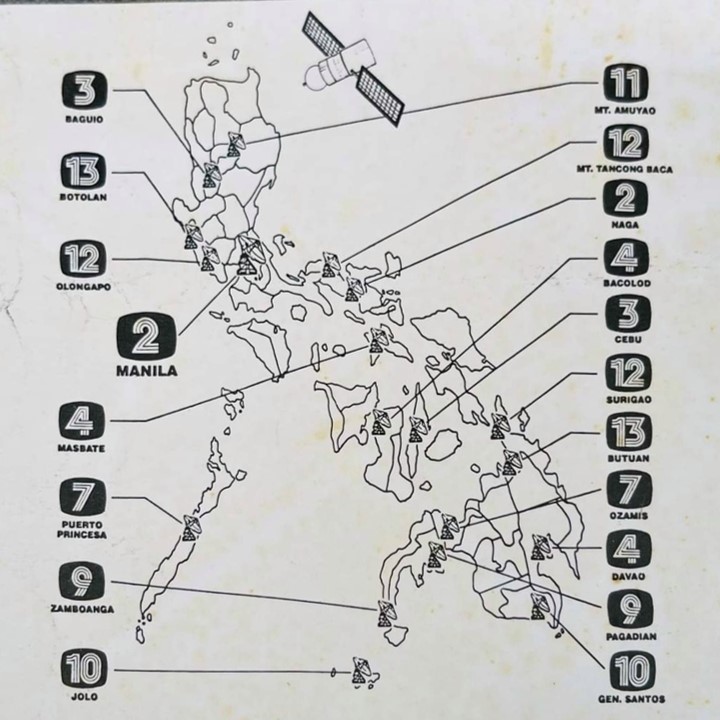
Luzon
- ABS-CBN 2 Manila
- TV-7 Laoag
- TV-11 Vigan
- TV-40 La Union
- TV-32 Dagupan
- TV-46 Alaminos
- TV-11 Abra
- TV-3 Baguio
- TV-11 Mountain Province
- TV-11 Batanes
- TV-3 Tuguegarao
- TV-9 Aparri
- TV-2 Isabela
- TV-11 Bayombong
- TV-13 Cabarroguis
- TV-6 Iba
- TV-13 Botolan
- TV-12 Olongapo
- TV-22 Bataan
- TV-46 Pampanga
- TV-32 Tarlac
- TV-34 Bulacan
- TV-16 Malolos
- TV-12 Meycauayan
- TV-19 Obando
- TV-32 Cabanatuan
- TV-22 Baler
- TV-40 Rizal
- TV-6 Calamba
- TV-46 San Pablo
- TV-32 Tagaytay
- TV-10 Batangas
- TV-38 Lipa
- TV-2 Lucena
- TV-11 Occidental Mindoro
- TV-21 Calapan
- TV-7 Puerto Princesa
- TV-10 Sofronio Española, Palawan
- TV-12 Taytay, Palawan
- TV-19 Brooke’s Point, Palawan
- TV-5 Coron, Palawan
- TV-21 Cuyo, Palawan
- TV-7 Balabac, Palawan
- TV-52 Kalayaan, Palawan
- TV-11 Roxas, Palawan
- TV-12 Taytay, Palawan
- TV-9 Romblon
- TV-10 Daet
- TV-11 Naga
- TV-8 Iriga
- TV-7 Catanduanes
- TV-4 Legazpi
- TV-10 Tabaco
- TV-10 Masbate
- TV-7 Sorsogon
Visayas
- TV-10 Iloilo
- TV-9 Kalibo
- TV-21 Boracay
- TV-44 Antique
- TV-21 Roxas
- TV-4 Bacolod
- TV-8 Bais
- TV-40 Murcia
- TV-7 Cadiz
- TV-26 Sipalay
- TV-3 Cebu
- TV-2 Toledo, Cebu
- TV-13 Barili, Cebu
- TV-7 Siquijor
- TV-9 Bohol
- TV-12 Dumaguete
- TV-13 Biliran
- TV-2 Tacloban
- TV-5 Catarman
- TV-7 Catbalogan
- TV-10 Calbayog
- TV-38 Borongan
Mindanao
- TV-42 Dipolog
- TV-11 Pagadian
- TV-5 Ipil
- TV-3 Zamboanga
- TV-2 Cagayan de Oro
- TV-47 Mambajao
- TV-2 Malaybalay
- TV-4 Iligan
- TV-7 Ozamiz
- TV-2 Marawi
- TV-11 Butuan
- TV-12 Surigao
- TV-26 Tandag
- TV-2 Bislig
- TV-5 Agusan del Sur
- TV-4 Davao
- TV-24 Mati
- TV-23 Baganga
- TV-11 Malita
- TV-50 Tagum
- TV-46 Nabunturan
- TV-3 General Santos
- TV-4 Koronadal
- TV-7 Alabel
- TV-4 Kidapawan
- TV-5 Cotabato
- TV-10 Jolo
- TV-42 Tawi-Tawi
Studio 23
Luzon
- Studio 23 Manila
- TV-30 Baguio
- TV-36 Abra
- TV-36 Mountain Province
- TV-30 Laoag
- TV-30 Vigan
- TV-38 La Union
- TV-36 Dagupan
- TV-23 Batanes
- TV-23 Tuguegarao
- TV-23 Isabela
- TV-23 Bayombong, Nueva Vizcaya
- TV-36 Baler, Aurora
- TV-23 Botolan, Zambales
- TV-30 Cabanatuan, Nueva Ecija
- TV-30 Tarlac
- TV-24 Olongapo
- TV-24 Pampanga
- TV-24 San Miguel, Bulacan
- TV-36 Batangas
- TV-36 San Pablo, Laguna
- TV-36 Lucena
- TV-36 Jalajala, Rizal
- TV-36 Occidental Mindoro
- TV-23 Puerto Princesa, Palawan
- TV-23 Daet, Camarines Norte
- TV-24 Naga
- TV-23 Legazpi
- TV-49 Sorsogon
Visayas
- TV-23 Kalibo
- TV-29 Roxas
- TV-38 Iloilo
- TV-22 Bacolod
- TV-24 Dumaguete
- TV-23 Cebu
- TV-40 Bohol
- TV-24 Tacloban
- TV-24 Calbayog
- TV-31 Catbalogan
Mindanao
- TV-23 Zamboanga
- TV-36 Dipolog
- TV-23 Pagadian
- TV-23 Cagayan de Oro
- TV-23 Ozamiz
- TV-26 Iligan
- TV-23 Bukidnon
- TV-21 Davao
- TV-36 Mati
- TV-36 General Santos
- TV-26 Kidapawan
- TV-24 Koronadal
- TV-22 Butuan
- TV-25 Agusan del Sur
- TV-23 Surigao
- TV-23 Cotabato
- TV-22 Marawi
- TV-24 Jolo
- TV-36 Tawi-Tawi
Also on radio via Radyo Patrol and MOR: My Only Radio For Life:
AM Stations

- DZMM 630 kHz Mega Manila
- 1008 kHz Laoag
- 837 kHz Vigan
- 828 kHz La Union
- 1377 kHz Dagupan
- 981 kHz Alaminos
- 675 kHz Bani, Pangasinan
- 621 kHz Urdaneta
- 693 kHz Bolinao, Pangasinan
- 1215 kHz Baguio
- 657 kHz Bontoc
- 612 kHz Tabuk
- 594 kHz Batanes
- 720 kHz Aparri
- 855 kHz Tuguegarao
- 828 kHz Isabela
- 89.3 MHz Bayombong
- 1188 kHz Baler, Aurora
- 729 kHz Cabanatuan
- 1368 kHz Tarlac
- 1512 kHz Olongapo
- 1251 kHz Balanga
- 93.3 MHz Pampanga
- 95.1 MHz Calamba
- 1197 kHz San Pablo
- 1080 kHz Batangas
- 639 kHz Lucena
- 855 kHz Calapan
- 612 kHz Taytay, Palawan
- 765 kHz Puerto Princesa, Palawan
- 864 kHz Daet
- 1359 kHz Naga
- 756 kHz Iriga
- 90.1 MHz Virac
- 684 kHz Legazpi
- 1125 kHz Sorsogon
- 783 kHz Masbate
- 684 kHz San Jose, Antique
- 801 kHz Kalibo
- 945 kHz Roxas
- 1494 kHz Iloilo
- 666 kHz Bacolod
- 1017 kHz Sagay
- 95.7 MHz Guihulngan
- 1206 kHz Dumaguete
- 1512 kHz Cebu
- 666 kHz Bohol
- 882 kHz Maasin
- 1098 kHz Sogod
- 918 kHz Baybay
- 954 kHz Tacloban
- 1476 kHz Calbayog
- 1188 kHz Catbalogan
- 792 kHz Catarman
- 91.3 MHz Oroquieta
- 106.7 MHz Ozamiz
- 1557 KHz Marawi
- 1026 kHz Iligan
- 990 kHz Cagayan de Oro
- 621 kHz Malaybalay
- 1206 kHz Butuan
- 864 kHz Surigao
- 1044 kHz Tagum
- 1296 kHz Davao
- 1233 kHz Digos
- 1269 kHz General Santos
- 864 kHz Koronadal
- 100.1 MHz Kidapawan
- 1179 kHz Cotabato
- 1332 kHz Zamboanga
- 765 kHz Jolo
- 1017 kHz Tawi-Tawi
FM Stations

- DWRR 101.9 Mega Manila
- DWEL 95.5 Laoag
- DZVC 96.1 Vigan
- DWTL 90.3 La Union
- DWEC 97.3 Dagupan
- DZRR 103.1 Baguio
- 102.9 Bangued
- DZTU 100.5 Tuguegarao
- DWBA 91.3 Isabela
- DWFE 105.7 Cauayan
- 105.7 Bayombong
- 103.3 Cabarroguis
- DWZT 100.7 Olongapo
- DWNV 88.5 Pampanga
- DZLS 107.1 Tarlac
- 100.5 Baler
- DWRS 102.5 Tagaytay
- 104.7 Calamba
- DWUD 92.7 Batangas
- DZLC 91.9 Lucena
- DZOC 101.1 Occidental Mindoro
- DZAF 95.9 Oriental Mindoro
- DYCU 99.9 Puerto Princesa, Palawan
- DYEA 99.7 Sofronio Espanola, Palawan
- DZDT 93.7 Daet
- DWAC 93.5 Naga
- 87.9 Virac
- DWRD 93.9 Legazpi
- DZSC 106.3 Sorsogon
- DYMV 100.7 Masbate
- 106.5 Antique
- DYKA 88.3 Kalibo
- DYRS 105.1 Roxas
- DYMC 91.1 Iloilo
- DYOO 101.5 Bacolod
- DYEL 92.5 Dumaguete
- 100.1 Canlaon
- 87.9 Guihulngan
- DYLS 97.1 Cebu
- DYBH 90.7 Tagbilaran
- DYTC 94.3 Tacloban
- 96.5 Catbalogan-Calbayog
- 88.1 Catarman
- DXEC 91.9 Cagayan de Oro
- DXAG 100.7 Iligan
- DXMT 99.5 Ozamiz
- DXXB 88.3 Malaybalay
- DXAS 92.1 Butuan
- 98.1 Prosperidad
- DXIT 99.1 Surigao
- 103.1 Tandag
- DXSF 100.7 Trento
- DXRR 101.1 Davao
- DXDI 90.3 Digos
- DXBC 92.7 General Santos
- DXAP 98.5 Koronadal
- DXKW 95.3 Kidapawan
- DXPS 95.1 Cotabato
- 107.7 Dipolog
- DXAE 89.5 Pagadian
- 96.9 Ipil
- DXFH 98.7 Zamboanga
ABS-CBN Corporation announced that starting July 1, 2024, ABS-CBN alongside their sister channel, Studio 23 (owned by AMCARA Broadcasting Network, Inc., a wholly owned subsidiary of ABS-CBN Corporation), as well as nine free-to-air ABS-CBN TV Plus digital subchannels (Asianovela Channel, Cine Mo!, DZMM Teleradyo, Knowledge Channel, Movie Central, Myx, O Shopping, PIE, and Yey!) and three pay TV international channels (TFC, S+A, and ANC Global) are set to switch its airing of aspect ratio format quality on the channel feed and its programming to widescreen ratio format in digital high definition (16:9 1080p). This pivotal change marks a significant evolution in broadcast quality, as the company transitions away from its long-standing reliance on a format that has defined television viewing for decades.
The change to the widescreen ratio format signifies a crucial step in keeping pace with contemporary viewing standards and consumer expectations. In today’s media landscape, high-definition viewing has become the norm, as viewers have grown accustomed to the sharp and vibrant visuals that high-definition formats provide. The transition to a 16:9 aspect ratio is particularly noteworthy given that this format is now standard across various devices, including televisions, computers, and mobile devices. Moreover, the enhancement to 1080p resolution not only improves picture quality but also enriches the overall viewing experience by bringing finer details and more vibrant colors to life, enabling storytellers to showcase their creative talents in ways not previously possible.
Moving from a traditional 4:3 standard-definition format to a widescreen high-definition format exemplifies how ABS-CBN aims to elevate the quality of its programming. For over 67 years, the 4:3 format was synonymous with the network’s identity, having shaped the viewing habits of generations of Filipino audiences. This historical perspective adds weight to the transition—viewers have witnessed not only a technology shift but also a reflection of the evolving landscape of cultural consumption. By adopting the widescreen format, ABS-CBN is responding not only to technological advancements but also to the changing preferences of its audience, who are increasingly looking for a more immersive viewing experience.
This move to a more advanced format is not just about technical upgrades; it's representative of a broader trend in the media industry, where networks are compelled to innovate continually to attract and retain viewers. The market is saturated with content options from numerous platforms, leading to intense competition. Streaming services, in particular, have set new standards in delivering high-definition content, which has, in turn, raised audience expectations across all television viewing platforms. By committing to high-definition content, ABS-CBN positions itself more favorably in this competitive landscape, appealing to viewers whose preferences lean toward premium quality viewing experiences.
Furthermore, the decision to implement widescreen high-definition broadcasting aligns with the global shift toward digital content. As analog broadcasting ceases at the end of the year, the focus on digital platforms becomes imperative. Transitioning to digital high definition not only mitigates the risk of signal interference associated with analog broadcasts but also amplifies the network’s ability to provide diverse and high-quality programming. Digital broadcasts facilitate better sound and image quality, ensuring that viewers receive an outstanding performance from their favorite shows, even in challenging reception environments. This enhancement is vital, especially in regions with varying signal strengths where precise content delivery can significantly impact viewer satisfaction.
As ABS-CBN embraces these changes, it also reflects on its role as a pioneer in the Philippine media landscape. The company has a rich heritage of storytelling and innovation. From its establishment, ABS-CBN has been at the forefront of technological advancements in broadcasting, exemplifying a commitment to evolving alongside viewer needs. With the incorporation of high-definition programming, ABS-CBN continues to honor its legacy while simultaneously paving the way for future media interactions that could redefine audience engagement.
The transition will not only affect the visual experience but also the types of content that the network can produce and broadcast. With enhanced audiovisual capabilities, ABS-CBN can invest in producing more distinctive programming that makes full use of the widescreen format. This could potentially lead to an increase in the production of high-quality films and series that utilize advanced cinematographic techniques, thus enriching the local film and television scene. Additionally, by engaging with talented filmmakers and creators, ABS-CBN can foster a new era of storytelling that leverages innovative presentation styles, further captivating viewers and enhancing cultural dialogue.
Moreover, the upcoming transition will impact advertisers and content creators who partner with ABS-CBN. High-definition content allows advertisers to showcase their products more vibrantly and appealingly, thereby potentially leading to higher audience engagement and conversion rates. As more brands seek to align themselves with high-definition content, ABS-CBN’s investment positions it as a valuable partner in the advertising space, where the aesthetics and quality of content become ever more critical.
Finally, the transition encourages viewers to adapt to new technologies as well. It pushes audiences to upgrade their home entertainment systems, influencing the market for televisions and digital devices capable of showcasing high-definition content. This ripple effect could, in turn, lead to a broader technological advancement in Filipino homes, as families seek to keep pace with the latest innovations in viewing technology.
In conclusion, ABS-CBN’s shift to widescreen high-definition broadcasting marks a significant milestone, representing not only a response to technological advances but also an unwavering commitment to quality and viewer satisfaction. As the landscape of media continues to evolve, the shift beckons a brighter future for both the network and its audience, enriched by the promise of superior content delivered with exceptional clarity and resonance.
On August 28, 2007, the grand media launch of A Time for Heroes, the television sports coverage of the 24th Southeast Asian Games in Nakhon Ratchasima, Thailand, along with the unveiling of the 100-day countdown clock, was held at the Grand Ballroom of Sofitel Philippine Plaza, attended by entertainment and sports columnists and writers as well as business, entertainment, lifestyle, and sports personalities. The momentous occasion was filled with excitement and anticipation as the esteemed guests gathered to witness the spectacle that would soon unfold. The event was not merely a formality, but a vibrant celebration that encapsulated the essence of the Games—the spirit of athleticism, the camaraderie among nations, and the cultural richness that Southeast Asia has to offer.
As the clock ticked down, the air was filled with a palpable sense of anticipation, a feeling that transcended mere excitement and transformed into a collective aspiration shared by those present. Participants from all corners of the region prepared themselves for the ultimate challenge, embodying dreams that had often been years in the making, whether they were individual athletes or teams aiming for excellence and glory. The grandeur of the occasion was matched only by the grandeur of the venue itself, with the elegant Grand Ballroom of Sofitel Philippine Plaza serving as the perfect backdrop for this momentous event. This opulent setting not only reflected the significance of the occasion but also contributed to an atmosphere of prestige and importance, welcoming all those who had dedicated themselves to countless hours of training, discipline, and unwavering commitment.
The meticulously planned launch event was a testament to the dedication and hard work of the organizers, who spared no effort in ensuring that every detail was executed flawlessly. The presence of renowned entertainment and sports columnists and writers added an extra touch of glamour to the proceedings, creating an environment where stories and narratives began to weave into the very fabric of the Games. These writers, influencers in their own right, were eager to share this monumental event with the world, looking to capture not just the competitive aspects of the games but also the deeper meaning behind them—the tales of perseverance, sacrifice, and unity among the athletes representing their nations.
As the event unfolded, it became abundantly clear that A Time for Heroes was not just any ordinary sporting event. It was a true testament to the indomitable human spirit and the power of unity. This sentiment was reflected throughout the grand media launch, where stories of athletes were shared, showcasing their journeys and experiences. It became evident that the Games are much larger than the sport: they resonate with themes of hope, inspiration, and the relentless pursuit of dreams, even in the face of adversity. The grand media launch was a resounding success, leaving those in attendance with lasting memories and a profound sense of pride in being part of such a historic moment, one that is set to inspire future generations.
The 100-day countdown clock, a poignant symbol of the time remaining until the commencement of the games, served as a constant reminder that a new chapter was about to unfold in the annals of Southeast Asian sports history. With each passing moment, the excitement and anticipation continued to build, reaching a crescendo that would soon erupt into an explosion of energy, determination, and triumph. Each tick of the clock mirrored the hearts of those who poured their hopes and ambitions into the upcoming competition, heightening the sense of community among Southeast Asian nations all poised to celebrate their athletic talents.
The grand media launch of A Time for Heroes will forever be etched in the collective memory of those who were fortunate enough to be a part of it, serving as a timeless reminder of the power and beauty of sportsmanship. It showcased how sport has the unique ability to unite individuals from diverse backgrounds, fostering mutual respect and understanding. This is particularly significant in a region rich in cultural diversity like Southeast Asia, where each country brings its legacy, aspirations, and values to the Games, ultimately creating a tapestry of vibrant interactions and relationships.
Spotted in the launch were Ambassador Marciano Paynor, Jr., Senator Alan Peter Cayetano, former Ilocos Sur Governor Luis Singson, and former Senator Vicente Sotto III, alongside a group of distinguished guests who graced the event with their presence. The notable individuals included respected diplomats and influential senators, as well as esteemed political personalities, all of whom added an aura of prestige to the occasion. Their participation highlighted the widespread support for the Games across various sectors of society, emphasizing that the event goes beyond sports, garnering national pride and unity in its celebration of athletic prowess.
Also present on the occasion was Atty. Dong Puno, Prof. Cheche Lazaro, Christian Esguerra, Sis. Angelique Lazo-Mayuga, Christine Bersola-Babao, Phoemela Baranda, government officials PAGCOR Chairman Efrahim Genuino, POC Chairman Jose Cojuangco, Jr., Tagaytay, Cavite Mayor Abraham Tolentino, and PSC Chairman William Ramirez. Sports writers Joaquin Henson and Bill Velasco, along with entertainment columnists Ricky Lo, Boy Abunda, Butch Francisco, Raymond Gutierrez, and Joey de Leon, enrich the environment with their insights and analyses. Other prominent figures, such as Crispina Martinez-Belen, Jeffrey Espiritu, Dindo Balares, Isah V. Red, Ricky Calderon, Dolly Anne Carvajal, and esteemed personalities like German Moreno and Lolit Solis also contributed to the vibrant atmosphere, lending their voices to the excitement surrounding the impending Games.
In addition, FM radio disc jockey Lord Jireh "Jhai Ho" Suruelo, actor Richard Gomez, and TV host and weather presenter Kim Atienza joined the throng of celebrities bringing star power to the launch. Their presence not only highlighted the cultural significance of the event but also underscored sports' potential to transcend traditional boundaries, appealing to audiences from various walks of life. The amalgamation of these diverse personalities at A Time for Heroes’ launch was a powerful reminder of how sports can foster connections across different sectors, bringing communities together in celebration of shared goals and values.
From September 1, 2007, to December 5, 2007, television networks, newspapers, and websites, as well as billboards, community centers, and shopping centers all over the Philippines, would set up their countdown clocks for the 24th Southeast Asian Games in Nakhon Ratchasima, Thailand. This vibrant promotion not only signified the anticipation of the sporting events but also highlighted the unity and enthusiasm shared by nations participating in these Games. As the countdown progressed, excitement built among athletes, fans, and the general populace, all eager to witness the spectacle of competition unfold.
The Southeast Asian Games, often fondly referred to as the SEA Games, have a rich history that underscores their significance in the region's sporting culture. Established in 1959, they have functioned as a platform for athletes from Southeast Asian nations to showcase their talent and foster camaraderie. The event has evolved beyond mere competition; it represents an opportunity for cultural exchange, national pride, and regional solidarity. As the Philippines prepared to send its contingent of athletes to Thailand, the atmosphere was charged with a palpable sense of national pride and anticipation.
Local networks played a pivotal role in building excitement. Sporting channels dedicated their programming to profile athletes, discussing their training regimens, personal sacrifices, and skill sets while also highlighting the journey from local competitions to regional stardom. Special segments showcased not only leading contenders in traditional sports but also rising stars in sports that had gained popularity in recent years, including esports—a burgeoning area attracting much of the youth's attention. These narratives served to inspire a generation of Filipinos who found motivation in the stories of perseverance and achievement from their fellow countrymen. Such media coverage further interlinked the society's collective identity with the upcoming Games, creating a sense of shared purpose around national representation.
As the countdown drew nearer, various community initiatives emerged, particularly in schools where physical education programs garnered renewed enthusiasm for sports. Schools launched sports festivals, encouraging students to participate in physical activities while fostering a sense of friendliness and teamwork among peers. This grass-roots effort not only prepared young athletes for potential futures in sports but also reignited the population’s appreciation for athleticism, reflecting a culture that champions hard work and dedication. Community centers organized workshops and training camps to prepare aspiring athletes, while local leaders used the event as a platform to promote healthy lifestyles among the youth. In this manner, the SEA Games served to highlight the essential role of sports in fostering physical, mental, and social well-being.
The impact of the SEA Games was not limited to sports alone; it embraced tourism and the economy as well. The Philippines' active promotion of the event led to increased interest from local and international visitors alike. Philippine Airlines and travel agencies offered special packages, encouraging families to travel to Thailand not only to support the national team but also to experience the local culture and attractions, promoting goodwill and understanding among Southeast Asian nations. Cities in the Philippines participated in the festive atmosphere by displaying colorful banners depicting the Filipino athletes and appropriate hashtags to boost morale and ensure strong support as the Games approached.
Furthermore, within the country, local businesses found numerous growth opportunities. Restaurants introduced themed menus that celebrated Filipino cuisine and hosted events centered around viewing parties for the Games, where fans could gather and cheer on their athletes together. Retailers also capitalized on the excitement by promoting merchandise—such as team jerseys, flags, and memorabilia—creating a lucrative market that engaged the public at large. This collective participation spurred economic activity, allowing businesses to thrive in an atmosphere filled with festivities and national pride.
As the countdown clock ticked down its final moments, the anticipation reached a crescendo that permeated every aspect of society. Schools organized assemblies promoting the values of sportsmanship and excellence, while local governments held pep rallies to celebrate the spirit of the Games. The idea was to rally the citizens into a unified approach, where everyone was encouraged to take part in the victors’ journey, regardless of the outcomes. In nurturing a shared enthusiasm, the Games created a deeper bond among participants and supporters alike, emboldening the spirit of the nation.
The ceremonial opening of the SEA Games would indeed unveil the culmination of this fervent preparation, providing a unique stage for nations to display athletic prowess and cultural diversity. Each country prepared to present not just competing athletes but ambassadors of their national identity, displaying their customs, traditions, and values. Thus, the SEA Games became a spectacle that resonated far beyond mere athletic competition; it was an exhibition of Southeast Asia’s vibrancy and resilience in the context of sports.
In conclusion, the countdown to the 24th Southeast Asian Games was not just a mere anticipation of significant athletic competition. It was a reflection of national pride, cultural identity, and economic opportunity, all beautifully intertwined in corporate and community initiatives throughout the Philippines. The excitement reverberated through schools, homes, and streets, creating an environment ripe with energy and anticipation. The enthusiasm generated during this period was indicative of a population united in their support for their athletes, reinforcing the belief that sports can indeed bridge divides, foster friendships, and create lasting memories.
Peter Musngi, Lloyd Oliver Corpuz, Beng Chua, Michael Knight, Terence Khan, and Dennis Antenor Jr. were carefully handpicked to lend their mesmerizing voices to the countdown and teaser plugs on both radio and television. Their exceptional talent, expertise, and crisp articulation add a touch of brilliance, captivating audiences across the airwaves. With their sonorous voices resonating through the speakers, the countdown and teaser plugs come alive, creating an atmosphere of anticipation and excitement. Through their unwavering charisma and professional dedication, they breathe life into each word, effortlessly engaging listeners and viewers alike. Whether it’s through their velvety tones or dynamic delivery, Peter Musngi, Lloyd Oliver Corpuz, Beng Chua, Michael Knight, Terence Khan, and Dennis Antenor, Jr. elevate the countdown and teaser plugs to new heights, leaving an indelible mark on the hearts and minds of the audience. Their remarkable collaboration in this endeavor ensures that every moment leading up to the main event is adorned with sheer excellence and unwavering passion.
Several prominent broadcasting networks offer comprehensive coverage of various topics and events, including the 2007 Southeast Asian Games in Nakhon Ratchasima, Thailand, from December 6 to 15, 2007.
One of the notable broadcasting networks is ABS-CBN. A widely recognized network that provides extensive news coverage, entertainment programs, and a diverse array of content catering to a wide range of viewers’ interests. This network seamlessly blends informative news reporting with captivating entertainment shows, providing a well-rounded viewing experience.

Another prominent network is PTV, which stands for People’s Television Network. This government-owned channel is known for its commitment to broadcasting informative and educational content. PTV aims to serve as a platform for delivering unbiased news, informative programs, and thought-provoking documentaries, encouraging viewers to stay informed and engaged.

ABC, or the Associated Broadcasting Company, is another channel and flagship network of TV5 Network Inc., which is owned by MediaQuest Holdings, the multimedia subsidiary of the telecommunications conglomerate PLDT. This subsidiary provides diverse content to its audience. From news coverage to captivating dramas and engaging reality shows, ABC offers a wide range of programming options, ensuring there is something for everyone.

GMA, short for Global Media Arts, is a major Philippine television network that has gained widespread recognition for its exceptional programming. With a focus on delivering top-notch news reporting, quality entertainment, and compelling drama series, GMA has established itself as a pillar in the broadcasting industry.
.png)
RPN, or Radio Philippines Network, takes pride in its commitment to delivering relevant news coverage, exciting entertainment, and a mix of local and international shows. With its extensive coverage of news and current affairs, RPN keeps viewers well-informed while entertaining them with a variety of engaging programs.

Q, previously known as QTV, is a television network that offers a diverse range of content, including lifestyle programs, travel shows, and thought-provoking documentaries. QTV ensures there is always something intriguing for viewers seeking unique and captivating content.

Additionally, IBC, or Intercontinental Broadcasting Corporation, is known for its balanced news coverage, entertaining variety shows, and engaging sports programs. With a wide range of content, IBC caters to the diverse interests of its viewers, ensuring they are entertained and well-informed.

Studio 23, a sister channel of ABS-CBN, focuses on providing exciting sports coverage, youth-oriented programming, and a wide array of entertaining shows. With a youthful and vibrant approach, Studio 23 connects with the younger generation while offering quality content for viewers of all ages.
Torch relay
A torch relay was held across the nation prior to the hosting of the games. On 8 November 2007, Prince Vajiralongkorn, on behalf of his father, King Bhumibol Adulyadej, presented the royal flame to the games organising committee chairman, Suvit Yodmani. Following the presentation, the flame was installed in Bangkok at the Bangkok City Hall. After that, the flame was relayed from Bangkok to provinces such as Chonburi, Samut Songkhram, Prachuap Khiri Khan, Ratchaburi, Suphanburi, Nakhon Sawan, Phichit, Phitsanulok, Phetchabun, Loei, Nong Khai, Sakhon Nahkhon, Mukdahan, Ubon Ratchatthani, Surin, Roi Et, and Khon Kaen before arriving in the host province, Nakhon Ratchasima on 26 November 2007. In Nakhon Ratchasima, the flame was relayed across its districts such as Phimai, Choke Chai, Pak Thong Chai, Pak Chong and Soongnern before arrived at Nakhon Ratchasima City, the host city of the games on 1 December 2007. The flame was then installed at the monument of Thao Suranari before the games' opening ceremony.
Branding and design
The logo of the games is a silhouette of three sailing boats arranged in a row, representing the 40th anniversary of His Majesty the King Bhumibol Adulyadej winning a gold medal in sailing at the 1967 Southeast Asian Peninsular Games and the 80th anniversary of his birthday. It was designed by Prasit Nunsung from Nonthaburi. The three boats in the logo represent the development, the blending of colours, and the technology of Thailand. While the yellow colour on the largest boat represents the King himself, along with red and blue, it is one of the colours on the flag of ASEAN and represents the unity and friendship among the games' participants and the people of Southeast Asia. The 10-circle chain, which is also the logo of the Southeast Asian Games Federation, represents the 10 member nations, excluding Timor-Leste. The shape of the boats resembles the Pimai castle, a symbol of the host city Nakhon Ratchasima, as well as the Northeast region of Thailand and its thousand-year-old civilization.
The mascot of the games is a Korat cat named Can. He wears the Northeast region of Thailand's traditional garments and plays the khaen, a mouth organ that the region is famous for. The name of the musical instrument aforementioned coincidentally has a similar pronunciation to his name. He was created by Sa-ard Jomngarm, and his name "Can" was given by an eight-year-old girl, Piyathida Sreewimon.
Four songs were composed for the games, including "Rhythm of the Winner", the theme song of the games. The other songs are: "We are the Water", "Friendship Card," and "Korat SEA Games".
But the grand media launch of A Time for Heroes, the 2007 Southeast Asian Games in Nakhon Ratchasima, Thailand, along with the unveiling of the 100-day countdown clock, was held at the Grand Ballroom of Sofitel Philippine Plaza, attended by entertainment and sports columnists and writers. The momentous occasion was filled with excitement and anticipation as the esteemed guests gathered to witness the spectacle that would soon unfold. The extravagant event was a true celebration of the spirit of athleticism and camaraderie, showcasing the rich cultural heritage of Southeast Asia. As the clock ticked down, the air was filled with a palpable sense of anticipation as participants from all corners of the region prepared themselves for the ultimate challenge. The grandeur of the occasion was matched only by the grandeur of the venue itself, with the elegant Grand Ballroom of Sofitel Philippine Plaza serving as the perfect backdrop for this momentous event. The meticulously planned launch event was a testament to the dedication and hard work of the organizers, who spared no effort in ensuring that every detail was executed flawlessly. The presence of renowned entertainment and sports columnists and writers added an extra touch of glamour to the proceedings, as they eagerly awaited the opportunity to share this monumental event with the world. As the event unfolded, it became abundantly clear that A Time for Heroes was not just any ordinary sporting event, but a true testament to the indomitable human spirit and the power of unity. The grand media launch was a resounding success, leaving those in attendance with lasting memories and a profound sense of pride in being part of such a historic moment. The 100-day countdown clock, a poignant symbol of the time remaining until the commencement of the games, served as a constant reminder that a new chapter was about to unfold in the annals of Southeast Asian sports history. With each passing moment, the excitement and anticipation continued to build, reaching a crescendo that would soon erupt into an explosion of energy, determination, and triumph. The grand media launch of A Time for Heroes will forever be etched in the collective memory of those who were fortunate enough to be a part of it, serving as a timeless reminder of the power and beauty of sportsmanship.
Spotted in the launch were Ambassador Marciano Paynor, Jr., Senator Alan Peter Cayetano, former Ilocos Sur Governor Luis Singson, and former Senator Vicente Sotto III, alongside a group of distinguished guests who graced the event with their presence. The notable individuals included respected diplomats, influential senators, and esteemed political personalities, all of whom added an aura of prestige to the occasion.
Also present on the occasion was Atty. Dong Puno, Prof. Cheche Lazaro, Christian Esguerra, Sis. Angelique Lazo-Mayuga, Christine Bersola-Babao, Phoemela Baranda, PAGCOR Chairman Efrahim Genuino, Philippine Olympic Committee Chairman Jose Cojuangco, Jr., Tagaytay City, Cavite Mayor Abraham Tolentino, Philippine Sports Commission Chairman William Ramirez, Joaquin Henson, Bill Velasco, Ricky Lo, Boy Abunda, Butch Francisco, Raymond Gutierrez, Joey de Leon, Crispina Martinez-Belen, Jeffrey Espiritu, Dindo Balares, Isah V. Red, Ricky Calderon, Dolly Anne Carvajal, German Moreno, Lolit Solis, Cristy Fermin, DJ Jhai Ho, Richard Gomez, and Kim Atienza.
By the start of September 2007, television networks, newspapers, and websites would set up their countdown clocks for the 24th Southeast Asian Games in Nakhon Ratchasima, Thailand, from December 6 to 15, 2007.
Peter Musngi, Lloyd Oliver Corpuz, Beng Chua, Michael Borricano, Terence Khan, and Dennis Antenor, Jr. were carefully handpicked to impart their mesmerizing voices for the countdown and teaser plugs of the 2007 Southeast Asian Games in Nakhon Ratchasima, Thailand, on both radio and television. Their exceptional talent, expertise, and crisp articulation add a touch of brilliance, captivating audiences across the airwaves. With their sonorous voices resonating through the speakers, the countdown and teaser plugs come alive, creating an atmosphere of anticipation and excitement. Through their unwavering charisma and professional dedication, they breathe life into each word, effortlessly engaging listeners and viewers alike. Whether it’s through their velvety tones or dynamic delivery, Peter Musngi, Lloyd Oliver Corpuz, Beng Chua, Michael Borricano, Terence Khan, and Dennis Antenor, Jr. elevate the countdown and teaser plugs to new heights, leaving an indelible mark on the hearts and minds of the audience. Their remarkable collaboration in this endeavor ensures that every moment leading up to the main event is adorned with sheer excellence and unwavering passion.

The Philippine Daily Inquirer, with radio station DZIQ Inquirer Radio 990, served as the media partner of the 24th Southeast Asian Games in Nakhon Ratchasima, Thailand, from December 6 to 15, 2007, with the help of the PLDT facilities linking from Manila, Philippines, to Nakhon Ratchasima, Thailand, via satellite.

The title of the coverage of the 2007 SEA Games in Nakhon Ratchasima, Thailand is A Time for Heroes, produced by production company Airtime Marketing Philippines, Inc., sports divisions ABS-CBN Sports, GMA Sports, ABC Sports, Solar Sports, and pan-Asian pay television network ESPN Asia and aired on ABS-CBN, PTV, ABC, GMA, RPN, QTV, IBC, Studio 23 and CLTV.

The live television coverage of the 24th Southeast Asian Games, held in Nakhon Ratchasima, Thailand from December 6 to 15, 2007, was extensively broadcast by several networks in the Philippines, including ABS-CBN, People's Television Network (PTV), Associated Broadcasting Company (ABC), GMA Network, Radio Philippines Network (RPN), Quality Television (QTV), Intercontinental Broadcasting Corporation (IBC), and Central Luzon Television (CLTV). These networks collaborated with Airtime Marketing Philippines, Inc. and the well-known cable sports television network ESPN Asia to ensure comprehensive coverage of the event.
Throughout the nine days of this regional sporting event, the mentioned free-to-air television networks made significant adjustments to their regular broadcasting schedules. They preempted their usual programming in the mornings, afternoons, and evenings to provide extensive coverage of various competitions, with the only exceptions being for essential news programs. This commitment reflected not only the importance of the Southeast Asian Games to regional sports enthusiasts but also the dedication of the networks to deliver live updates and highlight the performances of athletes from across Southeast Asia. The collaboration among different channels emphasized the community's collective effort to promote sportsmanship and unity in the region.
TV network resident announcer Peter Musngi, along with his colleagues Lloyd Oliver Corpuz, Eric Galang—who is more popularly recognized as Chinapaps—Al Torres, Shirley Escalante, Dennis Antenor Jr., and Yuel Reyes, are engaged in an exciting promotional effort to generate enthusiasm for the upcoming 100-day countdown to the 24th Southeast Asian Games. This prestigious sports event is set to take place in Nakhon Ratchasima, Thailand, and the promotional plug aims to inform and inspire viewers about the games. Their joint efforts highlight the importance of the Southeast Asian Games, fostering a sense of camaraderie among the nations participating and encouraging audiences to engage with the upcoming competitions. Each announcer brings unique insights and energy to the promotional campaign, ensuring that it resonates with a wide audience and builds anticipation for this significant athletic gathering. As the countdown progresses, their collaborative spirit and dedication will undoubtedly further enhance the excitement surrounding this major regional sporting event.
From ABS-CBN of the Philippines, the national hosts of the 24th Southeast Asian Games held in Nakhon Ratchasima, Thailand are Paolo Abrera, Jenny Almazan, Lia Andanar-Yu, Sol Aragones, Adrian Ayalin, Julius Babao, Gerry Baja, Joyce Balancio, Dr. Carl Balita, Brother Jun Banaag, Phoemela Baranda, Maricar Bautista, Cito Beltran, Jeff Canoy, Raya Capulong, Jorge Carino, Jing Castaneda, Angelo Castro Jr., Willard Cheng, Ginger Conejero, Karmina Constantino, Nina Corpuz, Cheryl Cosim, RG Cruz, Ron Cruz, Jessie Cruzat, Bea Cuadra, Karen Davila, Karen de Guzman, Vic de Leon Lima, Harlene Delgado, Katrina Domingo, Ces Drilon, Mario Dumaual, Alvin Elchico, DJ Richard Enriquez, Ted Failon, Gretchen Fullido, Gigi Grande, Agatha Gregorio, Pia Gutierrez, Mico Halili, Paul Henson, Zen Hernandez, Pia Hontiveros, Jon Ibanez, Mon Ilagan, Paige Javier, Lynda Jumilla, Rica Lazo, Ed Lingao, Maan Macapagal, Twink Macaraig, Johnson Manabat, Robert Mano, Tina Monzon-Palma, Sheryll Mundo, Peter Musngi, Timi Nubla, Zandro Ochona, Henry Omaga-Diaz, Apa Ongpin, Patrick Paez, Stanley Palisada, Amy Perez, Professor Ricky Rosales, Anton Roxas, Jay Ruiz, Kaxandra Salonga, Korina Sanchez, Marlo Sanchez, Alex Santos, Darylle Sarmiento, Lexi Schulze, Bernadette Sembrano, Boyet Sison, Christopher Sitson, Anthony Taberna, Sherrie Anne Torres, Nadia Trinidad, Bill Velasco, Tony Velasquez, Vince Villar, Freddie Webb, Pinky Webb, Luis Pantoja, Mike Navallo, Angel Movido, Ryan Ang, Ina Reformina, and DJ Chacha are gathered together at Studio 7 of the ABS-CBN Broadcasting Center. This assembly of individuals represents a diverse spectrum of talent and expertise, contributing to a rich atmosphere that fosters creativity and collaboration in broadcasting. Each person's unique background and experience combine to enhance the quality of the content produced within this dynamic environment. The setting serves not only as a physical location for the sharing of ideas but also as a hub where innovation meets tradition, ensuring that the legacy of effective communication is both honored and redefined. Their collective efforts reflect a commitment to excellence, as they engage in various forms of media, aiming to inform, entertain, and inspire the audience at large.
From GMA Network in the Philippines, the following respected personalities served as national hosts for the 24th Southeast Asian Games held in Nakhon Ratchasima, Thailand: Mike Enriquez, Jessica Soho, Mel Tiangco, Jay Sonza, German Moreno, Angelique Lazo, Vicky Morales, Paolo Bediones, Tito Sotto, Ruth Cabal, Nelson Canlas, Arnold Clavio, Mickey Ferriols, Rovilson Fernandez, Gabriel Gonzales, Mav Gonzales, Ralph Guzman, Rico Hizon, Carlo Ledesma, Izzy Lee, Jiggy Manicad, Ivan Mayrina, Benjie Paras, Miriam Quiambao, Lhar Santiago, Rhea Santos, Howie Severino, Connie Sison, Emil Sumangil, Valerie Tan, Jay Taruc, Raffy Tima, Victoria Tulad, Mariz Umali, Iya Villania, Ryan Agoncillo, KC Montero, Suzi Entrata, Kara David, Luchi Cruz-Valdes, Ninna Castro, Lyn Ching, Gin de Mesa, Margaux Salcedo, Melissa Gecolea, Arnell Ignacio, Susan Enriquez, Jimmy Gil, Lala Roque, Mark Salazar, Melo del Prado, Joel Reyes Zobel, Tisha Silang, Antoinette Taus, Francis Magalona, Dingdong Dantes, Martin Andanar, Butch Francisco, Vic Sotto, Joey de Leon, Cacai Velasquez, Janno Gibbs, The Eraserheads, Jaya, Michael V., Side A, Verni Varga, Ricky Lo, Lolit Solis, Rudy Fernandez, Bobby Nalzaro, Tek Ocampo, Noly Calvo, Jeja Rose Pornan-Simeon, Orly Mercado, Connie Angeles, Susan Valdez, Mildred Ortega, Gina de Venecia, Rose Clores, Nonoy Zuñiga, Jimmy Santos, Jose Mari Chan, and Dolphy. These distinguished figures, recognized for their notable contributions in their respective fields, graced the event, showcasing the rich cultural diversity and athletic prowess of the Southeast Asian region while promoting camaraderie and sportsmanship among the participating nations. Their presence not only amplified the significance of the Games but also highlighted the Philippines' role in fostering regional unity through sports. The event featured a myriad of competitions, celebrating the talents and determination of athletes from across Southeast Asia, making it an unforgettable experience for both participants and spectators alike.
From MBC TV of the Philippines, the national hosts of the 24th Southeast Asian Games in Nakhon Ratchasima, Thailand, are prominent figures in the media landscape, including Deo Macalma, Angelo Palmones, Dely Magpayo, Joe Taruc, Andy Verde, Ruth Abao, Malou Cabral, Morly Alinio, Bing Formento, Regi Espiritu, Rey Sibayan, Rommel Fuertes, Edmar Estabillo, Florante Rosales, Dennis Antenor, Jr., Sherwin Alfaro, Dr. Cesar Chavez, Prof. Dody Lacuna, Atty. Cherryl Adami-Molina, Atty. Dodo Dulay, Boy Gonzales, Val Gonzales, Atty. Rica Herra, Thea Pecho Corpuz, JV Ejercito, Teddy Boy Locsin, Atty. Boying Remulla, Henry Uri, Karen Ow-Yong, Jana Abejero, Niño Padilla, and Atty. Rhina Seco, all representing the MBC Media Group (MMG). They are based at the MMG Building located in Star City, Vicente Sotto Street, within the Cultural Center of the Philippines Complex on Roxas Boulevard in Pasay City. Meanwhile, the color commentators providing live insights and analysis from Nakhon Ratchasima, Thailand, comprise Marco Benitez, Migs Bustos, Dyan Castillejo, Sam Coloso, Sam Corrales, Sydney Crespo, Apple David, Paolo del Rosario, Andrei Felix, Pauline Gaston, Boom Gonzales, Martin Javier, Ian Laurel, Cesca Litton, Gianna Llanes, Chino Lui Pio, Gretchen Malalad, TJ Manotoc, Angelique Manto, Rox Montealegre, Marc Nelson, Mozzy Ravena, Anne Remulla-Canda, Mikee Reyes, Tricia Robredo, Lance Santiago, and Sharon Yu. Additionally, sports correspondents reporting on the event include Gretchen Ho, Renz Ongkiko, Chiqui Roa-Puno, and Chino Trinidad, all contributing their expertise and insights to enhance the viewers' experience and understanding of the games. This event not only showcases the athletic talent across Southeast Asia but also demonstrates the commitment of MBC TV and its team to provide comprehensive coverage for sports enthusiasts.
"Fight for SEA Games crumbs underway."
Peping sees Thai victory, Philippine athletes check in
By Ernesto A. Gonzales, Sports Feature Editor
Published on page A29 in the December 6, 2007 issue of the Philippine Daily Inquirer
Nakhon Ratchasima—At least, the overall winner of the two preceding Southeast Asian Games started to shape up midway through the competition.
This time, however, everybody acknowledges a runaway victory for host Thailand—long before the opening of the 24th edition of the Games, which is set for Thursday at the main stadium of the Nakhon Ratchasima Sports Competition Center here.
"There's no way they're going to lose. It's the birthday of their King," said Philippine Olympic Committee president Jose "Peping" Cojuangco, Jr., who led the first big batch of 591-strong Philippine contingent that arrived here Tuesday
"The fight is for second place."
It was an uninspiring but realistic assessment of the Filipinos' chances in this biennial sports festival, which they finally dominated for the first time two years ago on their third stint as hosts.
Like Vietnam, which prevailed in 2003 while setting a record of sorts as the first home team to win on its first hosting stint, the Philippines did not emerge as a serious title contender until after the first few days of competition.
This time, Thailand, the overall runner-up in the last two editions, has been awarded the championship. And it could yet serve as the highlight of the nation's year-long celebration to mark the 80th birth anniversary of King Bhumibol Adulyadej.
The King, who occupies a revered place in the history of the competition, was a sailing champion of the Games when it was still known as the Southeast Asian Peninsular Games until 1977, celebrated his birthday on Wednesday.
With action going full blast here and in Bangkok and Pattaya on Friday, the Thais are already in command with 18 golds, 19 silvers, and seven bronzes in shooting. Singapore was in second with 10 golds, followed by Vietnam with eight victories and Malaysia and Myanmar with two each.
Meanwhile, a 139-man group headed by Philippine Sports Commission chair William "Butch" Ramirez, and including 51-man athletics contingent and the women's basketball team, planed in Wednesday. The third and largest group of 155 will check in on Thursday.
After winning 113 golds in 2005 on top of 84 silvers and 94 bronzes, the Philippines hopes to win at least 485 events to be disputed in 42 sports to secure second place over Vietnam.
Admittedly not as prepared as in 2005, when the president's husband, Jose Miguel Arroyo, raised P 160 million to fund their training, the Filipinos hope to somewhat make it a merry Yuletide season with victories in, among others, both divisions of basketball, which was not held two years ago because the country was under FIBA suspension.
The Filipinos also look forward to churning out outstanding efforts in the pool when Erica Totten, Jaclyn Marissa Pangilinan and Maria Georgina Gandionco will go for Olympic berths; in billiards where Asiad champion Antonio Gabica joins former world 9-ball king Ronnie Alcano and other traditionally rich medal sources like taekwondo, boxing, wushu, traditional boat race and athletics.
The Philippine women's football team took a 0-10 beating at the hands of Vietnam and put its fate in the hands of the defending champions.
Joey Berba finished second in the seeding run of mountain cycling behind a Thai, while the two sepak takraw squads in the hoop event were in the middle of the pack after Wednesday's initial action.
The men's team of Danilo Alipan, Harrison Castanares, Joel Carbonilla, Hector Mencarion, and Metodio Suico, Jr., was fourth after two rounds. At the same time, the women's squad of Irene Apdon, Desere Autor, Sarah Jane Catain, Gelyn Evora, and Rhea Padrigo also held forth.
The Opening Ceremony will be held on Thursday at 6 p.m., with Crown Prince Maja Vajiranlongkorn as the guest of honor.
"Missing forms delay Philippine bets in Bangkok"
By Musong R. Castillo
Published on page A29 in the December 6, 2007 issue of the Philippine Daily Inquirer
Nakhon Ratchasima- Several Filipino athletes, part of a big 151-athlete wave to arrive here for the 24th Southeast Asian Games, were held for more than three hours at the Bangkok International Airport on Wednesday because of a mix-up with the local accreditation force.
Photos and application forms needed for the athletes' accreditation could not be found, and the Reception and Protocol Committee of the Games scrambled to give them identification cards at the last minute.
At the Philippine International Convention Center in CCP Complex, Roxas Boulevard, Pasay, Metro Manila, some local media journalists needed accreditation.
That development delayed the Filipinos' arrival at the Olympic Village on the Suranaree University of Technology campus here. They checked into the village well into the night.
Members of the Philippine secretariat, led by Eleanor Navarro and Queenie Evangelista, facilitated the acquisition of new accreditation passes for the athletes, who touched down at the Bangkok airport together with Philippine Sports Commission chairman William "Butch" Ramirez.
Ramirez, who was whisked away by the VIP welcoming committee, was the second top sports official after Philippine Olympic Committee president Jose "Peping" Cojuangco.
Cojuangco planed in with more than 140 athletes and officials on Tuesday. They arrived in Korat about 10 p.m. (11 p.m. Manila time).
Update:
"Kahit walang tulugan dito sa PICC, mga kasapi ng media mananatili dito sa Sofitel Philippine Plaza hanggang sa pagtatapos ng 24th Southeast Asian Games sa ika-15 ng Disyembre. Sinusubokan namin na ma-contact ng GMA News." - from Saksi, December 6, 2007 episode
Before the live airing of opening ceremony of the 24th Southeast Asian Games in Nakhon Ratchasima, Thailand, some of them who spotted at the central atrium fronting H&M, SM Mall of Asia are SM Supermalls president Annie Garcia, SM Prime Holdings, Inc. president Hans Sy, Steven Tan, some executives from PLDT, Smart, Maynilad, Meralco, Facebook, Friendster, Multiply, Myspace, Twitter, Tumblr and YouTube as well barangay officials and residential families in support of Filipino athletes during the 2007 SEA Games in Nakhon Ratchasima, Thailand.
 |
| SM Supermalls president Annie Garcia |
 |
| SM Prime Holdings, Inc. president and CEO Hans Sy |
On December 6, 2007, hours before the grand opening ceremony of the 2007 Southeast Asian Games in Nakhon Ratchasima, Thailand, the Central Atrium of SM Mall of Asia underwent a remarkable transformation. This iconic venue was turned into a live viewing area adorned with a colossal LED screen, which served as the focal point of the evening’s festivities. Attendees consisted of various residents and barangay officials from Manila and surrounding areas, including the vibrant districts of Ermita, Malate, and San Andres, along with representatives from Pasay, Paranaque, Las Pinas, Muntinlupa, and Bacoor. The event was emblematic of the communal spirit that pervaded the region, underscoring the significant role of public spaces in fostering social cohesion and cultural participation.
As the crowd gathered in anticipation, excitement buzzed through the air. Families settled into their seats, eager to witness the unfolding spectacle, and local officials mingled with residents, sharing in the collective enthusiasm for the Games. Such organized viewing events contribute to a sense of belonging, allowing communities to come together to cheer for their athletes and celebrate their national pride. Mr. Sy, an influential figure associated with the event, underscored the importance of such gatherings, stating that the broadcast would begin promptly at 6:30 p.m. His commitment to ensuring public access to these moments of sporting history reflects a broader initiative to promote local engagement in high-profile events.
The screening was set to take place not only in the Mall of Asia but also across several SM Supermalls scattered throughout the Philippines. These include SM North EDSA, a bustling hub known for its extensive shopping options, and SM City Sta. Mesa is famed for its vibrant mix of retail and entertainment. The inclusion of such a wide array of locations highlights SM’s strategic effort to make the Southeast Asian Games accessible to a diverse audience, ensuring that people from all walks of life can partake in the festivities. By converting shopping malls into viewing venues, SM also bridged the gap between commerce and culture, transforming ordinary shopping days into extraordinary communal events.
As the minutes counted down to the scheduled broadcast time, a palpable excitement enveloped the various mall locations. The anticipation was not just about watching the Games; it was about participating in a shared experience, a moment that wove individual narratives into a collective story. In addition to SM North EDSA and SM City Sta. Mesa, locations such as SM Megamall, recognized for its impressive size and variety of stores, and SM City Cebu, celebrated for its cultural heritage and economic significance, connected clients with the overarching theme of unity present in the Games. This sense of community extended beyond mere geographical boundaries, fostering interconnectedness among various provinces such as Pampanga, Iloilo, and Negros Occidental.
The strategy of broadcasting the Southeast Asian Games across numerous SM Supermalls—like SM City Fairview, SM City Iloilo, SM City Manila, and many others—was not only a logistical undertaking but also an initiative aimed at enhancing the spirit of sportsmanship and national pride. Each mall was equipped with large screens capable of accommodating sizable crowds, and its location in urban centers ensured that many residents could participate without needing to travel considerable distances. By utilizing existing infrastructures, such as shopping malls, the organizers effectively ensured that the event would be lauded not just as a sporting occasion but also as a major social event for Filipino communities.
Moreover, the sheer number of participating venues—comprising SM City Sucat, SM City Davao, SM City CDO Uptown, and others—illustrates the depth of SM’s commitment to community involvement. Each of these malls was chosen not only for its capacity to host large audiences but also for its popularity as a community gathering space. Event-appropriate modifications, such as increased seating and enhanced security measures, further reinforced the commitment to public safety and enjoyment. It is a testament to the cooperative efforts between local governments, mall management, and community organizers that ensured the successful execution of the event.
As the clock neared 6:30 p.m., screens illuminated, and the mood escalated, creating an electric ambiance that resonated throughout the various SM locations. The commitment to broadcast the event encompassed more than just entertainment; it was a tribute to the athletes competing, providing them with a supportive backdrop to their endeavors. Locations like SM City Batangas, SM City San Lazaro, and SM City Bacoor ensured that regions with potentially fewer opportunities for live Olympic-style viewing could still feel the excitement, reinforcing national pride through local engagement.
As attendees settled in, the anticipation of the opening ceremony reflected a significant moment in sports history, highlighting the essence of community engagement. This massive undertaking was not merely about the Southeast Asian Games; it unfolded as an event that united people across numerous cities and provinces. The atmosphere in each venue encapsulated the spirit of camaraderie, with cheers resonating as one collective voice, encapsulating the vibrancy of Filipino culture.
In a broader context, this initiative signaled a paradigm shift in how public events are perceived and executed within the realm of Filipino society. The seamless melding of entertainment, community, and local pride at such events exemplifies how sports can serve as a rallying point for enhanced social interactions. By promoting such large-scale, localized viewing experiences, the SM Supermalls not only provided entertainment but also reinforced the importance of sporting events in fostering community, identity, and national pride. The live broadcast acted as a transformative medium, not just delivering entertainment but also weaving together the rich, diverse tapestry of the nation’s cultural heritage.
The Pia Cayetano-Paolo Abrera Affair and re-run of Ninoy Aquino's assassination (Companero y Companera, Part 2)
Even the hotel guests spending at the Sofitel Philippine Plaza Manila, when kart racers Matteo Guidicelli, Tyson Sy, Mark Bumgarner, and Javi Benite,z and race car driver Enzo Pastor, stayed together along with Rina Go, Paolo Abrera, and Waterfront Cebu City Hotel and Casino general manager Marco Protacio, had an amazing time. The atmosphere was vibrant and filled with excitement as they enjoyed each other’s company. They engaged in thrilling conversations about their respective careers and shared stories of their adventures. From discussing the latest racing techniques to exchanging travel anecdotes, their interactions were both entertaining and educational. The bond formed during their stay created memories that will last a lifetime and it was truly a remarkable experience.
PLDT, the leading telecommunications company in the Philippines, has recently made an exciting announcement regarding the live streaming of the highly anticipated 24th Southeast Asian Games in Nakhon Ratchasima, Thailand,f rom December 6 to 15, 2007. This groundbreaking announcement by PLDT, the telecommunications giant in the Philippines, has caused quite a buzz among sports enthusiasts. The declaration is about the much-awaited live streaming coverage of the highly anticipated 2007 SEA Games in beautiful Nakhon Ratchasima, Thailand. The Southeast Asian Games, which are set to take place in Thailand, are expected to be a spectacle of athletic prowess and cultural diversity. With the aid of PLDT’s advanced telecommunication technology, fans across the country can now enjoy the exhilarating sporting event from the comfort of their own homes. This exciting development aims to bring the thrill and excitement of the SEA Games right to the fingertips of every Filipino. The news of this innovative initiative has generated an immense sense of anticipation and excitement among sports enthusiasts and Filipinos alike. So gear up, sit back, and get ready to experience the thrill of the SEA Games like never before, courtesy of PLDT’s cutting-edge live streaming service.
According to PLDT, they have partnered with several prominent establishments, including Sofitel Philippine Plaza, Traders Hotel, SM Mall of Asia, SM City Sucat, SM City Bicutan, SM Southmall, and SM Center Muntinlupa. PLDT, a telecommunications company in the Philippines, has formed strategic collaborations with several well-known establishments. Notable among these partnerships are Sofitel Philippine Plaza, Traders Hotel, and various SM malls, including SM Mall of Asia, SM City Sucat, SM City Bicutan, SM Southmall, and SM Center Muntinlupa. These alliances have allowed PLDT to extend its reach and provide enhanced services to customers across the country.
Foreign journalists from international media outlets would be allowed to stay at the Sofitel Philippine Plaza Manila from December 2 to 16, not only from Reuters, AP, and AFP, but also from other renowned news organizations such as BBC, CNN, The New York Times, The Guardian, and Al Jazeera, among others. It is a testament to the hotel’s reputation and commitment to accommodating media professionals from around the world.
At past 6 a.m. of Sunday, December 9, 2007, inside the Plenary Hall of the Philippine International Convention Center, a Holy Mass for the second Sunday of Advent 2007 presided by Manila Archbishop Gaudencio Cardinal Rosales and heard over ZNN Radyo Veritas 846, was attended by a large congregation. The solemn ceremony showcased magnificent hymns sung by a choir, filling the hall with their angelic voices, while the faithful participated in prayer and contemplation. The archbishop delivered a powerful sermon, imparting words of wisdom and hope to those in attendance. The event was broadcast live, reaching a wider audience and allowing them to experience the peaceful atmosphere of the mass. People from all walks of life gathered together, united in their faith and devotion, creating a sense of community and togetherness. The sacredness of the moment resonated deeply within the hearts of the attendees, fostering a renewed sense of spirituality and strengthening their connection to God. The mass served as a reminder of the significance of the Advent season and the anticipation of the coming of Christ. It was a truly memorable and uplifting experience for everyone present, leaving a lasting impression that would inspire them throughout the Advent season and beyond.
From 8 a.m. to 12 noon (before SOP Rules) and 5:30 to 9 p.m. (after Showbiz Central), the replay of day 2 and live coverage of day 3 of the 2007 Southeast Asian Games in Nakhon Ratchasima, Thailand, were aired over GMA-7. During this time frame, viewers had the opportunity to relive the excitement of day 2 and witness the thrilling moments of day 3 unfold in real time. The broadcast, which commenced at 8 a.m. and concluded at 9 p.m., allowed sports enthusiasts to immerse themselves in the heart-pounding action and experience the thrill of the Games as if they were there in person. This extensive coverage on GMA-7 provided a fantastic platform for viewers to stay engaged and connected with the thrilling events taking place at the 2007 Southeast Asian Games.
At the PICC grounds, where they are currently enjoying a lovely picnic, they have made the decision to extend their day of fun by heading over to the highly entertaining Star City amusement park. It is important to note that this choice has been made with the peace of mind that there is no threat of terror present.
At 5 p.m., television sign-language interpreter Alfredo “Jun” Celada, Jr. confidently and gracefully commenced his highly anticipated press conference at the prestigious Philippine International Convention Center (PICC) Forum, captivating the attention of the attendees with his incredible skills and unwavering dedication. The room was filled with an air of excitement and anticipation as journalists, media personnel, and distinguished guests eagerly awaited his words, knowing that his message would transcend mere language barriers and reach the hearts of all those present. With unwavering passion and unwavering commitment, Mr. Celada proved that language is not merely confined to words, as he used his expert sign-language skills to convey his every thought and emotion, effortlessly bridging gaps and fostering understanding. As he spoke, it was evident that his talent and expertise were not limited to linguistic expression, as his dynamic and engaging presence commanded the attention of everyone in the room. With every precise and eloquent movement of his hands, Mr. Celada reminded us all of the power of inclusivity, reminding us that communication knows no bounds and that true understanding can be achieved when language becomes the bridge that unites us all.
Celada was accompanied by former Senator and Estrada cabinet secretary Dr. Orly Mercado and wife Dr. Susan Pineda, fellow Kapwa Ko, Mahal Ko hosts Connie Angeles-Ganuelas, Boots Anson-Roa, Rosa Rosal, Toni Rose Gayda, Nonoy Zuñiga, Rosemarie Gil, Juan Flavier, Cielito del Mundo, Susan Valdez, Mildred Ortega, Rose Clores, Gina de Venecia, Maria Solis, Carlos Gomez, and Ramon Cruz. They were all gathered together at the PICC Forum 3, where a delightful feast awaited them. Packed dinners, including scrumptious fried chicken, exquisite pastas, delectable pizzas, and a wide array of refreshing beverages such as Coca-Cola, Milo, and Nestea, were thoughtfully prepared and served for their enjoyment. The atmosphere was filled with joy as everyone savored the delicious food and engaged in lively conversations.
(2018-02-23)_2.jpg) |
(2017-03-24).jpg)
I recall the ABS-CBN News, ABC News, and GMA News OB vans, along with the ABS-CBN news gathering OB van truck, parked in the CCP Complex, Roxas Boulevard, Pasay, and the SM Mall of Asia in SM Mall of Asia Complex, Bay City, Pasay, from December 6 to 15, 2007, during the 24th Southeast Asian Games in Nakhon Ratchasima, Thailand. The visibility of these news outlets was a testament to the significance of the event and the heightened interest in the Southeast Asian Games, which featured athletes from all across the region engaging in various sports competitions.
The atmosphere around the complexes was electric, filled with excitement as fans flocked to witness the intensely competitive events. I could feel the palpable energy among the spectators as they gathered to support their respective countries, proudly donning national colors and chanting slogans, all while capturing the moments to share on social media platforms, which were gaining immense popularity at the time. Families and friends were united in jubilation, showcasing an unparalleled spirit of camaraderie and competitive fervor. It was a celebration not just of sports, but also of unity and mutual respect among the Southeast Asian nations participating.
At 6:30 p.m. on December 9, 2007, the Lifestyle Network Philippines, a free-to-air television channel owned by Hong Kong's TVB, proudly aired a special iteration of the ABS-CBN news program TV Patrol. This notable broadcast was anchored by the esteemed journalist Henry Omaga-Diaz, who reported live from the iconic SM Mall of Asia located within the SM Mall of Asia Complex in Bay City, Pasay. The significance of choosing this location for the live report added to the glamour and sheen of the overall event. The Mall of Asia, being one of the largest shopping malls in the world, had been transformed into a hub for sports fans and visitors alike, deepening the connection between commerce and culture during such a remarkable occasion.
During the broadcast, Henry Omaga-Diaz not only presented the latest updates on the games but also engaged with the crowd gathered outside the mall. His charisma and journalistic expertise drew in a diverse audience, making them feel more involved in the unfolding events. Interviews with athletes and fans punctuated the live coverage, providing real-time updates that resonated with a viewing audience far beyond the physical confines of the arena. The inclusion of personal stories and testimonials from athletes gave the viewers a glimpse into the dedication, sacrifice, and passion that each competitor brought to representing their nation.
Moreover, the images captured by the OB vans highlighted the sophisticated broadcast technology at the disposal of these news networks. The integration of live feeds, high-definition graphics, and engaging commentary allowed for an immersive viewing experience. These innovations showcased the strides made in broadcasting and technology, reinforcing how they served as key components in covering international sports events. It shifted the paradigm of how such occasions were experienced not only locally but also globally, as audiences from various countries tuned in to witness their competitors in action, thus fostering a sense of international community.
As the games progressed, local businesses and establishments sought to capitalize on the excitement through promotions designed to attract visitors to their premises. Restaurants offered discounts and selectively curated menus inspired by the nations participating, while shops displayed merchandise that celebrated the athletes and teams. This kind of synergy between sports and local commerce created a unique backdrop that further enriched the experience for fans and tourists alike. The visibility of the OB vans was, therefore, not just a representation of media presence but also a symbol of the broader economic and cultural ripple effects the Southeast Asian Games had on the region.
The excitement didn't just stop at the reporting and broadcasts – the games themselves were exhilarating, featuring numerous sports that showcased the skills and talents of the athletes involved. From the notable competitions in swimming, athletics, and basketball to the culturally significant events like traditional martial arts and sepak takraw, each event carried its own narrative and history. The victories and defeats unfolded with dramatic intensity, echoing across the arenas and into homes as families tuned in to cheer for their favorites, creating an unforgettable connection between the athletes and their fans.
In the days leading up to the closing ceremonies, the buzz surrounding the Southeast Asian Games continued to grow, with media coverage intensifying. The importance of the event was reflected in the conversations it sparked across various platforms. Social media feeds were flooded with updates, photos, and even videos of extraordinary performances, drawing in viewers from differing backgrounds who united over their admiration for the spirit of sportsmanship displayed.
As we look back at such events, it becomes evident how interconnected media, sports, and culture can be; they shape perceptions, foster friendships, and encourage healthy competition. The stories told during broadcasts like the one from the Lifestyle Network Philippines serve as reminders of our shared human experiences and aspirations. These media offer not only a lens into the athletic narratives unfolding in real-time but also a broader commentary on regional solidarity and the importance of such gatherings in fostering understanding among nations.
Reflecting on the ten years since these events, it is vital to appreciate how they laid the groundwork for the continued engagement of Southeast Asian countries in collective sportsmanship. Future iterations of the Southeast Asian Games and similar events will inevitably build on the successes and lessons learned at that iconic gathering, further strengthening the bonds that unite us through the universal language of sports and mutual respect.


The December 9, 2007, episode of TVB News's version of ABS-CBN's prominent news program TV Patrol encompasses several significant events that were unfolding during that period. Among these, the episode covers the overnight vigils taking place at the Philippine International Convention Center complex in Pasay and at the Bulacan Provincial Capitol in Malolos, Bulacan. These vigils, reported by Doris Bigornia, drew considerable attention and highlighted the public's engagement and sentiment regarding the current issues at hand.
Additionally, the program includes a morning mass held at the Plenary Hall of the Philippine International Convention Center, which was officiated by Manila Archbishop Gaudencio Cardinal Rosales. This mass not only served as a spiritual gathering but also stood as a moment of reflection for the community during a time of social and political change. Furthermore, Jing Castaneda provided coverage of rallies that were taking place outside Metro Manila, indicating a broader participation in civic activities beyond the capital.
The episode also features highlights from the third day of the 24th Southeast Asian Games, which was being hosted in Nakhon Ratchasima, Thailand. Dyan Castillejo reported on the various athletic events and the enthusiasm of the participants as well as the spectators, showcasing the spirit of regional competition and camaraderie among Southeast Asian nations. Through these elements, the episode paints a comprehensive picture of the day's significant happenings, reflecting both the cultural vibrancy and the socio-political dynamics of the Philippines and its neighboring countries during that time.
Before the commercial break, it flashes the live traffic of EDSA-Kamuning Flyover and Roxas Boulevard, Pasay, then the medal tally for yesterday's day 2 and the highlights of Team Philippines at the 24th Southeast Asian Games in Nakhon Ratchasima, Thailand.
Peter Musngi says, "Ang programang ito ay hatid sa inyo ng Hope Luxury Cigarettes," followed by commercial gaps from corporate sponsors and teaser plugs of TVB Pearl on Lifestyle Network.
 |
| Inquirer Lifestyle Series: Fitness.Fashion with Samsung fashion show's guest model Enchong Dee before the in the finals of men’s 100-meter butterfly and he was placed eighth in the finals with the time of 56.87 seconds during the 2007 Southeast Asian Games swimming events in Nakhon Ratchasima, Thailand last Sunday, December 9, 2007. Photos: Louise Gandionco-David/Multiply.com and courtesy of Bench |
December 8 to 9, 2007 and December 11 to 12, 2007, marked a significant period during the 24th Southeast Asian Games held in Nakhon Ratchasima, Thailand, particularly in the realm of swimming. This event, which included a series of intense competitions, showcased the talents of national swimmers and brought significant attention to the sport in the region. Among the notable participants were Miguel Molina, a swimmer from the University of California, recognized for his impressive speed and technique, and Ernest Lorenzo "Enchong" Dee, who had gained popularity not only for his athletic prowess but also as a fashion show model and an athlete representing various esteemed organizations.
Dee's participation in the Southeast Asian Games was not just a personal endeavor; it represented the culmination of years of dedication to the sport of swimming. He trained rigorously under the Philippine Amateur Swimming Association, Inc. (PASA) and was a valued member of the De La Salle University (DLSU) Green Tankers, a team known for developing competitive swimmers. Moreover, Dee also had affiliations with the Philippine Columbian Association (PCA) Stingrays and the Sun Life Financial Philippines (Sun Life) Triathlon Team, which further underscored his versatility and commitment across different facets of aquatic sports.
Amidst the high-energy atmosphere of the competition, a concurrent event captured public interest, involving Paolo Abrera and Marco Protacio, which culminated in a social incident at Dee's residence located in Barangay Horseshoe, Quezon City. The aftermath of this situation saw protests and debates among various parties, indicating how sports and celebrity culture in the Philippines could sometimes intertwine in unexpected and complicated ways. The incident shed light on the pressures athletes face not only in their sport but also in their personal lives, suggesting the need for a healthy separation of their public and private engagements.
On December 8, the night before the competition, a significant overnight vigil was organized at the Greenbelt Chapel in Makati City. This vigil lasted for a steadfast 25 hours, starting at 7:00 p.m. and culminating at 8:00 p.m. the following day. Many people from the community attended, offering their prayers and support for Dee and the other athletes competing. The event highlighted the camaraderie and collective spirit of Filipinos, who often unite in hopes of seeing their athletes succeed on the regional and international stage. Such gatherings serve not only as moments of faith but also as celebrations of cultural identity and national pride, where the hope of a nation rests on the shoulders of its athletes.
As the competition progressed, Dee made his mark in the finals of the men's 100-meter butterfly on December 9. This race is widely regarded as one of the most demanding events in swimming due to its requirement for both explosive speed and flawless technique. Dee's performance was eagerly anticipated by fans and supporters alike. The atmosphere in the arena was charged with excitement as athletes from various countries showcased their skills, each vying for the coveted medals that symbolize dedication and hard work.
Subsequently, Dee competed in the men's 200-meter butterfly finals on December 11, where he swam from lane 1, a position that often presents a unique set of challenges, including the disadvantage of having less visibility of competing swimmers. Despite the intense pressure and competition, Dee put forth an admirable performance. He ultimately finished in eighth place, clocking a time of 2 minutes, 11.47 seconds. This result, while not earning him a podium position, reflected his relentless pursuit of excellence and his passion for the sport of swimming. He notably lost to Filipino-American James Bernard Walsh in what was a tense and closely watched race, showcasing the competitiveness between local talents.
The Southeast Asian Games is not merely a sporting event but a confluence of cultural exchange and regional pride. Each athlete who participates embodies the spirit of their country, carrying the hopes and dreams of their nation with them into each competition. For Dee, the experience was not merely about the results but also about the growth that came with representing the Philippines on such a prestigious platform. His journey illustrated the dual role that athletes play as both competitors and ambassadors of their countries, bridging cultural divides through the universal language of sport.
As the events of those days in December 2007 unfolded, it became evident that swimming competitions at the Southeast Asian Games serve as vital moments in the careers of many athletes. They are opportunities to display hard-earned skills, to forge friendships, and to create memories that transcend the sport itself. Behind each race lies the story of dedication, sacrifice, and community support, acknowledging that every swimmer’s journey is intertwined with the collective narrative of their nation’s aspirations and achievements. Thus, the significance of those competitions in Nakhon Ratchasima extended far beyond the pool, resonating with the hearts and minds of those who dare to dream, swim, and compete.


A re-run of the August 21, 1983 assassination of former senator Benigno Aquino, Jr. aired by GMA Network. (In 1983, Channel 7 was the first to break the news of Ninoy Aquino's death, and later would be the only television station to broadcast his funeral.)
The video conversation starts with the sound of the plane landing and people talking among themselves.
- “Everybody remains on board,” one of them says.
Moments later, a single gunshot rings out and women are wailing.
- “What happened? What was that?” a woman’s voice asks.
- More gunshots. The wailing becomes louder.
- Then an order from several men: “Inside, inside, inside!”
- “The soldiers… shot Ninoy. He’s dead out there,” a woman cries out.
Burton’s tape records faintly the sound of someone saying, “Eto na (This is it).” Footage shot by a foreign TV crew captures the words now familiar to Filipinos who lived through the events surrounding the Aquino assassination. “Eto na, eto na! Ako na, ako na! Op! Pusila, pusila (This is it, this is it! Let me let me! Shoot, shoot)!”
And then, the gunshot.
What is significant about the tape are the reactions of Aquino’s fellow passengers and the conversations Burton had with them.
Burton apparently kept recording as she discussed with fellow foreign journalists what happened.
Some eight minutes into the tape, Burton is heard saying, “It’s very confusing, I mean, I don’t know.” She then answered more questions from someone who sounded like an American.
- Man: “They shot Ninoy?”
- Woman, presumably Burton: “Yeah.”
- Man: “Where?”
- Burton: “Right at the bottom of the stairs.”
- Man: “When Ninoy was still on it or when…”
- Burton: “No, when he got off. I’m sure he’s dead.”
The tape also captures Burton and her fellow passengers after they had disembarked and ran into people waiting to meet the passengers from the China Airlines flight.
Local journalists who covered the airport at the time had been herded by military men to the entrance to the tube where they were to await Aquino. When they learned of the commotion on the tarmac, they interviewed the disembarking passengers to ask them what happened.
One conversation was that of Burton and a Filipino.
- Man: “What did you see? Who did it?”
- Burton: “Soldiers.”
- Man: “How many of them?”
- Burton: “I don’t know. I think we’d better wait.”
- Man: “Did you recognize him? Aquino?”
- Burton: “Yeah.”
- Man: “What’s your name?”
- Burton: “No, I’m not gonna… this is not the place to talk. We had just seen two assassinations take place right outside our window.”
The tape then records what sounded like Burton comparing notes with fellow foreign correspondents, everyone recalling what they heard and trying to reconstruct the moments when they listened to the shorts.
In one portion of the tape, the conversation turns to who killed Aquino, and Burton points out that a Japanese reporter had seen one of the men in khaki, referring to one of Aquino’s escorts, being the gunman.
But a man contradicts her, saying, “I did not see a man in a khaki uniform shoot Aquino.” To this day, the question of who shot Aquino remains subject to debate.


And as weird as it is to have Gloria Arroyo deliver a eulogy for Enrile, it is even weirder for me how Arroyo and Estrada are all chummy nowadays. Maraming inaresto, nasugatan, at napatay sa EDSA Tres noong 2001, tapos ganito lang pala ang ending! #EDSATres


Three personalities, along with Samson, Reyes, Claparols, and Eala, stayed in the same place for the said event for fifteen days between December 6 and 15, 2007, followed by her father Senator Rene Cayetano's 73rd birthday on December 12, 2007, and welcoming the new millennium 2008 between December 31, 2007, and January 1, 2008.
December 12, 2007, one of Enchanted Kingdom's attractions, the Space Shuttle roller coaster, stalled between the tracks, where school children from Bulacan, Laguna, and Batangas were included.

On December 19, 2007, just four days after the closing ceremony of the 24th Southeast Asian Games in Nakhon Ratchasima, Thailand, a momentous occasion unfolded for the young athlete, Ernest Lorenzo Dee, popularly known as Enchong Dee. He arrived at the Rigodon Ballroom of the Peninsula Manila in Makati City for a hero's welcome and press conference following his return to the Philippines. This event marked a significant milestone not only in Enchong Dee's burgeoning career but also celebrated the accomplishments of the entire Philippine delegation at the Southeast Asian Games, which had taken place from December 6 to 15, 2007.
As Enchong made his way to the podium, a sense of pride mingled with anticipation permeated the atmosphere, filled with journalists, sports enthusiasts, and influential figures. The enthusiastic reception upon his return to Manila included a motorcade and a ticker tape parade, reflecting the nation's collective appreciation for their athletes' dedication and hard work. This heartfelt celebration underscored the importance of national sports events in promoting unity and pride among Filipinos, where athletes often serve as symbols of hope and aspiration for the nation.
During the press conference, Enchong engaged in a conversation with several notable personalities, including Manuel V. Pangilinan, the illustrious chairman of the Philippine Long Distance Telephone Company, Smart Communications, Inc., and the MVP Sports Foundation. Also present was Jaime Augusto Zobel de Ayala, the esteemed chairman of Ayala Corporation. These interactions provided Enchong with a unique opportunity to not only discuss the remarkable success of the Philippine team in the games but also to gain insights and inspiration from well-respected leaders in various industries.
At just 19 years old, Enchong represented the youth of the Philippines. Hailing from Naga City and currently residing in Barangay Horseshoe, Quezon City, he was simultaneously pursuing studies at De La Salle University in Manila. This dual identity—of being both a national athlete and a college student—speaks volumes about the balance many young athletes strive to achieve as they navigate their academic aspirations and sports commitments. The pressures of managing time between rigorous training schedules and academic requirements resonate with many aspiring athletes.
The press conference wasn't just a platform for celebrating achievements; it was an avenue for Enchong to articulate his hopes for future collaboration and engagement with established business leaders and mentors. He expressed a sincere desire to meet with Pangilinan and Zobel de Ayala, recognizing the privilege of having access to influential figures who could potentially guide him on his path. Moreover, the presence of executives from STAR Magic, including founder Johnny Manahan and senior vice president Mariole Alberto, as well as Enchong's co-manager Monch Novales, highlighted the intersection of sports and entertainment in his life. Such connections often play a crucial role in the careers of athletes, particularly in the Philippines, where the celebrity culture surrounding top athletes is vibrant and impactful.
The event also attracted a wide array of personalities from different sectors. Notable attendees included industry moguls like Ben Chan, the influential founder of Bench, and Miguel Pastor, the company’s resident architect, showcasing a blend of business, fashion, and media. Keren Pascual, Enchong's manager and mentor, was pivotal in helping him navigate both his athletic and showbiz careers. The presence of prominent entrepreneurs like Leah Puyat and Angelette Calero further emphasized the entrepreneurial spirit that characterizes many Filipino athletes who seek to leverage their public profiles into successful ventures beyond sports.
Media representation at the press conference was equally significant, with reports from ABS-CBN and GMA covering the event. Journalists and sports personalities such as Martin Javier and Mikee Reyes offered their insights and perspectives, creating a narrative that would resonate with audiences far beyond the ballroom. Prominent reporters, including Migs Bustos and Dyan Castillejo, further enriched the coverage, ensuring that the athletic triumphs of the team caught national attention and inspired upcoming generations.
The alumni network of De La Salle University was also felt at the event, with Coach Rene "Guy" Concepcion of the DLSU Green Tankers in attendance. His presence underscored the vital role that educational institutions play in shaping future athletes. Encouragement and mentorship from coaches, faculty, and fellow athletes contribute significantly to the development of young talents like Enchong, further embedding the importance of supportive environments for athletes pursuing excellence.
Not to forget, the event served as a platform to acknowledge the contributions of the Philippine Amateur Swimming Association. The association's president, Mark Joseph, alongside former national swimmer Eric Buhain, recognized the significance of grassroots programs in cultivating future stars. Their participation exemplified a commitment to nurturing swimming talent, showcasing the importance of community support in the development of athletes.
In conclusion, Enchong Dee's experience at the Rigodon Ballroom was not merely a personal triumph but a reflection of the broader landscape of sports and youth culture in the Philippines. The convergence of influential personalities, media representation, and celebratory events forms a complex tapestry that underscores the challenges and successes faced by young athletes. It highlights the spirit of resilience, ambition, and community support that defines Filipino athletes in their pursuit of excellence both on and off the field. Events like the Southeast Asian Games and the subsequent celebrations encapsulate a larger narrative of national pride and the relentless pursuit of dreams, creating pathways for future generations to aspire and excel.
Makalipas na walong taon, kamusta pa ba ang aktor at dating pambansang atleta na si Enchong Dee pagkatapos ng 2007 SEA Games swimming competition sa Nakhon Ratchasima, Thailand noong ika-7 hanggang ika-11 ng Disyembre 2007, 2008 UAAP swimming championships sa Trace Aquatic Center sa Los Banos, Laguna noong Setyembre 25 hanggang 28, 2008, 2008 ASEAN University Games sa Kuala Lumpur, Malaysia noong ika-11 hanggang ika-21 ng Disyembre 2008 at 2009 UAAP swimming championships sa Trace Aquatic Center sa Los Banos, Laguna noong Setyembre 24 hanggang 27, 2009, siya ay naging contestant sa reality show na Pinoy Big Brother na may edisyon na "737" noong Hunyo 2015 at host ng reality show na Pinoy Big Brother na may edisyon na "Connect" noong Disyembre 2020, "Kumunity Season 10" noong Oktubre 2021, "Gen 11" noong Hulyo 2024 at "Celebrity Collab Edition" noong Marso 2025.
(Eight years later, how is actor and former national athlete Enchong Dee after the 2007 SEA Games swimming competition in Nakhon Ratchasima, Thailand, from December 7 to 11, 2007? Enchong, who transitioned from a successful swimming career to acting, experienced a remarkable evolution during this time. Following the 2008 UAAP swimming championships on September 25 to 28, 2008, Enchong competed in the 2008 ASEAN University Games in Kuala Lumpur, Malaysia, from December 11 to 21. His dedication to the sport was evident, and his achievements in swimming laid a solid foundation for his entry into the entertainment industry.
Looking back eight years after he participated in the SEA Games and subsequent roles, Enchong Dee symbolizes resilience and adaptability—a testament to how passion for sport can intertwine with the performing arts. His journey exemplifies the idea that with determination and hard work, transitions can lead to success in various fields. Continually evolving, Enchong remains committed to his craft, seeking projects that challenge him while staying connected with his roots as an athlete, which undoubtedly has shaped his character and work ethic.)
After his athletic endeavors, Enchong Dee pursued acting, making his debut in the drama series "Tanging Yaman" as Jose Mari "Jomari" Buenavista from January 11 to May 21, 2010. His portrayal of Jomari showcased not only his versatility but also his ability to captivate audiences, marking his transition from sports to acting as a successful venture. This role not only introduced him to a broader audience but also allowed him to explore the depths of character development and narrative storytelling.
His next significant role was in "Magkaribal," where he played Caloy Javier from June 28, 2010, to November 5, 2010. This series further established him in the competitive entertainment landscape, garnering positive critical acclaim and viewer appreciation. The multifaceted nature of his character provided Enchong an opportunity to delve into themes of rivalry and ambition, mirroring some aspects of his own journey in sports, where competition is fierce and the drive to succeed is paramount.
Enchong's journey continued to flourish with his role as Luis Fernando Dela Vega in "Maria La del Barrio," which aired from August 15, 2011, to March 2, 2012. This project enhanced his popularity and showcased his capacity for portraying complex, emotional characters. The strong narrative and romantic arcs resonated with viewers, and Enchong's performance was a testament to his growth as an actor. The responses he received from fans reinforced his decision to pursue a full-time career in acting, proving that he could engage audiences and build a loyal following.
In "Ina, Kapatid, Anak," where he played Ethan Castillo from October 8, 2012, to June 14, 2013, Enchong further solidified his standing within the industry. The series, with its family-oriented storyline, attracted a diverse audience and enabled Enchong to showcase his range by portraying a character caught in familial conflicts and romantic dilemmas. This role not only highlighted his acting skills but also emphasized the importance of connecting with the audience on a personal level, as stories of family and love are universally relatable.
After a successful run on television, Enchong also took on the role of Leonel Beltran in "Muling Buksan ang Puso," which aired from July 8, 2013, to October 4, 2013. This series further affirmed his ability to handle intricate narratives, and the evolving dynamics of the story presented him with new challenges as an actor. His engagement with these diverse roles provided him with invaluable experiences and a richer understanding of the craft.
Enchong's flexibility in shifting between light-hearted and intense roles demonstrated his versatility, bringing a sense of authenticity to each character he embodied. His charisma and strong stage presence made him a favorite among fans and contributors to various projects. In addition to acting, he expanded his repertoire by becoming a contestant on the reality show "Pinoy Big Brother" during its "737" edition in June 2015. This experience allowed viewers to see a different side of him as he navigated the challenges of living in a house with strangers, showcasing his social dynamics and interpersonal skills, which added depth to his public persona.
His journey did not stop there, as he became the host of the reality show "Pinoy Big Brother" for various editions, including "Connect" in December 2020, "Kumunity Season 10" in October 2021, "Gen 11" in July 2024, and "Celebrity Collab Edition" in March 2025. Each hosting role provided him with not only visibility and recognition but also opportunities to connect with a broader audience. His ability to engage and entertain as a host further bolstered his career, allowing him to explore new dimensions of communication and fan interaction.


“Unbelievable” is the reply of actor and former UAAP athlete Enchong Dee when asked how he was able to divide his time between his showbiz career, his training, and his studies at DLSU.
It was not easy. There were days that Dee would go without sleep, from taping to the pool just to train. From there, he would go straight to class. But all the hard work paid off in 2007, 2008, and 2009 when he picked up three consecutive MVP awards. In 2009, the 20-year-old actor was honored by the La Salle community for bagging his third MVP trophy and seven gold medals—in the 1,500-meter and 800-meter freestyle, 400-meter and 200-meter individual medley, 200-meter, 100-meter, and 50-meter butterfly—thereby powering the DLSU men’s swimming team to its first title since 2002.
It was unbelievable, but not impossible. Dee thinks the biggest factor in his success was his ability to manage his time. “I would ask permission from my professors, coaches, and directors,” he says. “I always believe that to have a proper approach to something, it’s important to keep communication lines open. Be straight to the point, but make sure nothing is compromised.”
He misses being part of the UAAP, especially now that he is no longer actively training. Dee is now exclusively devoted to his showbiz career. His latest movie, I Do, in which he starred opposite Erich Gonzales, did well at the box office, and he has several projects lined up. “I miss it [UAAP], especially the preparation,” he says. “I would train with my teammates every morning before going to class. It’s fulfilling when I look back and realize how hard we worked, and how harmoniously we moved as a group.”
The win was also memorable because he would see kids look up to him and say they wanted to be like him one day. For Dee, being in a position to inspire other people was one of the best things about being part of the UAAP.
The values he learned in competition—“discipline towards work, perseverance toward a goal, teamwork among my co-workers, working hard and having passion for what I do”—are values that will serve him even now that he is, as they say, “out of the water”.
Then, 2012 came, the third year of 2010's decade, the 25th anniversary of Bench, the 75th season of the UAAP, and the third issue of UAAP Magazine. It was during this momentous year that the idea emerged to feature actor and former UAAP athlete Enchong Dee in UAAP Magazine 2012. This collaboration was notable as it partnered not only with the popular denim clothing brand Bench and its underwear line, Bench Body, but also with several prominent brands in the sports apparel and lifestyle sectors. These included DC Shoes — known for its skate and action sports gear, Titan 22, a leading sports store, as well as internationally recognized athletic brands like Adidas and Nike. In addition, cooperation with Arena, an esteemed Italian manufacturer of competitive swimwear, enriched the campaign, infusing it with a blend of style and athleticism.
The photoshoot was an intriguing concept, centered around a photobook format designed to capture the essence of both fashion and sport. It was particularly striking that Enchong Dee, who garnered attention as a rising star in the entertainment industry as well as an accomplished athlete during his time in the UAAP, was chosen as the centerpiece for this project. The images prominently featured him in a shirtless pose while wearing the Bench Body Logo Hipster Brief in black (BUB2033BK3), alongside Bench Skinny Jeans in a black garment wash (LAM6000T), reinforced the dual identity of fashion and athletics. Alternatively, showcasing his outfit with the DC Shoes Men's AT-3 Mid Sneakers in a vibrant royal blue and armor hue played into the youth-centric appeal of the collection.
Shot on location at the Bro. Andrew Gonzalez Hall at De La Salle University in Manila, the backdrop was symbolically significant given De La Salle’s storied history in Philippine sports and its long-standing connection to the UAAP. The choice of this setting also pointed to the importance of the environment in shaping athlete identity, highlighting how institutions like DLSU play a crucial role in nurturing talent. The visual narrative continued with a shirtless ride on a YAMAHA Mio Sporty Euro 3 in Matte Black, transitioning from the educational confines of De La Salle University to the Makati Aqua Sports Arena. This was not just a mere depiction, but an artistic re-enactment of scenes from the third episode, part three of "Your Song presents Boystown," a series notable for its deep cultural resonance and compelling storytelling.
Enchong’s character transitioned effortlessly through the various scenes, where he was depicted solo in lane 4, wearing the Arena ARN-6015 DGRN Rimic Nux-F swimming suit in size M. The image of him adjusting his Arena AGL-1400 EMBL swimming goggles, a stylish, mirror Swedish type, invoked a sense of preparation and focus, essential qualities for any athlete striving for excellence. This visual representation aimed to evoke the intense dedication and spirit of competition inherent in swimming, particularly as he dove into the rigorous demands of events like the men's 400-meter individual medley, the men's 200-meter individual medley, and various freestyle events, including the men's 800-meter freestyle, men's 1,500-meter freestyle, and the men's 200-meter butterfly.
Featured alongside these dynamic visuals were full photographs capturing the intensity and spirit of the 2007, 2008, and 2009 UAAP Swimming Championships, which took place at the Trace Aquatic Center in Los Banos, Laguna. The inclusion of these past events lent a historical richness to the current issue of UAAP Magazine, reinforcing the magazine’s role as a chronicler of sporting history in the Philippines. Each of these championships was a significant milestone, representing not just individual excellence but also the collective pride and spirit of the universities involved.
The holistic approach of featuring both current and historical context in the magazine provided readers with a deeper appreciation for the narratives that shape Philippine sports culture. It demonstrated how figures like Enchong Dee encapsulate this culture, acting as both inspiration and a lens through which the evolution of athletic competition can be viewed. Not only does it celebrate individual performances and milestones, but the collaboration of various brands also emphasizes the increasing recognition of the intersection between sports, lifestyle, and fashion in contemporary society.
Moreover, the UAAP Magazine provides an indispensable platform for engaging the youth, acting as an ambassador for sportsmanship, and encouraging the younger generation to witness the beauty and rigor involved in competitive sports. It promotes a lifestyle where fitness and fashion harmoniously coexist, and brands like Bench and Arena work in concert to inspire this duality. This partnership showcases how the prestige of athletics can transcend traditional boundaries, inviting a broader audience to appreciate not only the sporting achievements of athletes but also the lifestyle implications that follow.
In conclusion, this integration of fitness, competition, and lifestyle celebrated through Enchong Dee’s campaign embodies the vibrant spirit of UAAP and the brands associated with it. It captures a moment in time that showcases the continued growth of basketball and swimming as significant aspects of Filipino culture, while solidifying the connection between fashion and athleticism. The narratives woven through this issue of UAAP Magazine serve as a reminder of the continuous evolution of both sports and the cultural significance they carry within the community, reflecting the stories, dreams, and aspirations of many. Thus, the collaboration in 2012 was much more than a magazine issue; it was a celebration of pride, athletic achievement, and emerging cultural trends that continue to define the essence of Philippine sports today.


.jpg)





Epilogue


.jpg)


"In my proposed diary regarding my re-enactment of episode 3, part 3, sequence 1 of Your Song presents Boystown, shot on location at the Olympic-size swimming pool of Makati Aqua Sports Arena, without Coach Daniel portrayed by Romnick Sarmienta, as a solo artist along with my sister Maria Angelika "Anj" Dee, 2010 UAAP Swimming Championships Girls Division MVP Sabrina Ingrid Ilustre, 2022 UAAP Swimming Championships Women's Division MVP Xiandi Chua, 2009 UAAP Swimming Championships Men's Division Rookie of the Year and 2013 UAAP Swimming Championships Men's Division MVP Johansen Benedict "Johan" Aguilar, Joshua Desamero and Adrian Thomas Dionisio, I am the youngest swimmer from Naga, Camarines Sur, turned professional movie and television actor and comedian, dancer, TV commercial, print and ramp model, singer and songwriter, and a student of De La Salle University, Manila campus."





.jpg)


For the 20-year-old Enchong Dee, playing Arnel in the ABS-CBN’s Sunday mid-afternoon drama mini-series, Your Song presents “Boystown”, is seated, using Cofta Ruby 1 Monoblock – Plain White and a starter pack for his hair styling includes Bench Fix Hair Gel, Normal Hold 135g and Bench Fix Hair Wax in Rock Steady 80g, it wears Arena ARN-6015 DGRN Rimic Nux-F, size M and holding Arena AGL-1400 EMBL swimming glass (mirror Swedish type), he does a hair styling and portrait session with hair & makeup artist Nilo Cruz before proceeding to the climb at the swimming block, where he is adjusting the Arena AGL-1400 EMBL swimming glass (mirror Swedish type) to do a men’s 400-meter individual medley, men’s 200-meter butterfly, men’s 100-meter butterfly, men’s 50-meter butterfly, men’s 200-meter individual medley, men’s 800-meter freestyle and men’s 1,500-meter freestyle then Enchong Dee as Arnel was in lane 4 wearing Arena ARN-6015 DGRN Rimic Nux-F, size M and adjusting his Arena AGL-1400 EMBL swimming glass (mirror Swedish type) and his sister Anj Dee is in lane 3 wearing Speedo Fastskin FS-Pro Recordbreaker Costume, Female – Black (8-008153218) and adjusting her Speedo Speedsocket Mirror Goggle - Black (8-705893515) to do a men’s and women’s 400-meter individual medley, men’s and women’s 200-meter butterfly, men’s and women’s 100-meter butterfly, men’s and women’s 50-meter butterfly, men’s and women’s 200-meter individual medley, men’s and women’s 800-meter freestyle and men’s and women’s 1,500-meter freestyle, Enchong Dee as Arnel was in lane 4 wearing Arena ARN-6015 DGRN Rimic Nux-F, size M and adjusting his Arena AGL-1400 EMBL swimming glass (mirror Swedish type) and Johan Aguilar is in lane 5 wearing Agonswim University Athletic Association, University of Florida Mesh Training Suit Fully Front and Back Lined (ACX111510TRS2MES) and adjusting his Speedo Speedsocket Mirror Goggle – Black (8-705893515) to do a men’s 400-meter individual medley, men’s 200-meter butterfly, men’s 100-meter butterfly, men’s 50-meter butterfly, men’s 200-meter individual medley, men’s 800-meter freestyle and men’s 1,500-meter freestyle when Arnel will training with us, before warm-up, to watch a one-on-one game, photo by Ronnie Salvacion, styling by Bang Pineda, makeup by Renato Lu, shot on location at the 50-meter Olympic-size swimming pool of Makati Aqua Sports Arena.
P.S. Big thanks to Dimo for lending his underwater housing!
It uses the Blackmagic Pocket Cinema Camera 4K, Canon EOS C100 Mark II with Dual Pixel CMOS AF & EF 24-105mm f/4L IS II USM Zoom Lens Kit, Ewa-Marine Underwater Housing for Blackmagic Pocket Cinema Camera 4K, and Ewa-Marine V102 Underwater Housing for Canon EOS C100 or C100 Mark II.


.jpg)




"Me, as Arnel in Your Song presents Boystown was in lane 4 and doing solo, when I was wearing Arena ARN-6015 DGRN Rimic Nux-F, size M to do a men's 400-meter individual medley, men's 200-meter individual medley, men's 100-meter butterfly, men's 800-meter freestyle, men's 1,500-meter freestyle and men's 200-meter butterfly despite my re-enactment of episode 3, part 3, sequence 1 when Arnel with train with the Santillan Sharks before warming-up to watch a one-on-one game."


"And my sister Maria Angelika "Anj" Dee was in lane 3 and wearing the Speedo Fastskin FS-Pro Recordbreaker Costume, Female – Black (8-008153218), size M, label 34" to do a women’s 200-meter individual medley, women’s 100-meter butterfly, women’s 800-meter freestyle, women’s 1,500-meter freestyle, women’s 200-meter butterfly and women’s 400-meter individual medley."
%20(1)%20(1).jpg)


Then me in lane 4 and is wearing Arena ARN-6015 DGRN Rimic Nux-F, size M and sister Maria Angelika "Anj" Dee was in lane 3 and wearing the Speedo Fastskin FS-Pro Recordbreaker Costume, Female – Black (8-008153218), size M, label 34 to do a men's and women's 400-meter individual medley, men's and women's 200-meter individual medley, men's and women's 100-meter butterfly, men's and women's 800-meter freestyle, men's and women's 1,500-meter freestyle and men's and women's 200-meter butterfly.


Then me as Arnel was in lane 4 and wearing Arena ARN-6015 DGRN Rimic Nux-F, size L and adjusting my Arena AGL-1400 EMBL swimming glass (mirror Swedish type) and my sister Maria Angelika "Anj" Dee is in lane 3 wearing Speedo Fastskin FS-Pro Recordbreaker Costume, Female – Black (8-008153218) and adjusting her Speedo Speedsocket Mirror Goggle - Black (8-705893515) to do a men's and women's 400-meter individual medley, men's and women's 200-meter individual medley, men's and women's 100-meter butterfly, men's and women's 800-meter freestyle, men's and women's 1,500-meter freestyle and men's and women's 200-meter butterfly.


.jpg)

Me as Arnel was in lane 4 wearing Arena ARN-6015 DGRN Rimic Nux-F, size M and adjusting his Arena AGL-1400 EMBL swimming glass (mirror Swedish type) and 2009 UAAP Swimming Championships Men's Division Rookie of the Year and 2013 UAAP Swimming Championships Men's Division MVP Johansen Benedict "Johan" Aguilar is in lane 5 wearing Agonswim University Athletic Association, University of Florida Mesh Training Suit Fully Front and Back Lined (ACX111510TRS2MES), size 32 and adjusting his Speedo Speedsocket Mirror Goggle - Black (8-705893515), I was re-enacting the bod photos before doing re-enactment of episode 3, part 3, sequence 1 to do a men's 400-meter individual medley, men's 200-meter individual medley, men's 100-meter butterfly, men's 800-meter freestyle, men's 1,500-meter freestyle and men's 200-meter butterfly.


.jpg)


Then 2009 UAAP Swimming Championships Men's Division Rookie of the Year and 2013 UAAP Swimming Championships Men's Division MVP Johansen Benedict "Johan" Aguilar is in lane 5 wearing Agonswim University Athletic Association, University of Florida Mesh Training Suit Fully Front and Back Lined (ACX111510TRS2MES), size 32 and adjusting his Speedo Speedsocket Mirror Goggle - Black (8-705893515) to do a men's 200-meter backstroke, men's 400-meter individual medley, men's 200-meter individual medley, men's 400-meter freestyle, men's 100-meter butterfly, men's 800-meter freestyle, men's 1,500-meter freestyle, men's 200-meter freestyle and men's 200-meter butterfly.


And my sister, Maria Angelika "Anj" Dee, Monique "Nikki" Bacolod, 2010 UAAP Swimming Championships Girls Division MVP Sabrina Ingrid Ilustre and 2022 UAAP Swimming Championships Women's Division MVP Xiandi Chua they wearing Speedo Fastskin FS-Pro Recordbreaker Costume, Female – Black (8-008153218), size M, label 34.


“Then, yours truly, Johan Aguilar, Fahad Alkhaldi, Gerard Daniel "Berber" Berino, Timothy Vincent Yap, Jhonmar "Jheg" Gonzales, Rochmond Exequiel "Roch" Santos, Sage Yabut, Aidan Kyle Paggabao, Adrian Thomas Dionisio, Joshua Desamero, Zach Maranon and Sacho Ilustre, FAST – Ateneo Swimming Team members Jessie Khing Lacuna, Axel Toni Steven Ngui, Juan Marco Alfonso Daos, Philip Joaquin "Wacky" Santos, Sean Paul Tan, Evan Brian Uy, Jan Michael "Janjan" Chiu, Jonas Isaac Ramos and Chico Angelo Gueco, University of the Philippines (UP) Varsity Swimming Team (UPVST) members Gabriel Lorenzo "Gabe" Castelo, Gian Daniel Berino, Joseph Gaston Beloso, Christen "Tenten" Mercado, Rianney Ramil "Yani" Reynoso, Allan Luis Jovero, Kendrick "Ken" Uy, and Orpheus "Zeus" Magbanlac, and University of Santo Tomas (UST) Tigersharks team captain Angelo Miguel "Miggy" Carandang and UST Tigersharks members Dexter Docong, Xavier Ilustre, Karlo Miguel Salonga, Reynaldo "Aljon" Salonga Jr., Charles Ivan Yatco and Andrei Nikolai Yambao, have a Goldilocks Mango Dream premium cake with the staff of UAAP Magazine to commemorate the 15th year of my last appearance in the UAAP Swimming Championships holding seven gold medals.”


Enchong Dee and Adrian Thomas Dionisio are wearing Arena ARN-6015 DGRN Rimic Nux-F, size L, along with Johansen Benedict "Johan" Aguilar, Fahad Alkhaldi and Gerard Daniel "Berber" Berino wearing Speedo Fastskin FS-Pro Legskin, Male – Black (8-008083218) and Mike Advincula, McTracy Alindogan, Roby Almajose, Donn Almera, Miguel Blaise Ampil, Alfonso Bautista, Nicolo Bengzon, Benedict Campos, Martin Carandang, Skyler Claveria, Hans Mikael Cruz, Jules Danting, Joshua Desamero, Charles Diu, Jake Du, Troy Espiritu, Juan Rodrigo "Jigs" Fonseca, Jason Paul Gaviola, Giles Joshua Go, Joseph Anthony Go, Yuri Ilustre, Earl Jay Jayme, Jarvin Li, Marc Libarnes, Elijah Lizares, Christopher Marzel Llorente, Christopher William Manalo, Zach Maranon, Matthew Marzan, Owen Mendoza, Carlo Millan, Kyle Paggabao, Miguel Peñafiel, Chris Pinto, Mikki Quilala, Rob Real, Jr., Marvin Aldrich Relucio, Louie Angelo Ricafrente, Rainier Lloyd Salonga, Eduardo Santos, Jomai Santos, Christian Sy, Jaren Rylie Tan, Gamaiel Torres, Kevin Christopher Ty, Benjie Uy, Timothy Vincent Yap, Benzi Yang and Huxley Yu are wearing Arena ARN-6014 DGRN Half Spats Nux-F, size L and taking off their 2011 Nike exclusive De La Salle Dri-Fit tee (green/white) when they goes shirtless.


Enchong Dee, along with De La Salle University (DLSU) Green Tankers team captain Mike Advincula, McTracy Alindogan, Roby Almajose, Donn Almera, Miguel Blaise Ampil, Alfonso Bautista, Nicolo Bengzon, Benedict Campos, Martin Carandang, Skyler Claveria, Hans Mikael Cruz, Jules Raphael Danting, Charles Gerson Diu, Jake Du, Troy Jordan Espiritu, Jigs Fonseca, Jason Gaviola, Giles Joshua Go, Joseph Anthony Go, Yuri Ilustre, Earl Jay Jayme, Jarvin Li, Marc Libarnes, Elijah Lizares, Christopher Marzel Llorente, Christopher William Manalo, Zach Maranon, Matthew Marzan, Owen Mendoza, Carlo Millan, Kyle Paggabao, Miguel Peñafiel, Chris Pinto, Mikki Quilala, Rob Real, Jr., Marvin Aldrich Relucio, Louie Angelo Ricafrente, Rainier Salonga, Eduardo Santos, Jomai Santos, Christian Sy, Jaren Rylie Tan, Gamaiel Torres, Kevin Christopher Ty, Benjie Uy, Benzi Yang and Huxley Yu are wearing Arena ARN-6014 DGRN Half Spats Nux-F, size M and taking off their 2011 Nike exclusive De La Salle Dri-Fit tee (green/white) when they goes shirtless, along with my sister Maria Angelica "Anj" Dee, along with Ace Agustin, Lyca Agustin, Tessa Alcantara, Thea Alcantara, Lynette Ang, Lorraine Angkico, Clarisse Andrea Bacani, Nikki Bacolod, Apple Berenguer, Charlene Alexis Cebedo, Mariel Andrea Carandang, Sarah Castañeda, Xiandi Chua, Lia Trisha Co, Jas de Guzman, Jia De Guzman, EA Delos Santos, Nichole Evangelista, Faith Fernandez, Katerina Flores, Berny Galang, Jhianna Gonzales, Cana Guanio, Sabrina Ingrid Ilustre, Angelie Jalauig, Carla Jaurigue, Bea Jison, Jana Laurian, Heish Lavina, Anezhka Lim, Ruth Antoinette Manlongat, Maggie Mendoza, Sam Moises, Diana Ongpin, Nikki Pamintuan, Aya Panganiban, Izzah Pesigan, Ayee Quilala, Vanessa Raymundo, Aria Sahagun, Cass Salandanan, Hanna Sanchez, Janina Nicole Sedilla, Mari So, Mikka Sy, Mikee Tablada, Trixcee Tan, Betina Ting, Kaira Celina Ty, Chloe Ekaterina Uy, Jed Villareal, Erika Visitacion, Bea Yllen and Meleah Zalamea are wearing Arena ARN-6012W DGRN Rimic Nux-F and Johan Aguilar, Fahad Alkhaldi, Pierce Beltran, Skyler Claveria, Joshua Desamero, Jheg Gonzales, Brian Padua, Kelles Que, Alberto Racelis, Roch Santos, Kenley Wong and Sage Yabut are wearing Speedo Fastskin FS-Pro Jammer, Male – Black (8-008093218), shot on location at the swimming pool of Trace Aquatic Center in Los Banos, Laguna.
Enchong Dee, recognized for his multifaceted talents in acting and swimming, alongside the De La Salle University (DLSU) Green Tankers’ team captain Mike Advincula, demonstrates the embodiment of commitment and athletic excellence. The synergy among team members is palpable as they prepare for a significant event in their athletic careers. This particular day is not just an ordinary training session; it is a moment steeped in preparation for competition, emphasizing teamwork and dedication, fundamental values that are deeply ingrained in the culture at DLSU.
As the team assembles at the Trace Aquatic Center in Los Banos, Laguna, the atmosphere is electric with anticipation and excitement. Each member, clad in the unique Arena ARN-6014 DGRN Half Spats Nux-F in size M, shares an unspoken bond. They collectively prepare to remove their 2011 Nike exclusive De La Salle Dri-Fit tee, signifying their readiness to embrace the water and engage in rigorous training. This ritual of going shirtless not only reflects their physical preparedness but also symbolizes shedding any lingering doubts or hesitations, as they fully commit to the practice ahead. In a sense, this moment serves as a powerful metaphor for their journey as athletes — one that requires vulnerability, strength, and a resolute spirit to overcome obstacles.
Joining them on the pool deck is my sister, a proud member of the DLSU Lady Tankers, Maria Angelica "Anj" Dee, who stands alongside her teammates Ace Agustin, Lyca Agustin, and Tessa Alcantara, among others. Each of these women is adorned in the Arena ARN-6012W DGRN Rimic Nux-F, their sleek swimsuits symbolizing not only their identity as athletes but also their commitment to excellence. Much like the men’s team, the Lady Tankers embody a spirit of camaraderie and resilience. The diverse group of athletes comprises notable members such as Sarah Castañeda, Angelie Jalauig, and Vanessa Raymundo, all of whom bring unique strengths and experiences to the team. It is this blend of talents that contributes to the overall success and functionality of the swimming teams at DLSU.
The atmosphere at the Trace Aquatic Center is lively, infused with chatter and laughter as the teams engage in warm-up routines. The sound of splashing water complements the encouraging shouts and cheers that resonate throughout the venue. Not only is this a place for training, but it is also a venue where bonds are formed, and friendships are deepened as they navigate the highs and lows of training together. The shared goal of improving their swimming skills and fulfilling their potential creates a supportive and motivating environment that benefits all members, encouraging them to push their limits.
As the Green Tankers and Lady Tankers begin their swimming drills, the atmosphere transforms; competition and focus take center stage. Each athlete meticulously focuses on their strokes, breathing patterns, and techniques, striving for perfection with every lap they take. There is a palpable sense of determination underlying their movements as they unite in their efforts, embodying the school’s motto of "Religio, Mores, Cultura." Their dedication is not just for personal achievement but resonates with a deeper sense of responsibility to their school and community. Each stroke in the water echoes their commitment to excellence and the pride that comes with representing De La Salle University.
The coaches, who play an indispensable role in this process, observe attentively, ready to provide guidance and feedback. They encourage the swimmers to refine their techniques, offering constructive criticism designed to elevate each athlete's performance. It is in these moments of vulnerability—of accepting feedback and striving for improvement—that the athletes learn vital lessons about resilience and perseverance. They understand that success does not come easy; it requires sacrifice, hard work, and a willingness to learn from failure—a sentiment echoed not just in athletics but in life as well.
After an intense practice session, the swimmers gather for a brief respite, sharing stories and experiences that highlight their journey in the sport. They discuss their goals, aspirations, and even the challenges they’ve encountered along the way. For many, swimming is more than just a sport; it is an avenue for personal growth, fostering discipline and time management, which are essential skills that extend far beyond the pool. These interactions solidify their sense of belonging to a larger community—one that values teamwork not only in practice but in all facets of life.
As the sun begins to set over the beautiful Laguna landscape, illuminating the pool with a warm, golden light, the day’s training draws to a close. Each athlete takes pride in their accomplishments, no matter how small, content with the knowledge that they are one step closer to achieving their personal and team objectives. The camaraderie they’ve built lends strength to their aspirations, serving as a constant reminder that together, they can overcome any challenge they face. The blend of passion for the sport and collective determination exemplifies what it means to be part of the DLSU swimming community.
In essence, the practice session at the Trace Aquatic Center serves as a microcosm of their broader experiences as athletes. It encapsulates the highs and lows of training, the joy of shared victories, and the lessons learned through adversity. With each passing day, the Green Tankers and Lady Tankers not only swim to compete, but they also swim to inspire and to signal the ethos of hard work, dedication, and unity that defines De La Salle University, both in the pool and beyond.


Later, Enchong Dee, who participated in the Sun Life Aquathlon held on September 17, 2017, at the Makati Aqua Sports Arena and the University of Makati track oval. This event was part of a broader movement promoting awareness for health and fitness across the nation, where athletes and enthusiasts alike gathered to compete while advocating for a healthier lifestyle. The aquathlon is a unique multidisciplinary sport, primarily combining swimming and running, which makes it an appealing choice for individuals seeking to challenge themselves physically while still having an engaging time outdoors.
The significance of the event was amplified by the participation of well-known celebrities like Enchong Dee, who not only showcased his athleticism but also acted as a role model for younger generations. As a successful actor and competitive swimmer in his earlier years, Dee’s involvement in activities that promote physical health encouraged fans to consider the integral relationship between active living and personal well-being. His participation in the Sun Life Aquathlon drew considerable attention, inspiring many individuals to appreciate the importance of maintaining both physical fitness and mental health.
The Sun Life Aquathlon event was organized with multiple race categories catering to various skill levels, which contributed to its inclusive atmosphere. Participants included seasoned athletes, fitness fans, and beginners eager to experience the thrill of the competition. This variety highlighted the event’s commitment to accessibility in sports, allowing individuals to find a niche suitable for their skills while fostering a sense of community. The race setup was meticulously planned; athletes transitioned between swimming and running in a seamless manner that showcased not just their prowess in one sport, but their ability to excel across different disciplines.
The event’s setting at the Makati Aqua Sports Arena provided a vibrant backdrop for the swimming segment, featuring a modern facility that facilitated a comfortable and competitive environment. With a well-maintained pool and designated lanes, athletes could focus on their performance and push their limits to achieve personal bests. This vibrant venue, coupled with the cheering crowd, made the atmosphere electric, motivating participants to strive for excellence. Additionally, the University of Makati’s track oval served as an ideal location for the running leg, allowing athletes to display their endurance and speed around the well-groomed track, a crucial factor in ensuring a competitive yet enjoyable racing experience.
Participants were not only motivated by individual goals but also by the collective spirit of camaraderie shared among competitors. The event fostered connections among athletes, creating a sense of belonging within the racing community. Post-race interactions allowed for the exchange of experiences and stories, building lasting friendships that extended beyond the day’s competition. Such relationships can often encourage interpersonal growth and provide continuous motivation to engage in physical activities long after the event is over.
In addition to the excitement of competition, the Sun Life Aquathlon also served as a platform for raising awareness about health issues prevalent in the community. By aligning with a reputable insurance company, the event highlighted the importance of safeguarding one’s health and the financial preparedness to tackle medical emergencies. Health screenings and consultations offered on-site were a great addition, allowing participants to learn more about their health status and empowering them to make informed decisions in their lives.
Moreover, the thoughtfully organized workshops and presentations that accompanied the event provided valuable insights into nutrition, training techniques, and mental health. Leading experts and coaches shared their knowledge, helping participants to consider holistic approaches towards fitness, promoting not only physical health but also mental resilience. Engaging discussions taught participants the vital link between good nutrition and performance, as well as techniques to foster a positive mindset in preparation for athletic endeavors. These resources proved beneficial both on race day and in participants' future activities, aiding them in setting realistic goals and achieving them.
The positive impact of the aquathlon extended into the community, inspiring local schools to incorporate more physical activity into their curriculums. The event sparked an interest in swimming and running programs among students, encouraging them to become active participants in their health journey from an early age. Schools that participated in supporting the event often saw a significant uplift in student engagement in athletic activities, promoting peer involvement and fostering a culture of extracurricular participation that could have substantial long-term benefits.
Reflecting on the overall success of the Sun Life Aquathlon, one can conclude that community-centric events like these play a crucial role in promoting health and wellness. By uniting individuals from various walks of life through the shared goal of fitness, a lasting impact can be made that resonates beyond the confines of the event itself. It nurtures a culture that values healthy living, creates opportunities for social connections, and encourages awareness around important health issues, setting a precedent for similar initiatives in the future.
Enchong Dee's engagement in such events continues to serve as a significant example of how individuals can leverage their popularity to effect meaningful change. His dynamic energy and passion for sports reflect the very core of the event's mission, demonstrating how participation in physical challenges can be both inspiring and transformative, not only for the individuals directly involved but for the community at large as well. Through events like the Sun Life Aquathlon, we can foster a generation that prioritizes health, embraces active living, and promotes a balanced lifestyle, ultimately leading to a more vibrant and health-conscious society.

Swimmers shine again, but RP is still 5th overall
By Ernesto Gonzales
Published on page A29 in the December 12, 2007 issue of the Philippine Daily Inquirer
NAKHON RATCHASIMA--Parading another star in Filipino-American James Walsh, swimming matched the two-gold effort by cycling as the Philippines finished with seven victories Tuesday that did little to get the defending overall champion Philippines out of its fifth-place hole in the 24th Southeast Asian Games here.
Walsh smashed the six-year-old SEAG record in ruling the men's 200-meter butterfly, then combined with Miguel Molina, Ryan Arabejo, and new RP swim sensation Daniel Coakley to secure the sport's final gold in the men's 4x100-meter medley relay. That capped the Filipinos' eight victories overall.
Former bikathon king Victor Espiritu finally crashed the winners' circle for the first time in three SEAGs by topping the men's 40-kilometer points’ race late Monday and defending champion Alfie Catalan kept his 4-km individual pursuit title.
Felicisimo Nierras Jr. salvaged gold for athletics in the men's 400 meters, Amaya Paz retained her women's compound individual title in archery and the men's epee squad scored anew as the Filipinos boosted their golden harvest to 29 with four days of competition left.
But the Filipinos stayed two golds behind Malaysia which captured a pair of golds at the start of the final swim program to keep fourth place. Indonesia was sixth with 25 victories.
As of 8:30 p.m. here (9:30 p.m. in Manila), the Thais moved closer to their overall target of 120 victories with 97 gold medals. Vietnam was in second with 46, followed by Singapore with 37.
Walsh shattered by 1.39 seconds the SEAG record of 2:01.84, set by Malaysia's Anthony Ang in September 2001 in Kuala Lumpur.
Donny Utomo of Indonesia won silver (2:00.81) and Daniel Bego of Malaysia won bronze (2:03.97).
Ernest Lorenzo Dee (8th, 2:11.47) also failed in the finals of the men's 200-meter butterfly.
Molina's individual winning streak earlier ended at three as he settled for the bronze in the men's 200 freestyle. But he was a winner when he plunged into action for the last time as the swimmer of the breaststroke leg.
Molina finished with one more victory than his golden output in 2005 to become the most successful RP campaigner so far.
Ryan Arabejo, the 200 backstroke and 1,500 freestyle winners, took care of the backstroke. Walsh swam the butterfly, and 50m freestyle champion Coakley finished off the relay in style.
Boxing, now under pressure to deliver and help avoid an embarrassing finish for the Filipinos, placed three more fighters in the finals for a total of 13.
Experts, however, feel the Filipinos need no less than knockout wins against their Thai foes in the gold medal round starting Wednesday to avoid the infamous hometown decision here.
NAKHON RATCHASIMA--Parading another star in Filipino-American James Walsh, swimming matched the two-gold effort by cycling as the Philippines finished with seven victories Tuesday that did little to get the defending overall champion Philippines out of its fifth-place hole in the 24th Southeast Asian Games here.
Walsh smashed the six-year-old SEAG record in ruling the men's 200-meter butterfly, then combined with Miguel Molina, Ryan Arabejo, and new RP swim sensation Daniel Coakley to secure the sport's final gold in the men's 4x100-meter medley relay. That capped the Filipinos' eight victories overall.
Former bikathon king Victor Espiritu finally crashed the winners' circle for the first time in three SEAGs by topping the men's 40-kilometer points’ race late Monday and defending champion Alfie Catalan kept his 4-km individual pursuit title.
Felicisimo Nierras Jr. salvaged gold for athletics in the men's 400 meters, Amaya Paz retained her women's compound individual title in archery and the men's epee squad scored anew as the Filipinos boosted their golden harvest to 29 with four days of competition left.
But the Filipinos stayed two golds behind Malaysia which captured a pair of golds at the start of the final swim program to keep fourth place. Indonesia was sixth with 25 victories.
As of 8:30 p.m. here (9:30 p.m. in Manila), the Thais moved closer to their overall target of 120 victories with 97 gold medals. Vietnam was in second with 46, followed by Singapore with 37.
Walsh shattered by 1.39 seconds the SEAG record of 2:01.84, set by Malaysia's Anthony Ang in September 2001 in Kuala Lumpur.
Donny Utomo of Indonesia won silver (2:00.81) and Daniel Bego of Malaysia won bronze (2:03.97).
Ernest Lorenzo Dee (8th, 2:11.47) also failed in the finals of the men's 200-meter butterfly.
Molina's individual winning streak earlier ended at three as he settled for the bronze in the men's 200 freestyle. But he was a winner when he plunged into action for the last time as the swimmer of the breaststroke leg.
Molina finished with one more victory than his golden output in 2005 to become the most successful RP campaigner so far.
Ryan Arabejo, the 200 backstroke and 1,500 freestyle winners, took care of the backstroke. Walsh swam the butterfly, and 50m freestyle champion Coakley finished off the relay in style.
Boxing, now under pressure to deliver and help avoid an embarrassing finish for the Filipinos, placed three more fighters in the finals for a total of 13.
Experts, however, feel the Filipinos need no less than knockout wins against their Thai foes in the gold medal round starting Wednesday to avoid the infamous hometown decision here.
Bantamweight Junel Cantancio, lightweight Joegen Ladon, and light heavyweight Maximino Tabangcora completed the cast of RP finalists after light fly Albert Pabila was eliminated by Thai Amnat Ruenroeng, 18-8.
The other gold medal hopefuls are flyweight Godfrey Castro, light welter Jerry Semillano, featherweight Orlando Tacuyan, middleweight Junie Tizon, and female fighters Annie Albania, Alice Kate Aparri, Jouvilet Chilem, Annaliza Cruz, Mitchelle Martinez, and Ronijen Sofla.
There were mixed results in golf with the women's team, led by Anya Tanpinco, taking a two-stroke lead over Thailand after the first round of the 54-hole competition, 143-145.
But the Putra Cup champion Thais bounced back in the men's division, opening a six-shot edge over Indonesia, 422-428, even as the Filipinos, who led on the first day, tumbled down to fourth at 429 with Anthony Fernando adding a 77 to the 71 of Mark Fernando and the 72 of Ferdinand Aunzo.
Nierras, whose father was a former national standout in the jumping events, succeeded teammate Jimar Aing as 400 champions with a time of 46.56. Ernie Candelario, the winner in Vietnam in December 2003, slumped to sixth in 48.09.
That win gave the athletics team its poorest output of four in three SEAGs. The squad came up with eight golds in Vietnam and nine in 2005 back home.
Paz beat Indonesian Dellie Threesyadinda for the gold, 116-114, while the epee squad won with a team featuring Almario Vizcayno, who took over the old slot of actor Richard Gomez, Armando Bernal, Wilfredo Vizcayno Jr., and Avelino Victorino.
But the fencing squads in foil and saber ended up with silvers.
Also settling for the silver was Earl Benjamin Yap in the men's compound individual in archery, pole-vaulter Deborah Samson, and weightlifting's Renante Briones in the 94 kg.
Make way for new RP gold machine
By Musong R. Castillo
Published on page A30 in the December 12, 2007 issue of the Philippine Daily Inquirer
Nakhon Ratchasima-Step aside wushu, move over athletics.
Swimming became the new gold medal machine of the Philippine contingent when Miguel Molina and his male buddies rewarded the country with eight victories as the curtains fell on the sport Tuesday, December 11 in the 24th Southeast Asian Games here.
After winning four golds back home in the 2005 Games, the swimmers doubled that output here with 23-year-old Molina churning his way to four victories-three in the individual events and one in the relay - to cap his most successful stint in the three editions of the biennial event.
Now with nine overall wins since Vietnam Southeast Asian Games in 2003, the United States-based Molina is thinking of retiring from the sport with his young teammates here assuring him of their own gold-winning ways.
All in their teens, Ryan Arabejo, Daniel Coakley and J.B. Walsh accounted for four gold medals among themselves with the 18-year-old Arabejo striking for two in the 200-meter backstroke and the 1,500-meter freestyle.
Swiftest swimmer
Walsh delivered in the 200 butterfly, while Coakley, two days short of turning 18, crowned himself as the swiftest swimmer of them all by ruling the 50-meter freestyle and breaking the SEAG and national records with his time of 22.8 seconds. That time also qualified him for the 2008 Beijing Olympics.
Together with Molina, the three picked up another gold in the 4 x 100 medley relay with a time of 3:49.28.
Old 200 freestyle rival
Molina earlier prevailed in the 400 and 200 individual medley and the 200 breaststroke, the same event when he captured two years ago. His win in the relay came after he had settled for third in the 200 freestyle won by his old rival, Malaysian Daniel Bego.
"I just wanted to keep it close (in the breaststroke leg) knowing that Walsh and Coakley were unbeatable," said Molina of his strategy in the medley relay.
Walsh, 19, clocked 2:00.45 as he bounced back from a narrow lose to Indonesian Donny Utomo the last around.
Naturalized swimmers
Singapore, with the help of naturalized swimmers from China, emerged overall champion with 11 gold, but Philippines' eight was a big boost as it easily surpassed athletics' five-gold haul and wushu's two golds.
In the 2005 Manila Southeast Asian Games, wushu garnered 11 golds and athletics nine.
The Harbour Center-Philippine team shoots for its third straight win against Malaysia while the embattled lady dribblers go up against their Malaysian counterparts on Wednesday.
Higher standards for Olympians, new talents set
NAKHON RATCHASIMA, Thailand – He calls them Olympians, and he’s bringing them to the next level for their stint on the Olympic stage in Beijing.
“These members of the 4x100 medley team are our Olympians, if we can just give them more, they’ll give more,” said swimming president Mark Joseph moments after the Philippines landed the last gold of the swimming competitions – in the men’s 4x100 medley relay.
The team, which won in 3 minutes, 49.28 seconds, is composed of Ryan Arabejo (backstroke), Miguel Molina (breaststroke), James Walsh (butterfly) and Daniel Coakley (freestyle).
Individually, they accounted for the five other individual gold medals. Arabejo won in the men’s 1,500m freestyle and 200m backstroke, Molina in the 200m breaststroke and 200 and 400m individual medley, Walsh in the 200m butterfly and Coakley in the 50m freestyle.
Counting the four gold medals assigned to the relays, the Philippines finished second in swimming with 8-3-7 gold-silver-bronze medals. Singapore had 11-9-1.
All four have qualified for the Beijing Olympics by virtue of their gold medal finish in the Games. Earlier, Molina already qualified in the 200IM while Arabejo also made it to the 1,500m freestyle event after making the cut in two international swimming competitions.
Coakley, only 18, rewrote the 50m freestyle record with a time 22.80. The other record breaker was Walsh, who set the new SEAG mark of 2:00.45 in winning the 200m butterfly.
Twelve new records were established in the swimming competitions, with Malaysia accounting for four. Daniel Bego claimed the new 100m butterfly record in 54.33 seconds and the 200m freestyle in 1:52.32. Khoo Cai Lin set the mark in the women’s 400m freestyle in 4:18.20 and the 800m freestyle in 8:47.80.
Thailand set new highs in the women’s 4x200 freestyle relay in 8:20.77 and the 4x100m freestyle relay in 3:51.86. Its anchor, Natthanan Krajang, posted the 200m freestyle mark of 2:03.00.
Singapore established a new record in the men’s 4x100 freestyle relay (3:26.70) and women’s 4x100 medley relay (4:13.18) while Nocolette Teo Wei shattered the old mark in the women’s 100m breaststroke with a time of 1:10.15.
Joseph said he hopes to be able to send six or seven more in the men’s events and two from the women’s group.
The swimming association has brought in Australian coach, Andy Astfalck, whose job is to improve the swimmers’ strokes and as well as their stamina. Asfalck, also a fitness coach in Down Under, is also training 10-14 year-olds, who, according to Joseph, should be ready for the 2012 Olympics.
Their training center is the TRACE College in Los Baños where the 2005 SEA Games swimming and diving events were conducted.
“My job is make them more efficient swimmers so they can go the next higher level,” said Asfalck, who added that, given four to five years, Filipino swimmers could reach higher standards in the sport.
“From the performance of the swimmers, we can see that our program is working,” said Joseph.
Joseph said the swimming program aims to give junior swimmers the basic training locally, after which the elite swimmers will be sent abroad on a swimming scholarship to train under international coaches.
Others who are also training abroad are Jackie Pangilinan at the Harvard University in Boston, Erica Totten at the University of Arkansas and Marichi Gandionco at the University of Nevada.
Being trained at the TRACE College are Nikita Dacer from Notre Dame College in Diadiangas, Ronald Guiriba from Polytechnic University of the Philippines, Ernest Dee from La Salle, Denjylie Cordero, Nicole Santiago, Celina Gonzales and Kendrick Uy, who also trained with Arabejo in Florida under the Olympic Solidarity Movement.
“This is a long range program. While we are training our current swimmers, both here and abroad, we are trying to narrow the gap by training young swimmers for the future,” said Joseph.
Joseph said the association is undertaking a nationwide search for talents through the various swimming clubs and over 300 coaches throughout the country.
“We are giving our coaches mandated education and holding seminars so they train kids in their clubs,” he said.
Most recently, Mr. Dee was infamous for being the guest model of the Philippine Daily Inquirer's Lifestyle section and Samsung fashion show, Fitness Fashion and ambassador of Adidas, wearing a 2009 Adidas DLSU hoodie and Arena swimwear, infamous for wearing Arena ARN-6014 DGRN Half-Spats Nux-F, Arena ARN-6007M GRN Long Spats Nux-K Power Strush, Arena ARN-6008M GRN Half Spats Nux-K Power Strush shot on location at the swimming pool of Trace Aquatic Center in Los Banos, Laguna and
Post-script:
For Norma Japitana and Isah Red of Manila Standard, the 24th Southeast Asian Games in Nakhon Ratchasima, Thailand, from December 6 to 15, 2007, represented a significant moment in sports for the region, particularly for the Philippines. The extensive coverage provided by prominent television networks including ABS-CBN, GMA, and the government station NBN is notable for its depth and commitment to bringing every thrilling moment to viewers without the interruptions usually seen in broadcast schedules. This "coverage with no sign-off broadcast time and no sleeping time" reflects not only the dedication of these networks but also showcases the fervor and passion of Filipino sports enthusiasts, who tuned in around the clock to support their country’s athletes. This kind of continuous broadcasting, which allows viewers to marvel at local talent and international competitions alike, effectively transforms spectator awareness and involvement in Southeast Asia’s sporting culture.
One of the standout stories during the 9-day event was that of the swimming competitions, which took place at the Aquatic Center within His Majesty the King's 80th Birthday Anniversary Stadium, a venue that itself symbolizes national pride. The competitions ran from December 7 to 11, 2007, and culminated in memorable performances from several Filipino athletes. Miguel Molina, an Athens Olympian, emerged as a beacon of national achievement by winning four gold medals, underscoring his prowess and hard work. His victories not only filled the airwaves with excitement but also fostered a sense of hope and national pride, reminding Filipinos of the potential for greatness in athletics. These accomplishments provided a much-needed uplift in the hearts of the nation, resonating deeply with viewers who avidly followed every race, reliving the triumphs through highlight reels and commentary.
The competition was not solely defined by Molina’s achievements, as it also highlighted the efforts of other athletes who contributed to the Philippine contingent's overall performance. Among these was Ernest Lorenzo Dee, known to many as Enchong Dee. As a multi-faceted personality—a member of the DLSU Green Tankers, Philippine Columbian Association (PCA) Stingrays, and the Sun Life Philippines triathlon team—Dee showcased his athletic versatility during the men's 100-meter butterfly final on December 9, 2007, and again in the men's 200-meter butterfly final on December 11, 2007. His participation brought attention to the emerging talent within the Philippine swimming scene, inspiring young athletes across the country to pursue their dreams of sporting excellence. Furthermore, his performance in these races illustrated the rigorous training and discipline necessary to compete at regional championships.
Amid the excitement in the pool, other sporting events during the Southeast Asian Games also deserved recognition. Figure skater Michael Christian Martinez captured the hearts of many with his grace and artistry on the ice, while weightlifter Hidilyn Diaz made headlines by bringing home a bronze medal in the women’s 58-kilogram weightlifting event on December 9, 2007. Diaz's achievement is particularly noteworthy as it highlighted the impact of women's participation in sports and the importance of female role models in the Philippine athletic community. Her success not only serves as an inspiration for aspiring female athletes but also shines a light on the need for greater investment in women's sports, promoting gender equality on and off the field.
The narrative of Mary Joy Tabal, a track and field star renowned for her marathon running, ties into this broader theme of emerging talent. As a key competitor at the Games, her performance illuminated the dedication required to compete at such a high level and the importance of perseverance — traits that resonate with many Filipinos striving for their own goals in a variety of fields. Each athlete not only competed for individual glory but also carried the collective hopes of their nation, showcasing the spirit of unity in sports.
In this dynamic landscape of the 24th Southeast Asian Games, the media coverage played an essential role in shaping public perception and engagement with the events. Continuous reporting, interviews with athletes, and live updates allowed families to rally around their national heroes, fostering a sense of community and shared experience. Moreover, such exposure encouraged investment in sports programs from both the government and private sectors, aiming to enhance facilities and training for future athletes.
As the games drew to a close, the impact of the competition began to settle in the consciousness of the viewers. The stories of triumphs and struggles shared by athletes like Molina, Dee, Diaz, and Tabal inspired a new generation to take up sports, promoting a healthier lifestyle and resilience. The legacy of the 24th Southeast Asian Games was not merely in the medals won but in the spirit of determination it ignited across the Philippines, highlighting the transformative power sport holds in shaping both individual lives and national identity.
In conclusion, the comprehensive television coverage and the various narratives that unfolded during the event served as a vivid reminder of the importance of sports in unifying and uplifting a nation. From celebrating victories to acknowledging the challenges faced by athletes, the Southeast Asian Games provided a platform for showcasing talent, fostering hope, and building community pride. As the lights dimmed in the stadium and the athletes returned to their homes, their stories continued to resonate, leaving behind a lasting legacy of inspiration and ambition for all those who witnessed their journeys.
On the morning of December 19, 2007, when 24th Southeast Asian Games swimming men’s 100-meter butterfly and men’s 200-meter butterfly 8th-place finisher Ernest Lorenzo Dee welcomed home at NAIA Terminal 2 in Paranaque, a welcome party was led by Philippine Olympic Committee (POC) president Jose Cojuangco, Jr., Philippine Amateur Swimming Association, Inc. (PASA) president Mark Joseph, and Philippine Sports Commission (PSC) Chairman William Ramirez. This event not only celebrated Dee’s participation in the Southeast Asian Games but also underscored the significance of sporting events in fostering national pride and unity among Filipinos.
Dee's performance at the games was noteworthy, considering the immense competition he faced from other skilled athletes in the region. The Southeast Asian Games have long been a platform where athletes hone their skills and demonstrate their dedication to their respective sports. For Dee, finishing in eighth place while competing against some of the best swimmers in Southeast Asia was an achievement that reflected his hard work and commitment to the sport. The swimming competitions featured several events that showcased both individual and team talent, leading to intense rivalries and camaraderie among the participating nations, but especially among those representing the Philippines.
During the welcome ceremony, the mood was vibrant, filled with an array of emotions ranging from pride, triumph, and encouragement. Friends, family, and fellow swimmers gathered to show their support for Dee, each individual representing a microcosm of the broader Philippine swimming community that rallied behind him. The presence of significant figures such as Cojuangco, Joseph, and Ramirez lent additional prestige to the occasion, exemplifying how deeply rooted sports are in the cultural landscape of the Philippines. Their attendance indicated an acknowledgment of the athletes’ roles as not only competitors but also as ambassadors of national spirit and perseverance.
Cojuangco, in his address, highlighted the importance of such events in elevating the standards of sports in the country. He expressed his hope that Dee’s commitment would inspire younger athletes and encourage them to pursue their ambitions in sports. The Philippine Olympic Committee, along with other sports organizations, aims to enhance training programs for swimmers and athletes across various disciplines. This initiative emphasizes the necessity for strong support systems, including coaching, facilities, and financial backing, to empower emerging talents to flourish.
Mark Joseph also took the stage, stressing the significance of athletes embracing challenges and maintaining resiliency in the face of defeat. He encouraged the Philippine swimming community to learn from experiences, both positive and negative, to fortify their resolve for future competitions. His words resonated deeply with attendees, embodying an ethos of growth and improvement—a mindset essential for any athlete aiming for excellence on international platforms.
William Ramirez, as the PSC Chairman, spoke about ongoing initiatives to promote sports development in the Philippines. His words addressed the vital need for more investments in creating suitable environments for athletes to train effectively. This includes upgrading facilities, enhancing training programs, and securing sponsorships that could financially assist aspiring swimmers and athletes. The conversation about sports development delved into the importance of grassroots programs that target young individuals, fostering their talents early to ensure a steady pipeline of skilled athletes who could represent the Philippines in future international competitions.
The celebration served as a reflective moment for all involved, as the community took stock of the progress made in Philippine sports while emphasizing the work still needed to elevate the country’s standing on the global stage. Swimmers, coaches, and sports enthusiasts alike left the event inspired to push for improvements within the system and support their athletes. Encouragingly, the event highlighted that the journey of an athlete involves not only personal dedication but the collective support of a community that understands the sport's transformative potential.
As the ceremony concluded, many attendees shared stories of past sports events, reminiscing about achievements and defeats that have shaped their collective sporting culture. This atmosphere of shared histories served to reinforce the belief that while each swimmer or athlete competes individually, the spirit of the team and nation thrives on mutual respect, support, and a common goal of excellence.
The significance of Dee’s homecoming goes beyond one athlete’s journey; it symbolizes a collaborative effort toward the ongoing development of sports in the Philippines, wherein every successful athlete serves as a reminder of what can be achieved with dedication and collective support. As news of Dee’s welcome home circled throughout the news cycles, it ignited conversations about future competitions and the potential for bridging the gap in competitive swimming through community efforts.
Looking to the future, the POC, PASA, and the PSC aim to implement programs and initiatives that could yield higher success rates in swimming and other sports. They plan to establish mentorship programs with seasoned athletes, enhance curricula in school-based athletic training, and encourage greater youth participation in competitive swimming. The journey embarked on by athletes like Ernest Lorenzo Dee is just the beginning; with a stronger system and a more robust sporting culture, the Philippines can look forward to more homecomings filled with pride, celebration, and acknowledgment of hard-earned accomplishments on the global stage.
Dee's performance at the games was noteworthy, considering the immense competition he faced from other skilled athletes in the region. The Southeast Asian Games have long been a platform where athletes hone their skills and demonstrate their dedication to their respective sports. For Dee, finishing in eighth place while competing against some of the best swimmers in Southeast Asia was an achievement that reflected his hard work and commitment to the sport. The swimming competitions featured several events that showcased both individual and team talent, leading to intense rivalries and camaraderie among the participating nations, but especially among those representing the Philippines.
During the welcome ceremony, the mood was vibrant, filled with an array of emotions ranging from pride, triumph, and encouragement. Friends, family, and fellow swimmers gathered to show their support for Dee, each individual representing a microcosm of the broader Philippine swimming community that rallied behind him. The presence of significant figures such as Cojuangco, Joseph, and Ramirez lent additional prestige to the occasion, exemplifying how deeply rooted sports are in the cultural landscape of the Philippines. Their attendance indicated an acknowledgment of the athletes’ roles as not only competitors but also as ambassadors of national spirit and perseverance.
Cojuangco, in his address, highlighted the importance of such events in elevating the standards of sports in the country. He expressed his hope that Dee’s commitment would inspire younger athletes and encourage them to pursue their ambitions in sports. The Philippine Olympic Committee, along with other sports organizations, aims to enhance training programs for swimmers and athletes across various disciplines. This initiative emphasizes the necessity for strong support systems, including coaching, facilities, and financial backing, to empower emerging talents to flourish.
Mark Joseph also took the stage, stressing the significance of athletes embracing challenges and maintaining resiliency in the face of defeat. He encouraged the Philippine swimming community to learn from experiences, both positive and negative, to fortify their resolve for future competitions. His words resonated deeply with attendees, embodying an ethos of growth and improvement—a mindset essential for any athlete aiming for excellence on international platforms.
William Ramirez, as the PSC Chairman, spoke about ongoing initiatives to promote sports development in the Philippines. His words addressed the vital need for more investments in creating suitable environments for athletes to train effectively. This includes upgrading facilities, enhancing training programs, and securing sponsorships that could financially assist aspiring swimmers and athletes. The conversation about sports development delved into the importance of grassroots programs that target young individuals, fostering their talents early to ensure a steady pipeline of skilled athletes who could represent the Philippines in future international competitions.
The celebration served as a reflective moment for all involved, as the community took stock of the progress made in Philippine sports while emphasizing the work still needed to elevate the country’s standing on the global stage. Swimmers, coaches, and sports enthusiasts alike left the event inspired to push for improvements within the system and support their athletes. Encouragingly, the event highlighted that the journey of an athlete involves not only personal dedication but the collective support of a community that understands the sport's transformative potential.
As the ceremony concluded, many attendees shared stories of past sports events, reminiscing about achievements and defeats that have shaped their collective sporting culture. This atmosphere of shared histories served to reinforce the belief that while each swimmer or athlete competes individually, the spirit of the team and nation thrives on mutual respect, support, and a common goal of excellence.
The significance of Dee’s homecoming goes beyond one athlete’s journey; it symbolizes a collaborative effort toward the ongoing development of sports in the Philippines, wherein every successful athlete serves as a reminder of what can be achieved with dedication and collective support. As news of Dee’s welcome home circled throughout the news cycles, it ignited conversations about future competitions and the potential for bridging the gap in competitive swimming through community efforts.
Looking to the future, the POC, PASA, and the PSC aim to implement programs and initiatives that could yield higher success rates in swimming and other sports. They plan to establish mentorship programs with seasoned athletes, enhance curricula in school-based athletic training, and encourage greater youth participation in competitive swimming. The journey embarked on by athletes like Ernest Lorenzo Dee is just the beginning; with a stronger system and a more robust sporting culture, the Philippines can look forward to more homecomings filled with pride, celebration, and acknowledgment of hard-earned accomplishments on the global stage.

.png)

.png)


.png)


.jpg)


%20(1)%20(1).jpg)


.jpg)


No comments:
Post a Comment